
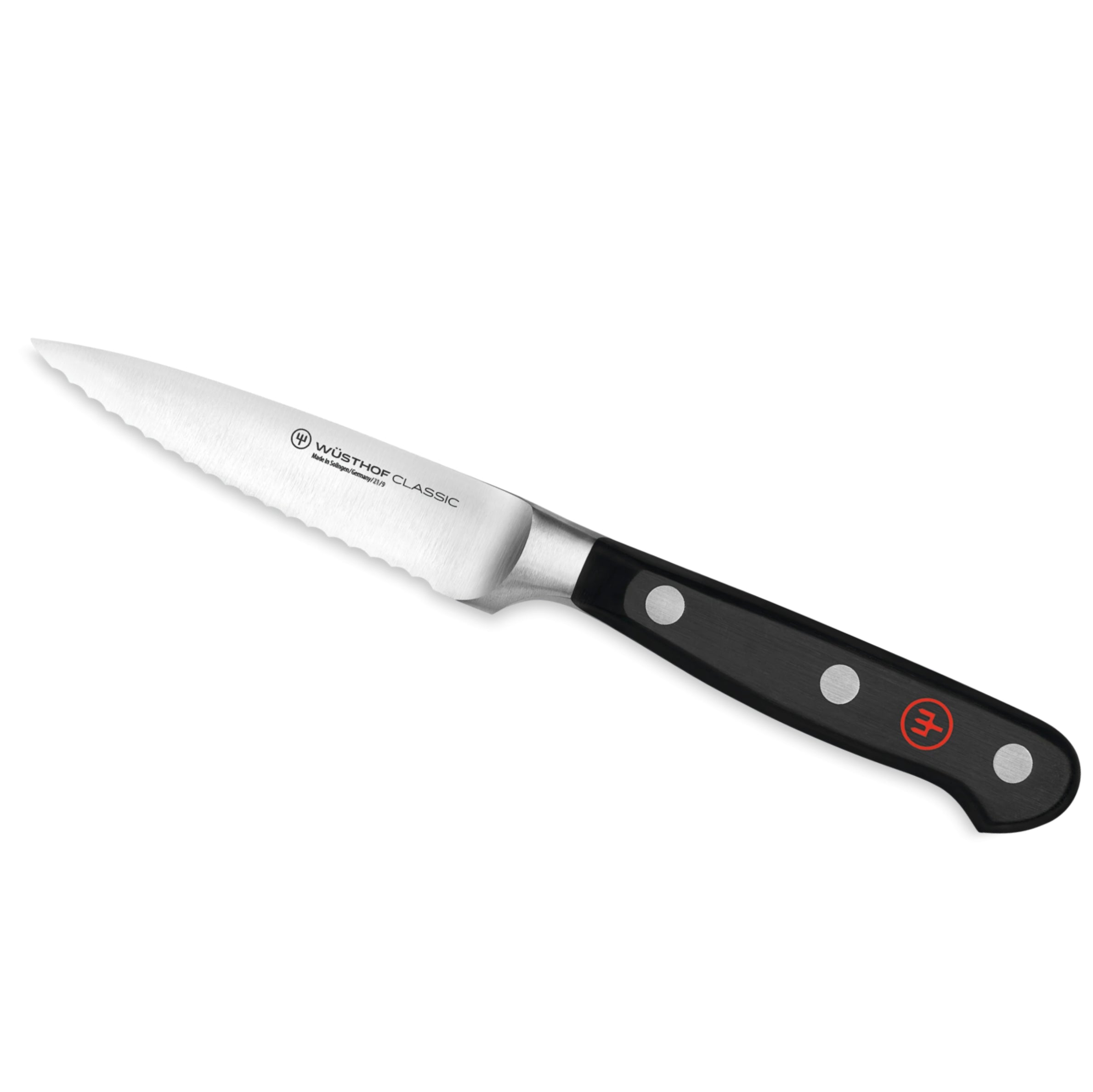
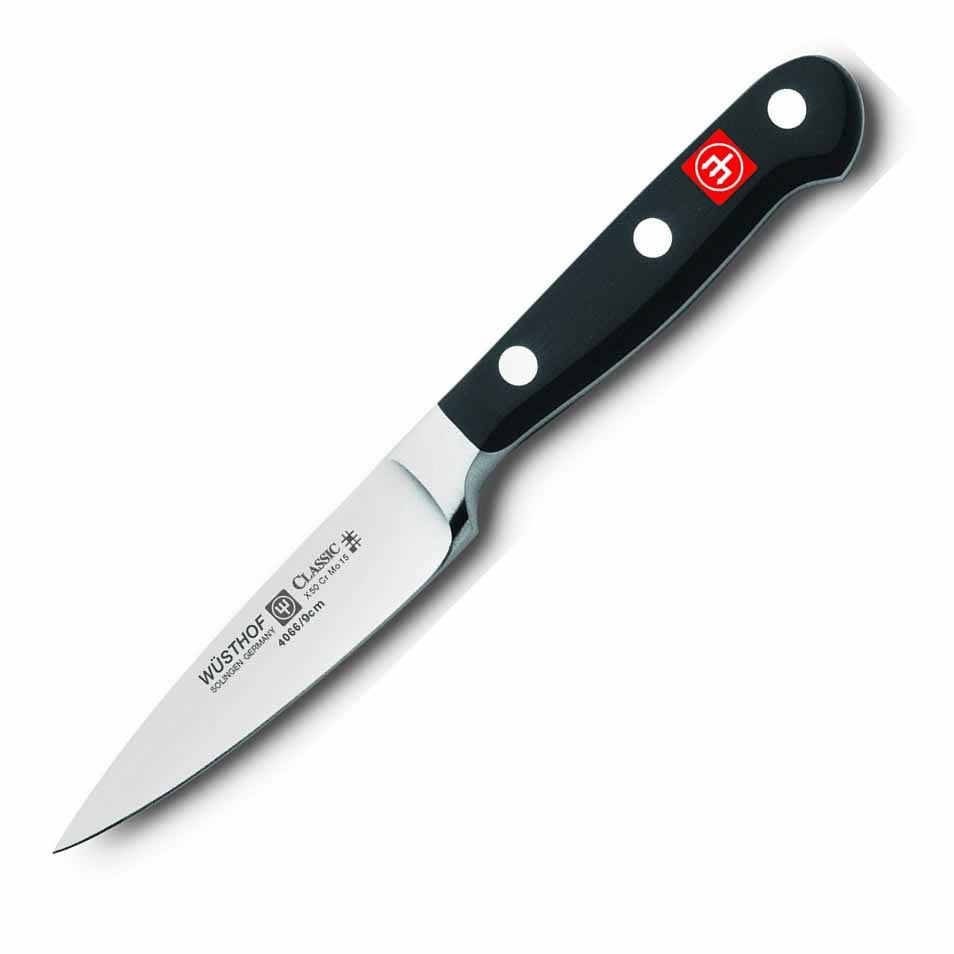
Wusthof Classic 3.5" Paring Knife
Sale price95.00
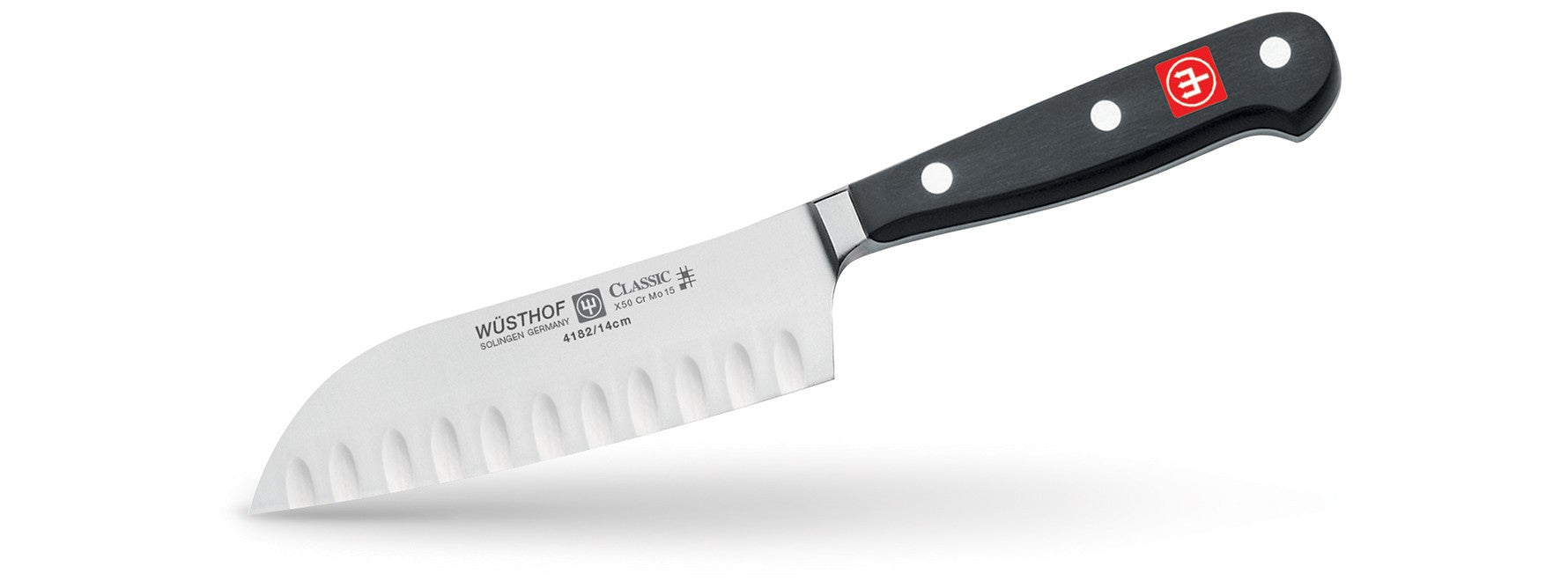
Wusthof Classic 5" Hollow Edge Santoku Knife
Sale price150.00
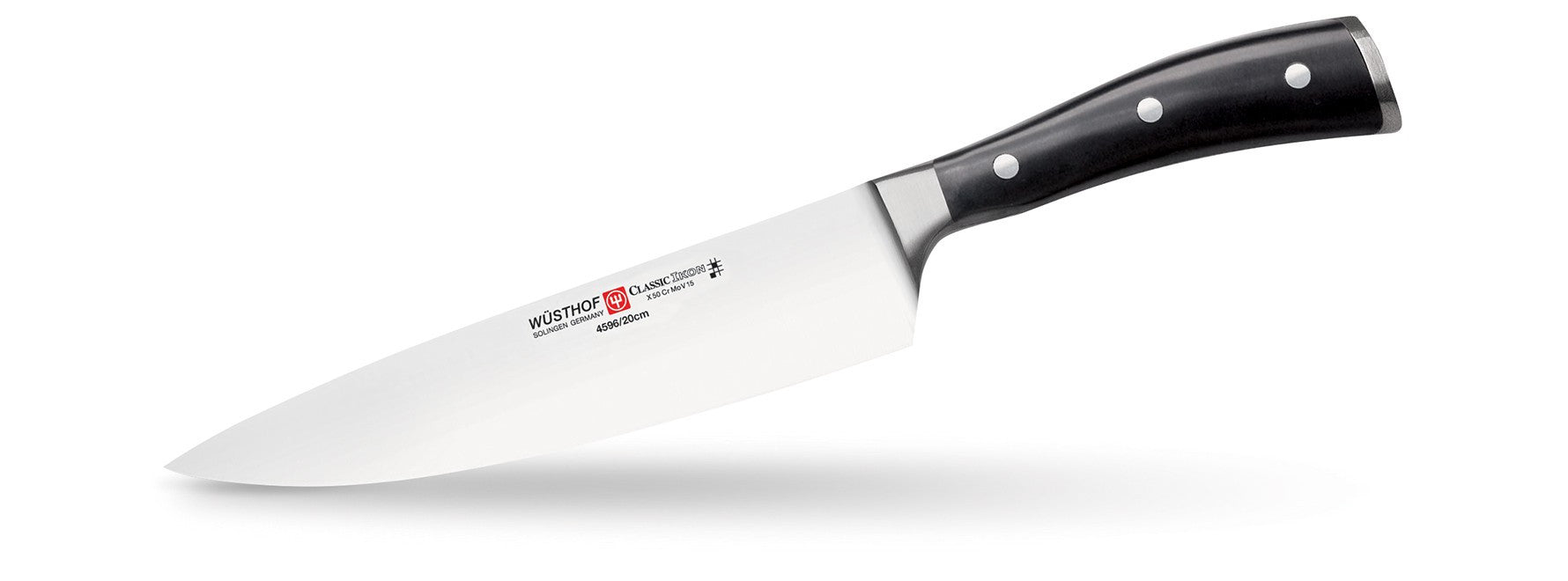
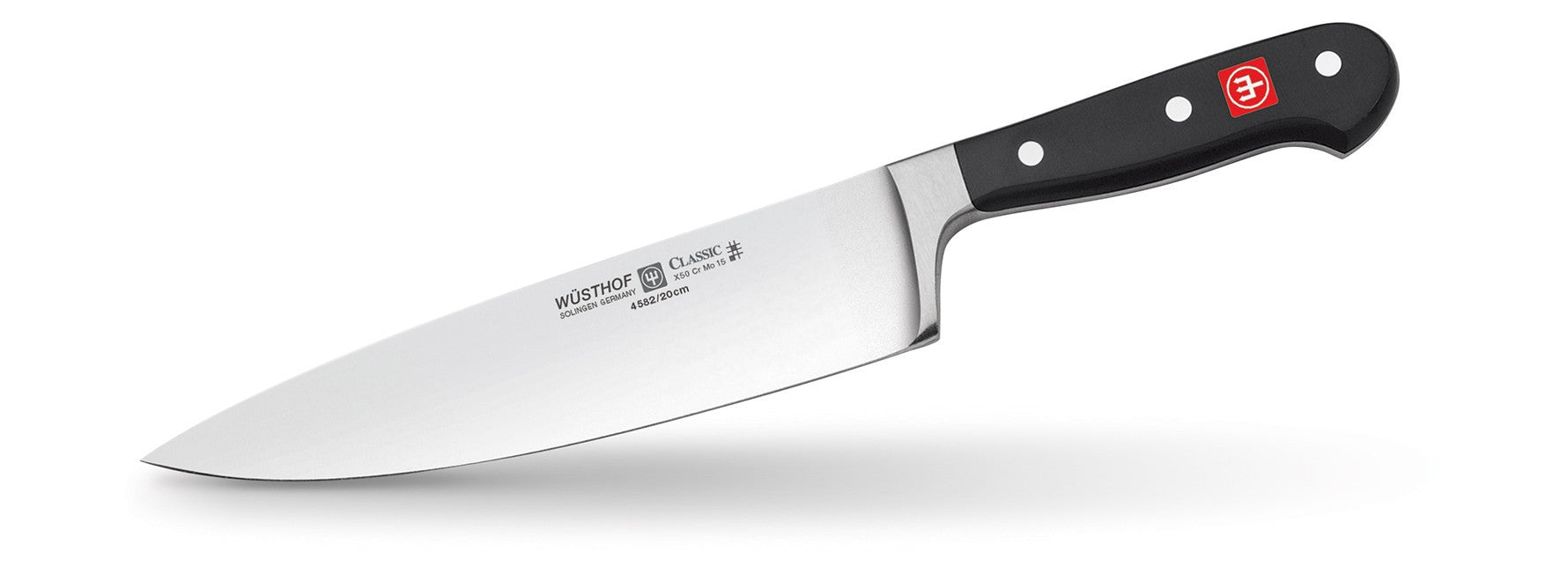
Wusthof Classic 8" Cook's Knife
Sale price169.95
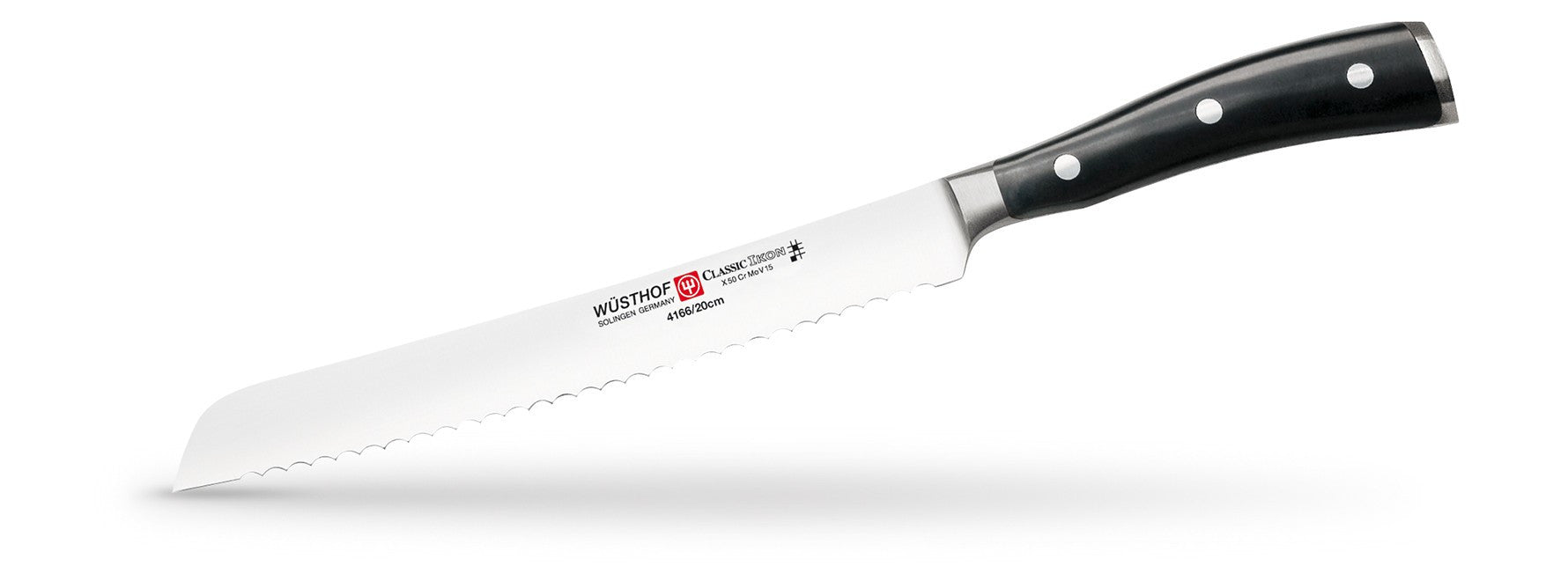
Wusthof Ikon 8" Bread Knife
Sale price170.00
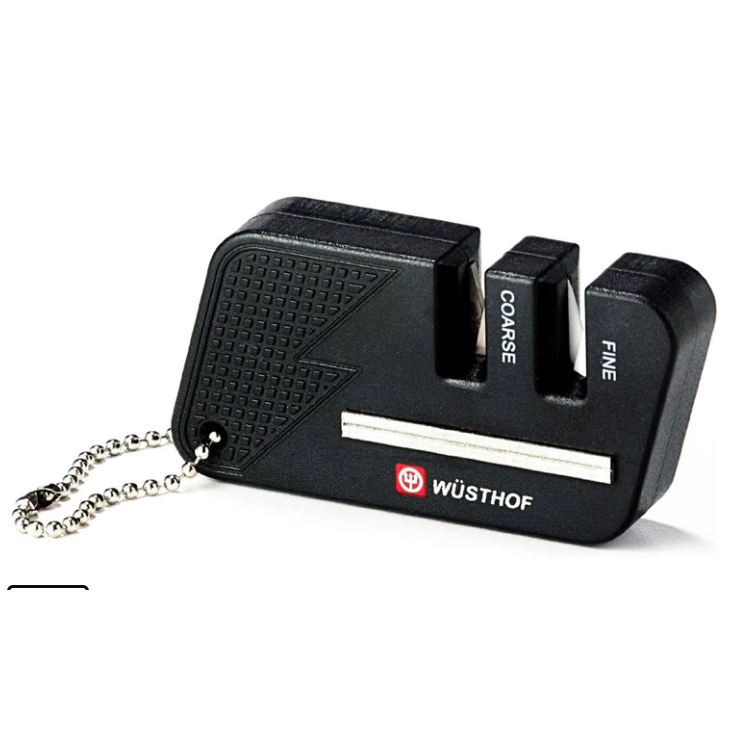
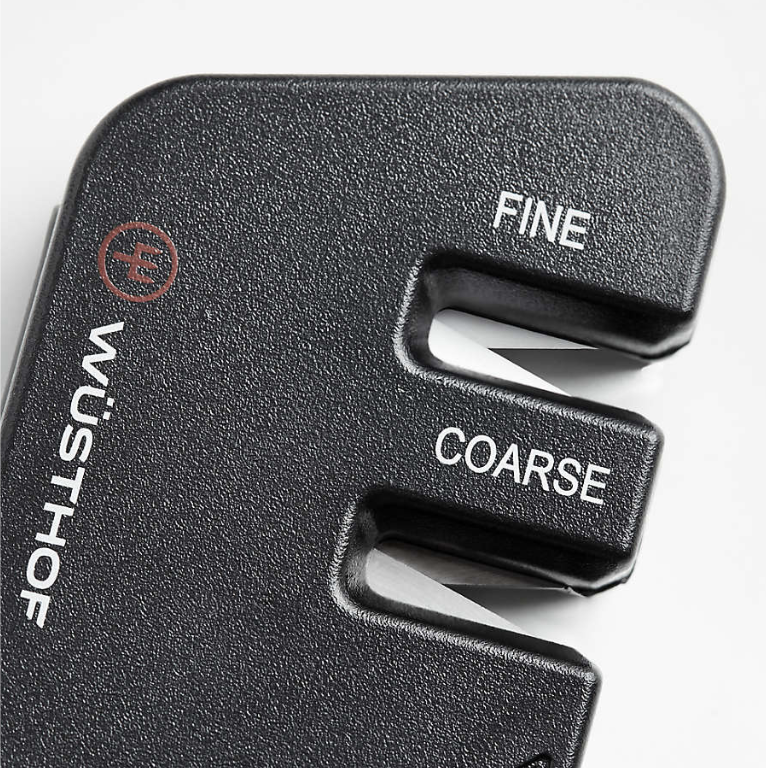
Wusthof Keychain Knife Sharpener
Sale price9.99
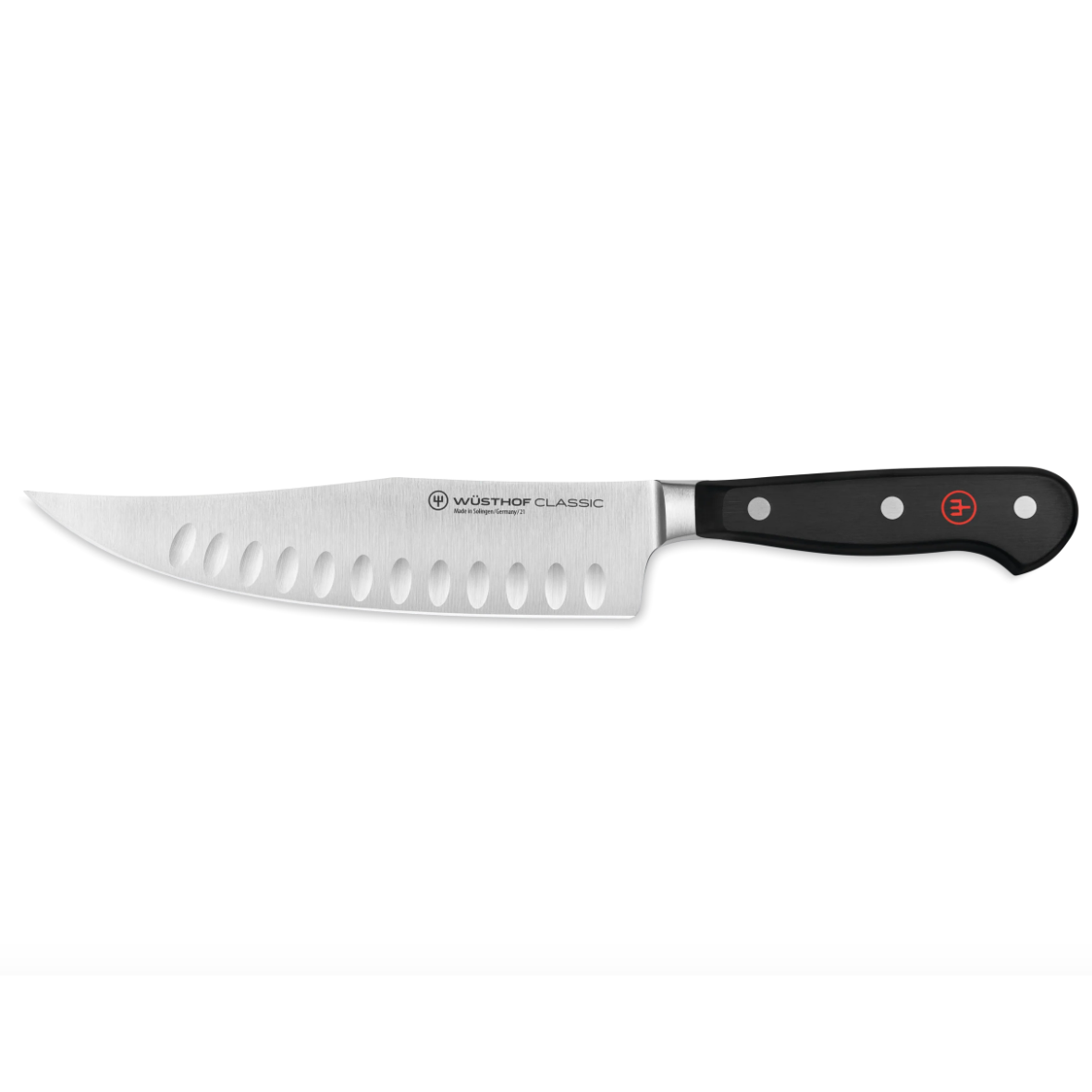
Wusthof Classic Hollow Edge Craftsman – 7"
Sale price169.95
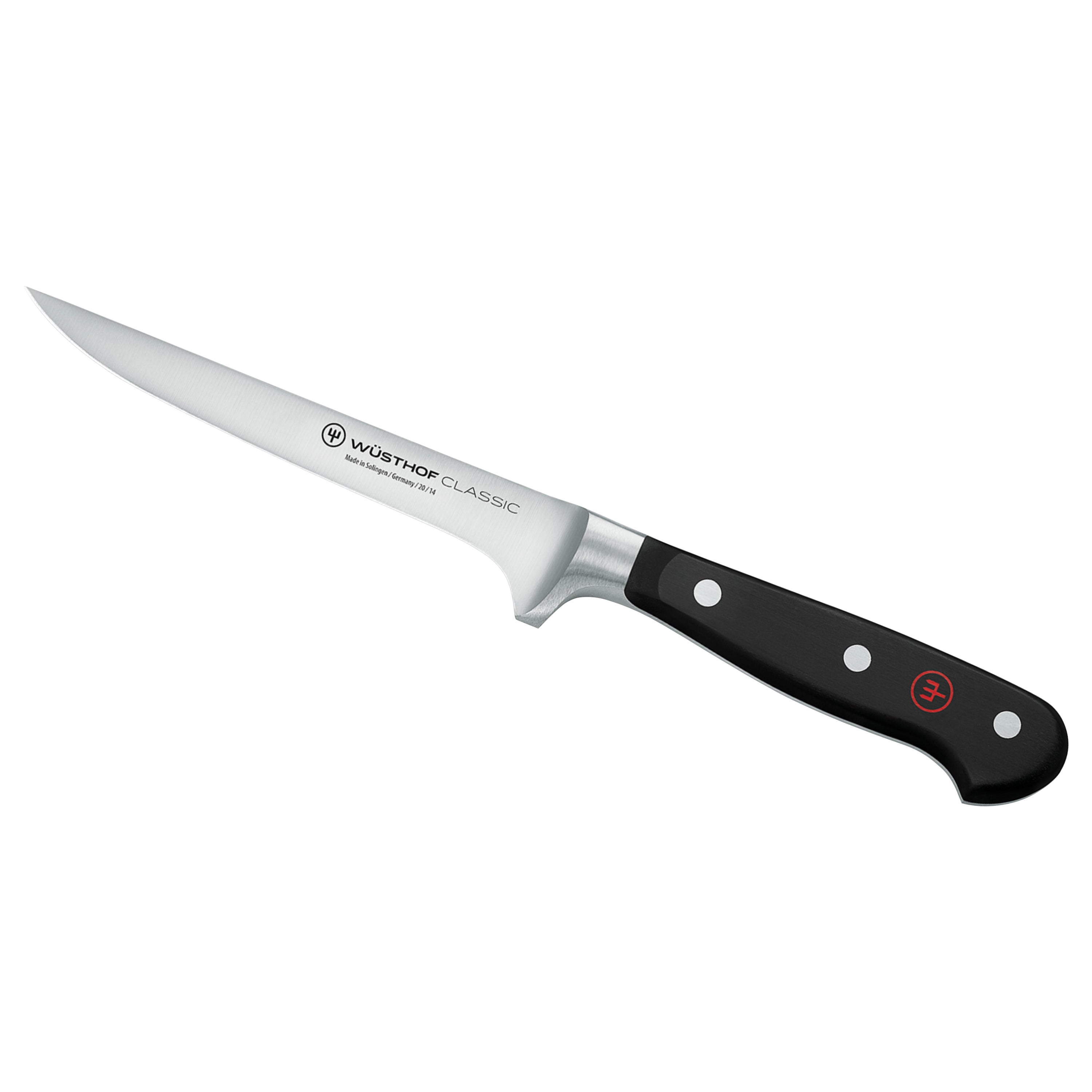
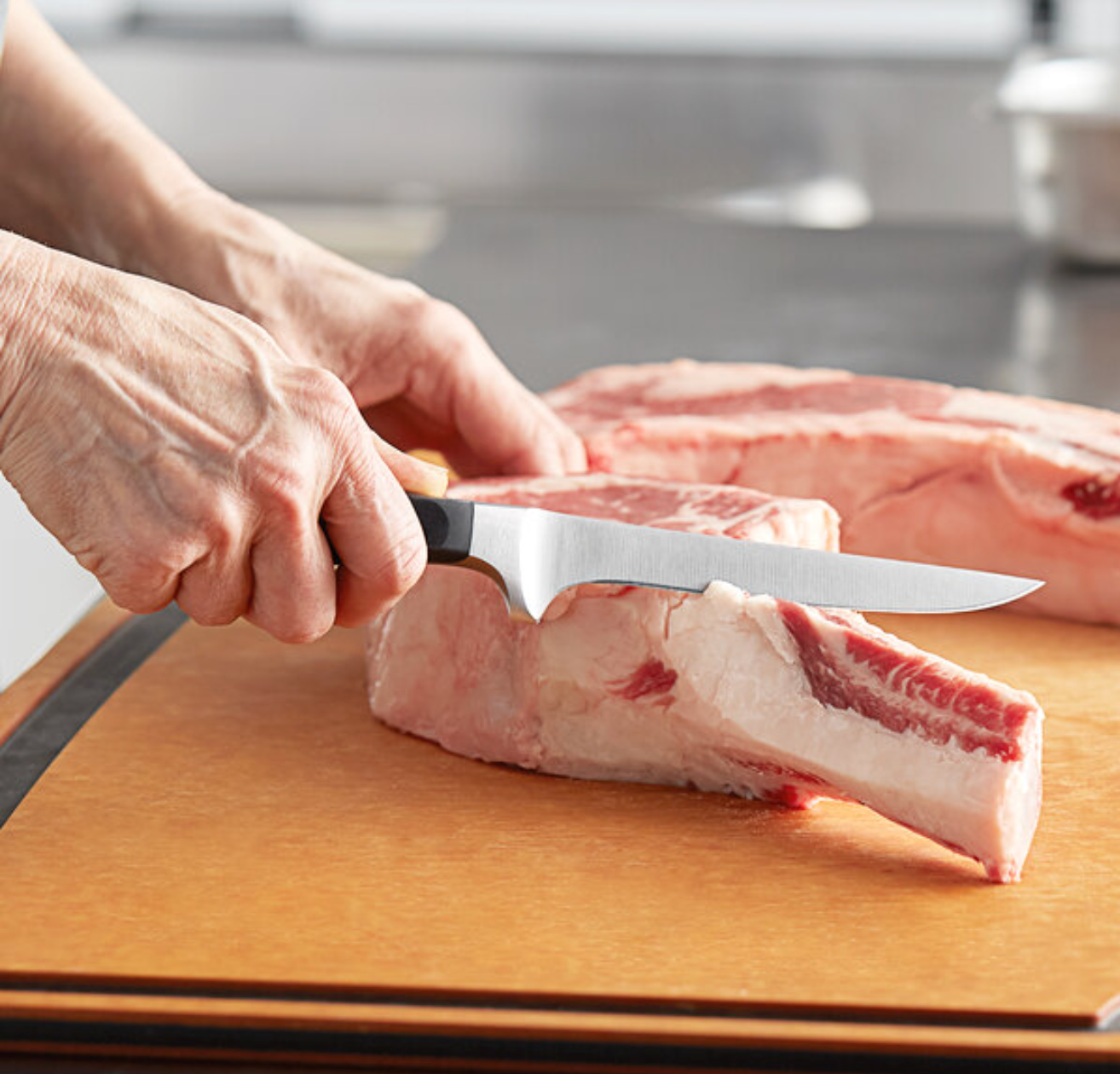
Wüsthof Classic Forged Boning Knife – 5-Inch – Black
Sale price115.00
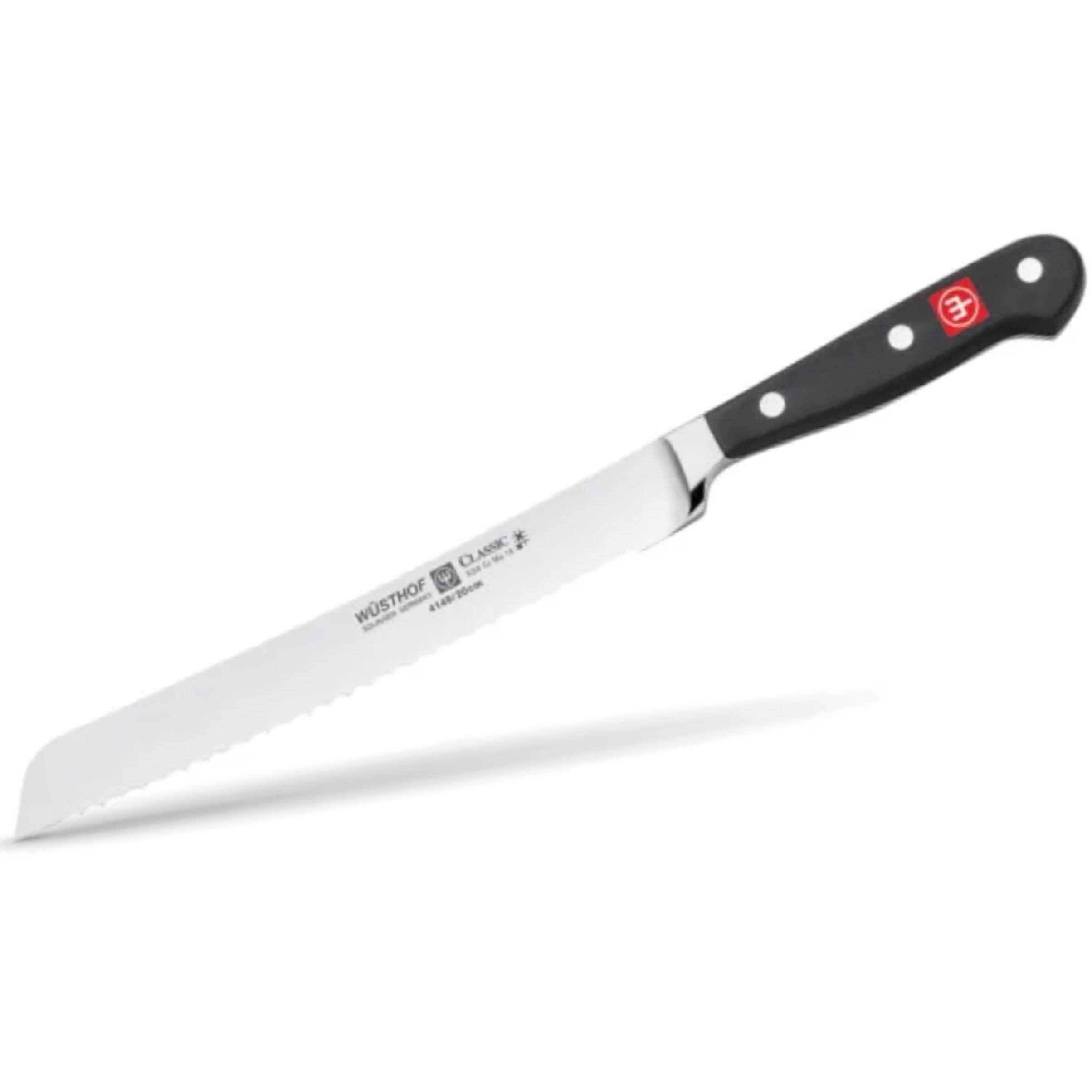
Wusthof Classic 8" Bread Knife - Serrated Edge – Full Tang – Forged
Sale price135.00
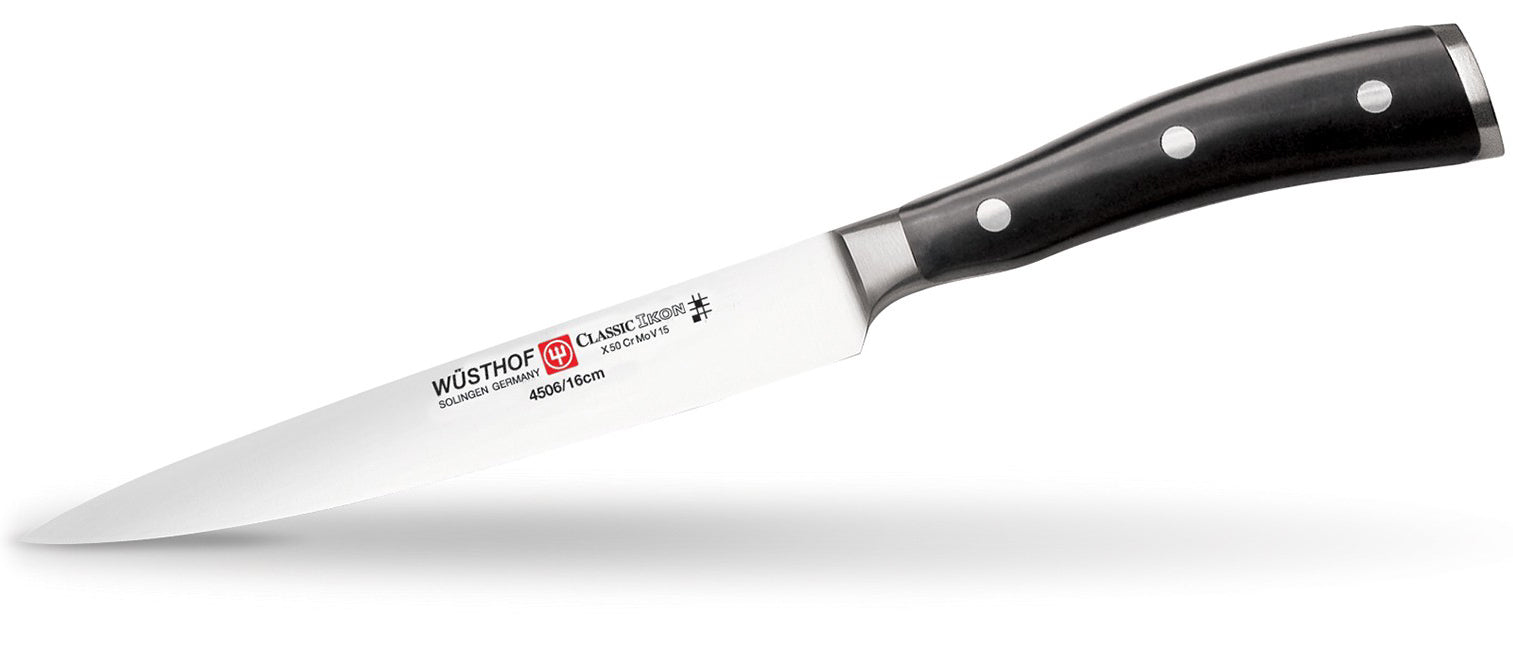
Wusthof Classic Ikon 6" Utility Knife
Sale price170.00
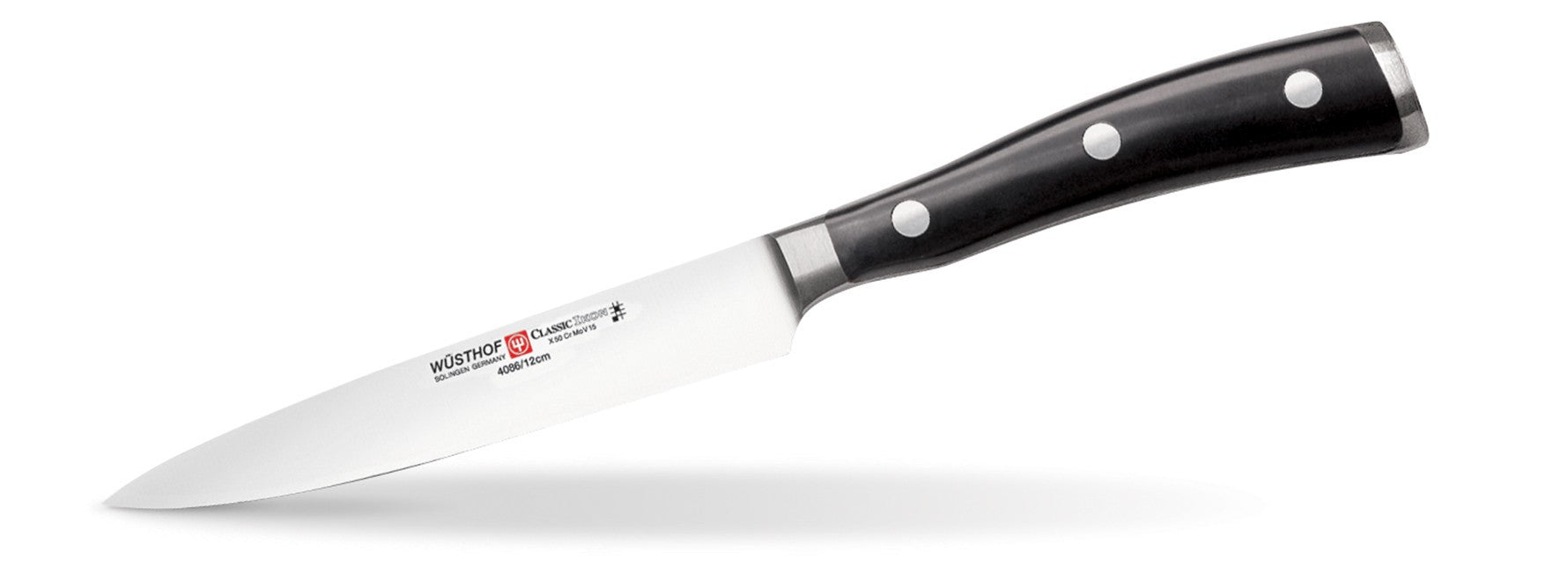
Wusthof Classic Ikon 4.5" Utility Knife
Sale price145.00
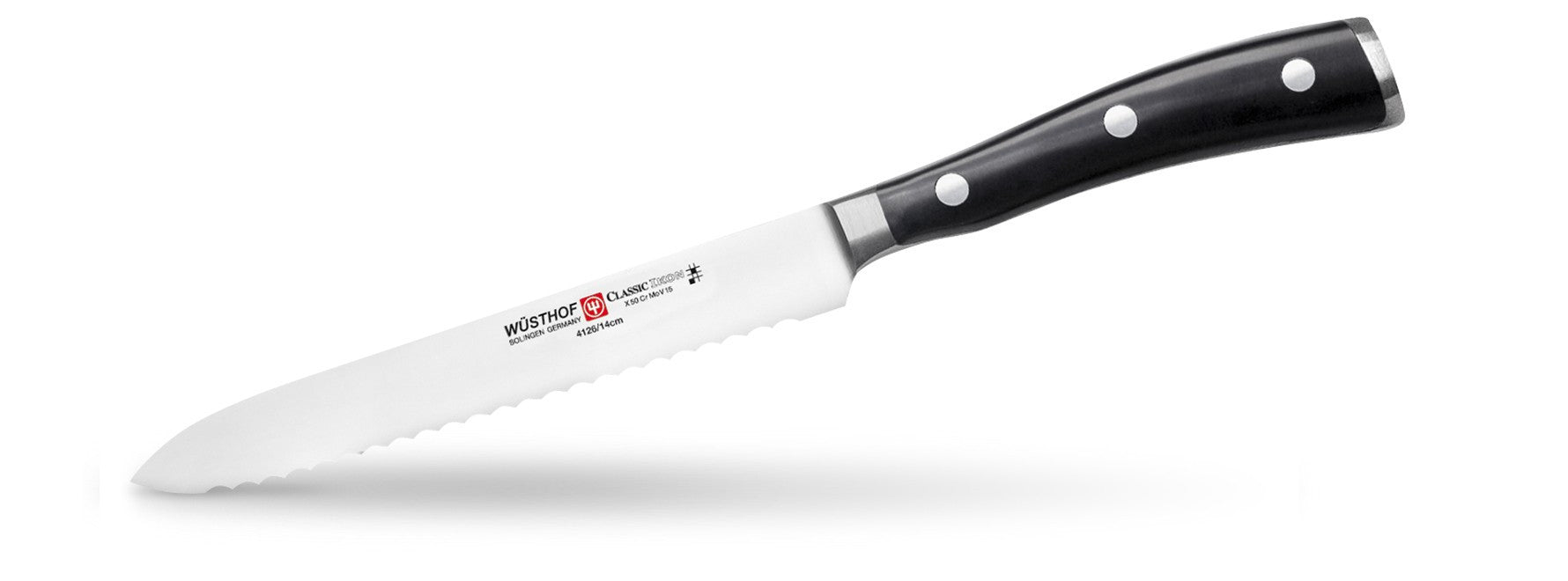
Wusthof Ikon 5" Tomato Knife
Sale price145.00
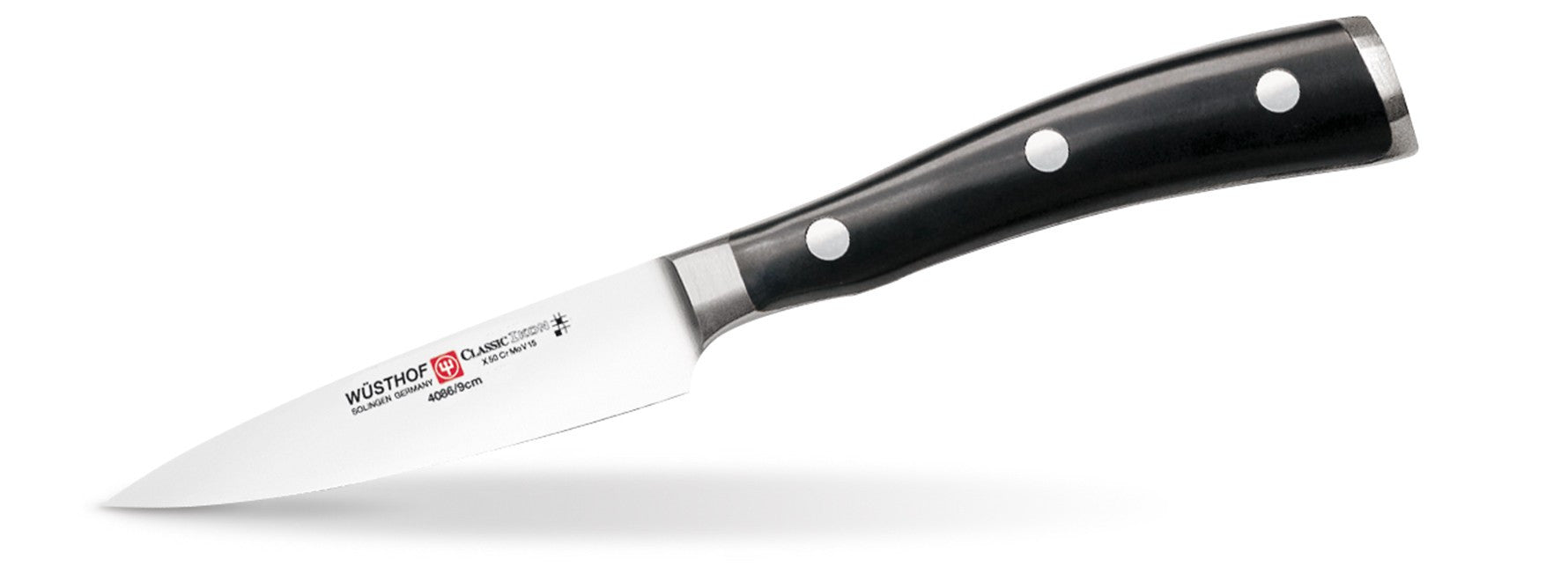
Wusthof Ikon 3.5" Paring Knife
Sale price115.00
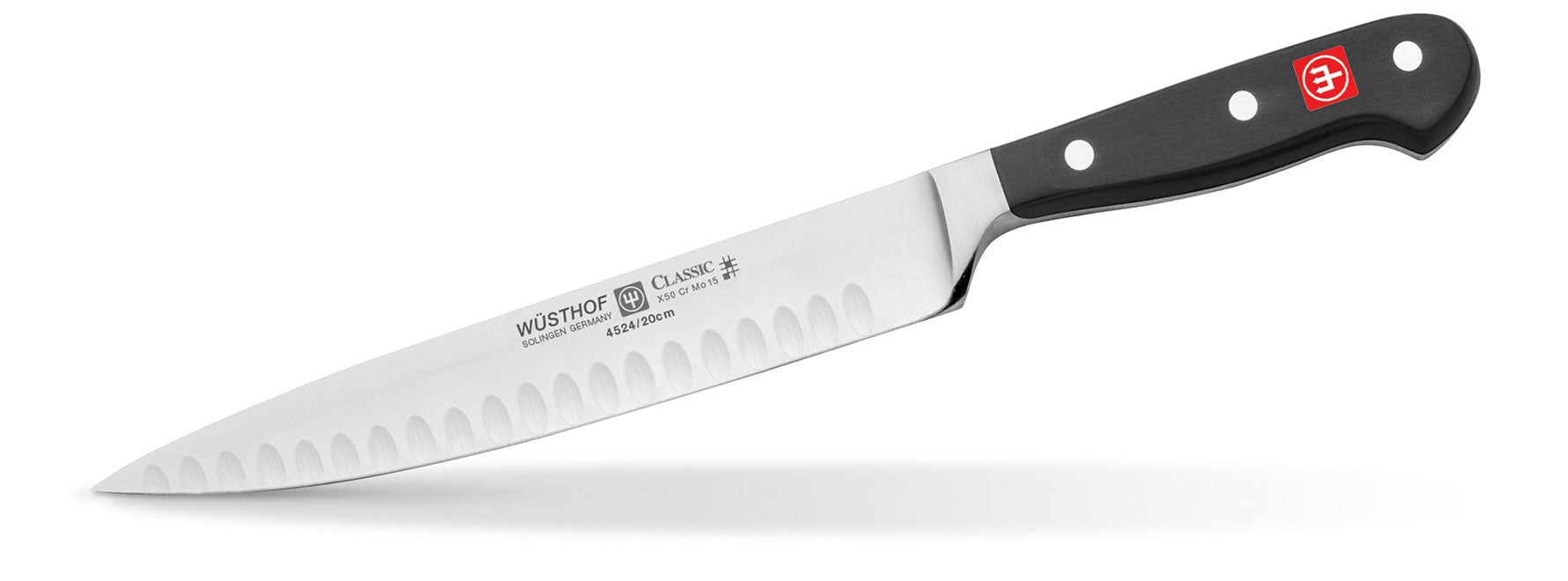
Wusthof Classic 8" Hollow Edge Carving Knife
Sale price179.95
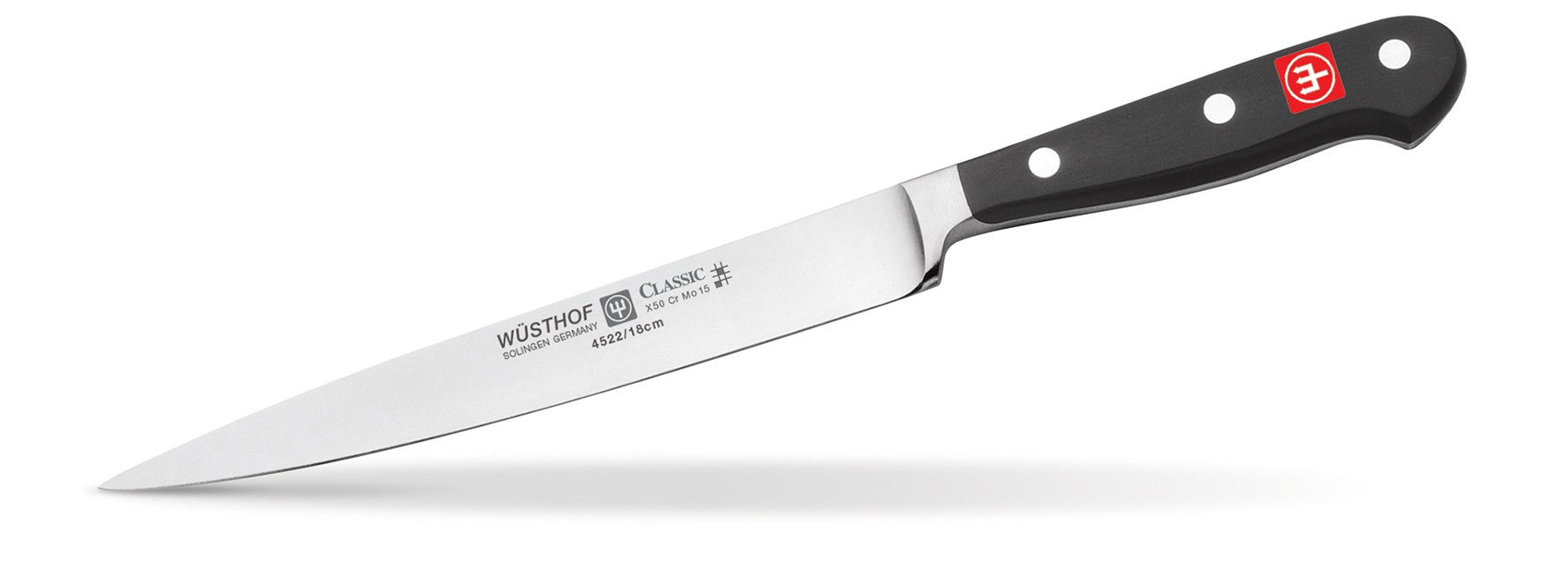
Wusthof Classic 6" Utility Knife
Sale price115.00

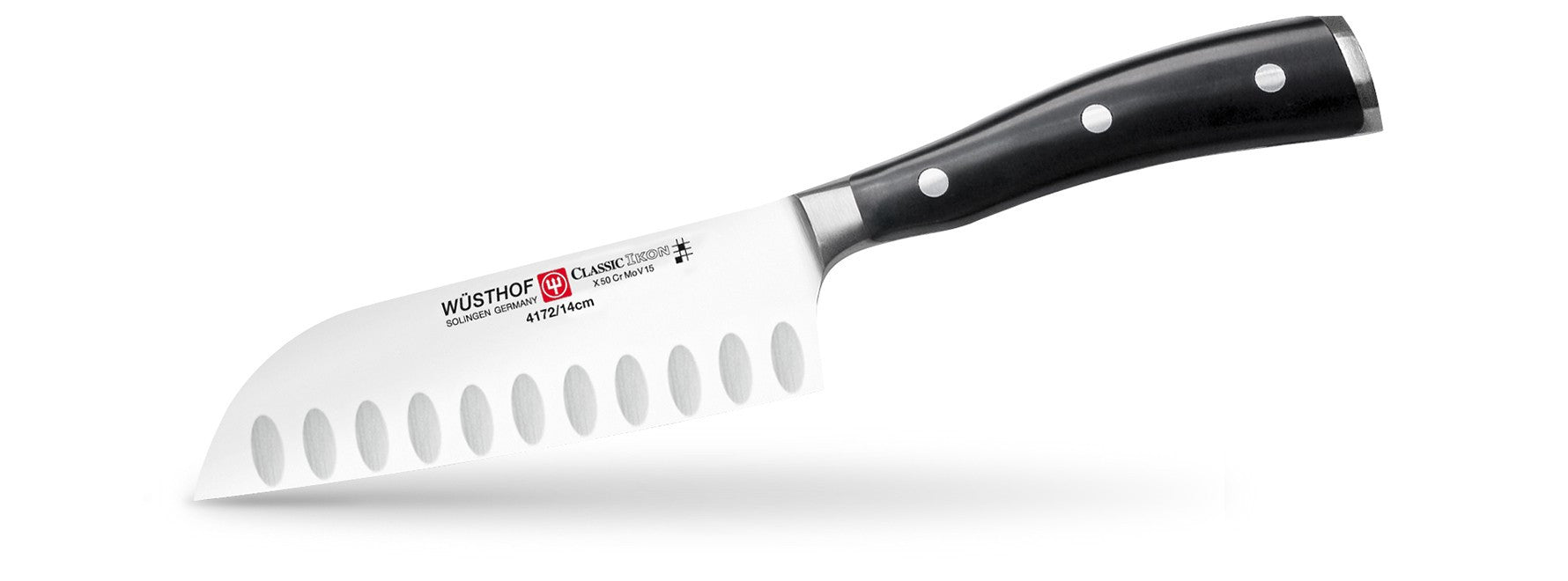
Wusthof Ikon 5" Hollow Edge Santoku Knife
Sale price170.00
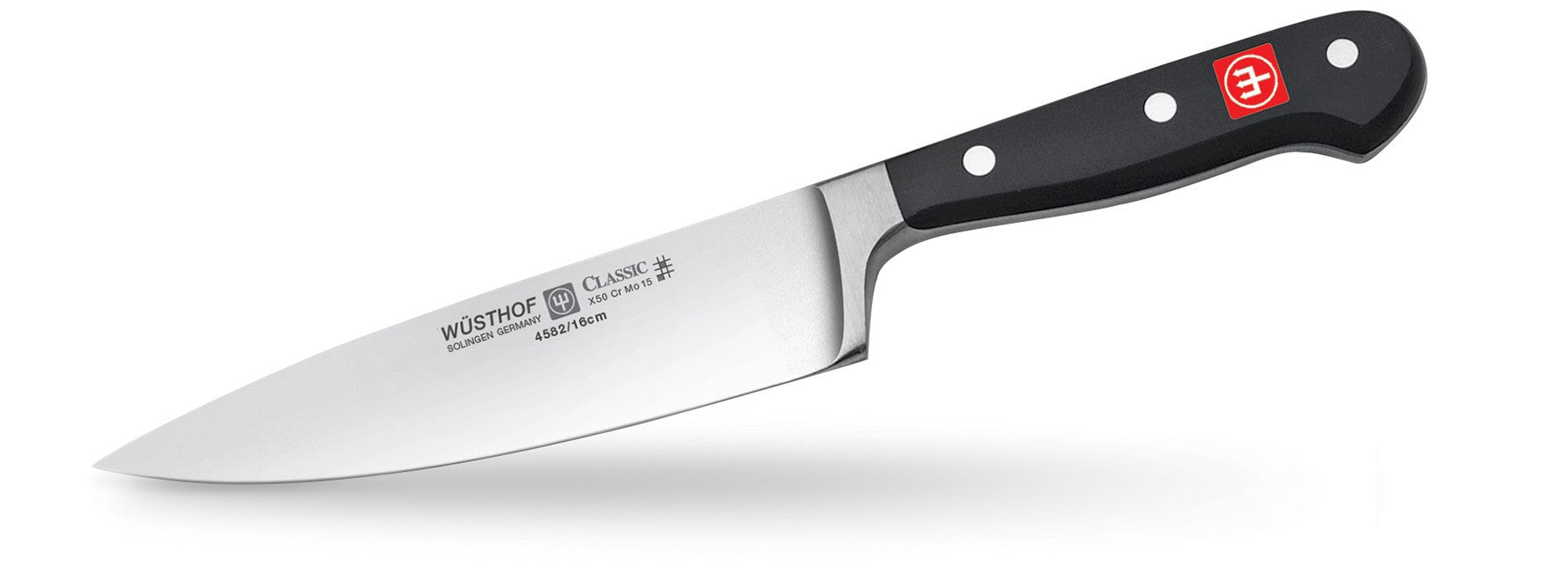
Wusthof Classic 6" Cook's Knife
Sale price135.00
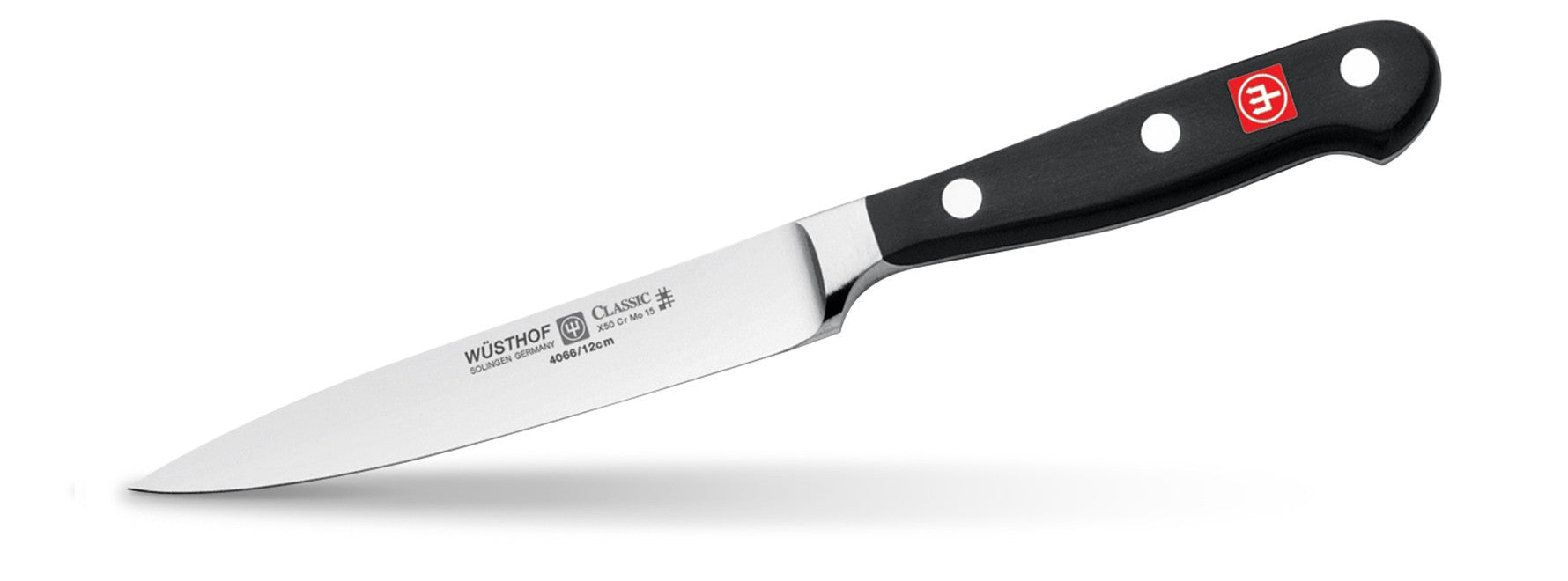
Wusthof Classic 4.5" Utility Knife
Sale price95.00
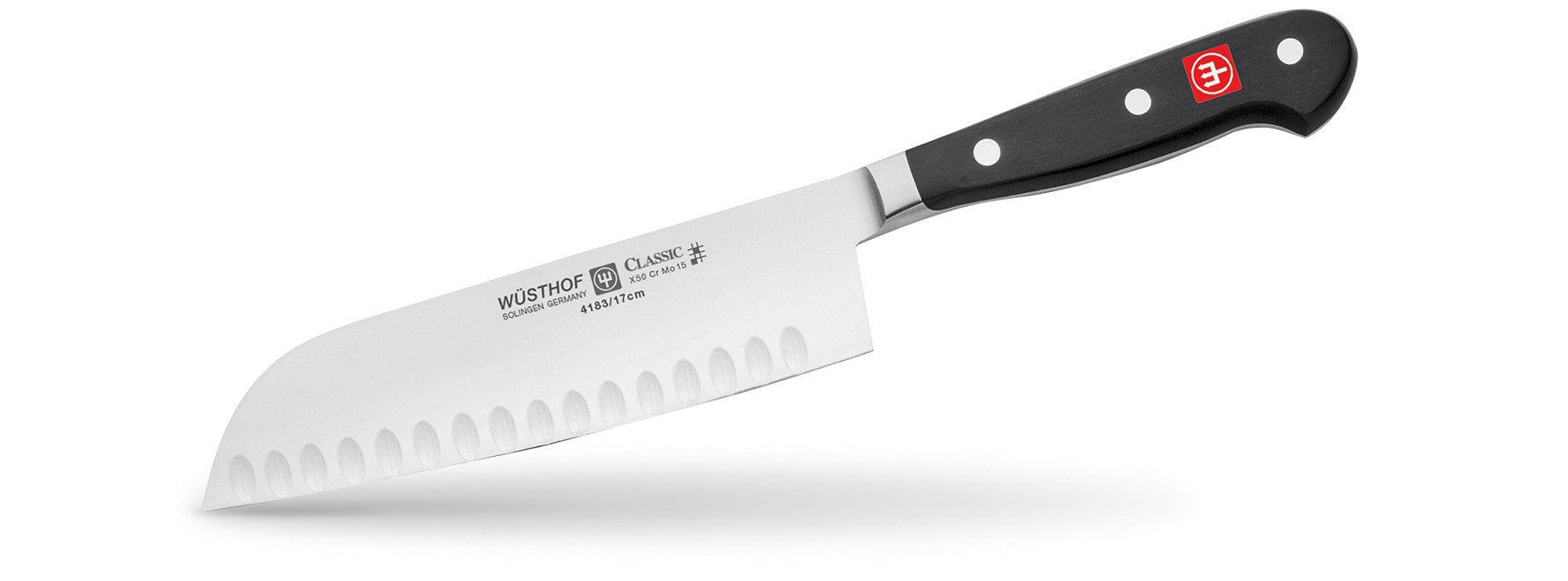
Wusthof Classic 7" Hollow Edge Santoku Knife
Sale price170.00
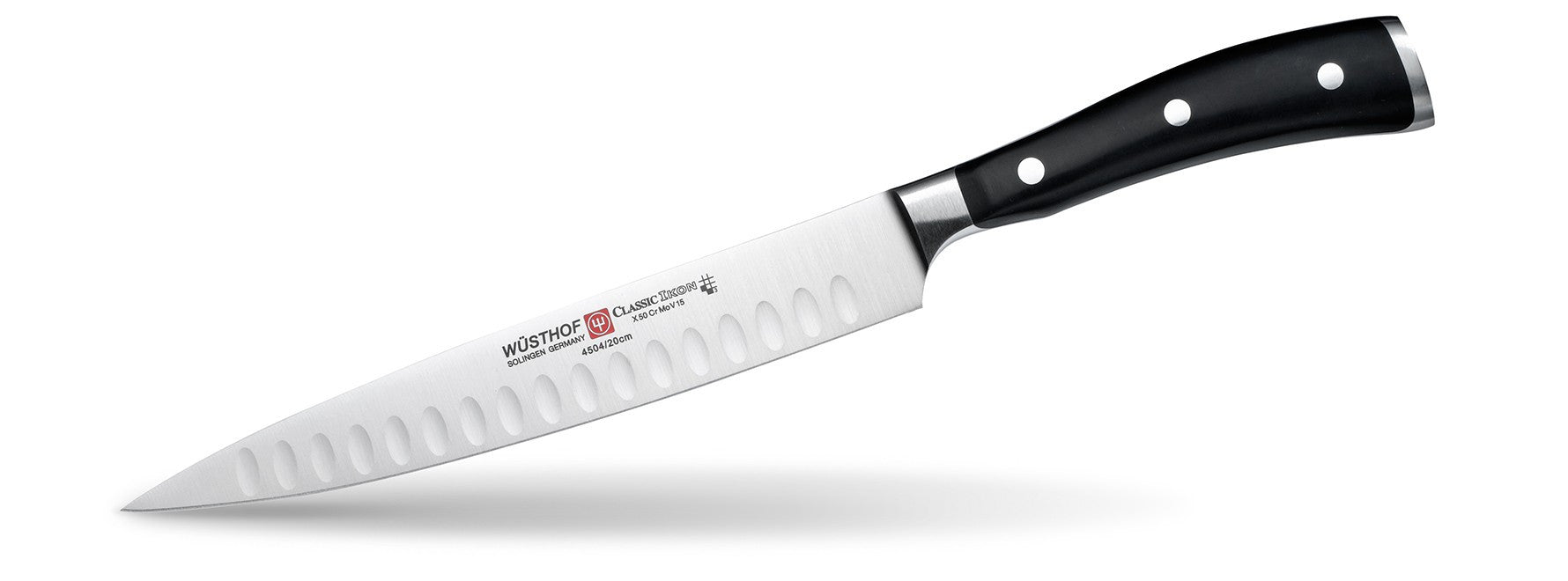
Wusthof Ikon 8" Hollow Edge Carving Knife
Sale price199.95
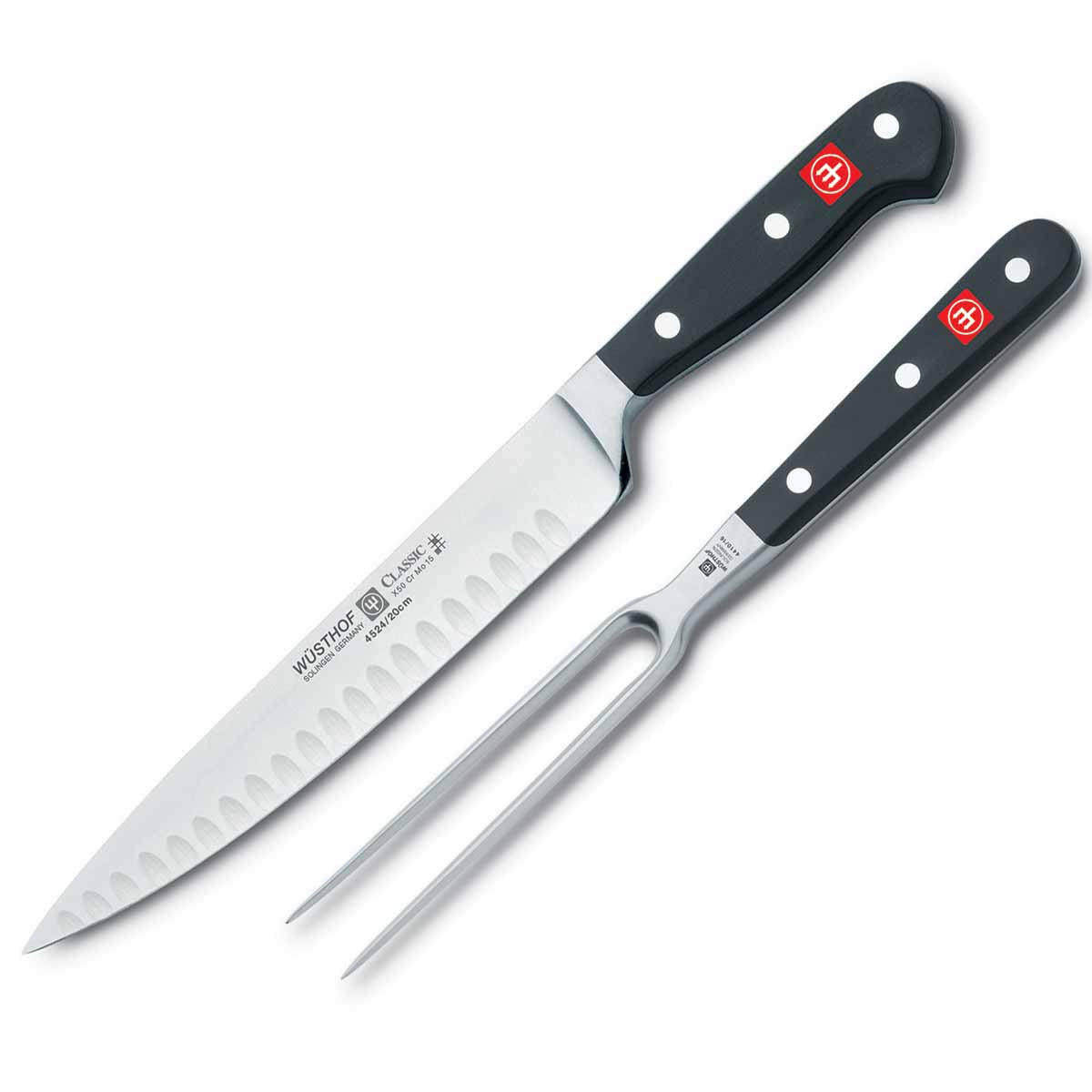
Wusthof Classic Two-Piece Carving Set
Sale price249.95
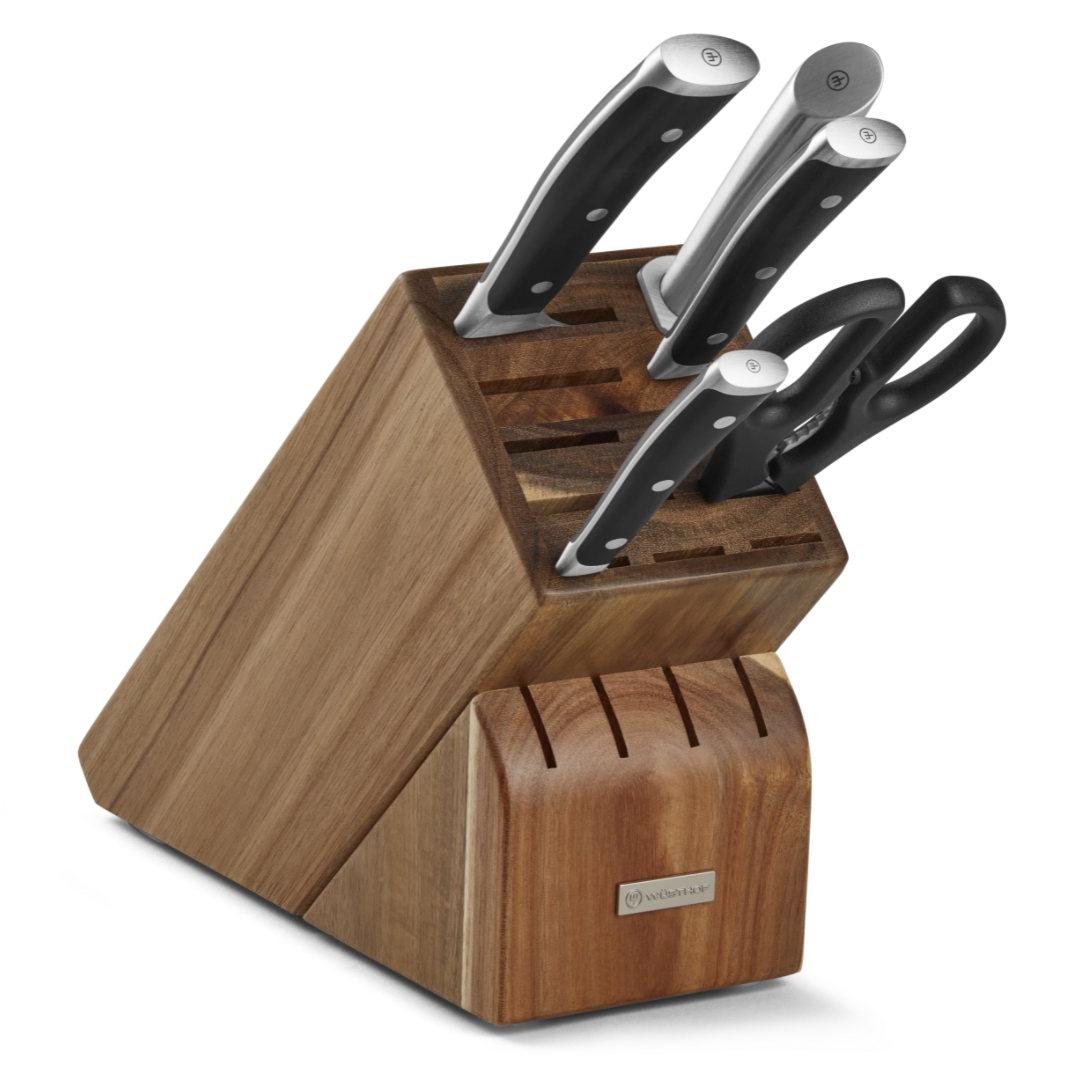
Wusthof Ikon – 6 Piece Knife Block Set
Sale price550.00
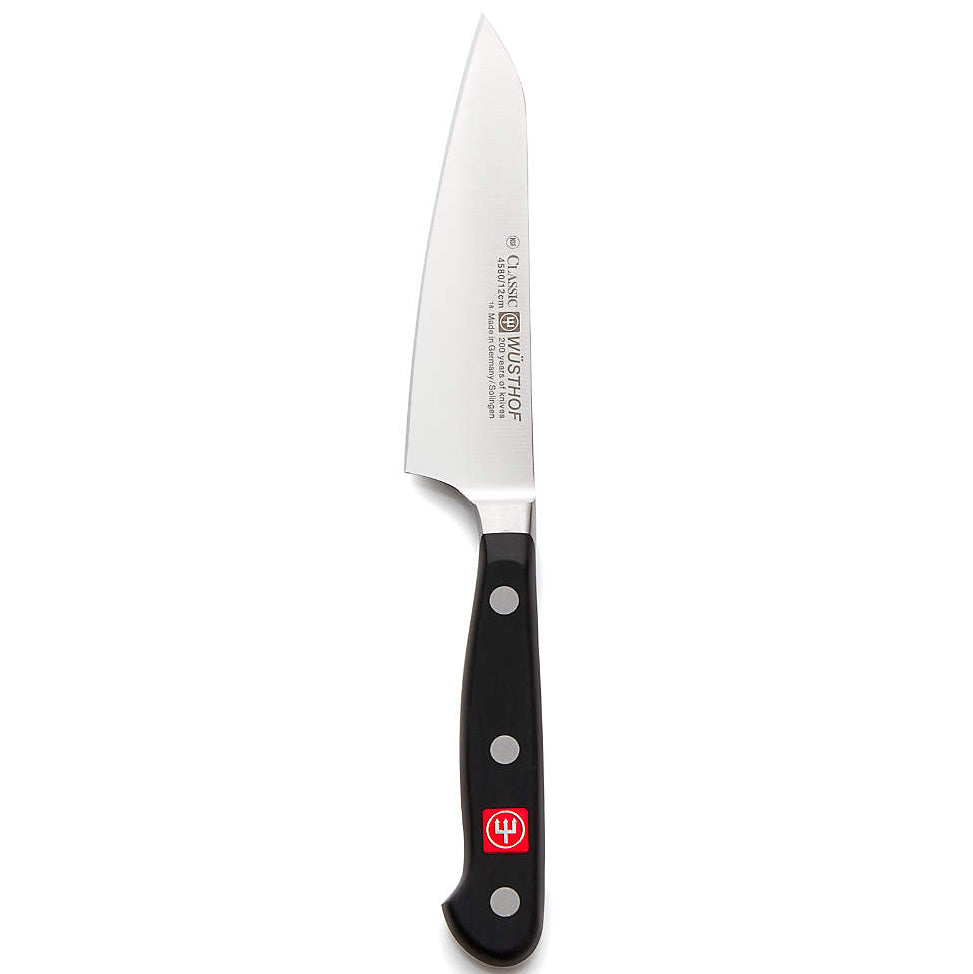
Wusthof Classic 4.5" Asian Utility Knife
Sale price115.00
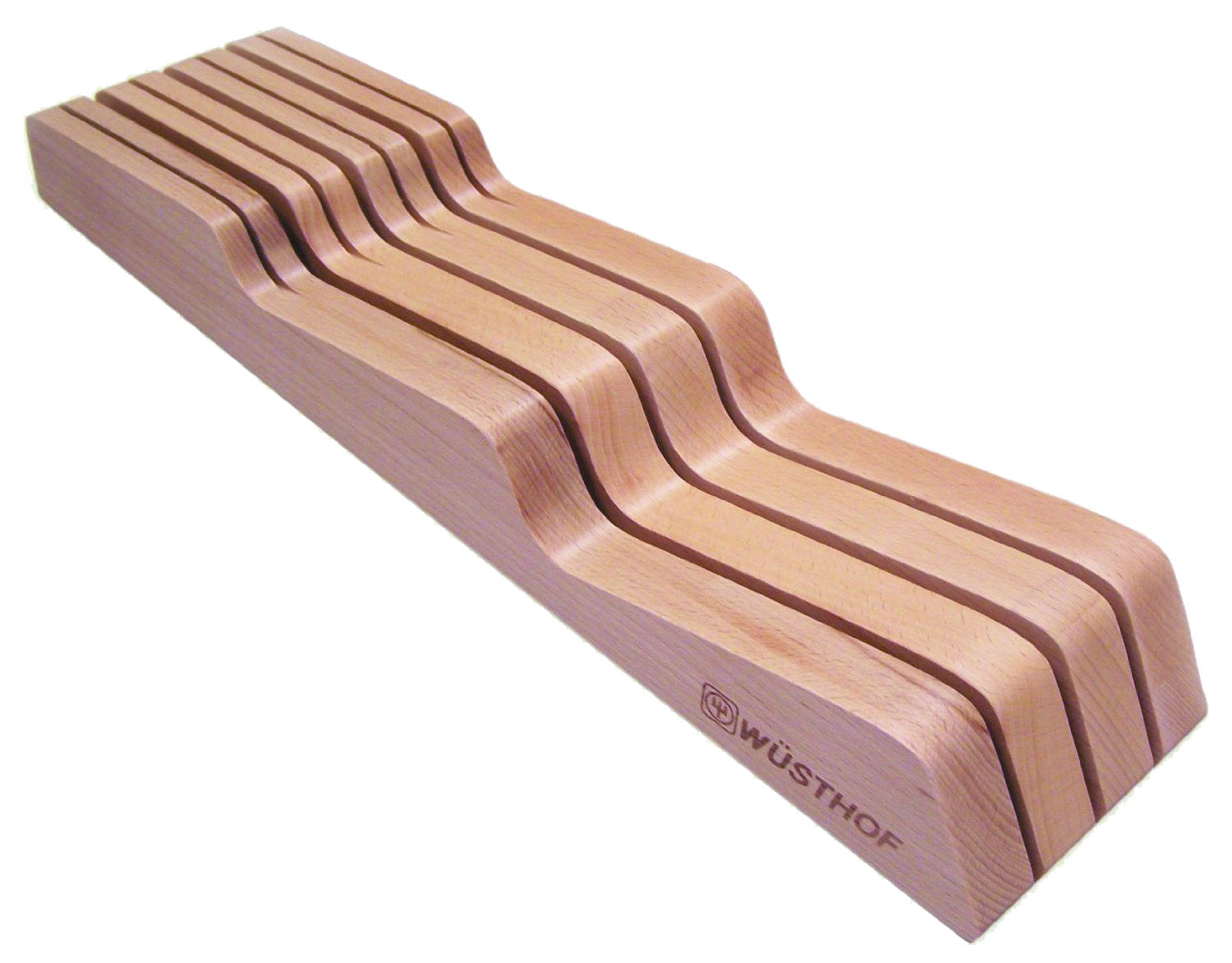
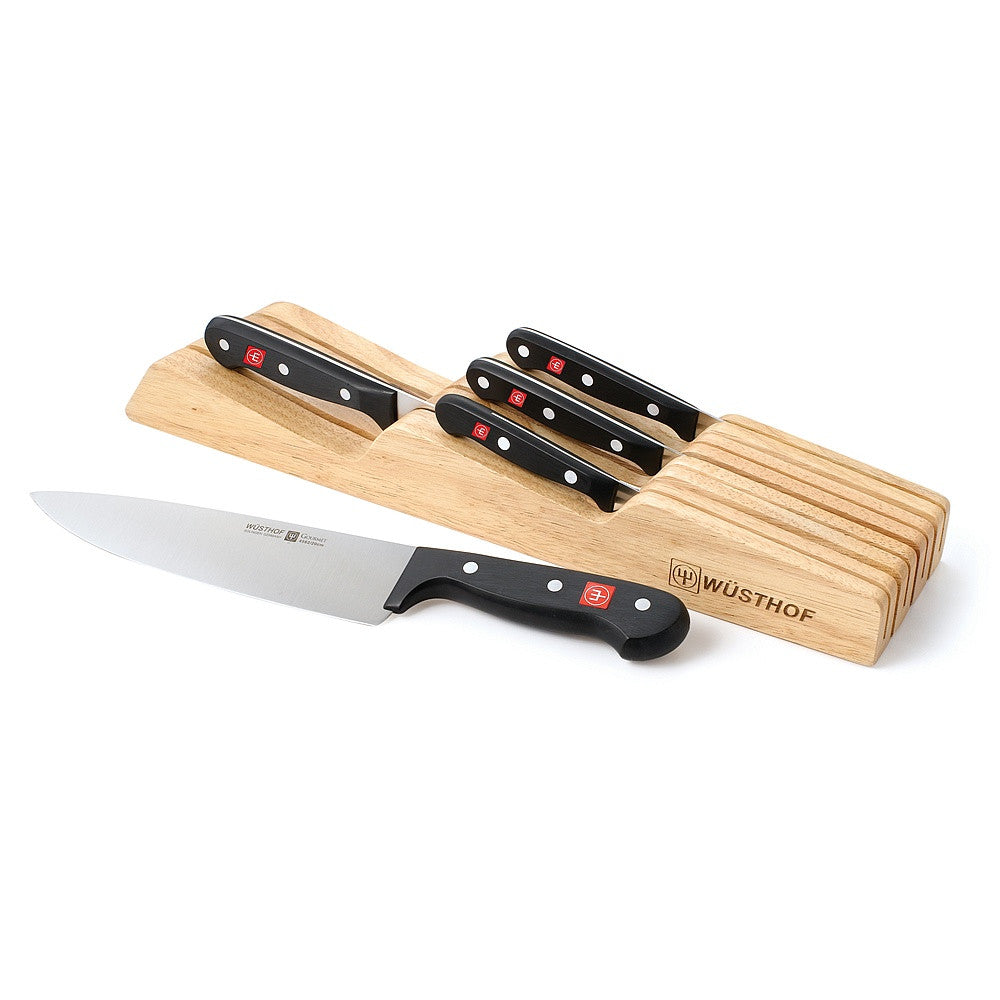
Wusthof In-Drawer 7-Slot Knife Organizer
Sale price44.95
Recently viewed
Frequently Asked Questions
The difference between the Wüsthof Classic and Classic Ikon lines is the handle and bolster, not the blade, since both are forged, high-carbon stainless blades tempered to 58 HRC. Classic has a straight, triple-riveted synthetic handle and a full bolster, the raised collar that guards your fingers. Classic Ikon has a contoured synthetic handle and a double-bolster design. Its front bolster is a half bolster, which lets you sharpen the full length of the blade more easily. Choose Classic for the traditional straight handle and finger guard, Classic Ikon for a grip that fills the hand.
Start with three knives, a chef's knife, a paring knife, and a serrated bread knife. The chef's knife does most of the work, so buy it first if you buy only one. The paring knife handles small in-hand jobs like peeling, and the bread knife cuts crust or skin without crushing what is underneath. Our knives collection shows every shape we carry if you want to build a wider bench.
The difference between a Wüsthof chef's knife and a santoku is the blade shape and cutting motion. A chef's knife has a curved belly, so it rocks through herbs and slices in a sweeping motion. A santoku has a straighter edge suited to a straight up-and-down cut. Wüsthof grinds its standard blades to about 14 degrees per side and its Asian-style santoku to a finer 10 degrees. Several santoku here have a hollow edge, the row of dimples whose air pockets help keep slices from sticking.
Whether a knife set or individual knives is the better buy depends on how many knives you use. Open-stock knives let you spend on the two or three you reach for daily and skip the rest, which is best if you already own knives you like. A block set can offer better bundled value if you will use most of the included pieces, and it arrives matched in its own block, the simpler choice for a first kitchen or a gift. A set often includes non-knife pieces like a block, honing steel, and shears. The collection includes both Classic and Classic Ikon block sets.
The Classic and Classic Ikon knives here cost more because they are fully forged, not stamped. Each blade is forged from a single bar of high-carbon stainless steel and tempered to 58 HRC to hold its edge well. The steel runs the full length of the handle as one piece, a full tang, triple-riveted for secure, durable handle construction and balance. These lines are made in Solingen, Germany, and backed by Wüsthof's lifetime warranty against defects.
Wüsthof knives are made in Solingen, Germany, a city known for blade-making for centuries. Wüsthof is a seventh-generation family business that has made knives there for more than 200 years. Every forged knife in this collection, both Classic and Classic Ikon, is made in Solingen.
To tell if a Wüsthof knife is genuine, buy from a reputable seller and compare the knife against Wüsthof's official product information. A real Wüsthof carries the Trident logo and the Wüsthof name, and current Wüsthof blades are etched with the production year, sometimes followed by the blade length in centimeters. Rather than rely on markings alone, since counterfeits can copy a logo, check the branding, construction, packaging, and origin against the brand's listing. We have run our New York shop since 1929, sell only genuine Wüsthof, and sharpen it in store.
The Wüsthof limited lifetime warranty covers defects in materials and workmanship under normal use for the lifetime of the initial purchaser, or the initial consumer recipient if the knife was a gift. If Wüsthof determines that a product qualifies, it provides the remedy specified under its current warranty policy. It does not cover normal wear, a dull edge, rust from being left wet, or chips from cutting bone or frozen food, since those come from use rather than a defect. Coverage applies to the initial purchaser or, if the knife was a gift, its initial consumer recipient.
Hone it regularly and sharpen it as needed. Honing with a steel realigns the edge in seconds, so use it before or after each session. When you sharpen, hold the factory angle of about 14 degrees per side for standard blades, or 10 degrees per side for the Asian-style santoku. Hand-wash and dry rather than using the dishwasher, which dulls the edge. For eligible straight-edge knives, our in-store sharpening service can restore the edge for you.