
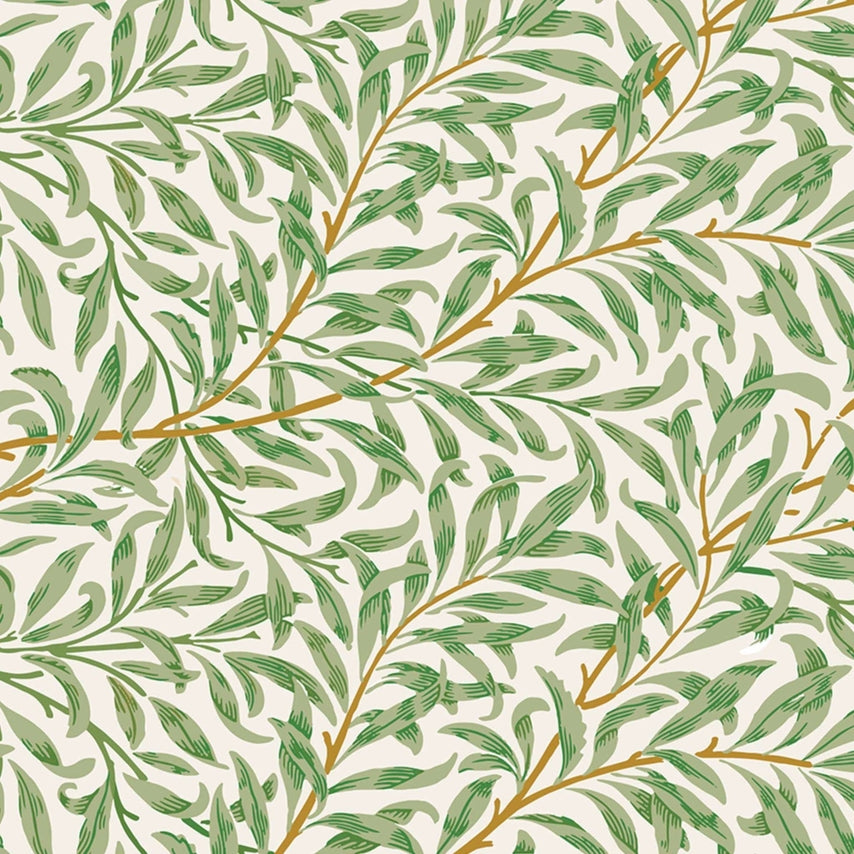
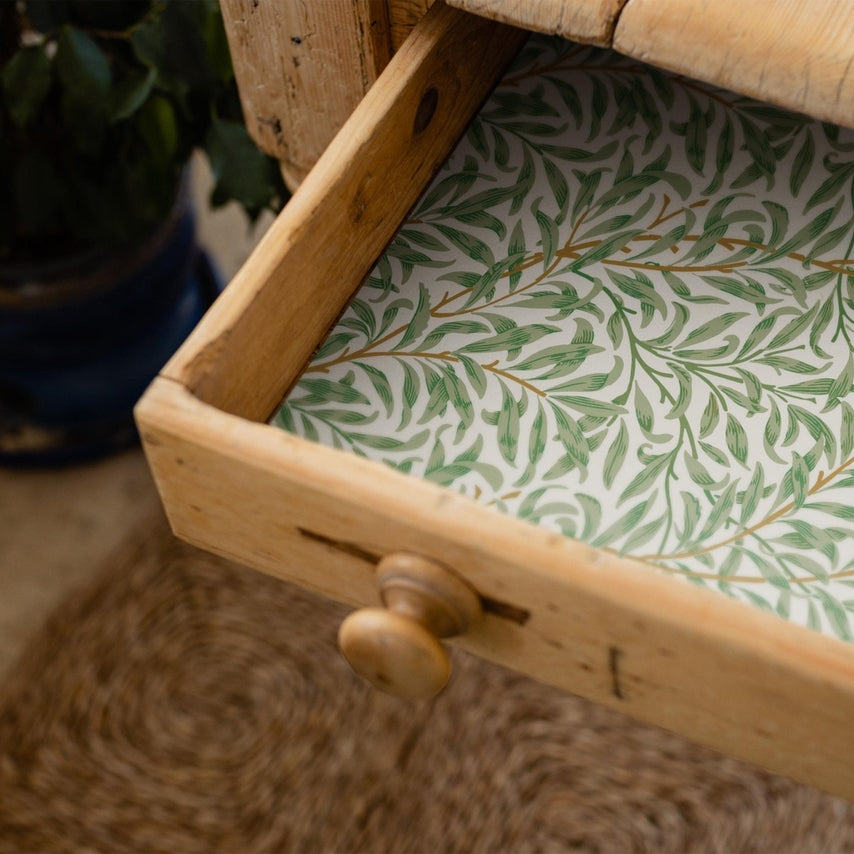


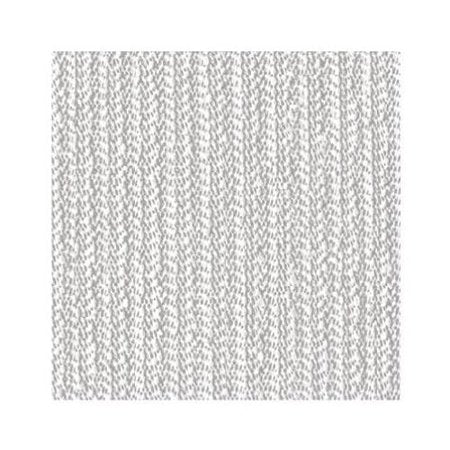
Magic Cover Soft Grip Shelf Liner – 18" x 5'
Sale price7.99

Plastic Ribbed Shelf Liner - 20ft x 12"
Sale price19.99
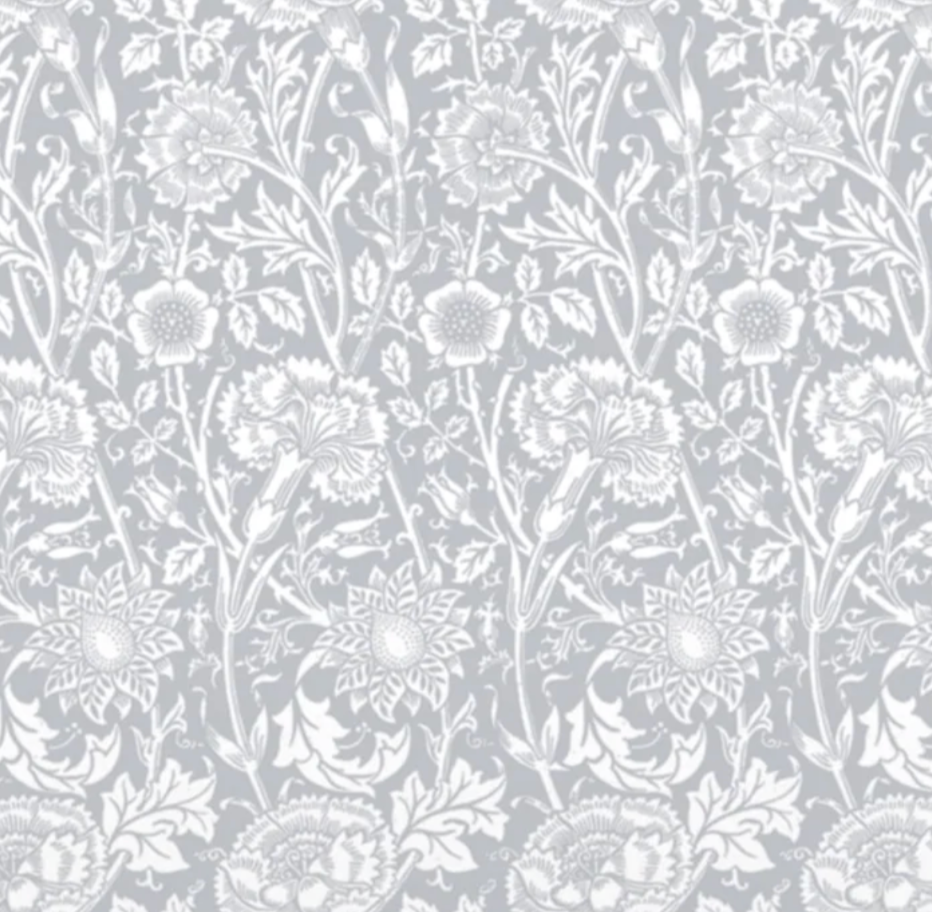
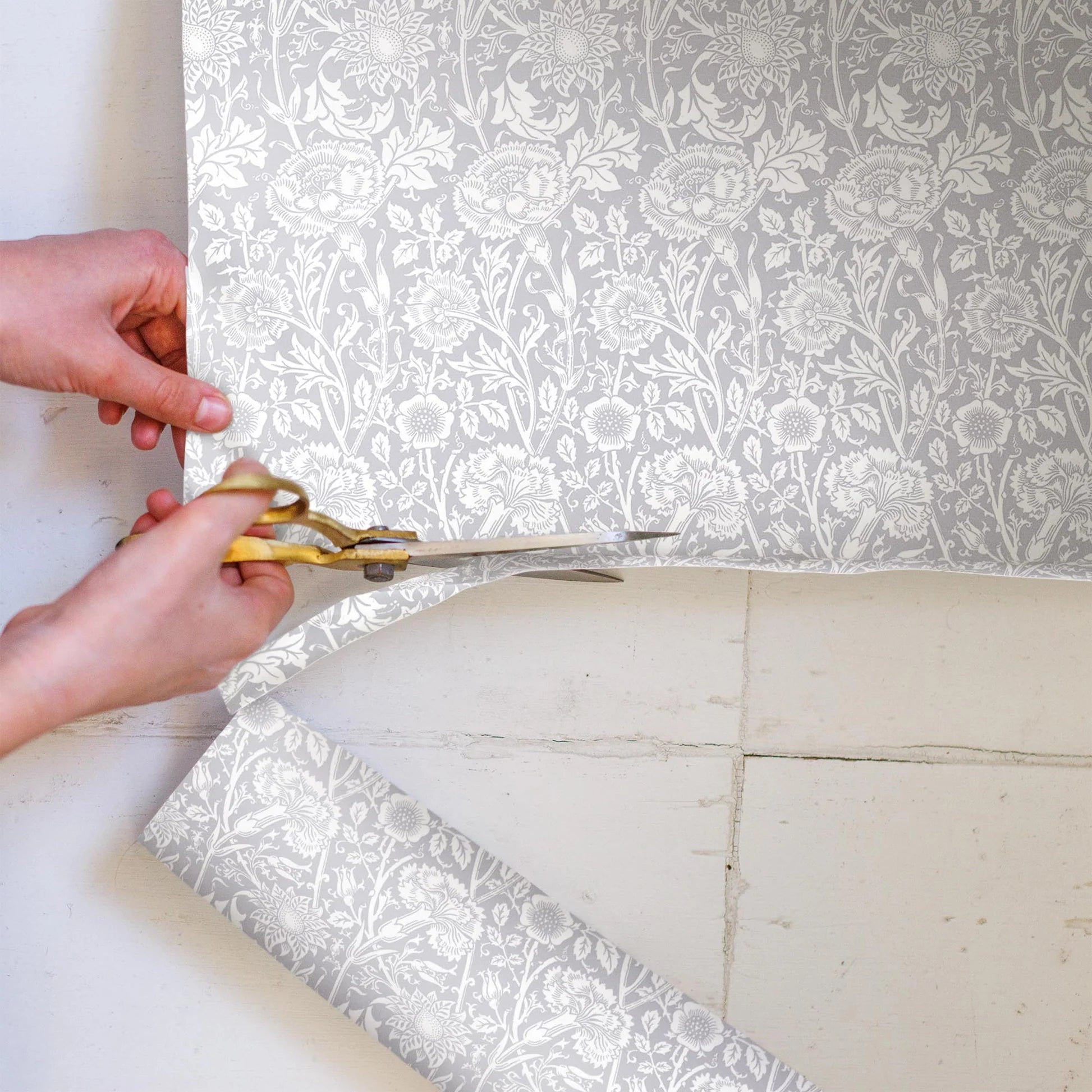

Plastic Ribbed Shelf Liner - 24" x 10 ft
Sale price14.99
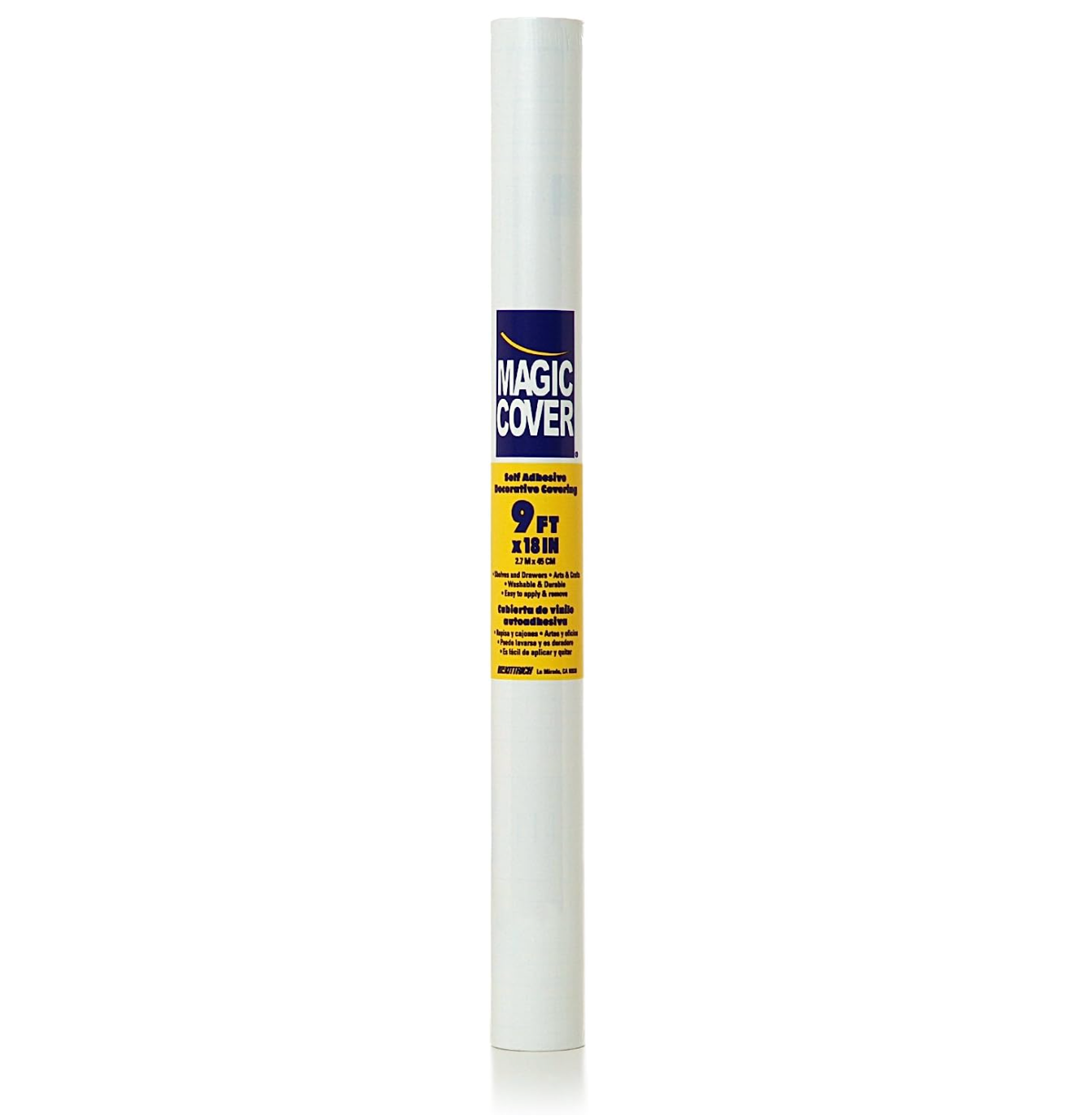
Magic Cover Adhesive Shelf Liner – White, 18" x 9ft
Sale price6.99
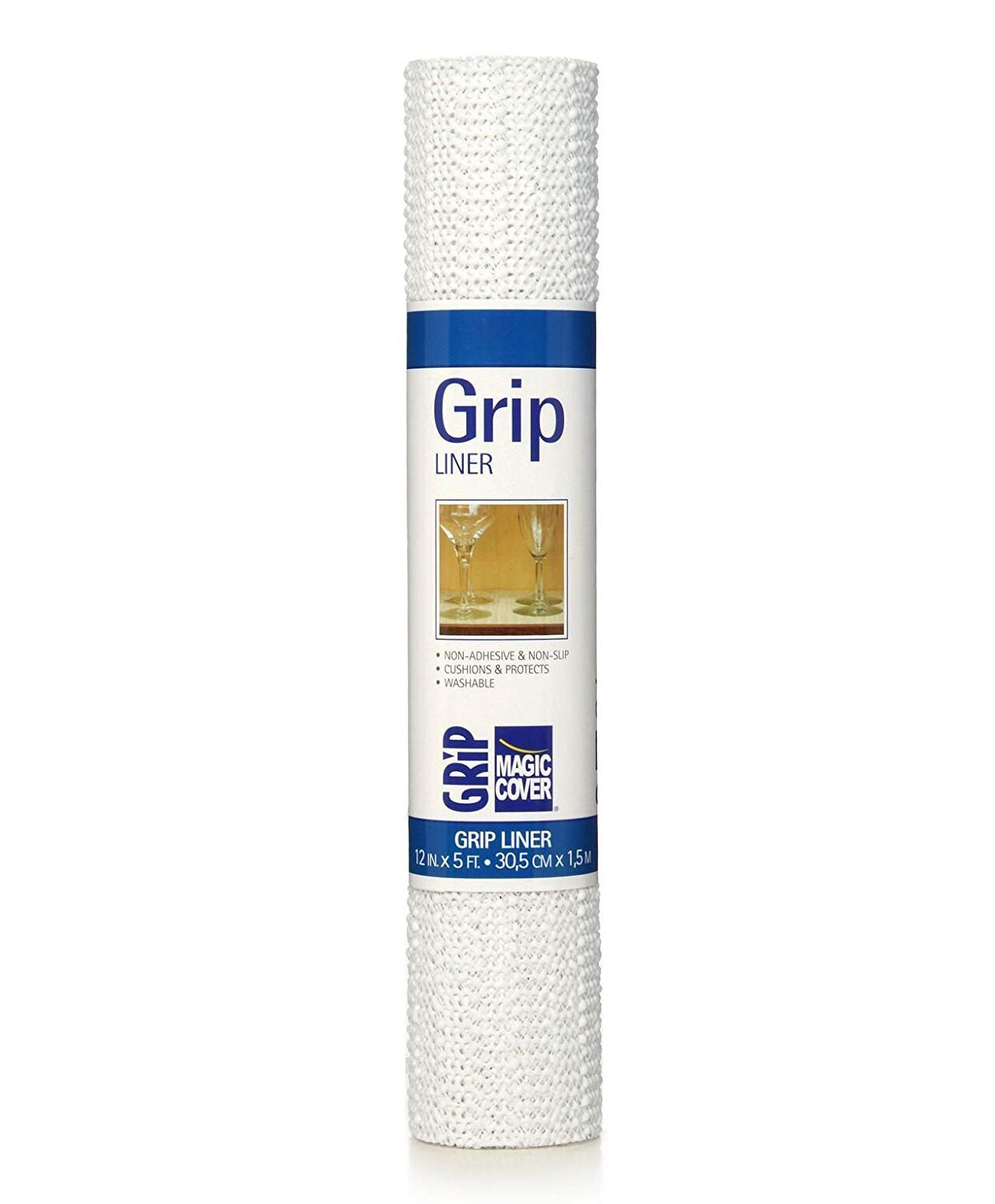
Magic Cover Soft Grip Shelf Liner – 12" x 5'
Sale price4.99

Magic Cover Soft Shelf Liner – 18" x 4'
Sale price12.99

Magic Cover Vinyl Top Non-Adhesive Shelf Liner – 12" x 5 ft
Sale price6.99
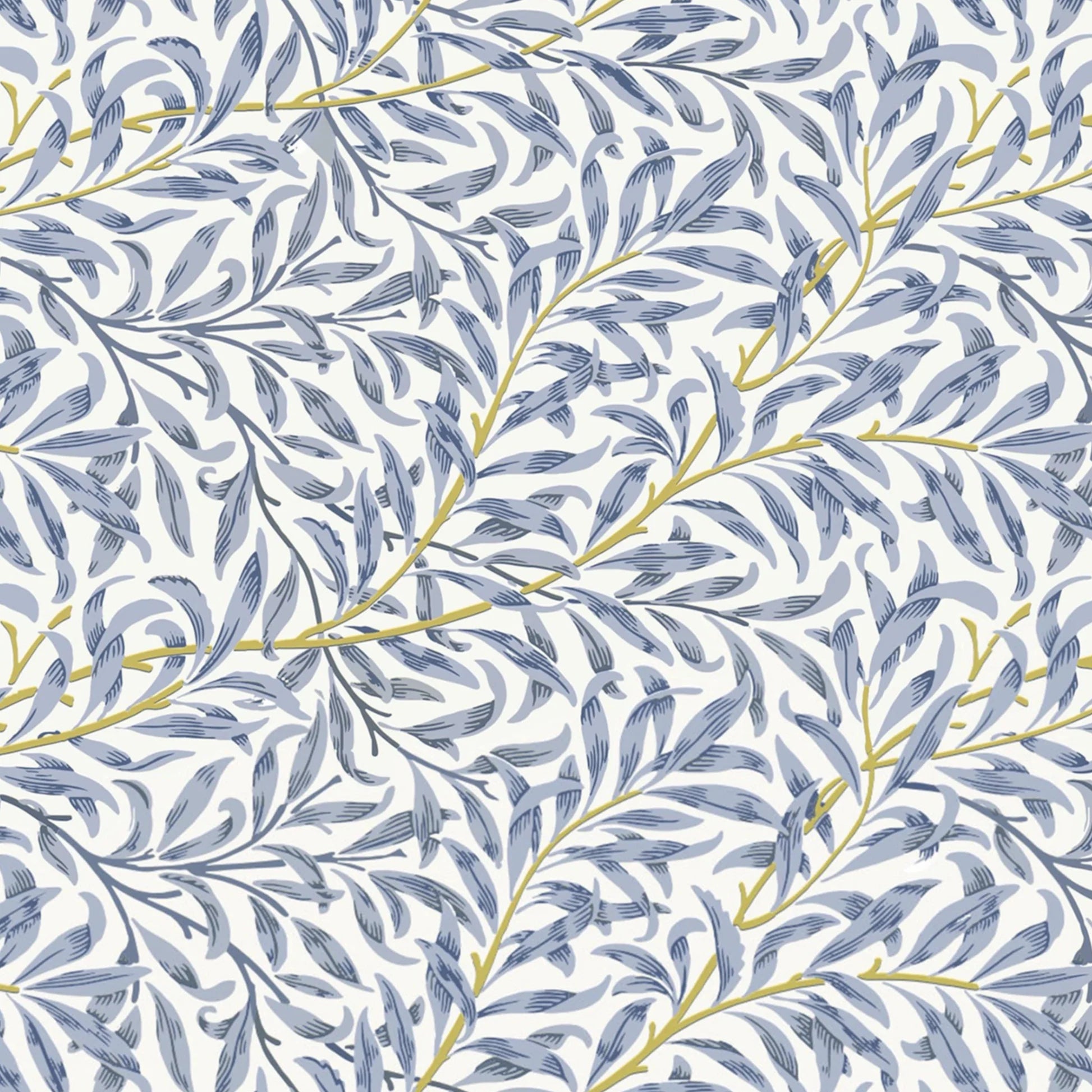
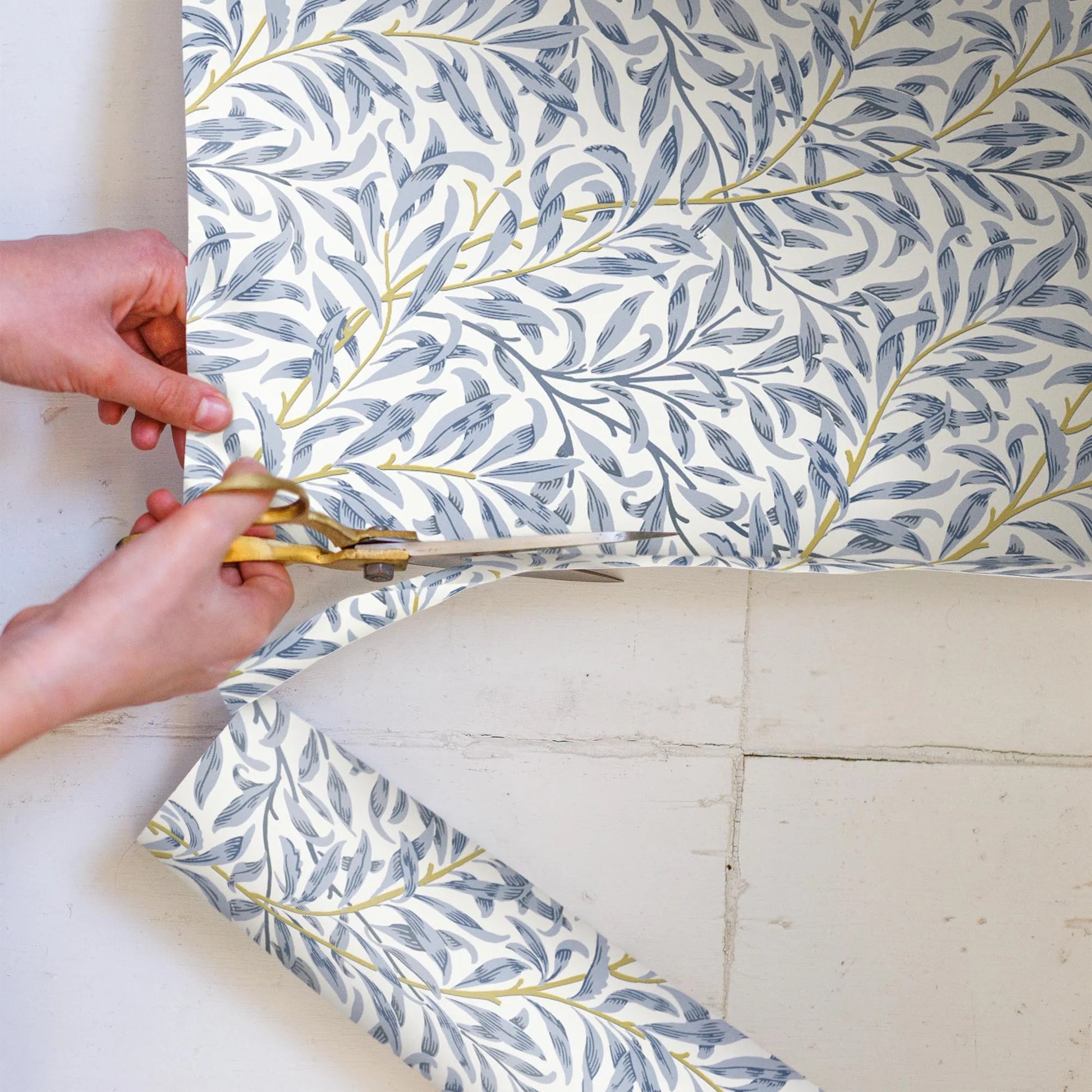

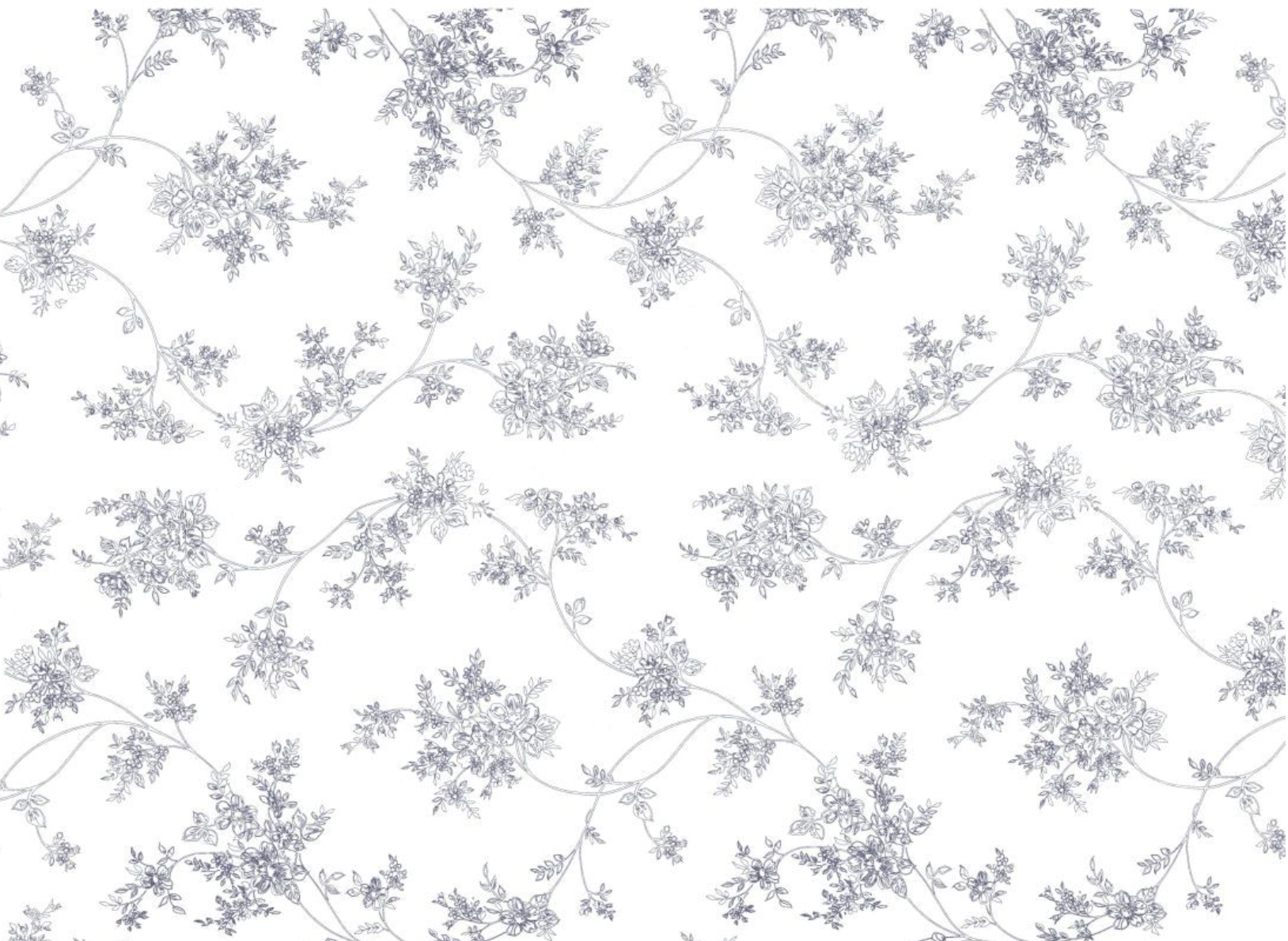
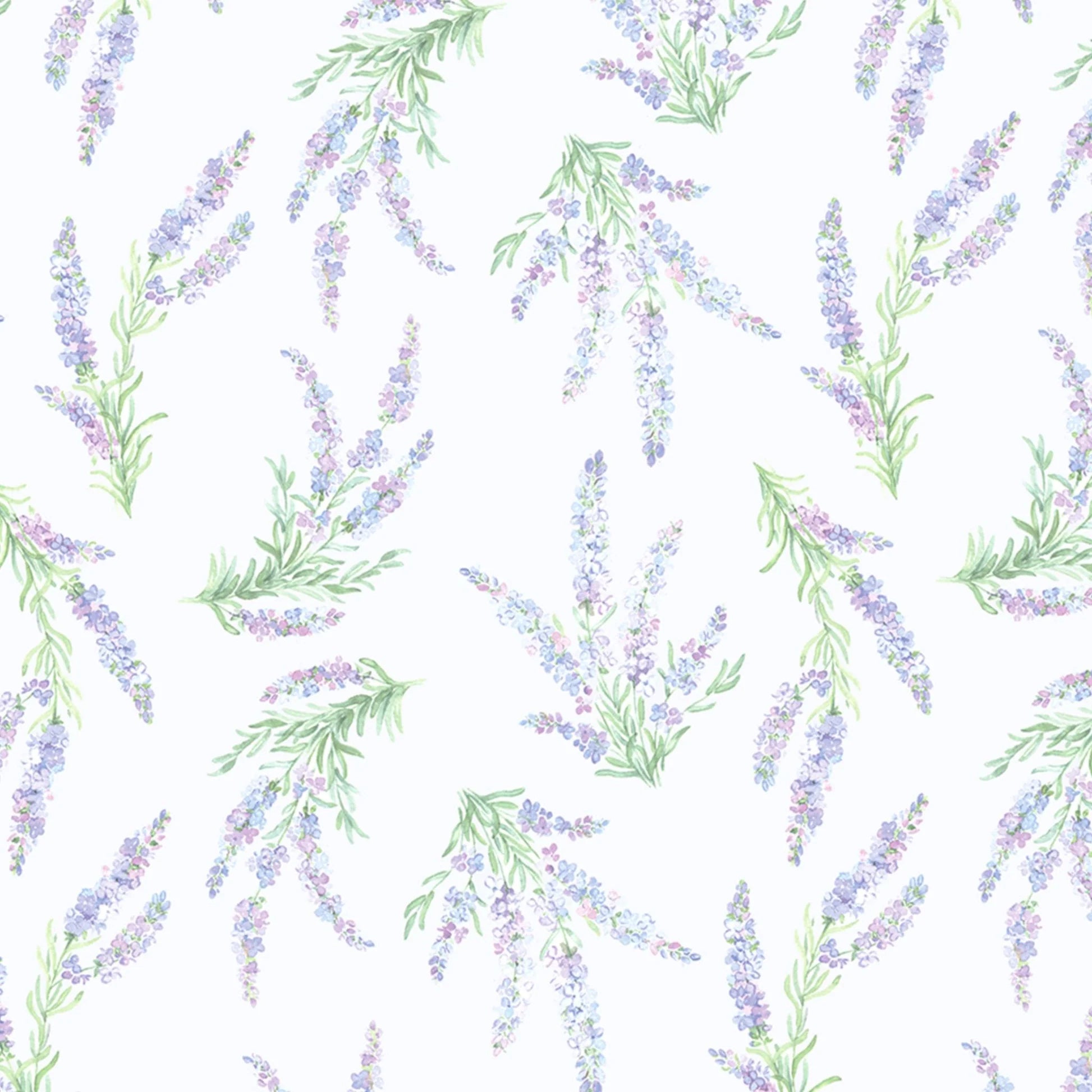
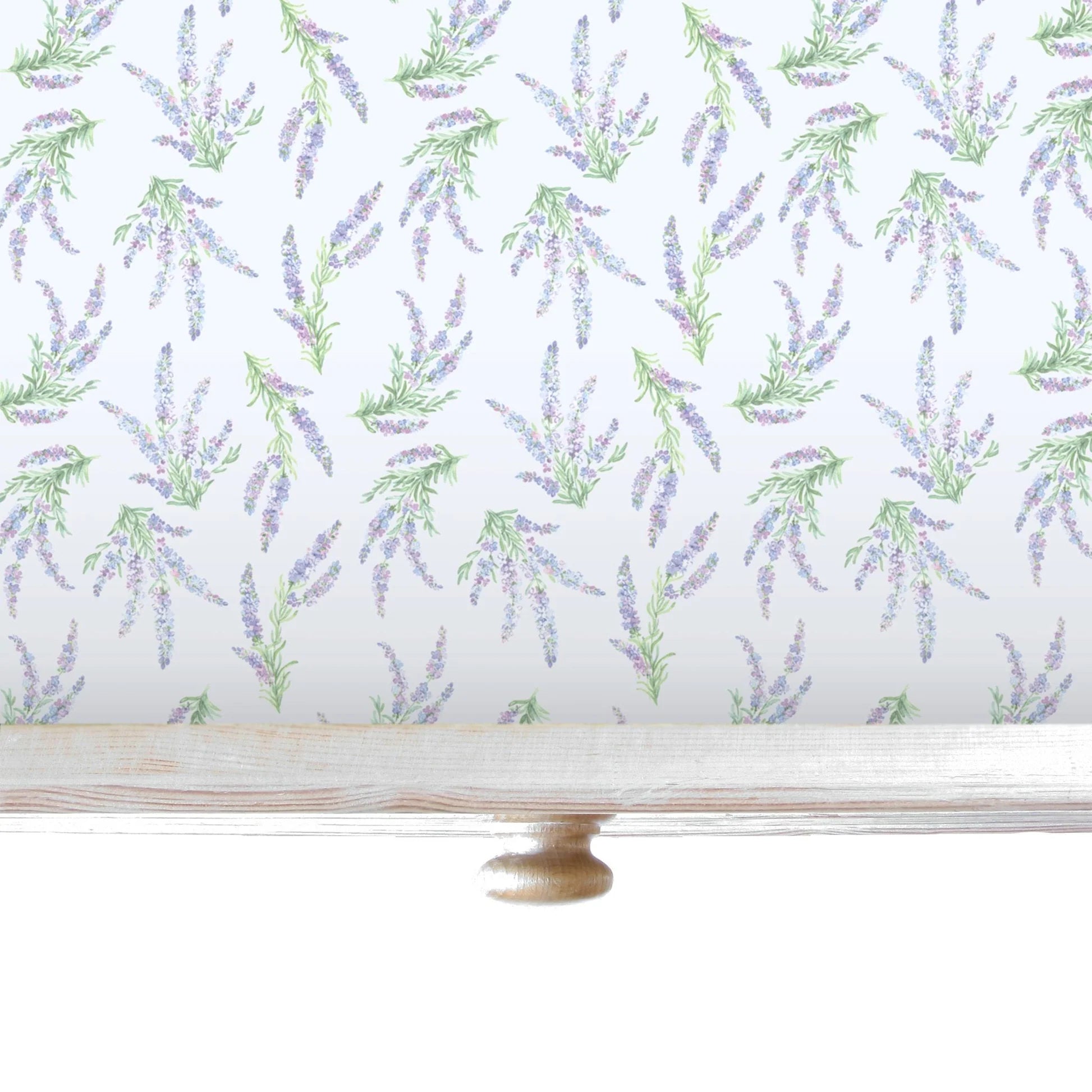
Lavender Scented Drawer Liners – 6 Sheets
Sale price34.95
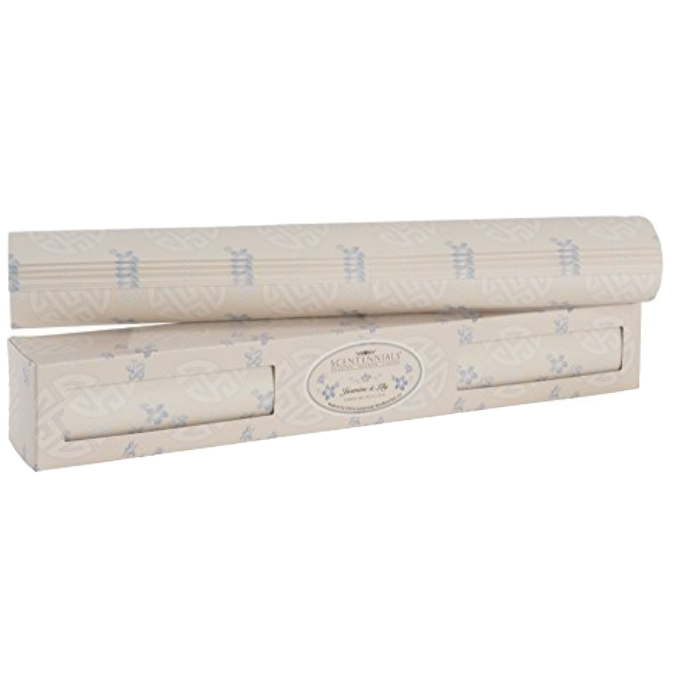
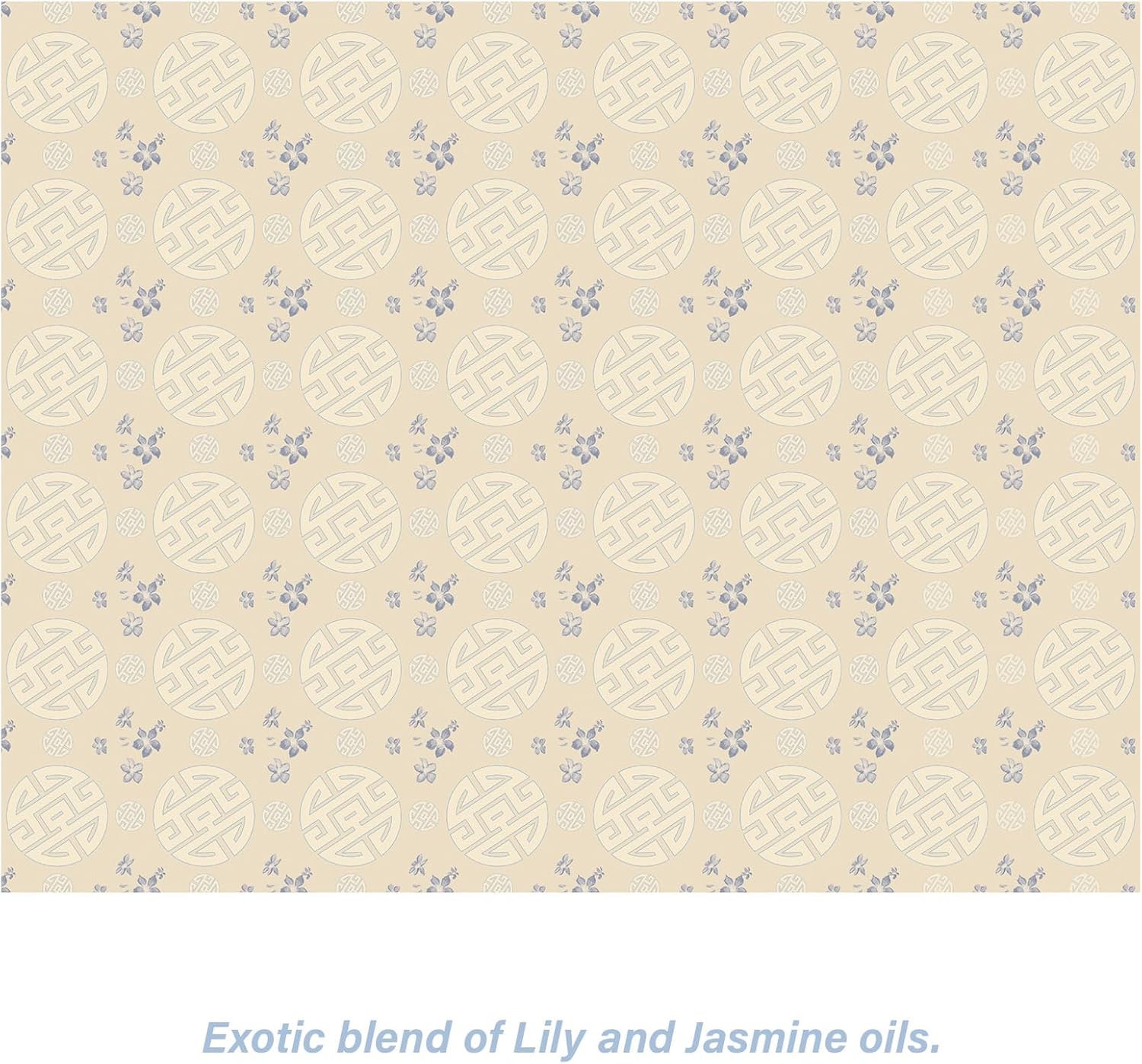
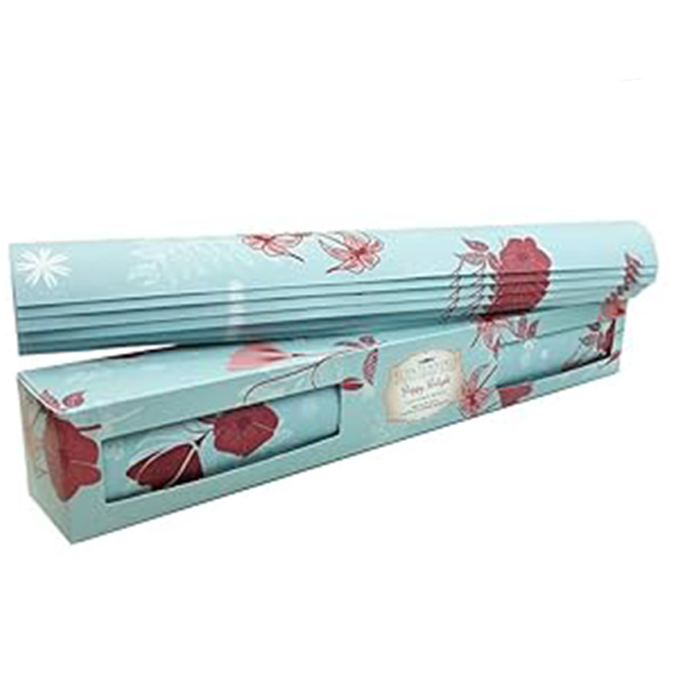
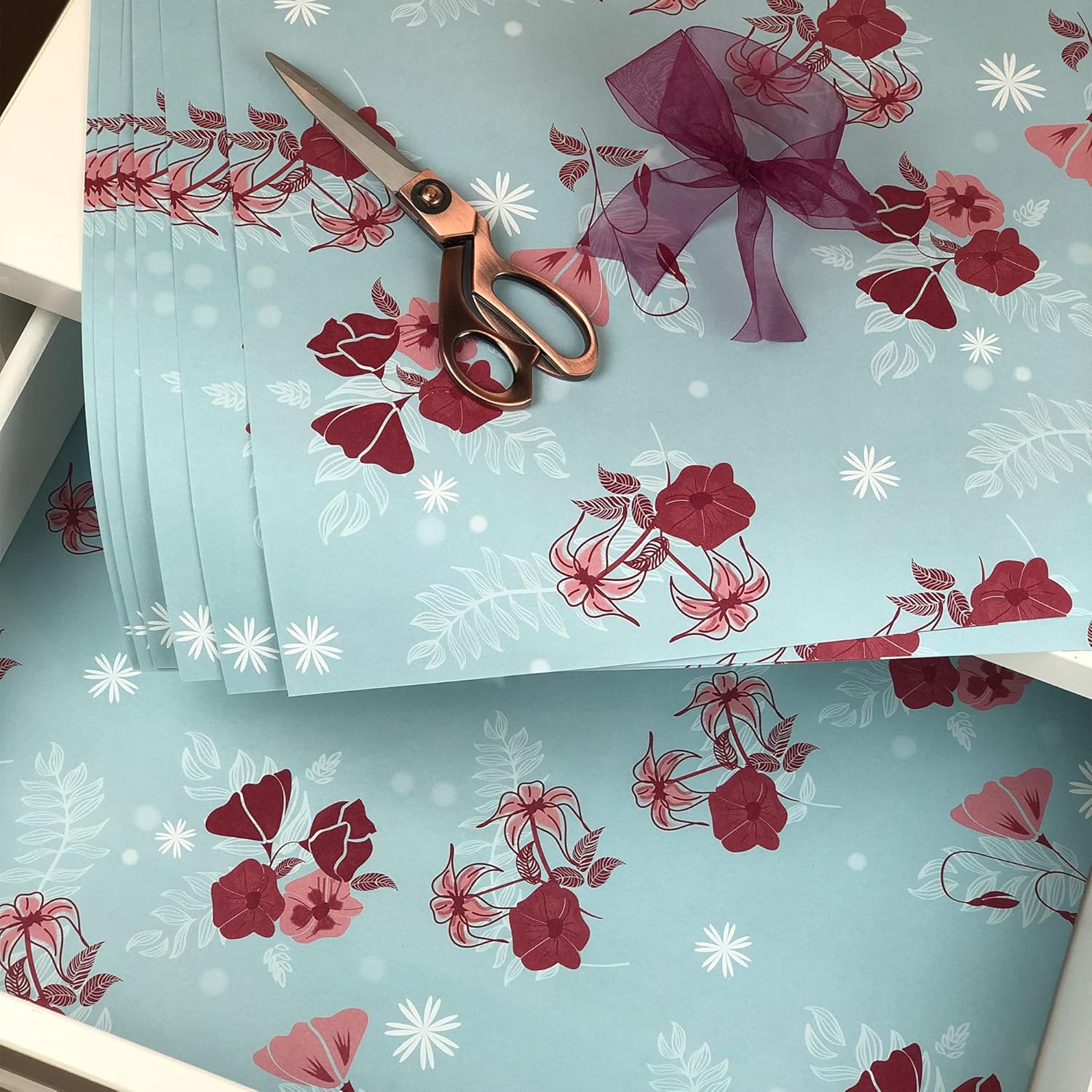
Scented Non-Adhesive Drawer Liners – Poppy Delight – 6 Sheets
Sale price34.95
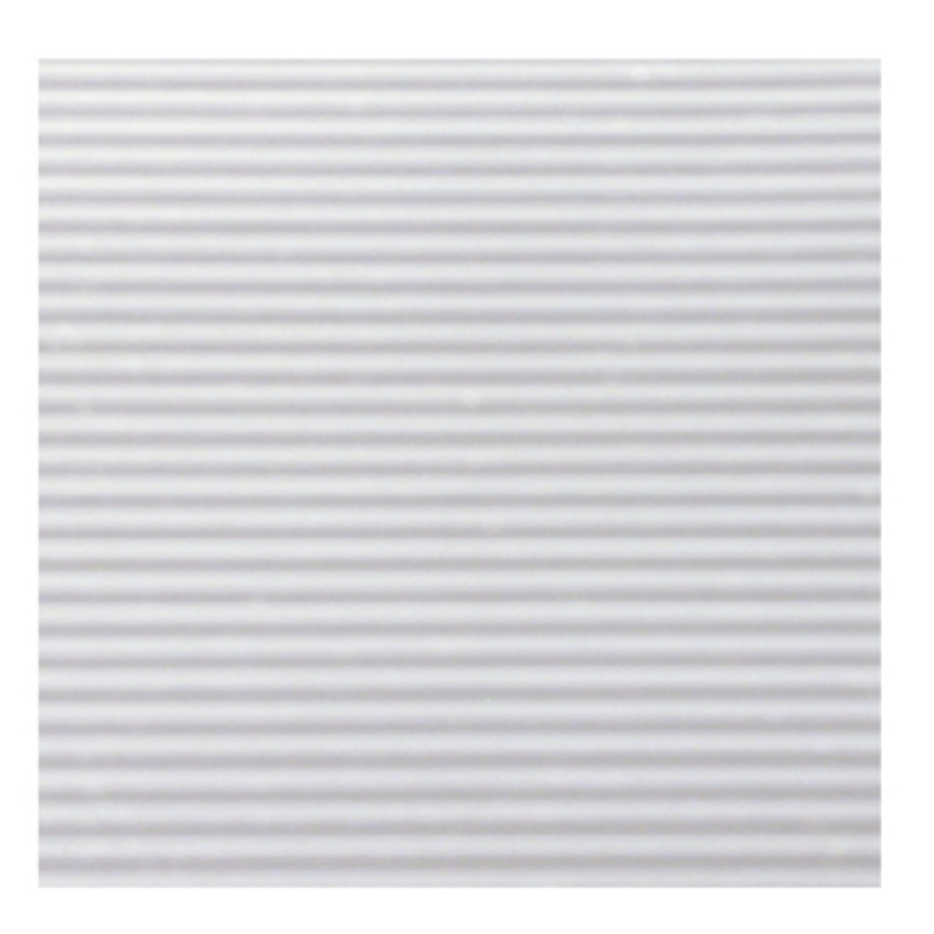
Magic Cover Non-Adhesive Shelf Liner – Clear – 12" x 6'
Sale price9.99
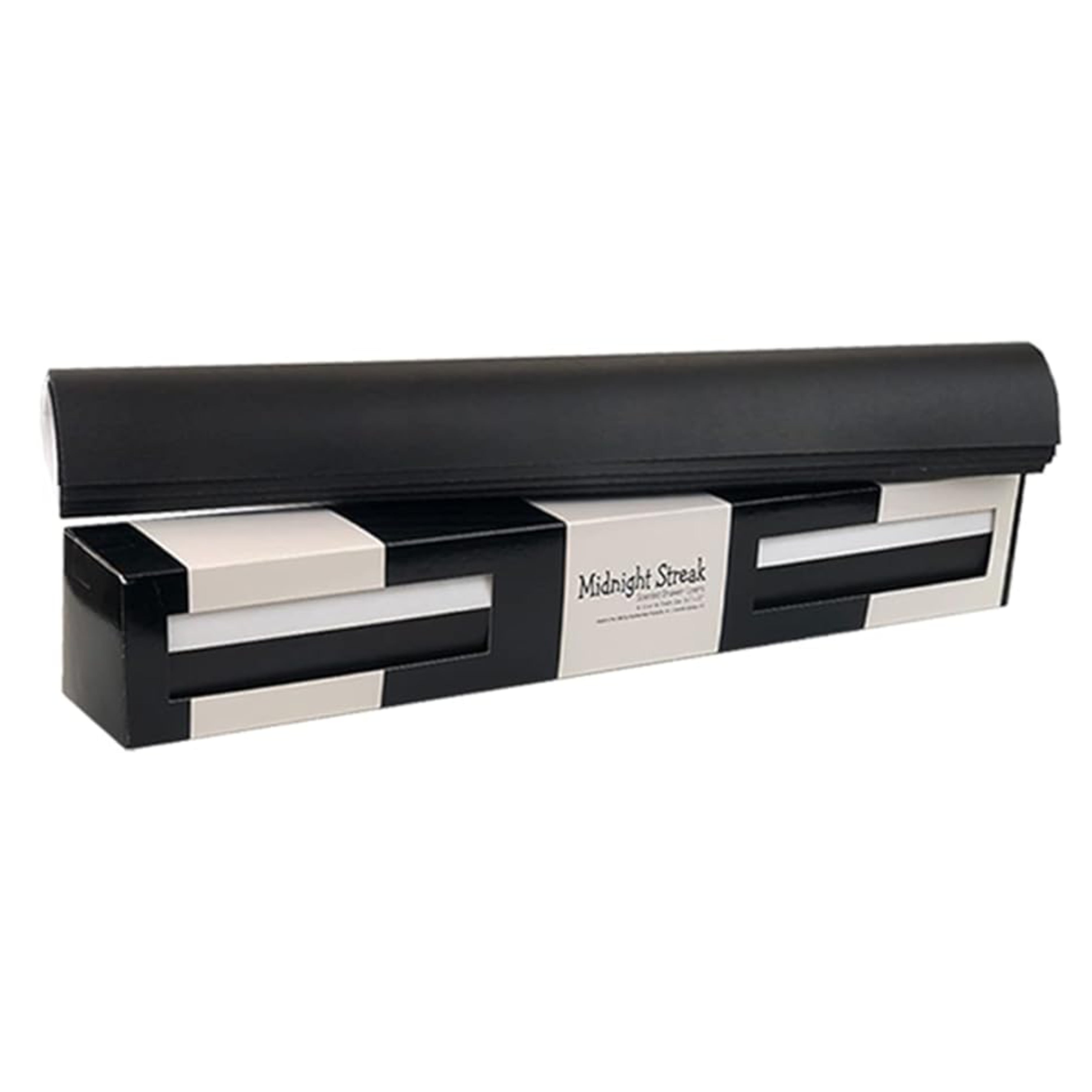
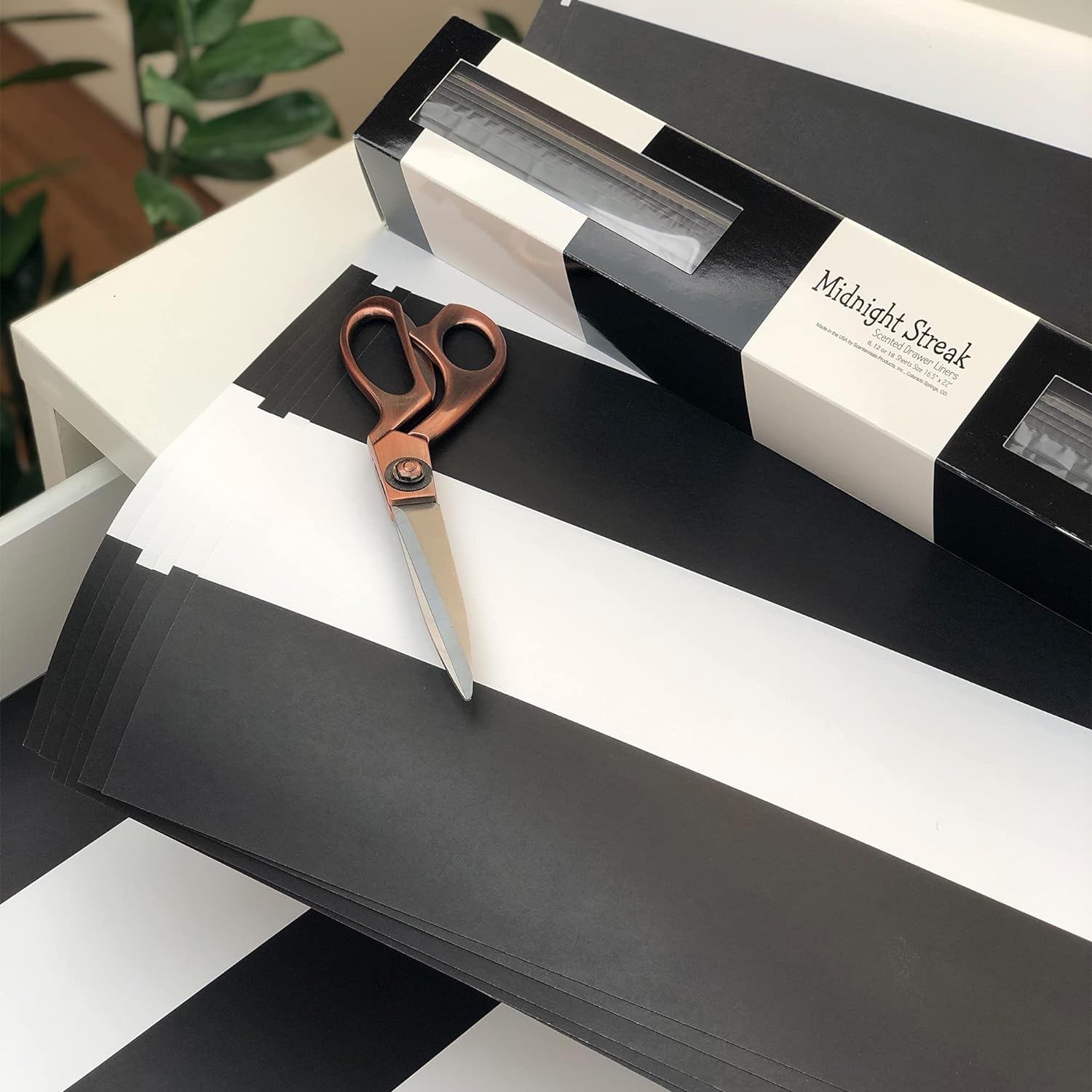
Scentennials Midnight Streak Scented Drawer Liners – 6 Sheets
Sale price34.95
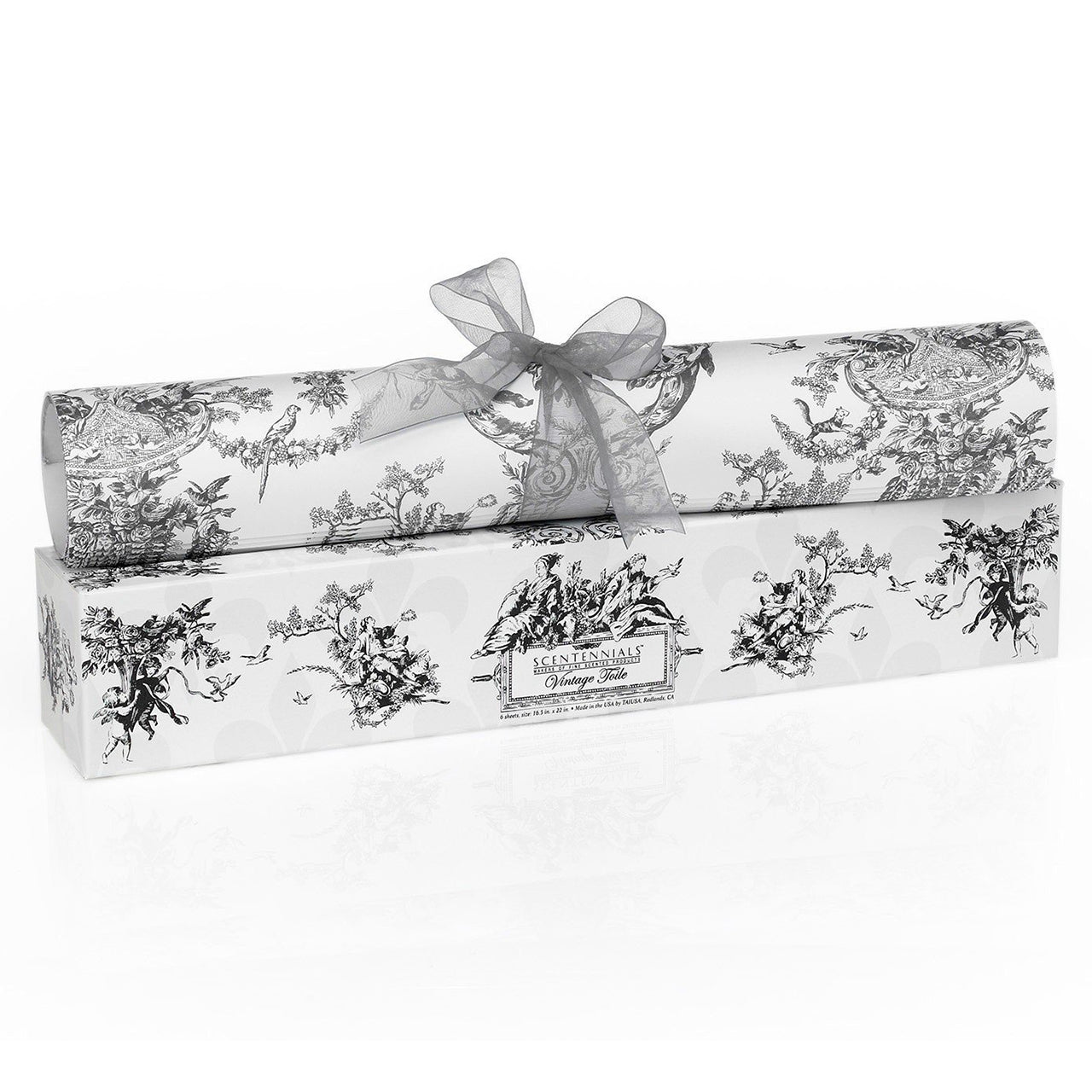
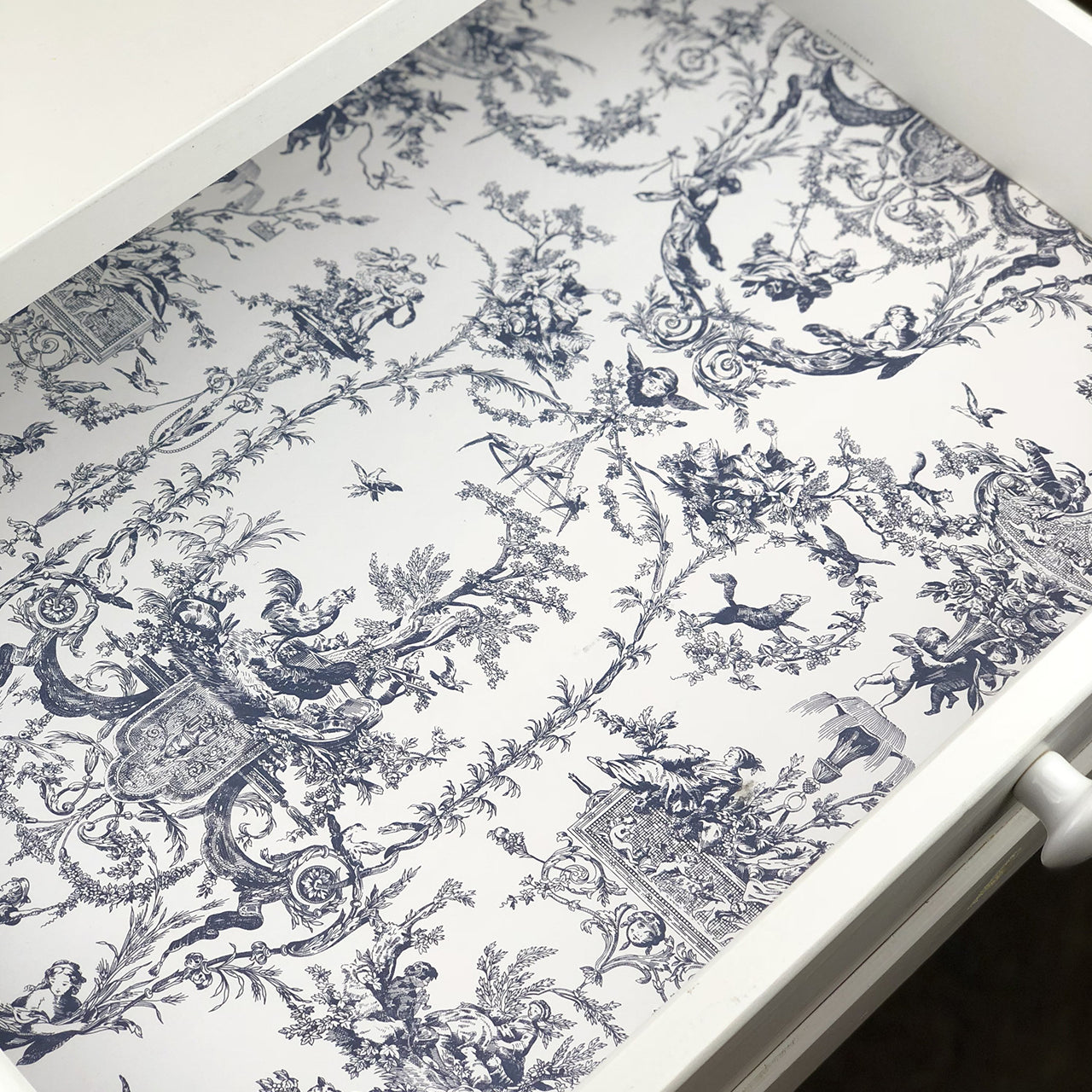
Vintage Toile Scented Drawer Liners – 6 Sheets
Sale price34.95
Clear Adhesive Shelf Liner – 18-In. x 9-Ft.
Sale price6.99
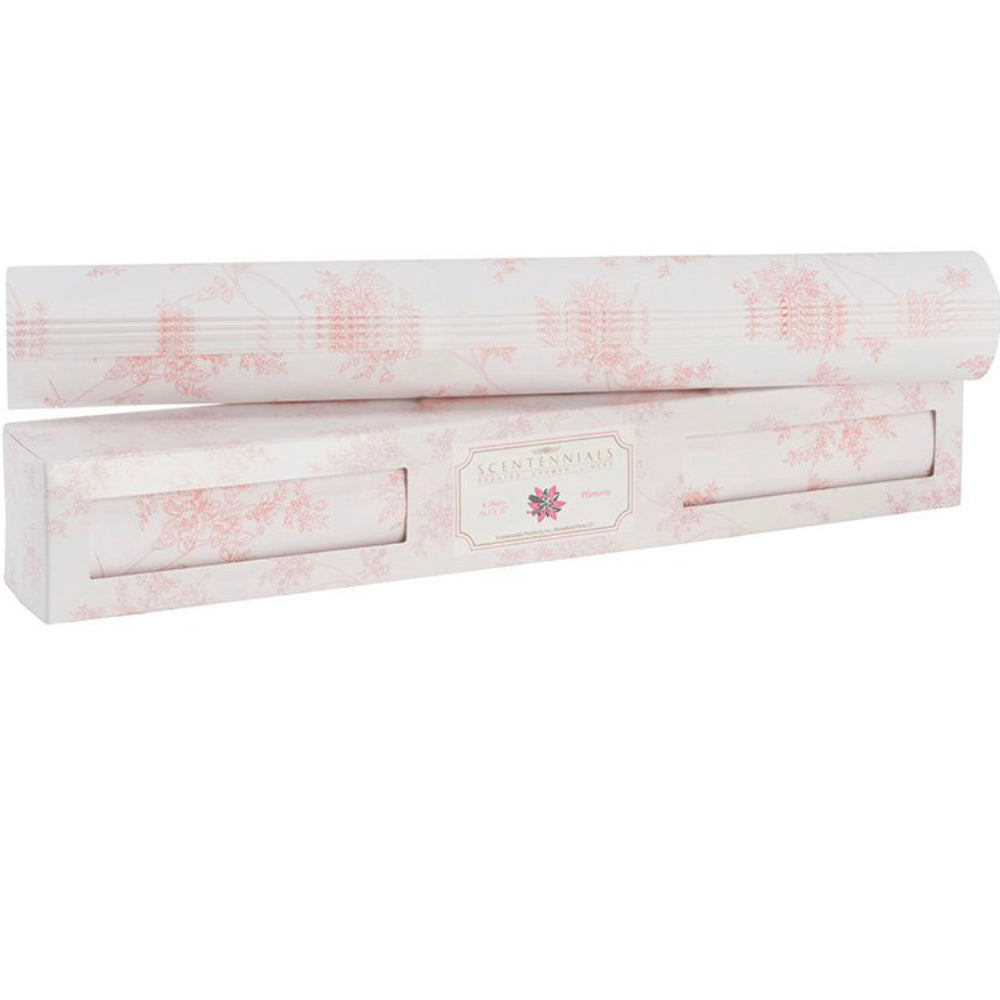
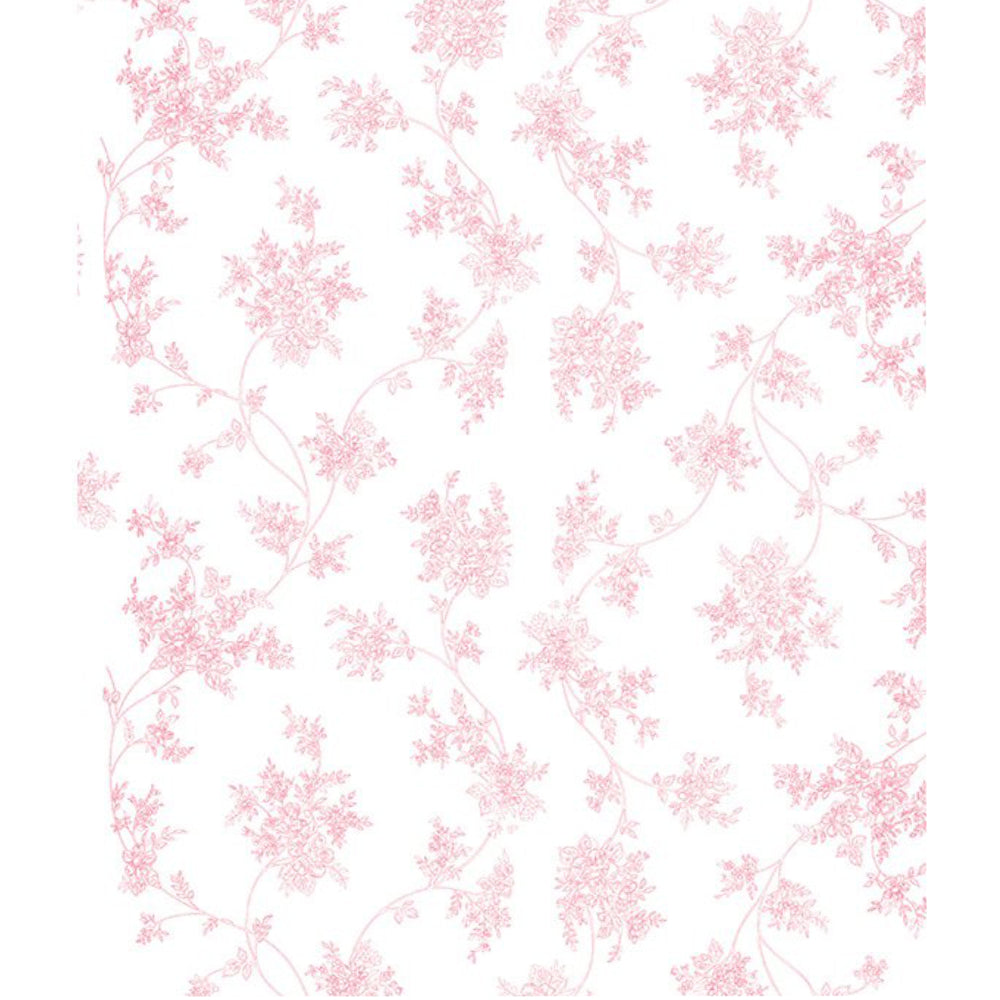
Heritage Rose Scented Drawer Liners
Sale price34.95
Recently viewed
Frequently Asked Questions
The main types of shelf liner are adhesive, non-adhesive grip, ribbed plastic, cushioned vinyl, and woven paper. Adhesive liners have a peel-and-stick backing that bonds to the shelf permanently, while non-adhesive types stay put by grip, weight, or a textured surface, and lift back out when you want to change them. Ribbed plastic is rigid, high-gloss, and wipes clean. Cushioned vinyl is soft and washable, and woven paper reads more decorative for open shelving.
The difference between adhesive and non-adhesive liners is how they hold and whether they come back up cleanly. Adhesive liner has a sticky backing that bonds to the shelf and stays permanently in place, which prevents it from shifting but can leave residue or mar the finish when you peel it off later. Non-adhesive liner sits on top and holds by grip or weight, so it lifts out and repositions cleanly, though a smooth or lightweight one can slide unless it grips or is tucked in at the edges.
A non-adhesive liner will stay in place if its surface grips the shelf, though a smooth or very lightweight one can shift under heavy or frequently moved items. Textured grip and ribbed liners generally hold best because the raised pattern adds friction against both the shelf and whatever sits on top. On a slick shelf, you can cut the liner slightly oversized and tuck the edges in, or set a thin grip mat under a decorative one to keep it from shifting.
Adhesive liners can leave residue when removed, especially if they have been in place a long time or were applied to bare wood or an unsealed surface. The adhesive tends to hold more stubbornly once it has set, so warming it gently before you peel usually softens the glue and lifts the liner with less residue. Anything left behind generally comes off with an adhesive remover or a little cooking oil, and a non-adhesive liner avoids the issue entirely on surfaces you want to keep pristine.
Shelf liner is safe to use near food in kitchen cabinets when you choose a BPA-free or food-safe option, such as our ribbed plastic liner, which is BPA-free and made in the USA. A rigid ribbed liner or a paper liner is also the easiest to keep clean. Most of the concern comes from soft vinyl liners, which can carry an odor when new, so airing a fresh liner out before you load the shelf helps it settle. For anything that touches food directly rather than sitting under packaged goods, a food-safe or paper liner is the safer pick.
Shelf liner cuts to fit with scissors or a utility knife, so measuring is the only part that takes care. Measure the depth and width of the shelf or drawer, then cut the liner slightly smaller than the surface on each side so it lies flat without buckling at the edges. Many liners have a printed grid on the paper backing that lets you cut straight lines against a ruler. For a snug drawer, cut to the exact inside dimensions, and for a shelf you plan to wipe often, leave it a touch loose so it lifts out for cleaning.
The best liner for wire shelves is a rigid ribbed plastic liner, such as our Plastic Ribbed Shelf Liner, because it is firm rather than soft and sits over the gaps in the wire so small items do not fall through. Soft grip and thin paper liners tend to sag into the openings, so they suit solid shelves better than ventilated wire racks. The wider 24-inch roll is the easier default for deep wire shelving, and on a fine wire grid you can pair the ribbed liner with a thin grip mat underneath to keep it from shifting as you slide things in and out.
The best shelf liner for kitchen cabinets is a non-adhesive grip or ribbed liner, which protects the surface and lifts out for cleaning without leaving residue on the wood. Ribbed plastic works well under dishes and glassware because the raised surface adds grip and wipes clean, while a cushioned vinyl liner adds padding under heavier cookware. An adhesive liner is an option for cabinets you never plan to change, but non-adhesive is the safer choice for a finished wood surface you want to protect.
A liner is safe to use on refrigerator shelves as long as you choose a wipeable, non-adhesive one you can pull out and rinse. A washable vinyl or plastic liner works best in the fridge because it handles moisture and spills without trapping them against the glass. Cut it to the shape of each shelf, and lift it out to clean whenever something leaks so cleanup stays a quick wipe.
Scented drawer liners line a drawer or shelf and leave a light fragrance on whatever sits on top, so folded clothes and linens smell fresh, and an older dresser loses its musty note. Our Scentennials sheets use a premium fragrance oil on thick paper, come six to a box, and cut to fit like any paper liner. They also make an easy gift, since each set arrives in a matching presentation box, making them as easy to give as they are to keep.