


LipJao Superior Lip Balm
Sale price11.95


Generation Bee Lip Balm – Pink Grapefruit
Sale price5.95
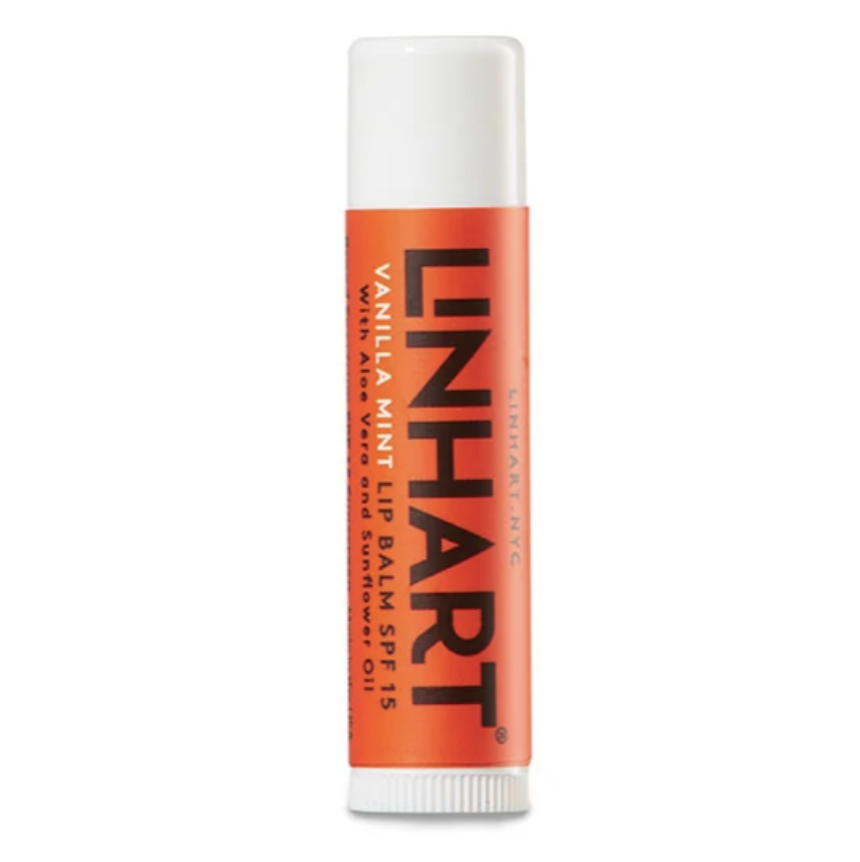
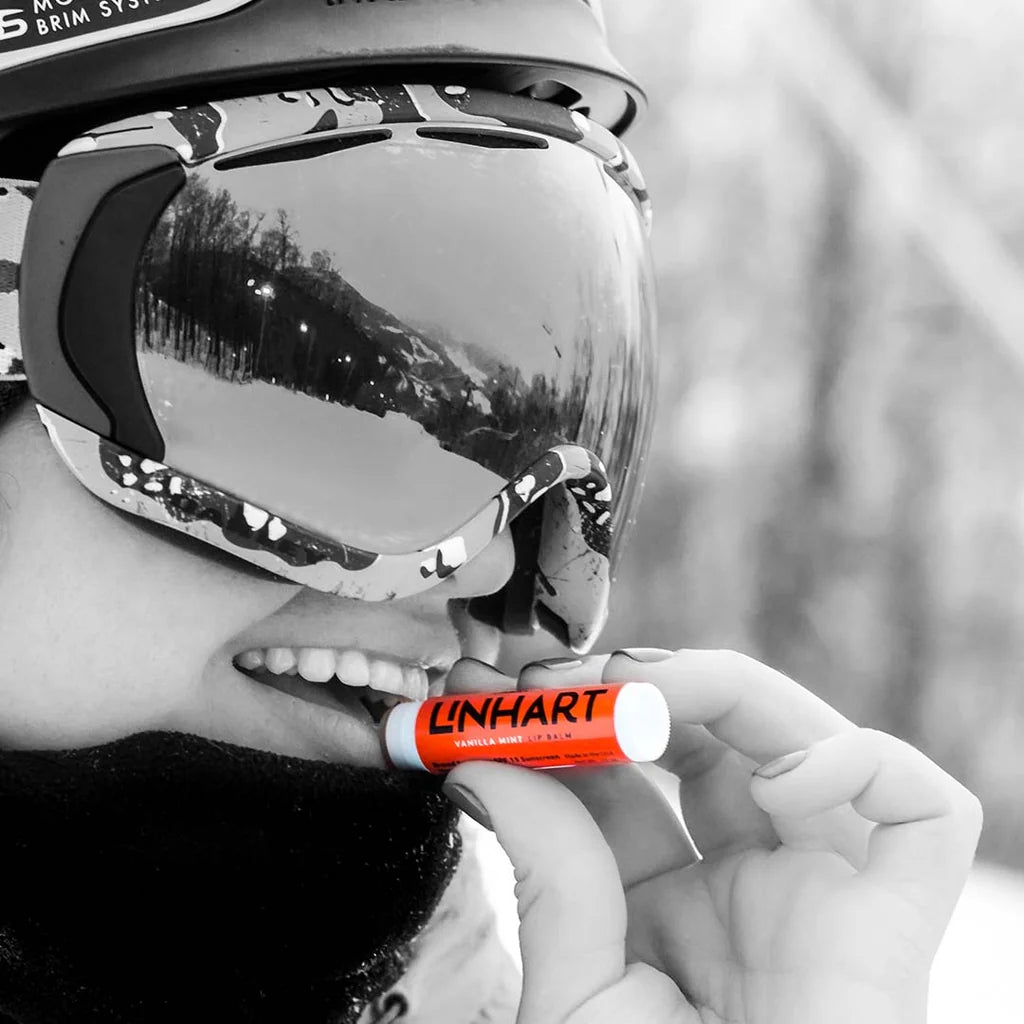
Linhart The SPF Lip Balm – Vanilla/Mint
Sale price4.95


Rebels Refinery White Skull Lip Balm – Vanilla
Sale price6.95
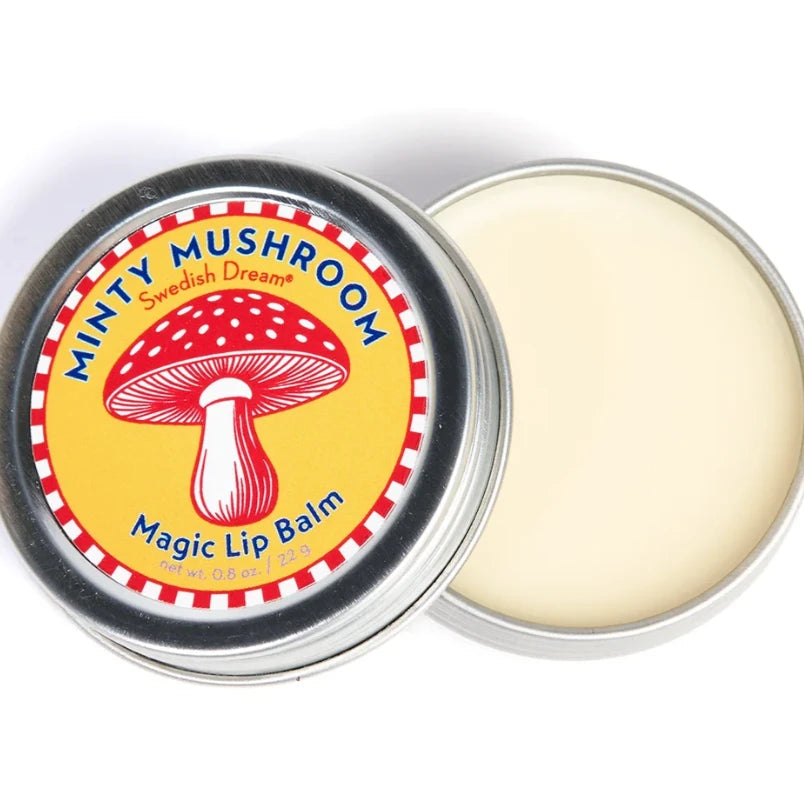
Swedish Dream Minty Mushroom Lip Balm
Sale price9.95
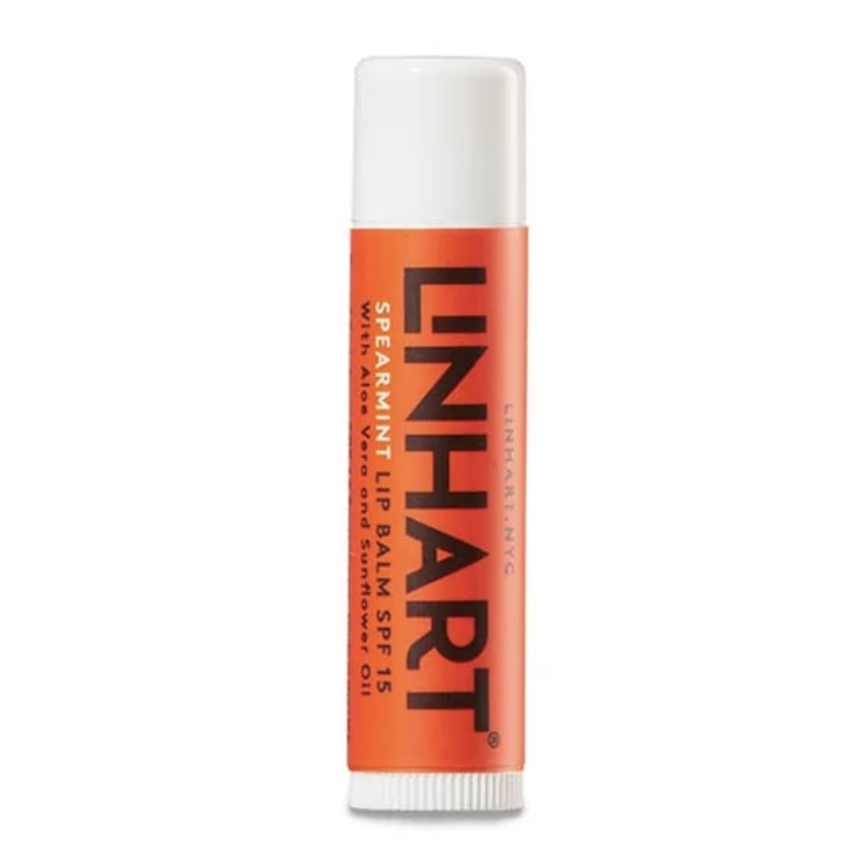
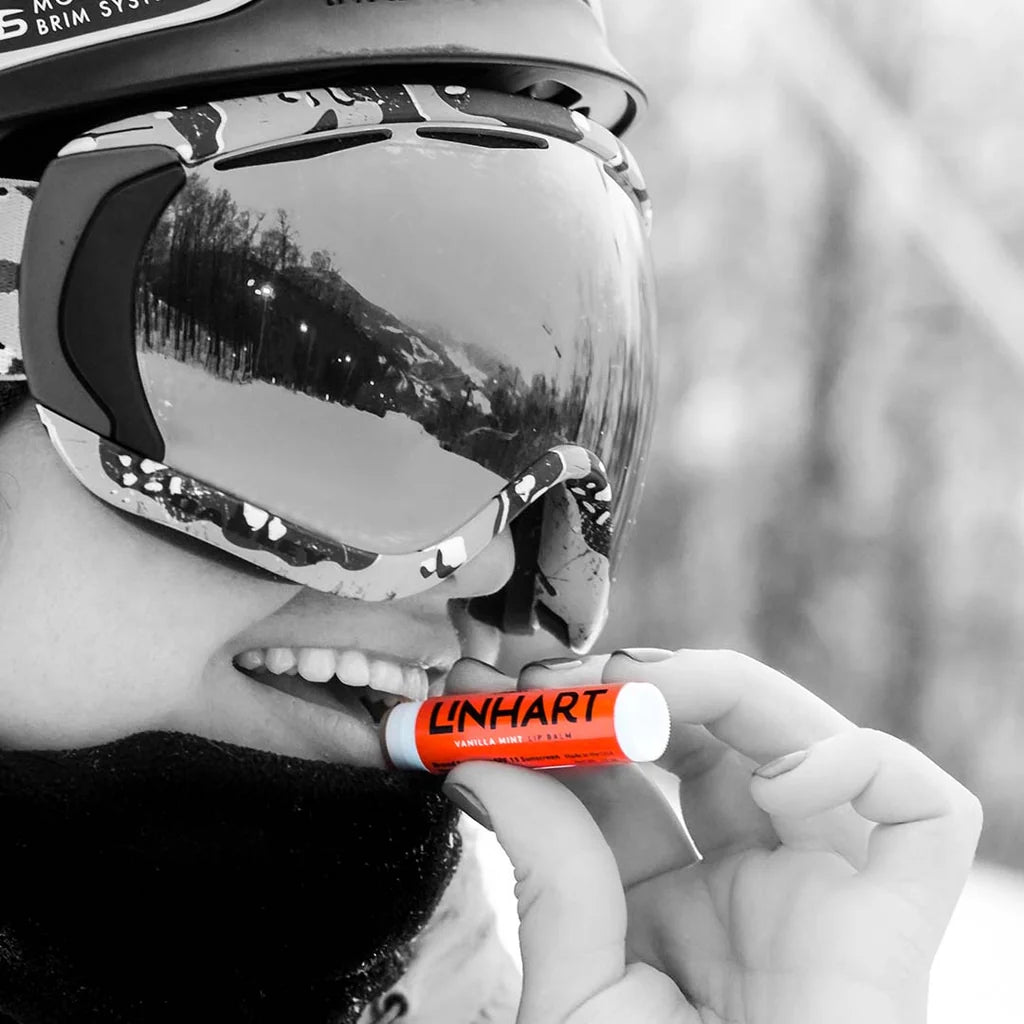
Linhart The SPF Lip Balm – Spearmint
Sale price4.95


Generation Bee Lip Balm – Chocolate Mint
Sale price5.95


Generation Bee Lip Balm – Key LIme
Sale price5.95


Generation Bee Lip Balm – Peppermint
Sale price5.95


Kalastyle Lip Balm – Sunny Strawberry
Sale price11.95

Kalastyle Lip Balm – Rich Red Currant
Sale price11.95


Generation Bee Lip Balm – Sweet Orange
Sale price5.95


Panier Des Sens Nourishing Lip Balm – Almond
Sale price7.99
Recently viewed
Frequently Asked Questions
According to the American Academy of Dermatology, petrolatum, shea butter, castor seed oil, ceramides, dimethicone, hemp seed oil, and mineral oil. These seal in moisture, soften the lip surface, or both. Shea butter is the most common core ingredient in this collection and does the same work in the hand creams in our personal care collection. LipJao goes further, as a balm with over 37% shea, avocado, mango, and pumpkin seed butters.
Not necessarily. The American Academy of Dermatology recommends a thick ointment like petroleum jelly for very dry, cracked lips, because it protects the lips longer than waxes or oils do. Beeswax balms suit everyday upkeep on lips that are dry but not cracked. None of the balms in this collection are petroleum-based, so they all belong to the daily-wear side of the choice.
Yes: mint, peppermint, cinnamon, and citrus flavors can make chapped lips worse, and the American Academy of Dermatology lists them among the ingredients to avoid while lips are cracked. If you want to avoid that flavor group, the Panier des Sens balm uses almond oil and extracts instead. Burning, stinging or tingling when you apply a balm is irritation, not a sign that it’s working.
No, they can’t. Lip-balm users who notice their lips getting “drier” are often unknowingly using an irritating balm or doing something that dries them. For example, when you lick your lips, your saliva evaporates and leaves them drier than before. If your lips remain dry after two to three weeks of a non-irritating balm, the AAD advises seeing a dermatologist to determine whether an allergy or other condition is to blame.
Yes, so the general guidance is to replace an opened balm after about a year, or by the date on the product. Balms built on natural oils and butters can go rancid sooner, so watch for an off or stale smell.
Lips sunburn like the rest of your skin, even in winter, so the AAD recommends SPF 30 or higher before going outdoors, reapplied every 2 hours. At SPF 15, the two Linhart balms here fall short of that bar, but suit short trips outside.
No, because beeswax is an animal product made by honeybees. Beeswax balms are usually described as vegetarian, as with Swedish Dream’s Minty Mushroom balm. The Panier des Sens almond balm is the vegan option in this collection, made with organic sweet almond oil from Provence in place of beeswax.
A solid balm in a tin generally doesn’t count as a liquid at a TSA screening, but the safest move is to pack it in a quart-size liquids bag. Stick balms are generally treated as solids that can travel freely in a carry-on bag. Several of the stick balms here sit in our travel accessories collection, but the two Perfumeria Gal tins are soft enough that we’d bag them if going through security.