
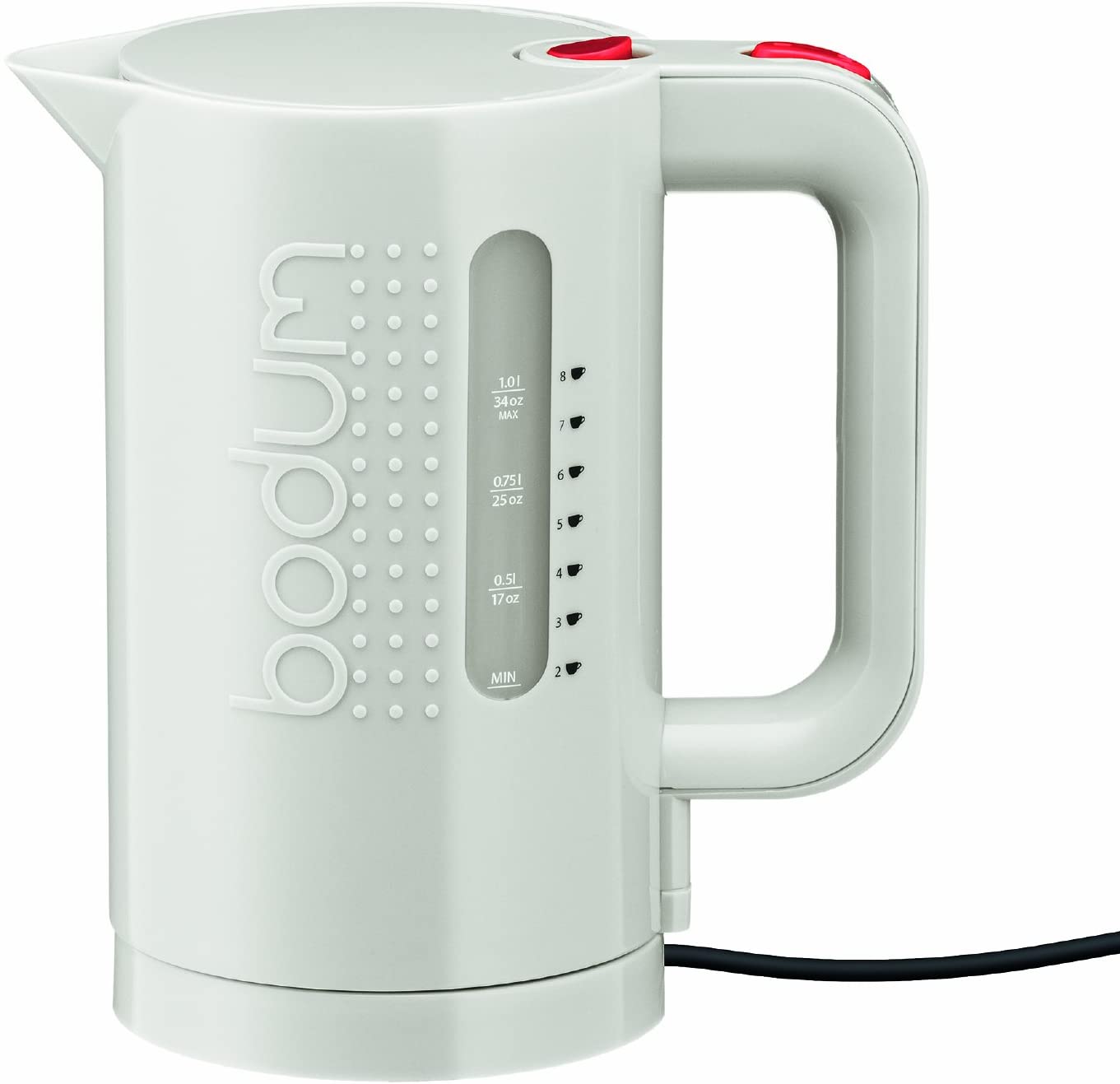
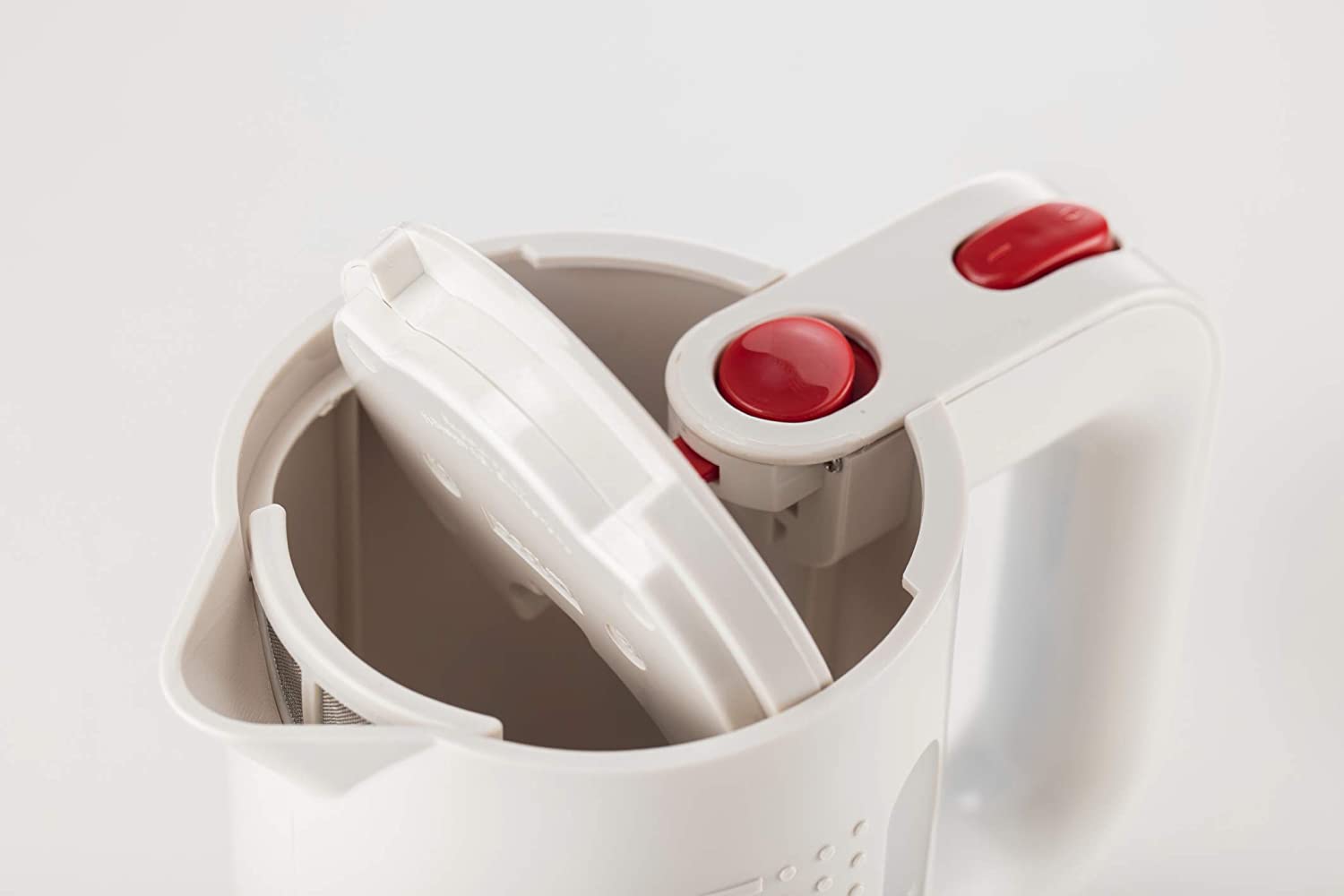
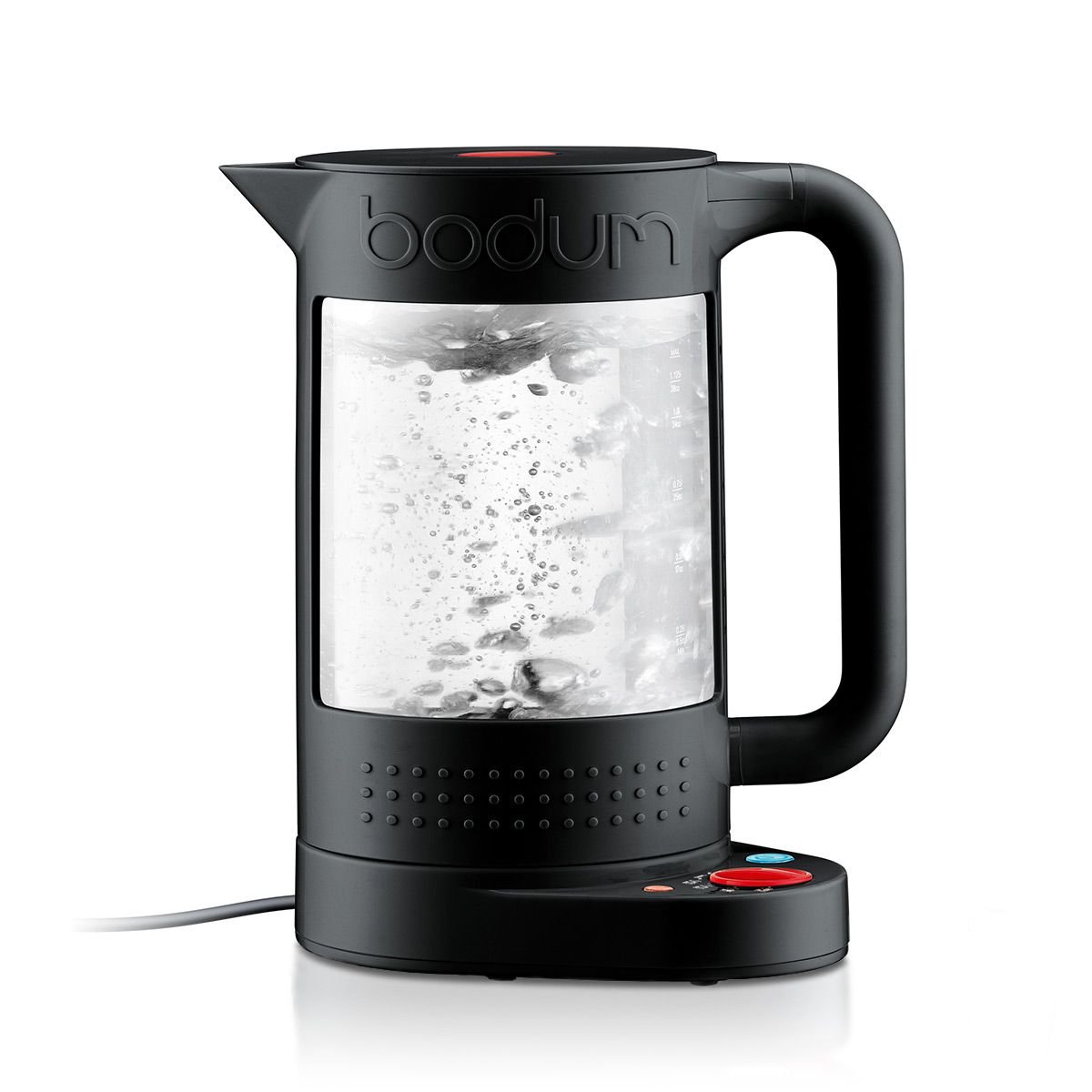
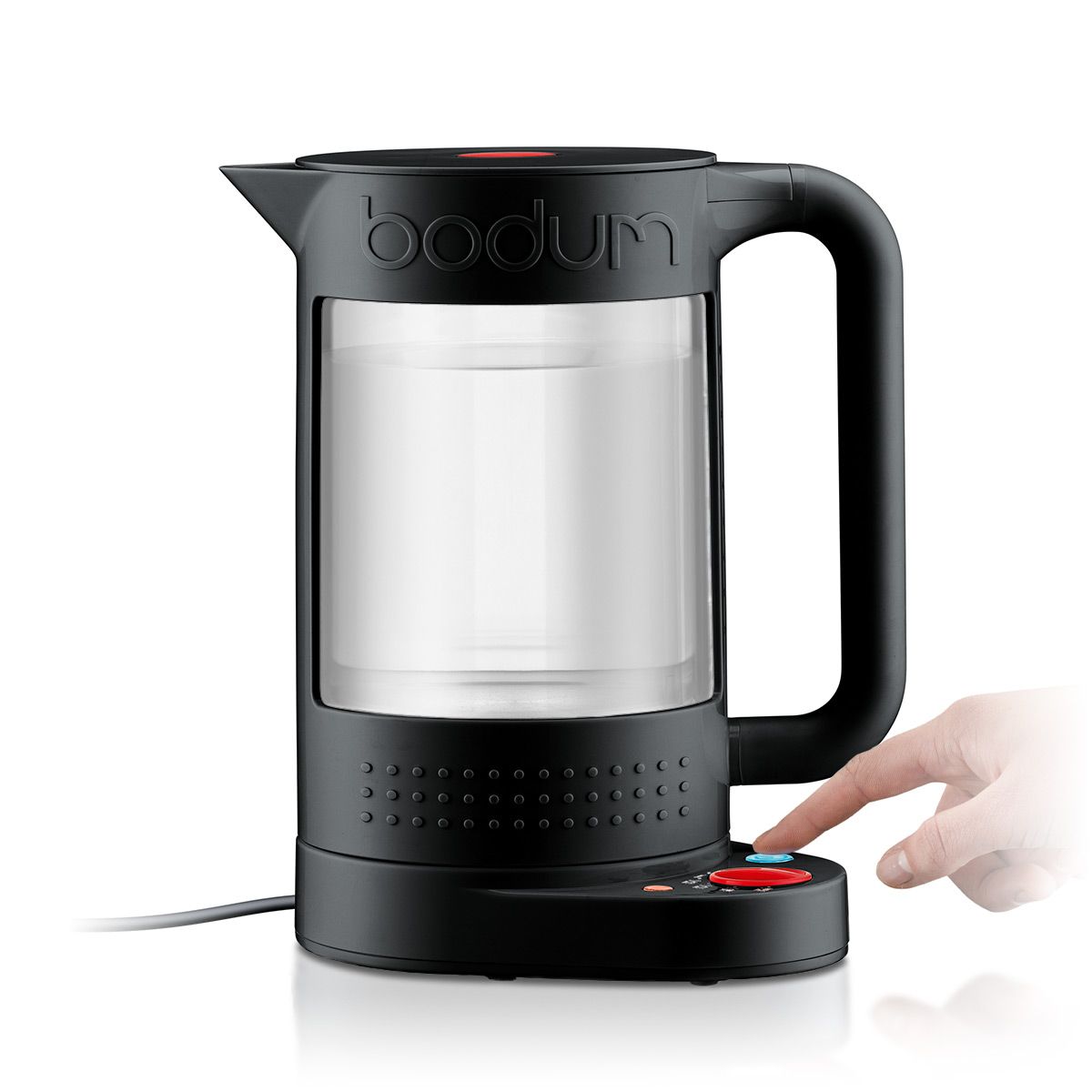
Bodum Bistro Electric Water Kettle – 34oz. – White
Sale price49.95
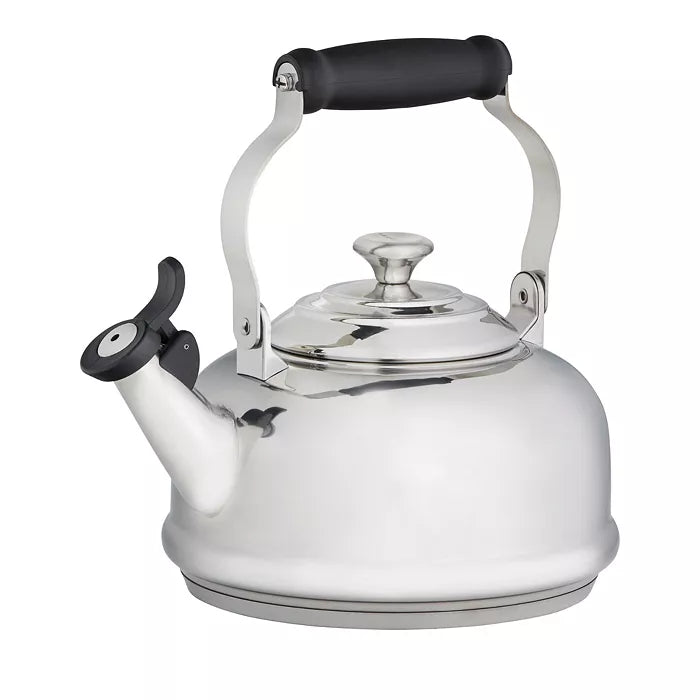
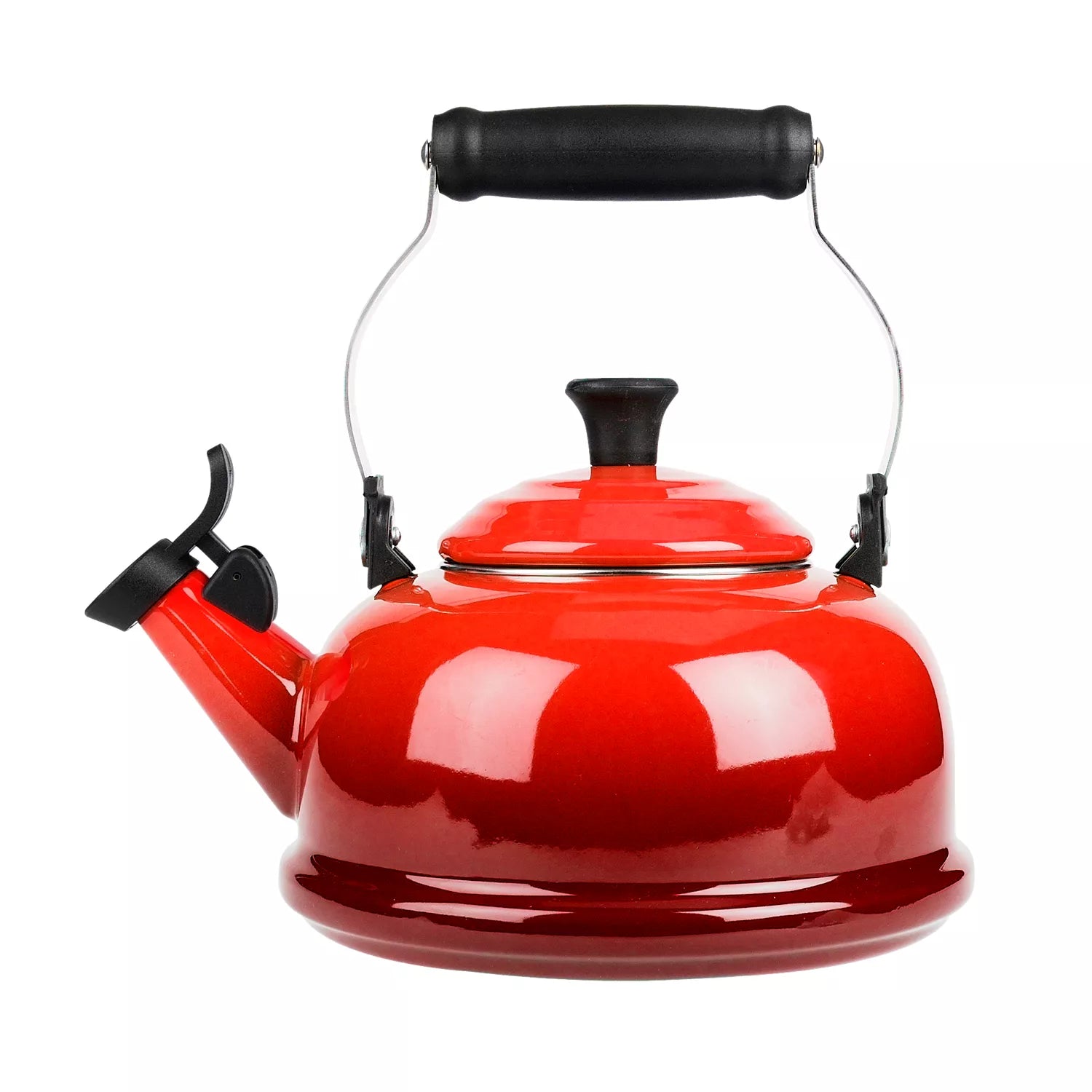
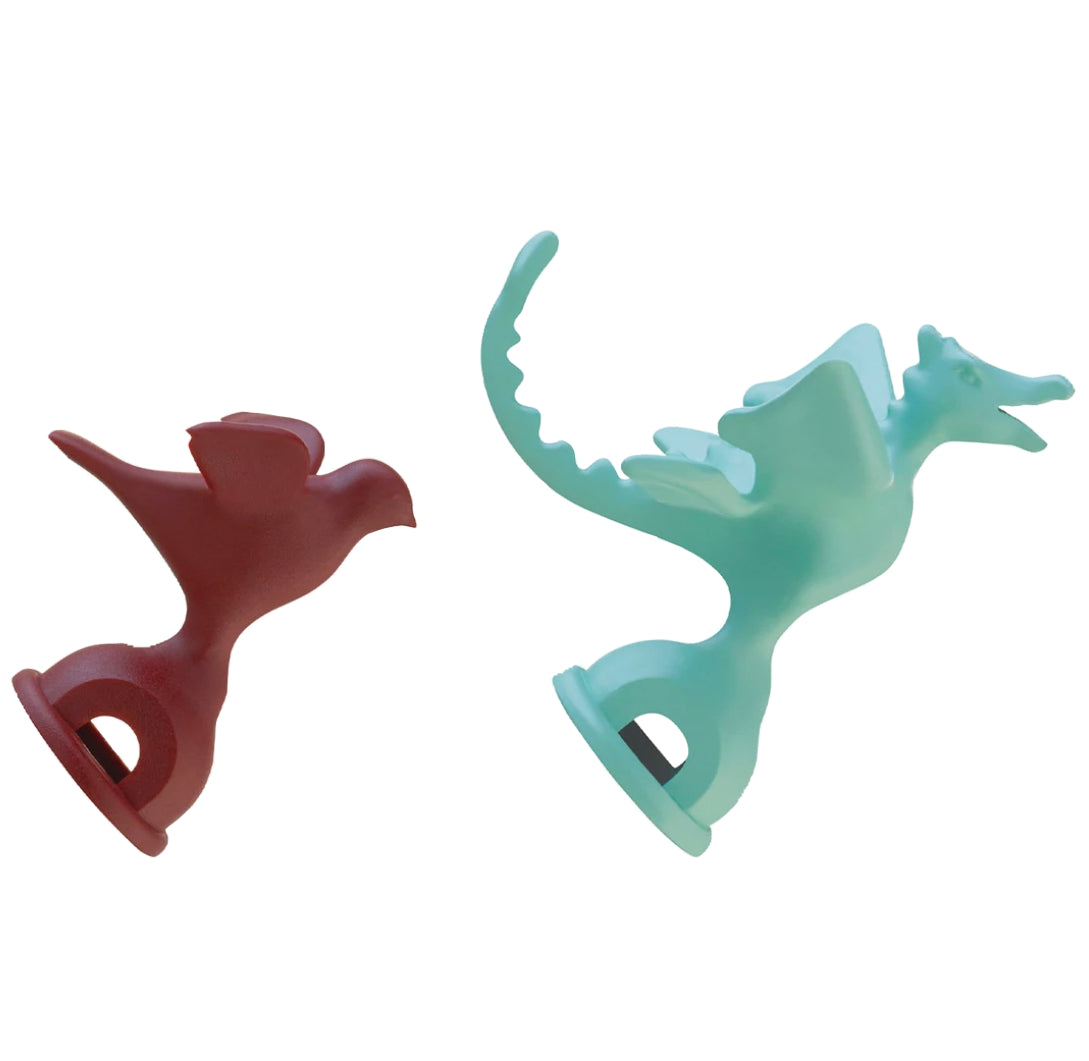
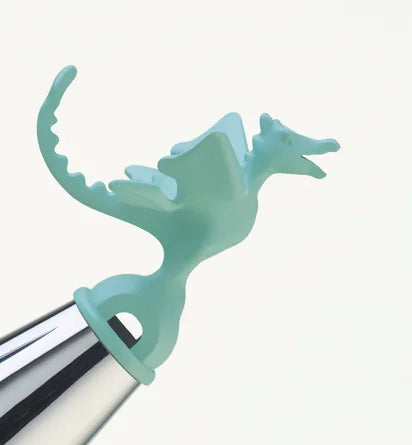
Le Creuset Classic Whistling Tea Kettle – Stainless Steel
Sale price139.95
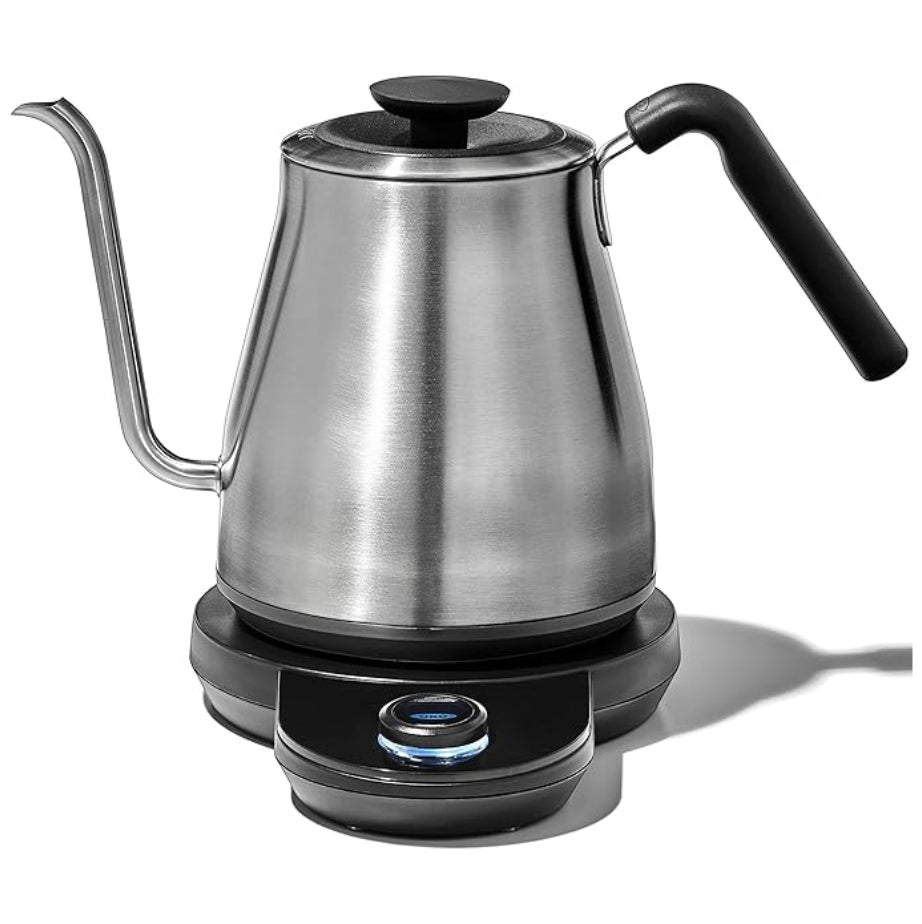
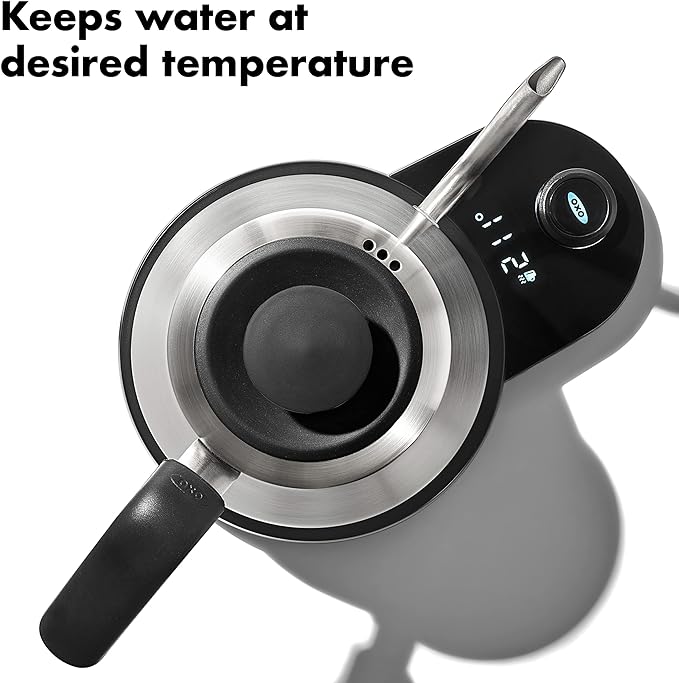
OXO Adjustable Temperature Pour-Over Electric Kettle
Sale price129.95
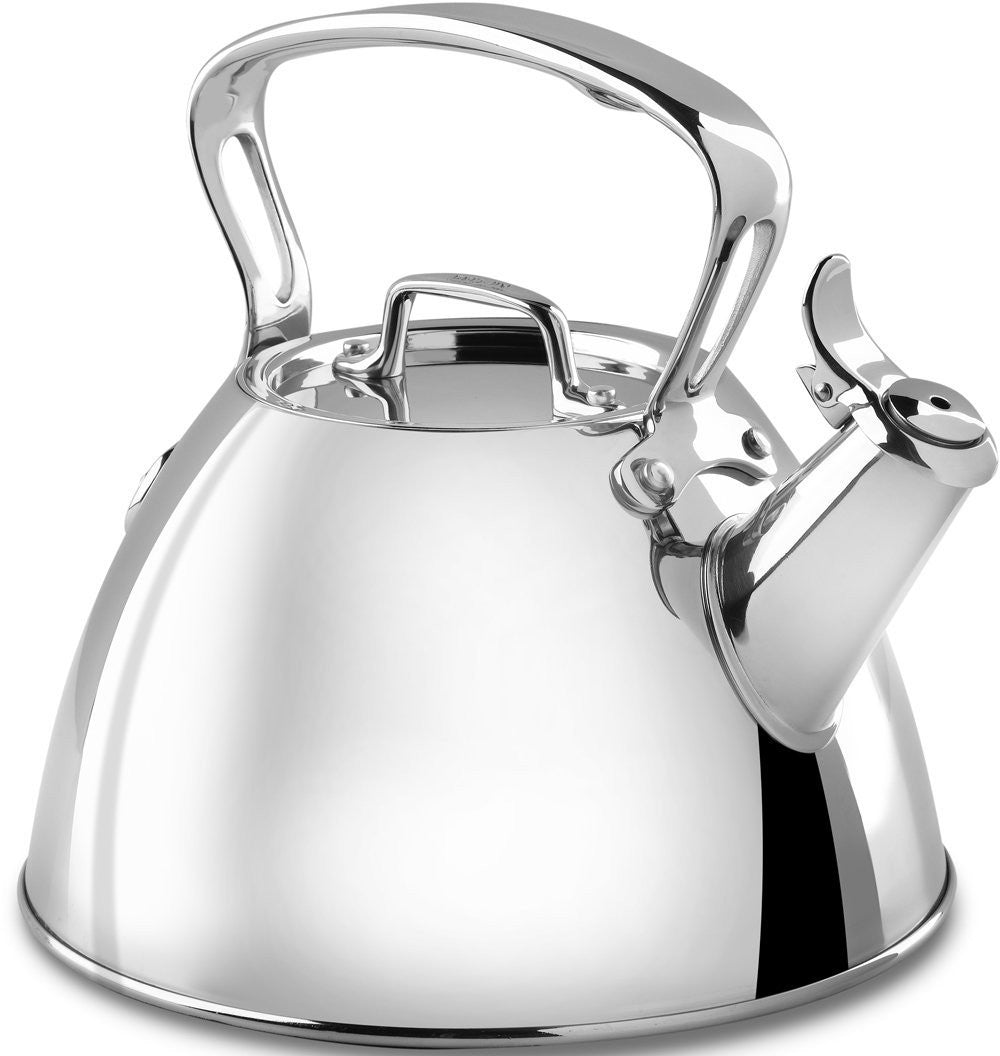
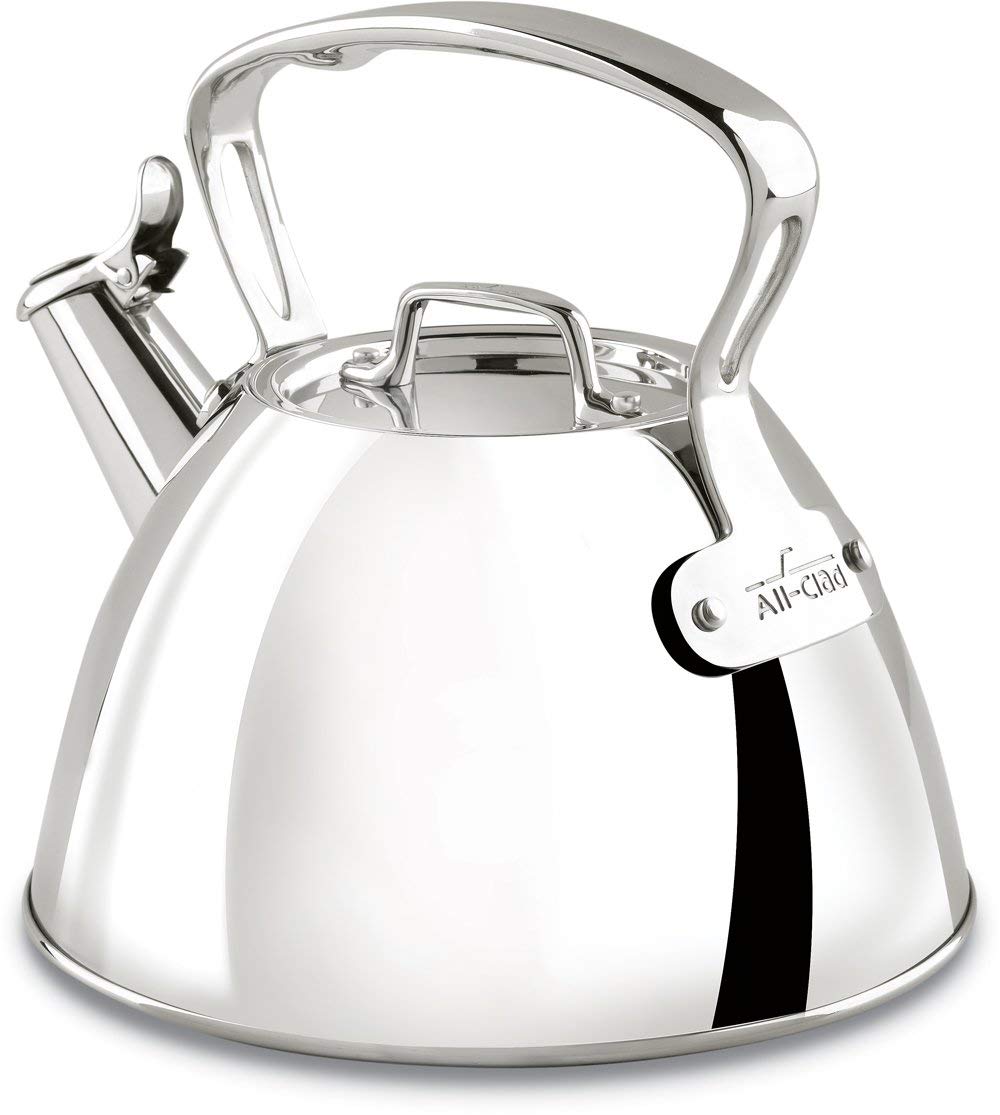
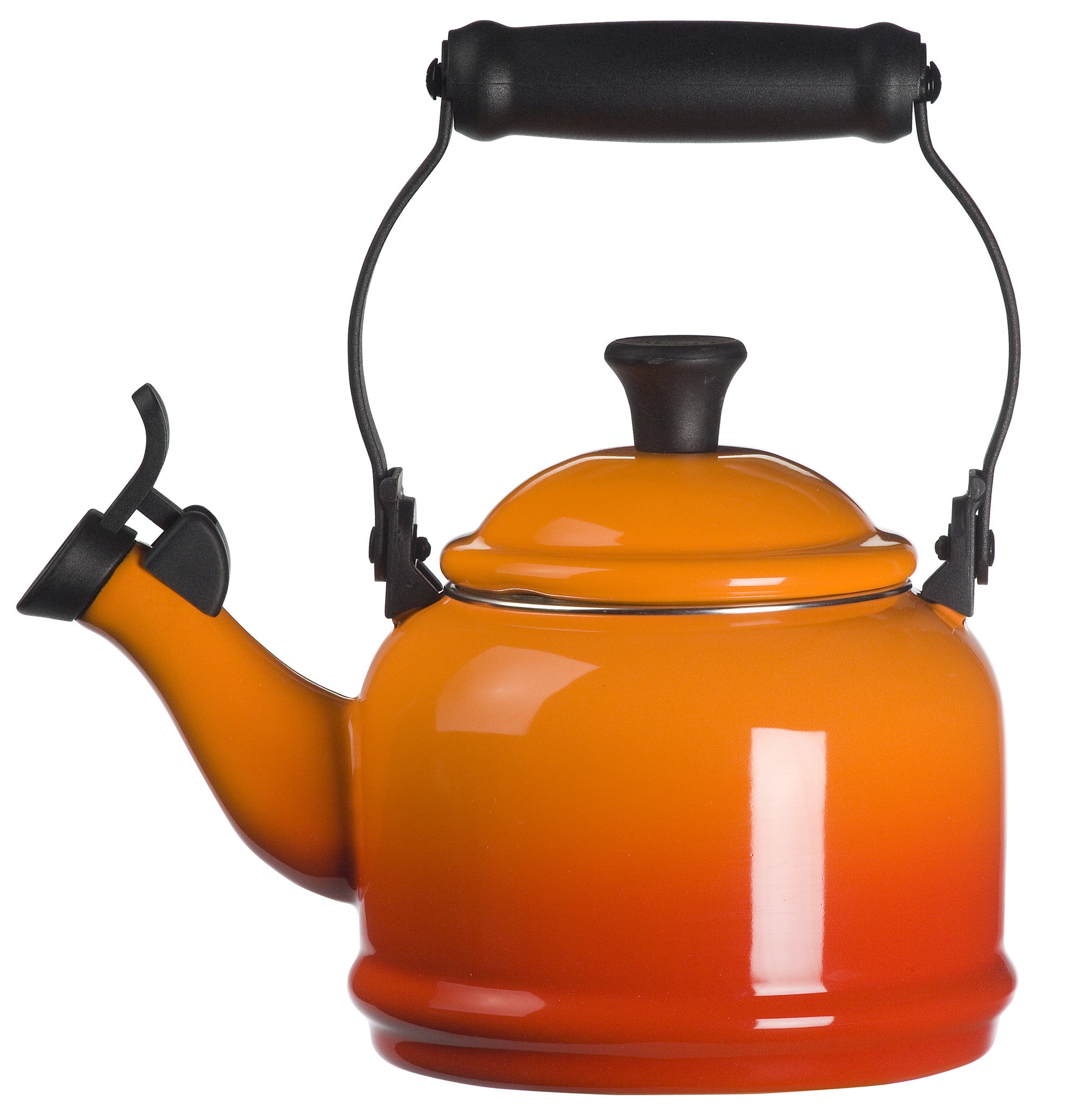
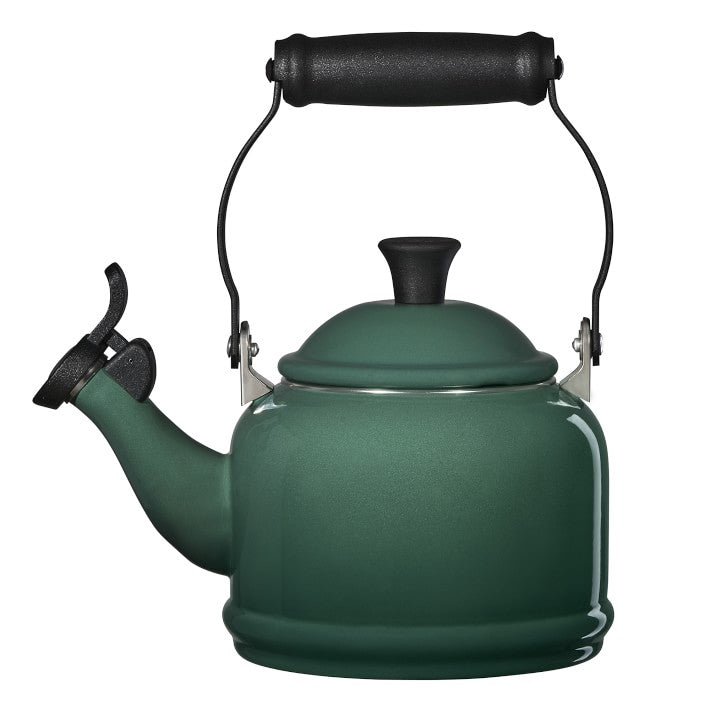
Le Creuset Demi Kettle – Artichaut
Sale price88.95
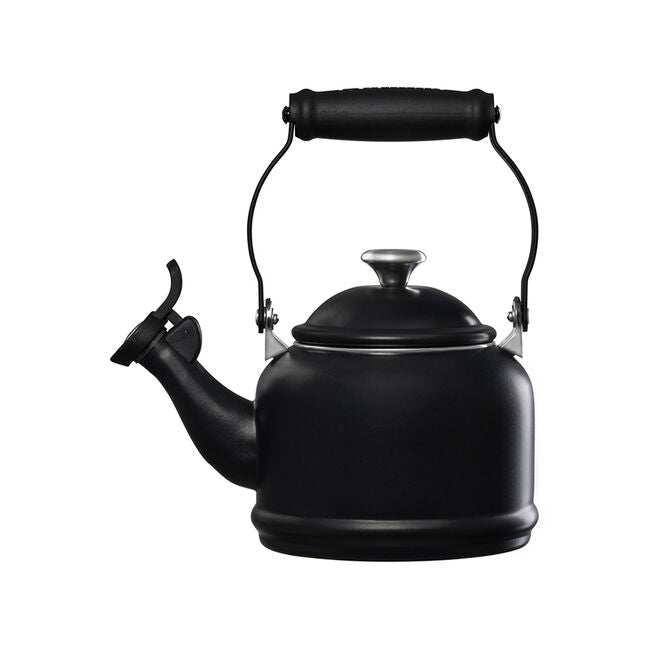
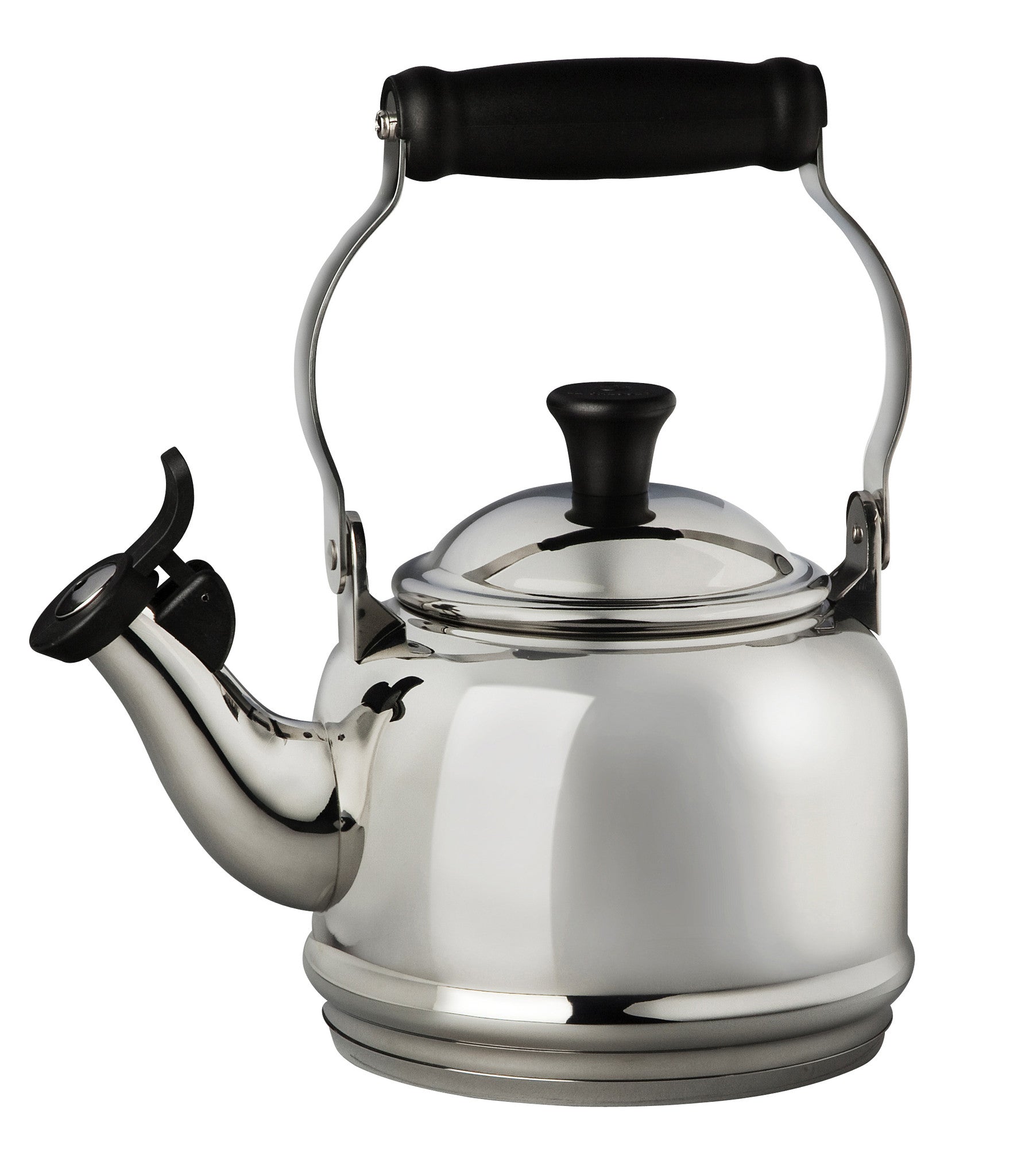
Le Creuset Stainless Steel Demi Kettle
Sale price124.95
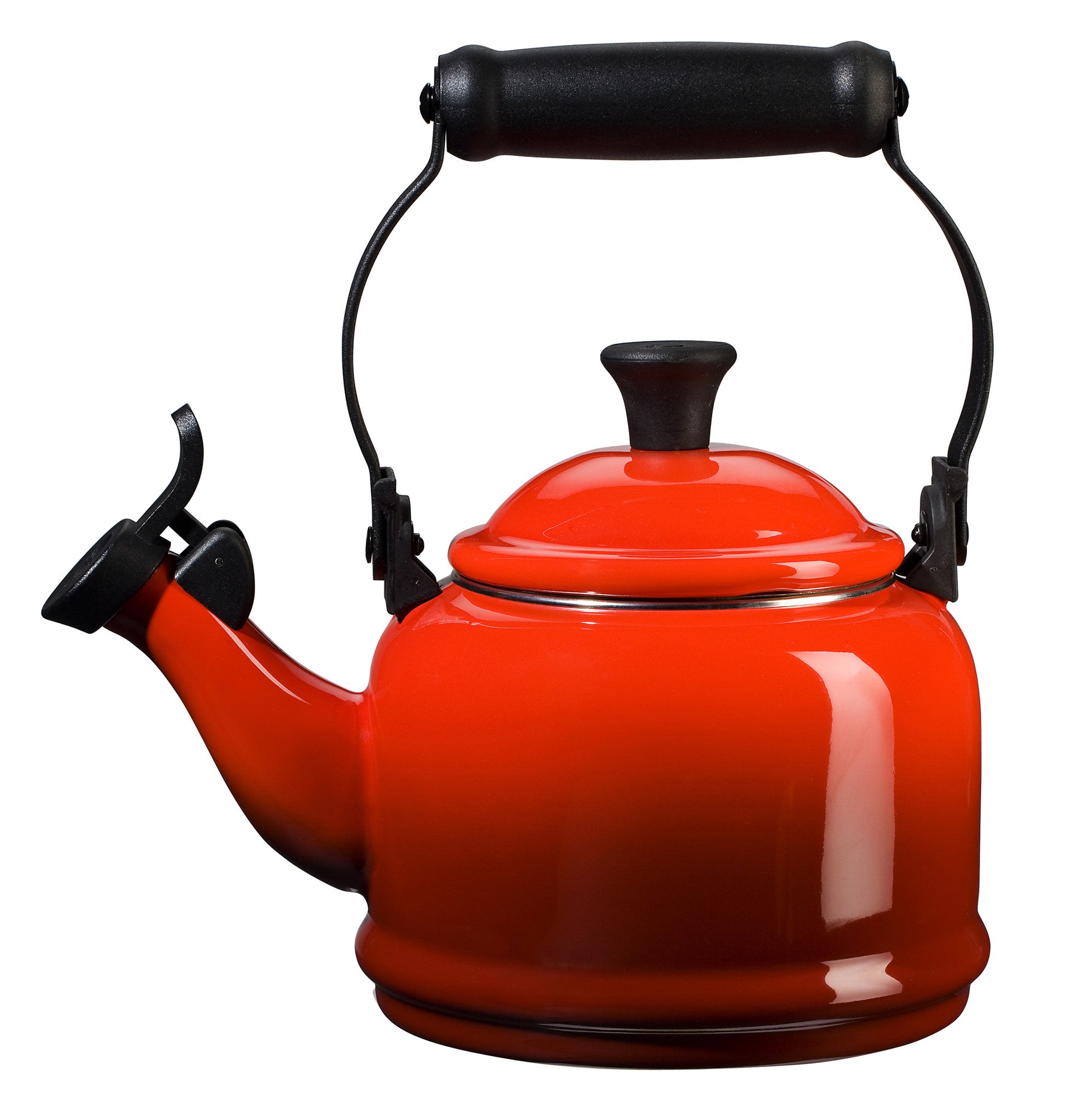
Le Creuset Demi Kettle – Cerise
Sale price88.95
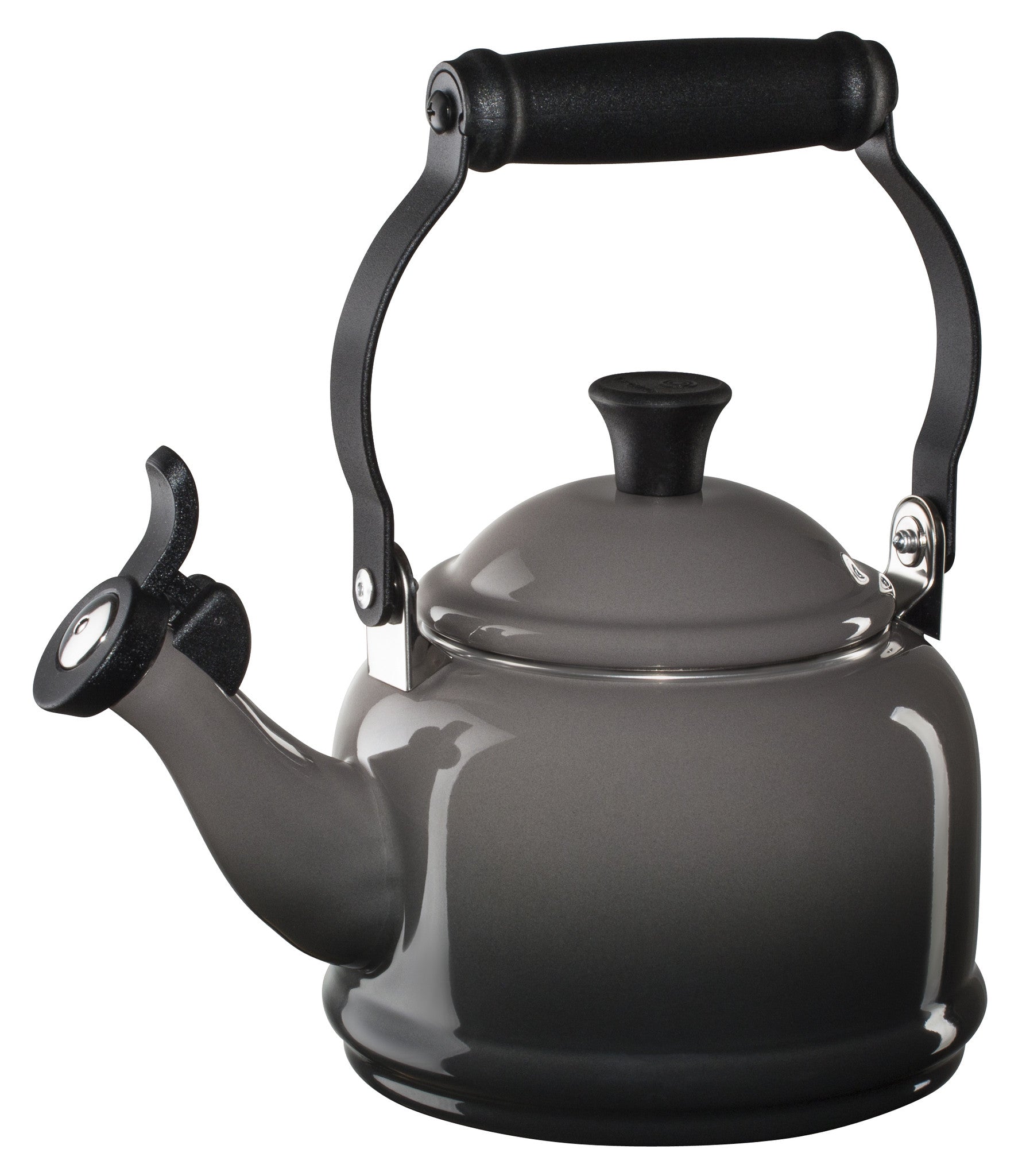
Le Creuset Demi Kettle – Oyster
Sale price88.95


Fellow Stagg EKG Pro Electric Pour-Over Kettle – Matte Black
Sale price199.95


Fellow Stagg EKG Pro Electric Pour-Over Kettle – Matte White
Sale price199.95


OXO Cordless Glass Electric Kettle – 1.85qt.
Sale price99.99
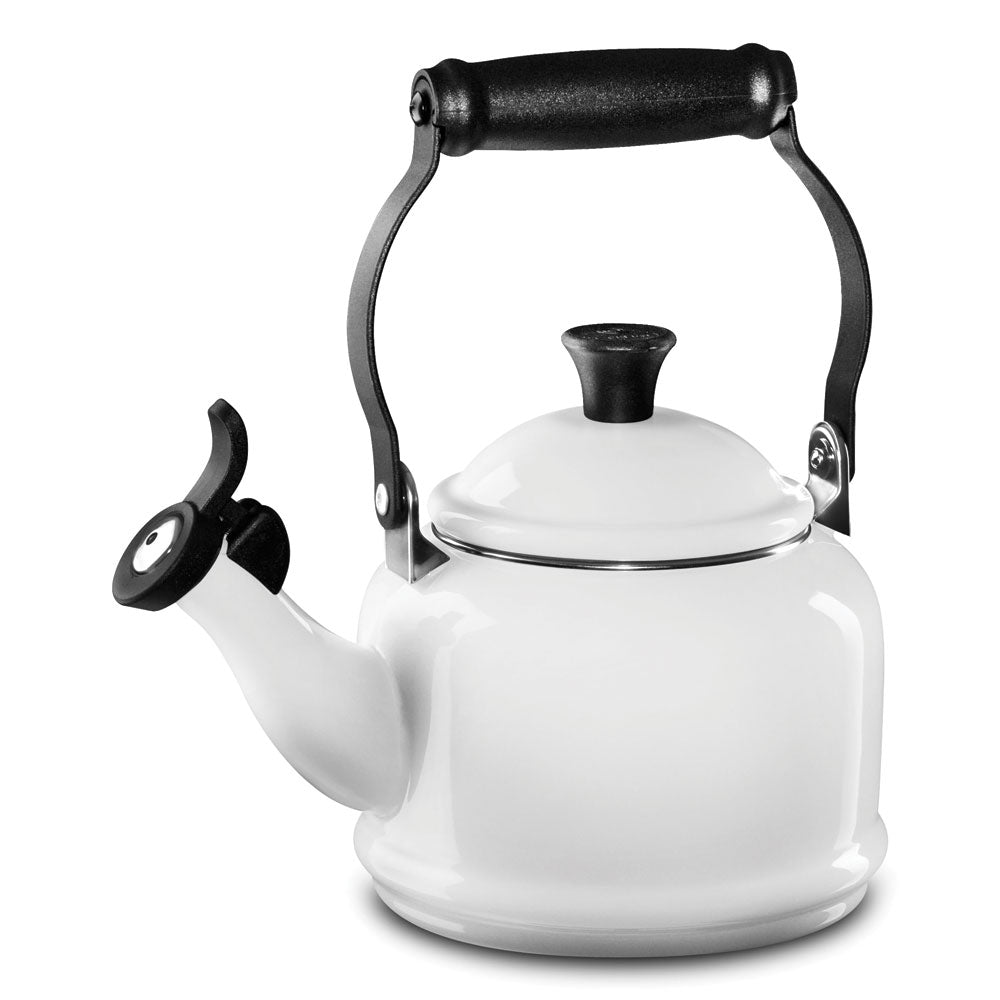
Le Creuset Demi Kettle – White
Sale price88.95
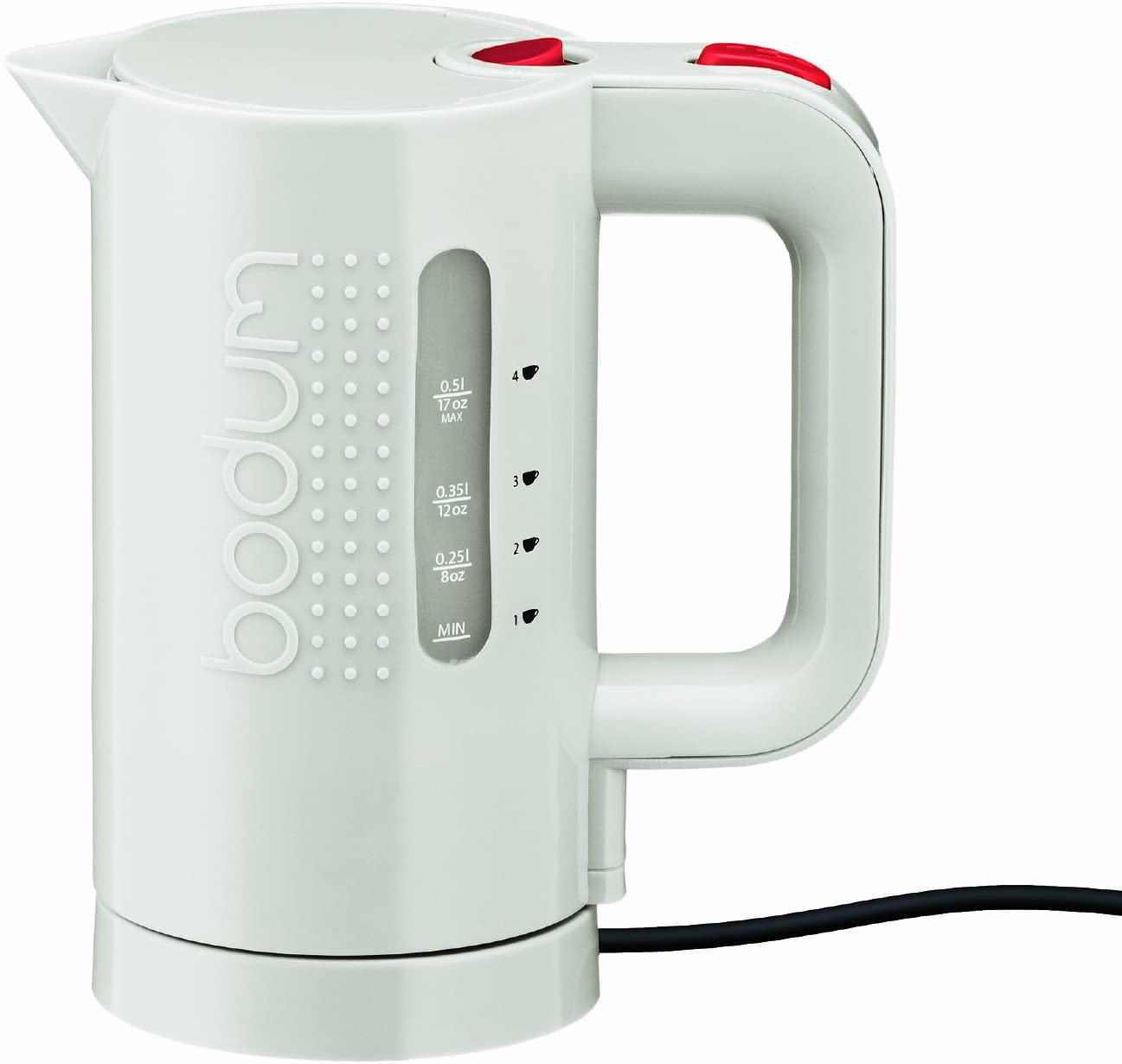
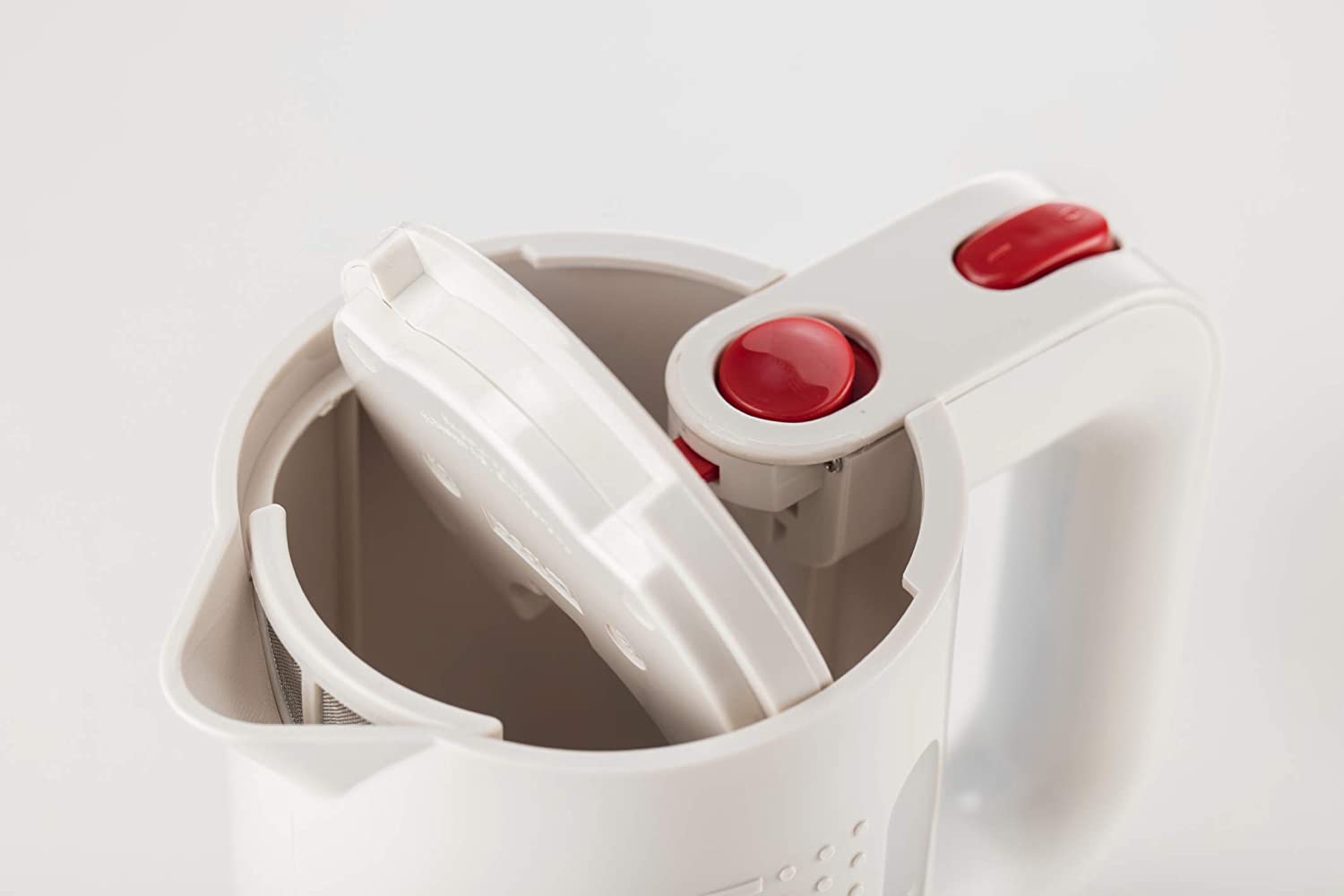
Bodum Bistro Electric Water Kettle – 17 Ounce – White
Sale price39.95
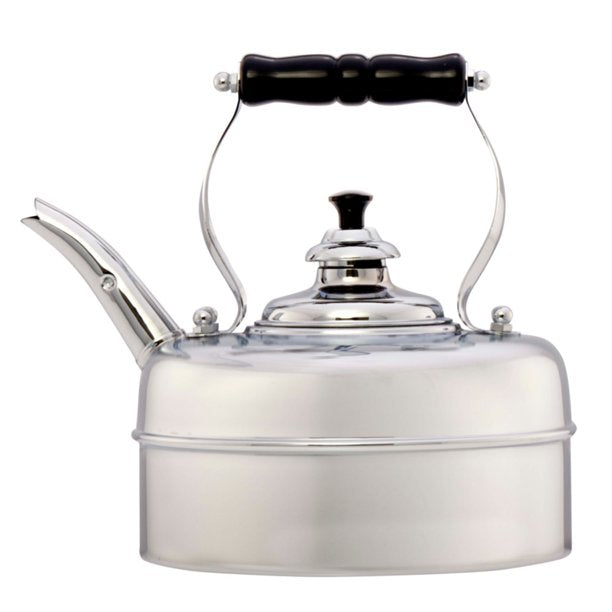
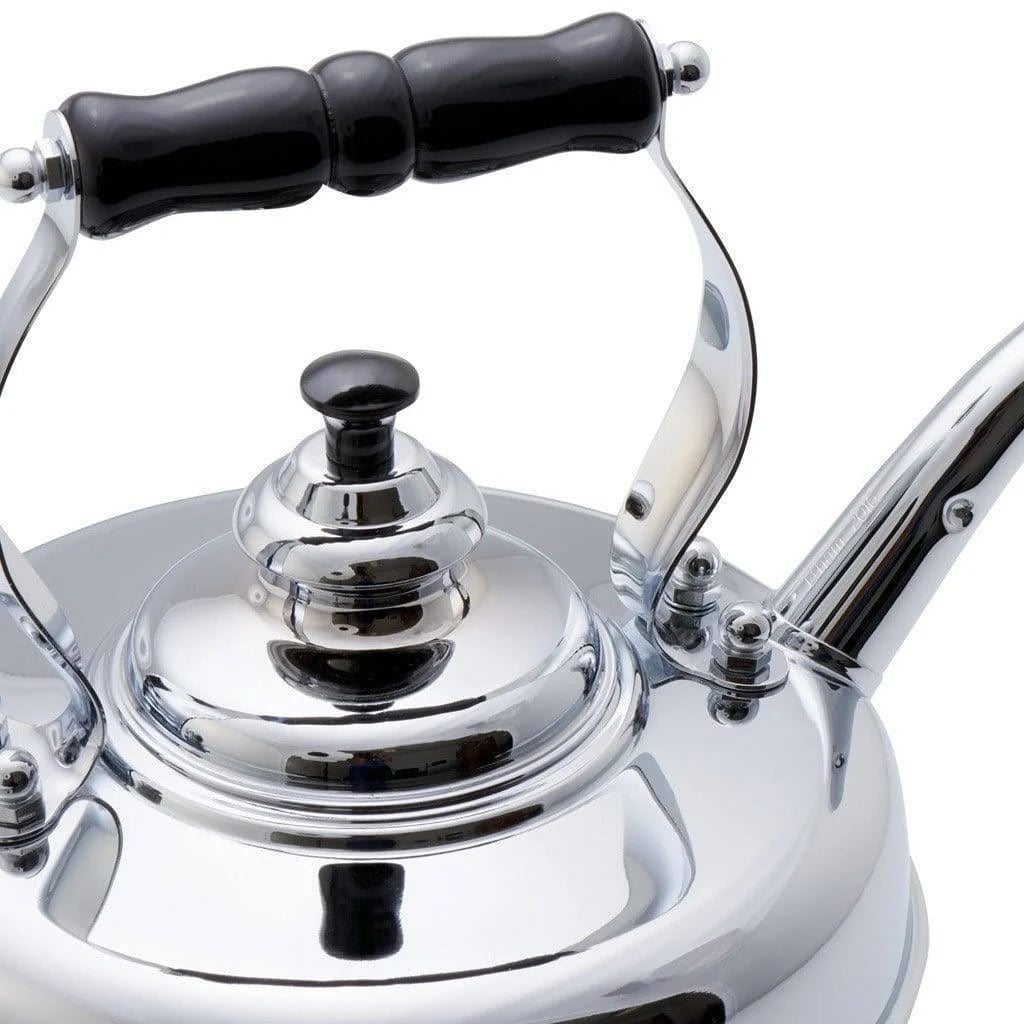
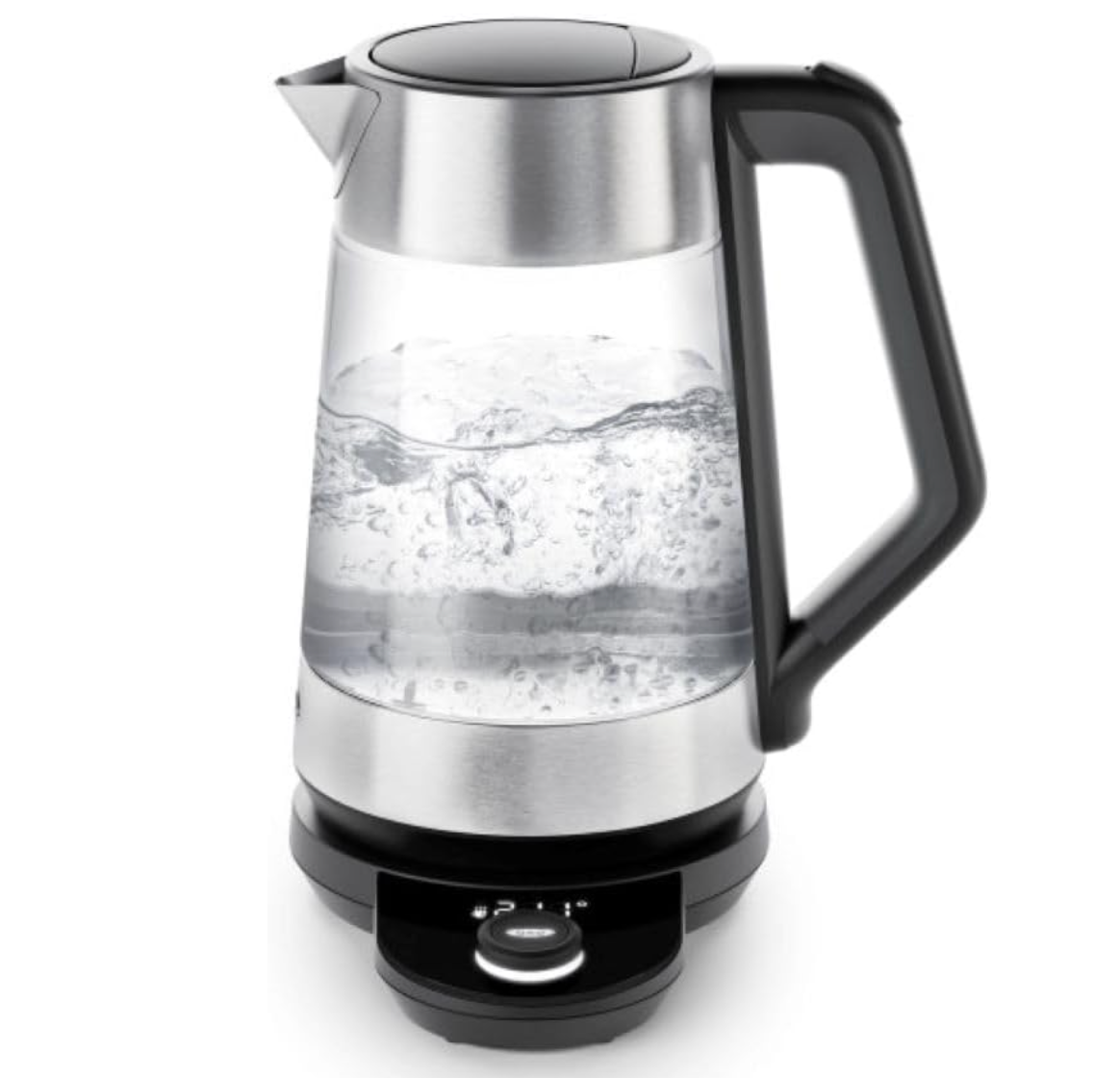
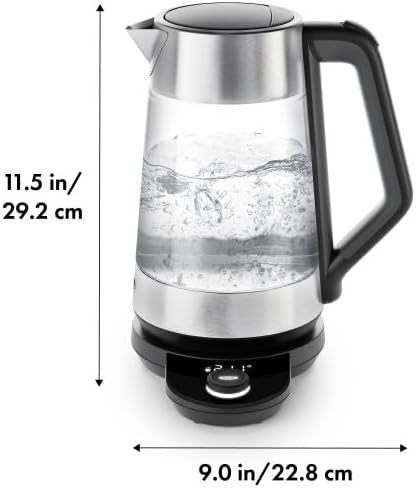
OXO Adjustable Temperature Electric Kettle – Clear Glass
Sale price119.99
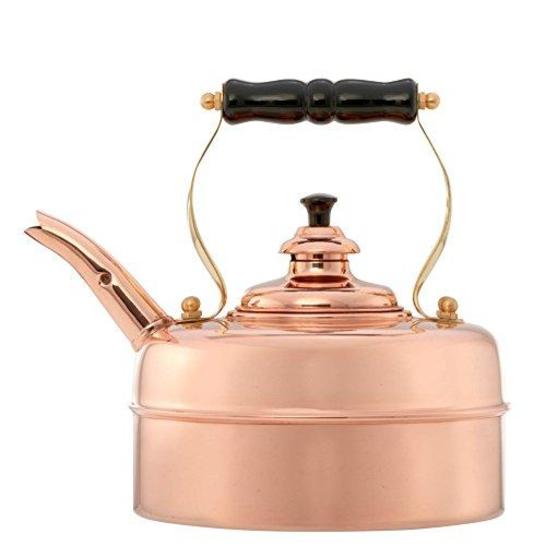
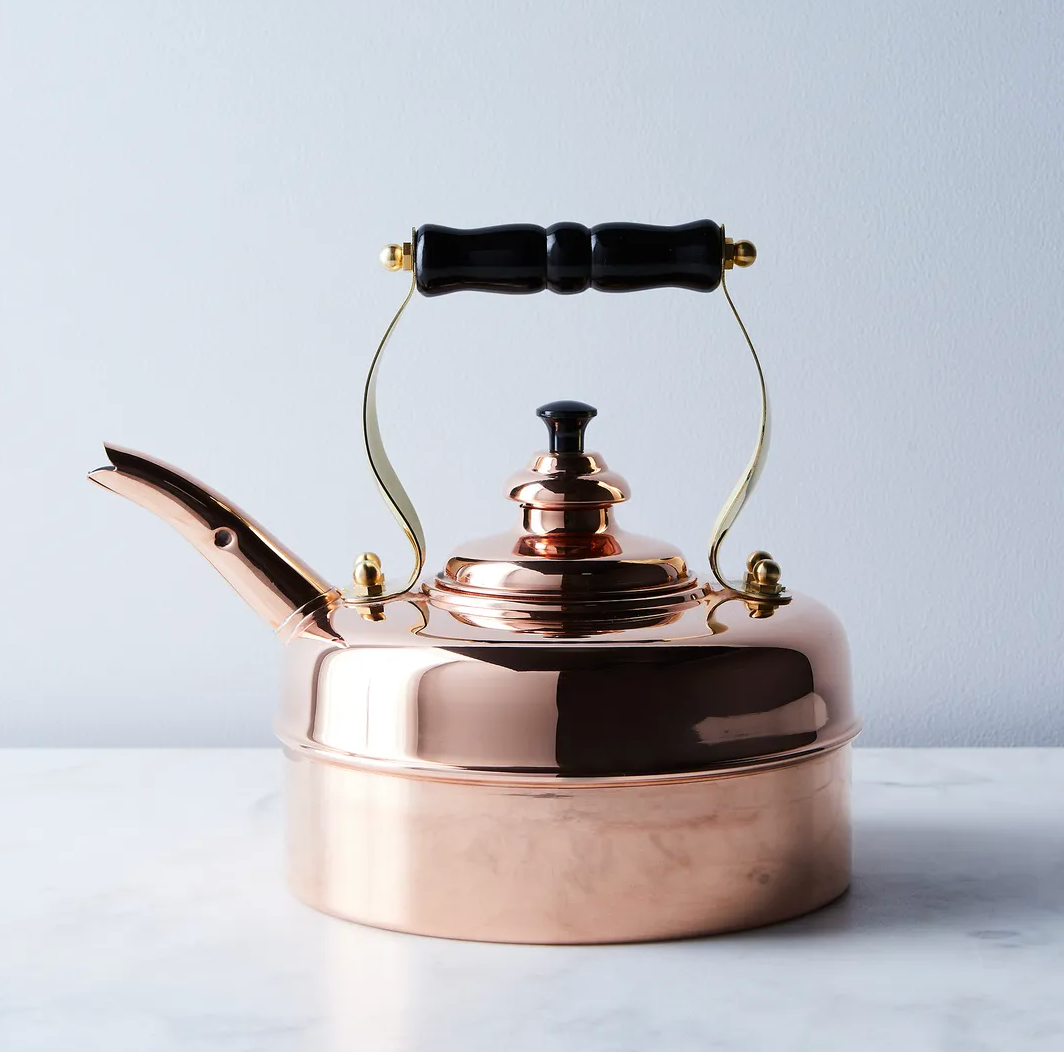
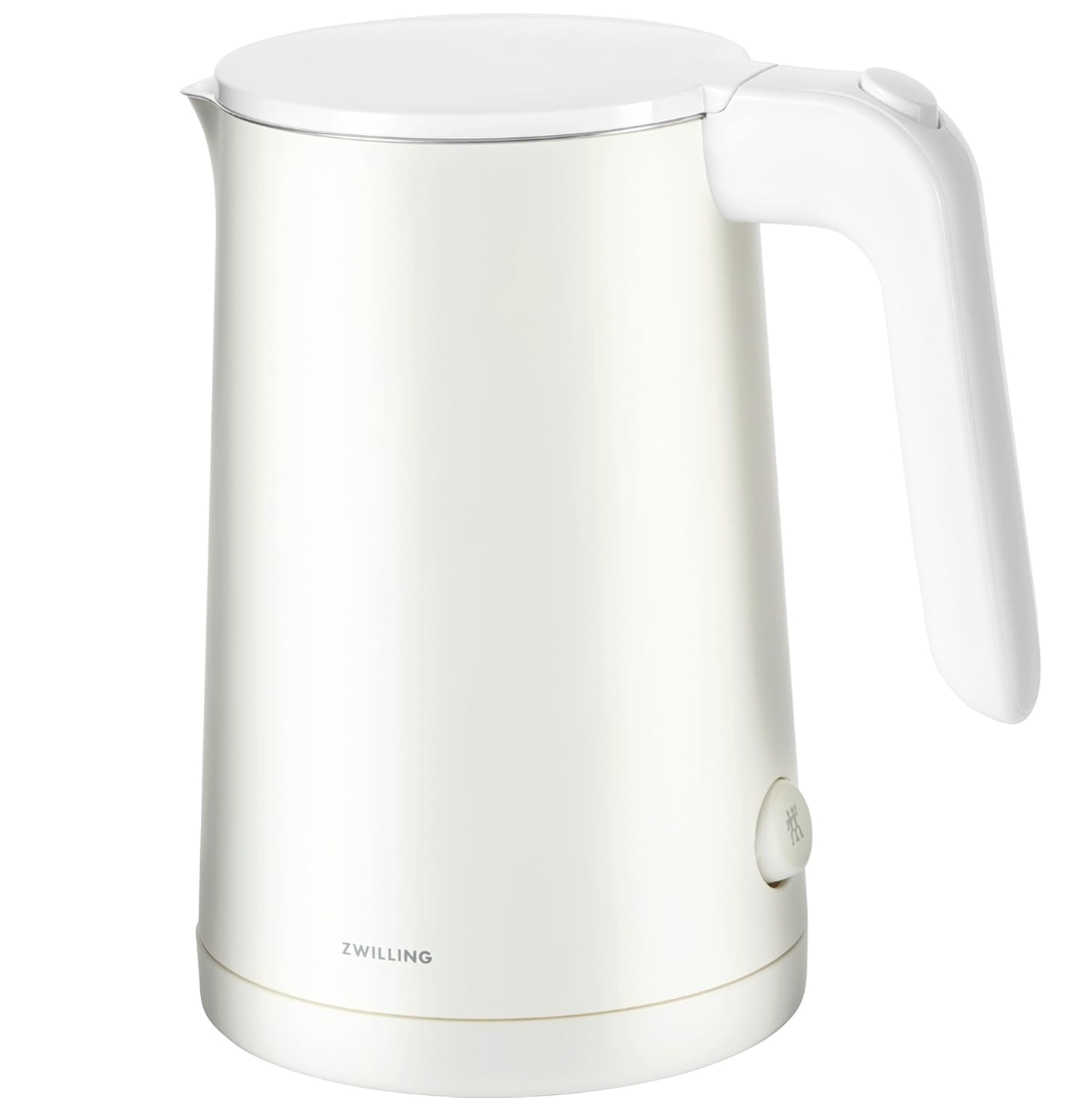
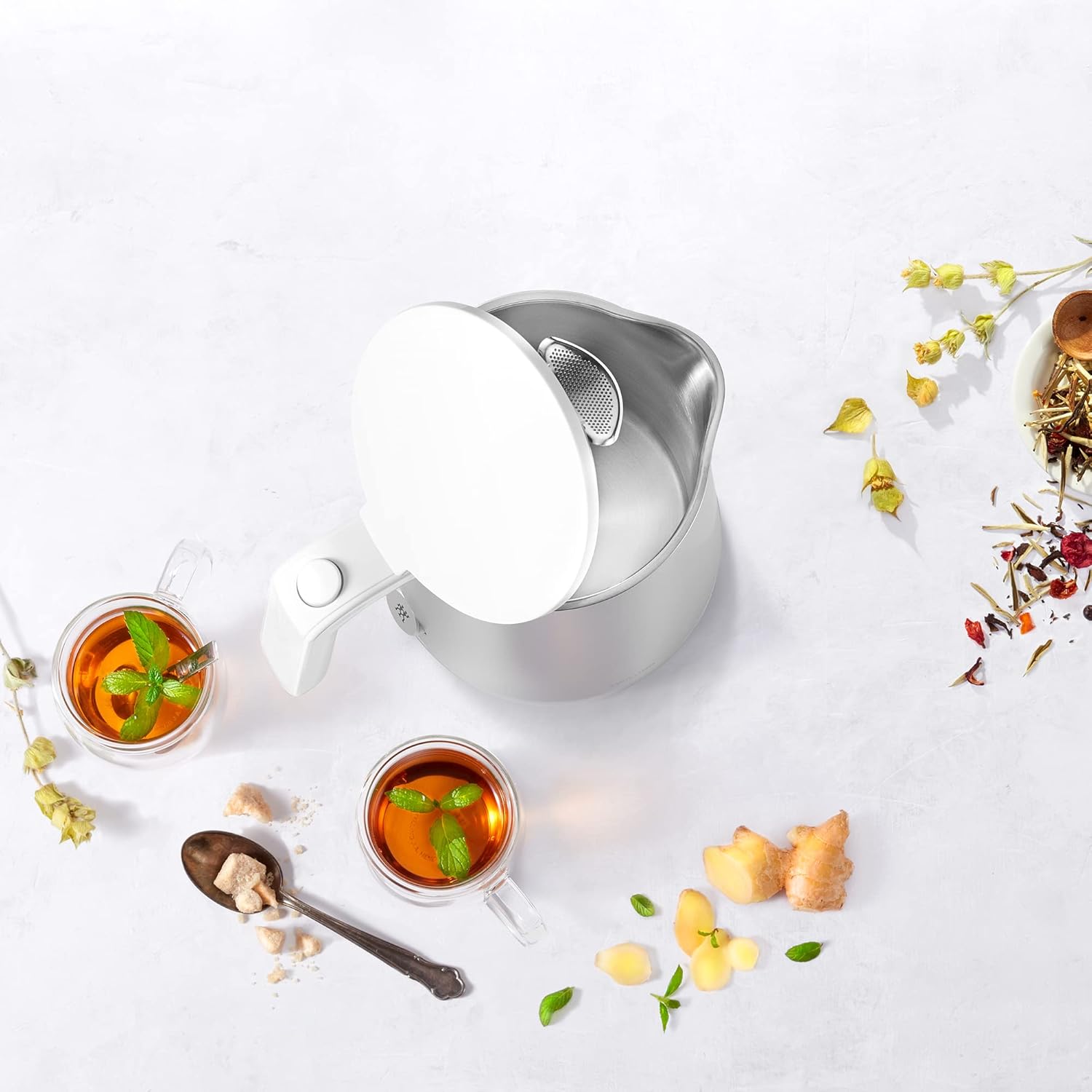
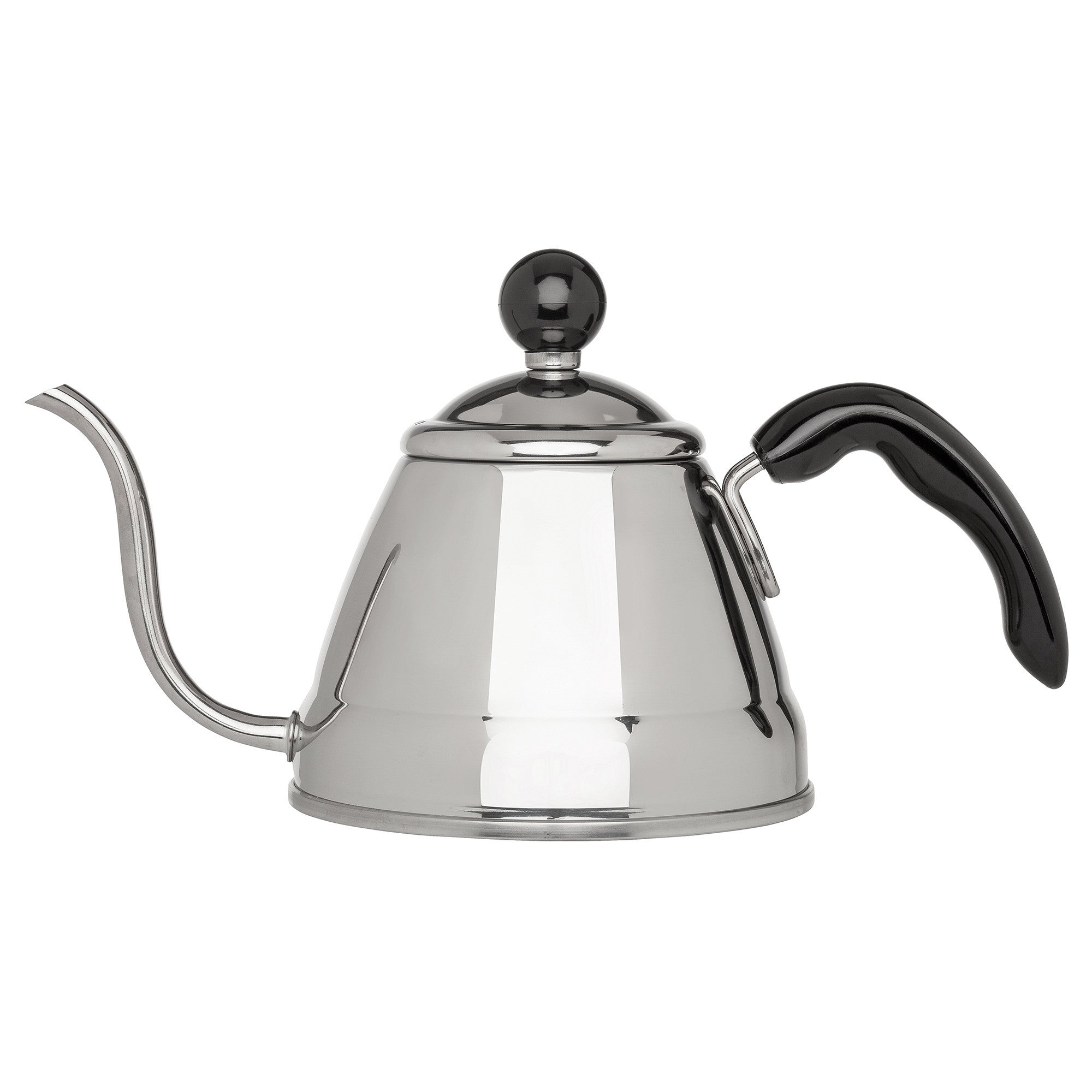
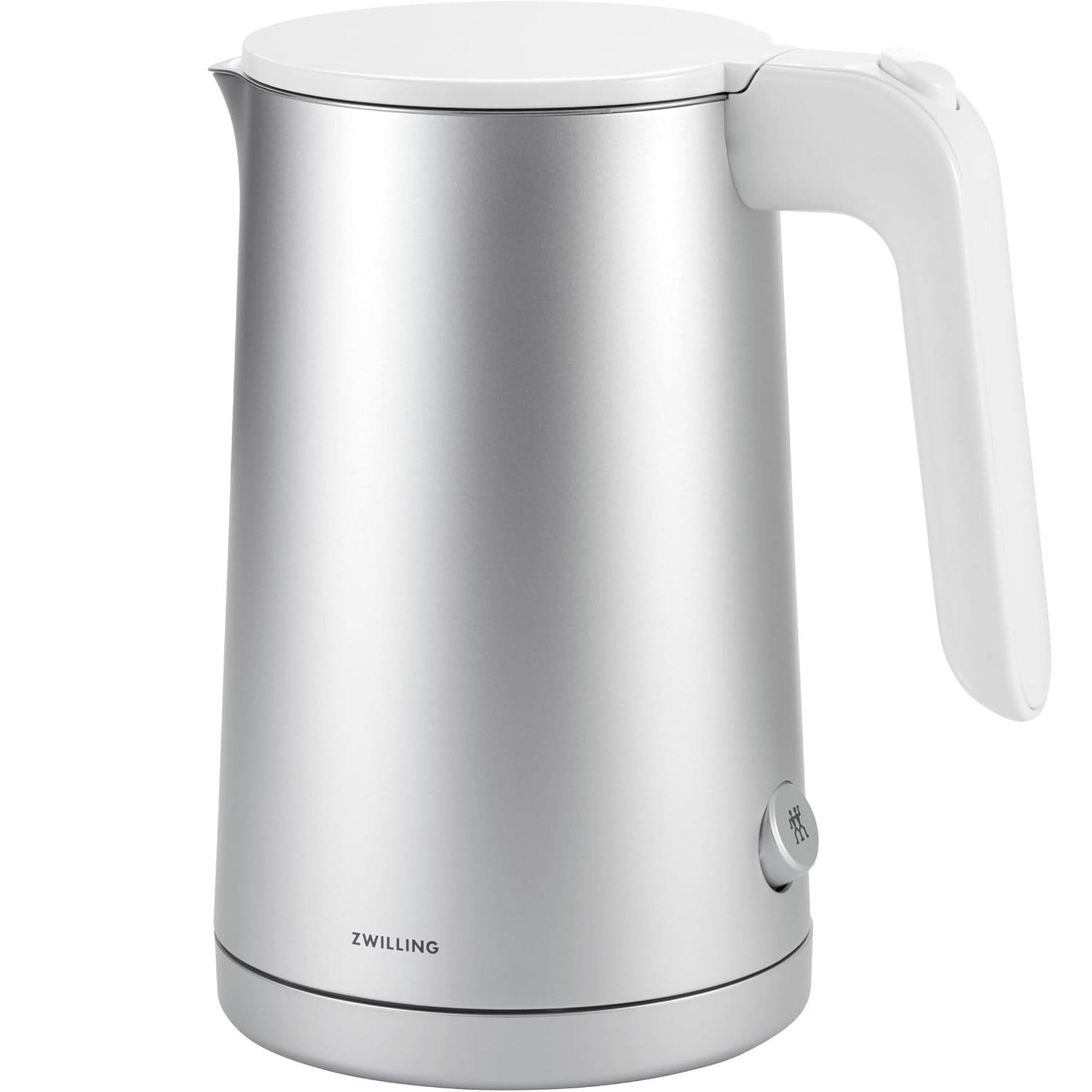
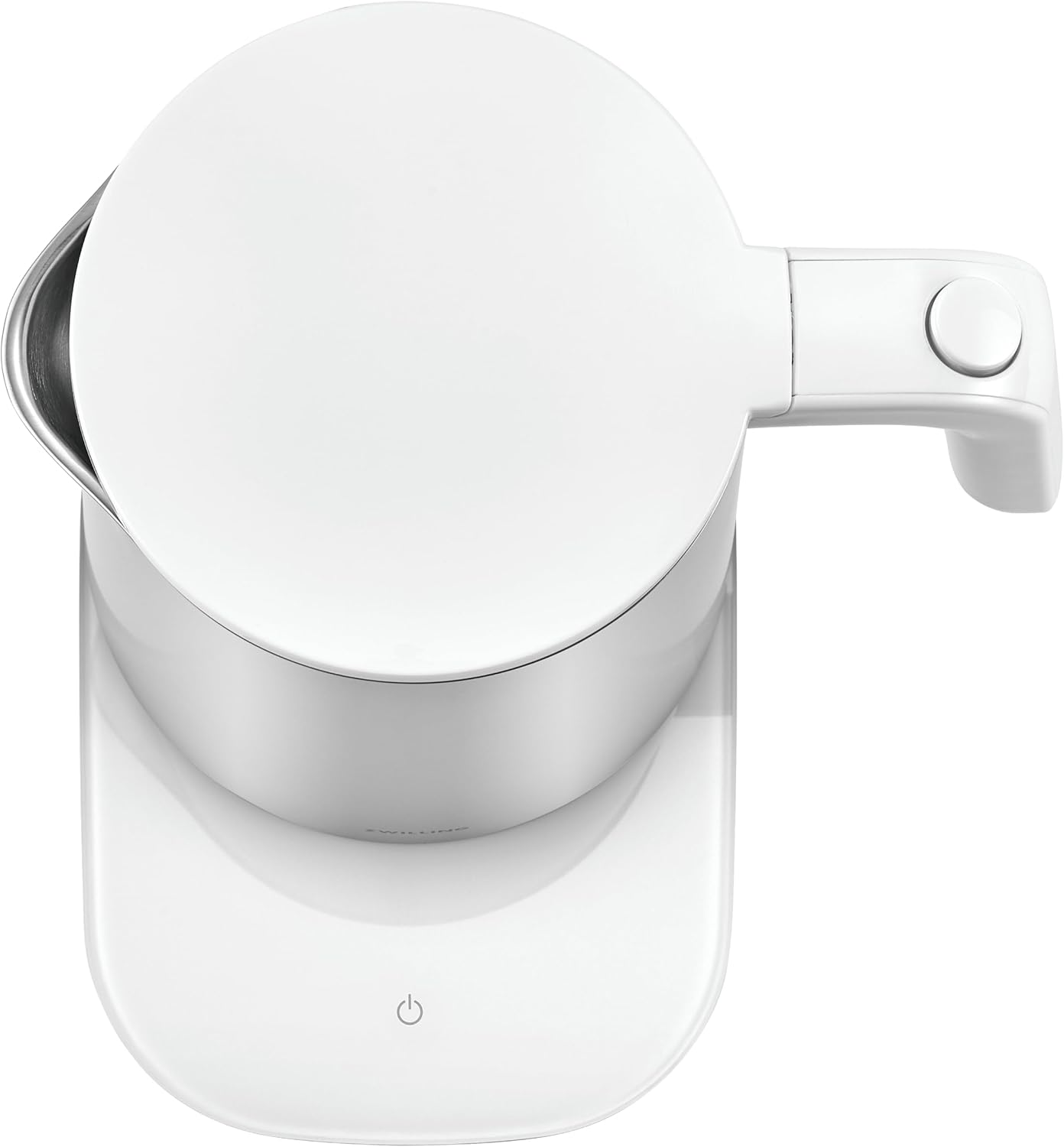
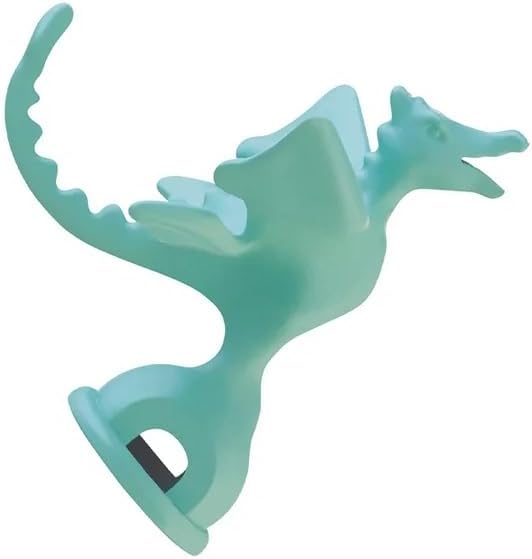
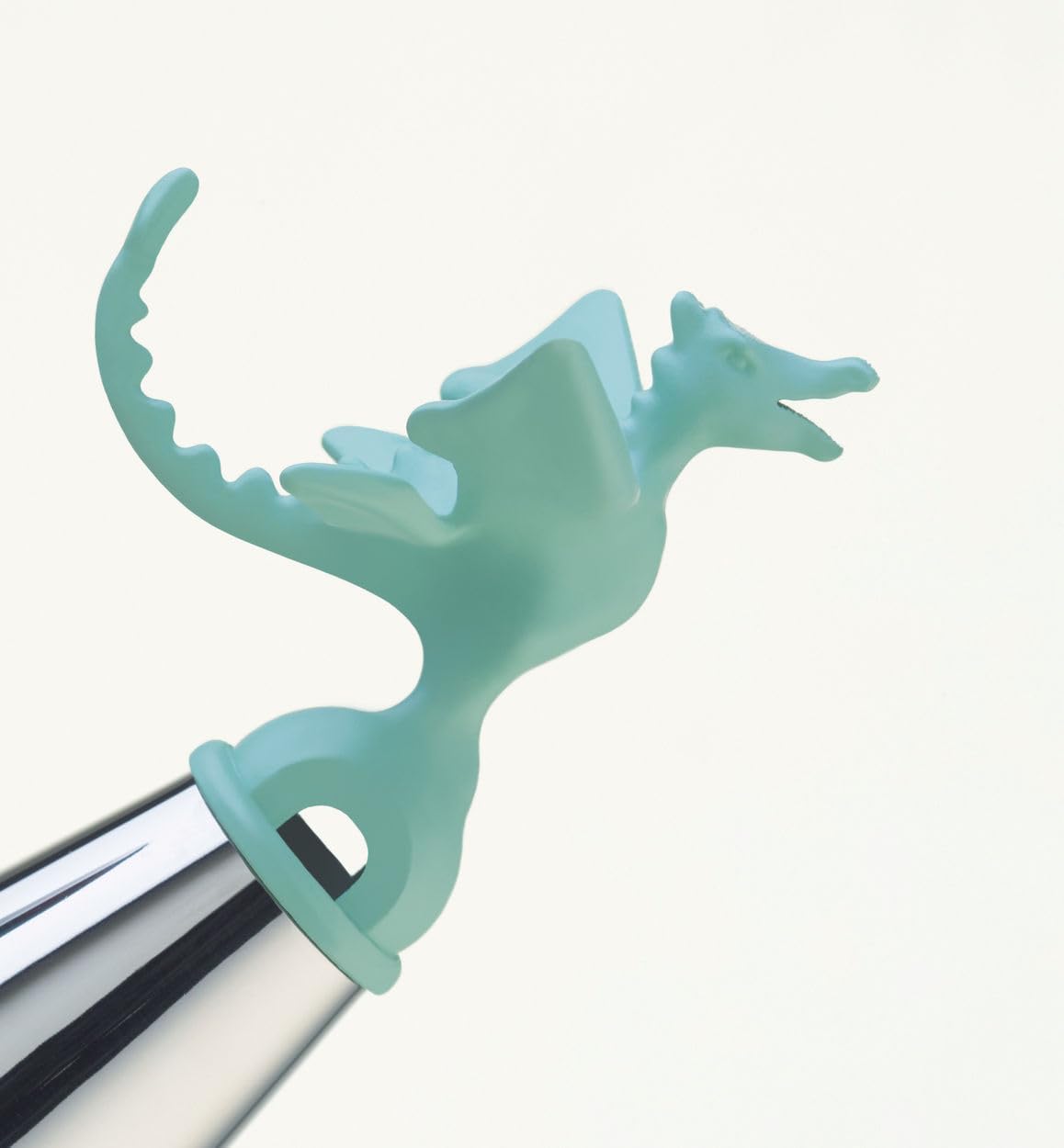
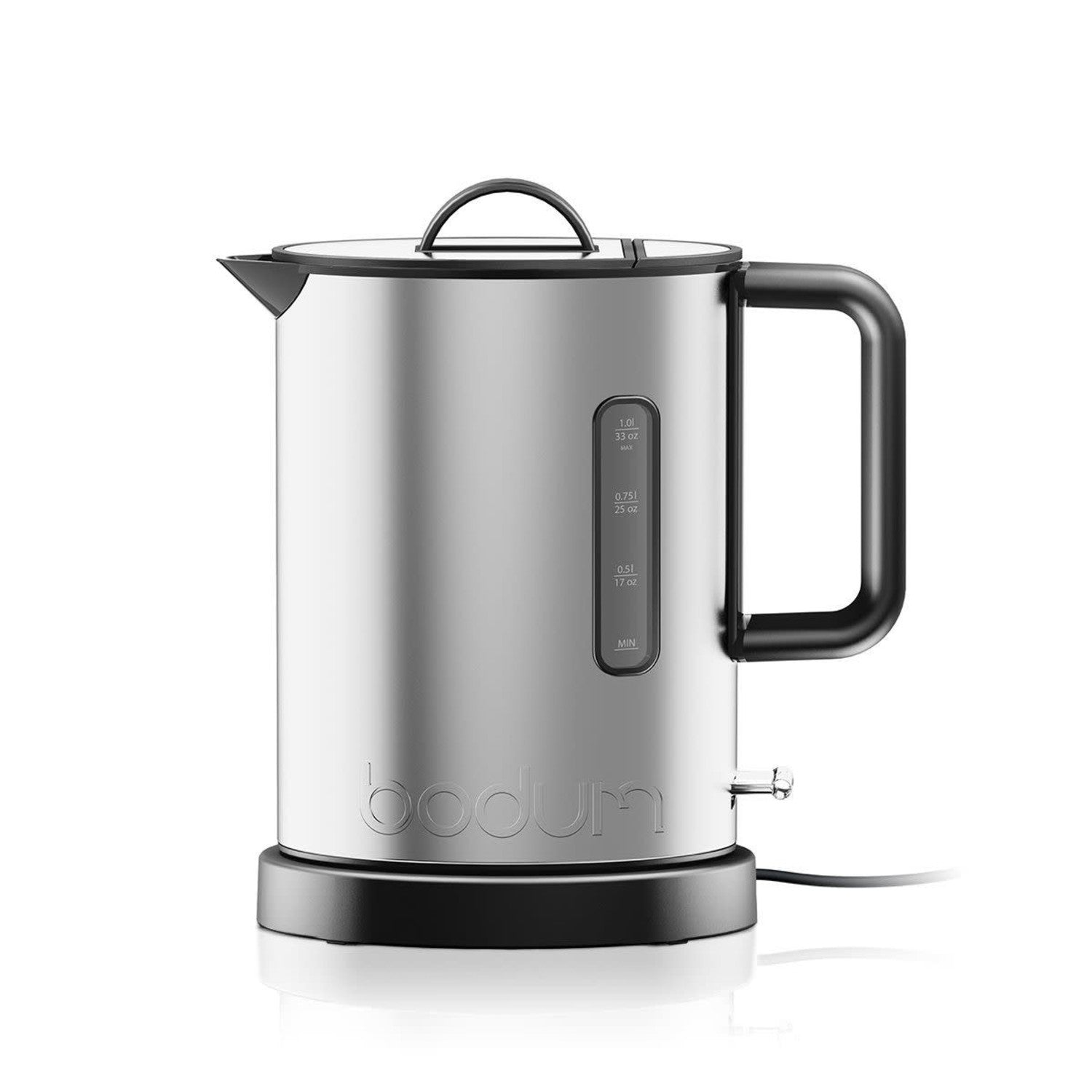
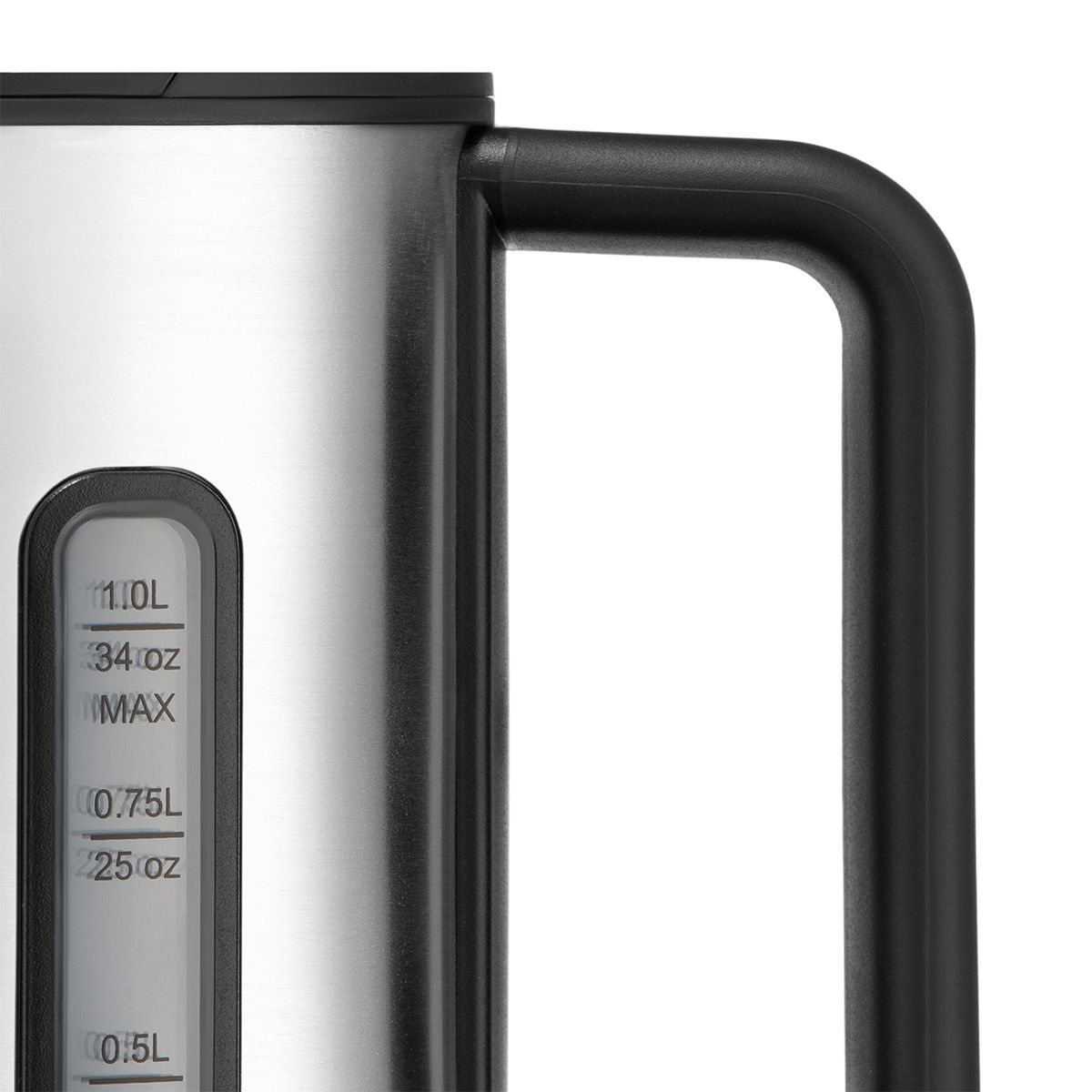
Bodum IBIS Electric Water Kettle – 34oz. – Stainless Steel
Sale price79.95
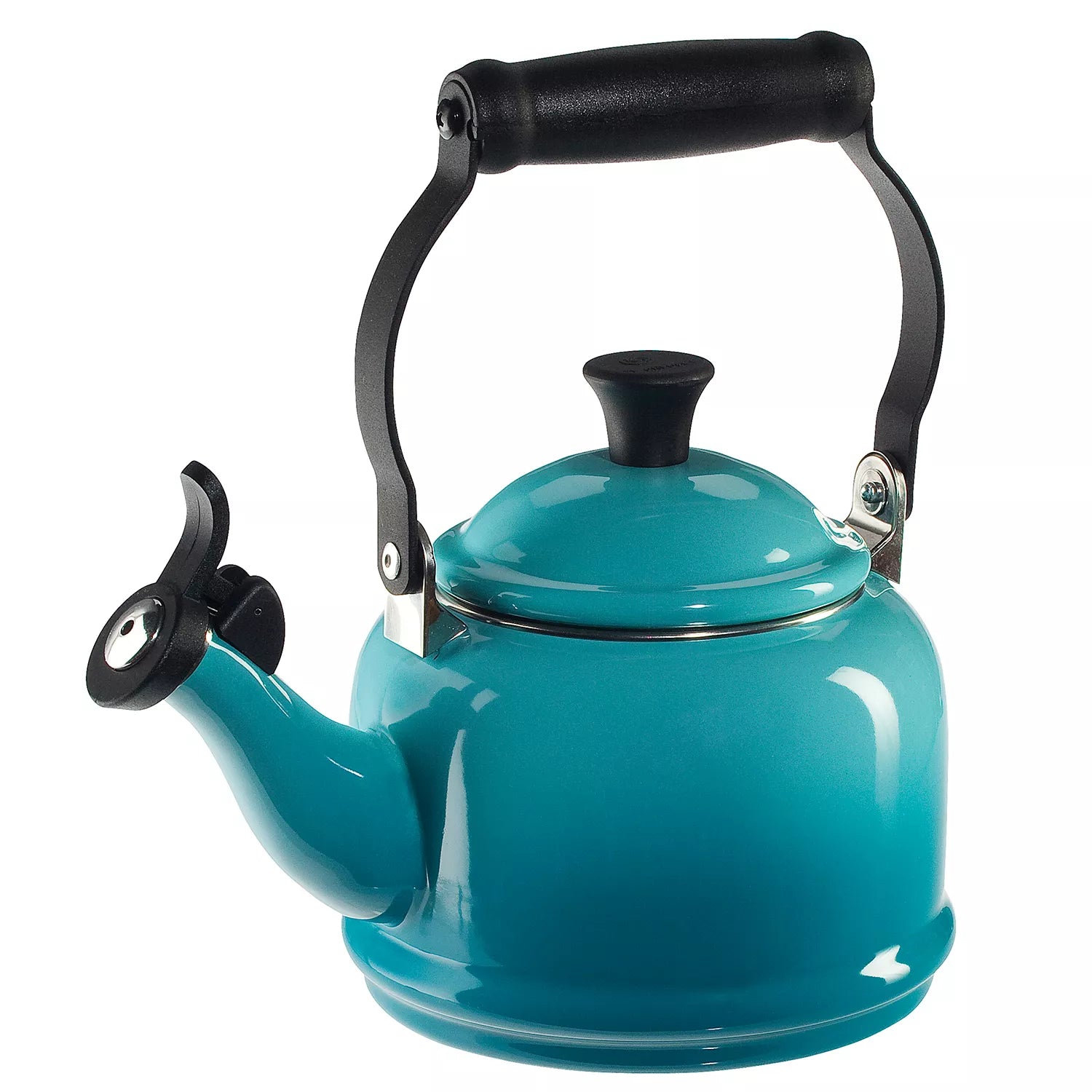
Le Creuset Demi Kettle – Caribbean
Sale price88.95
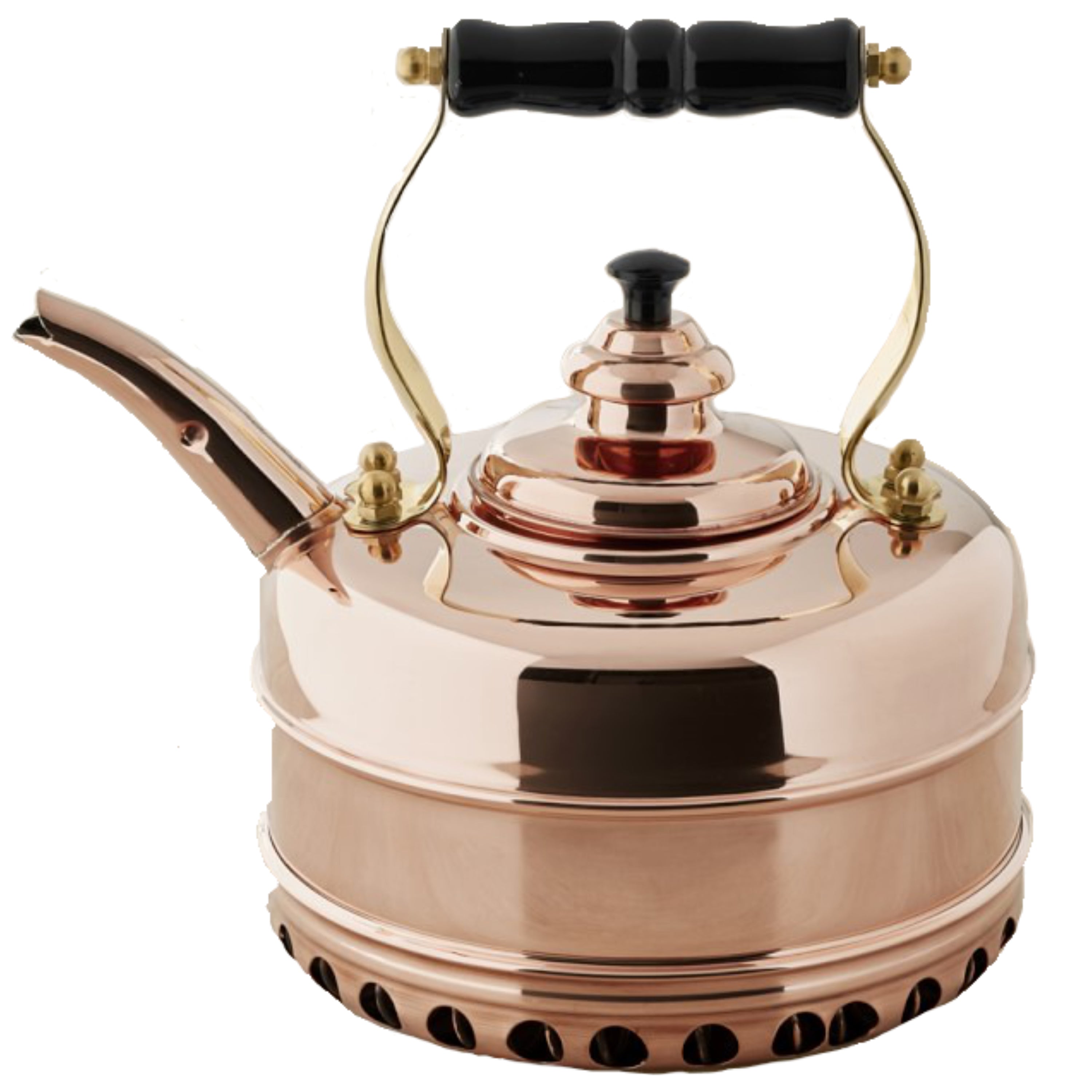
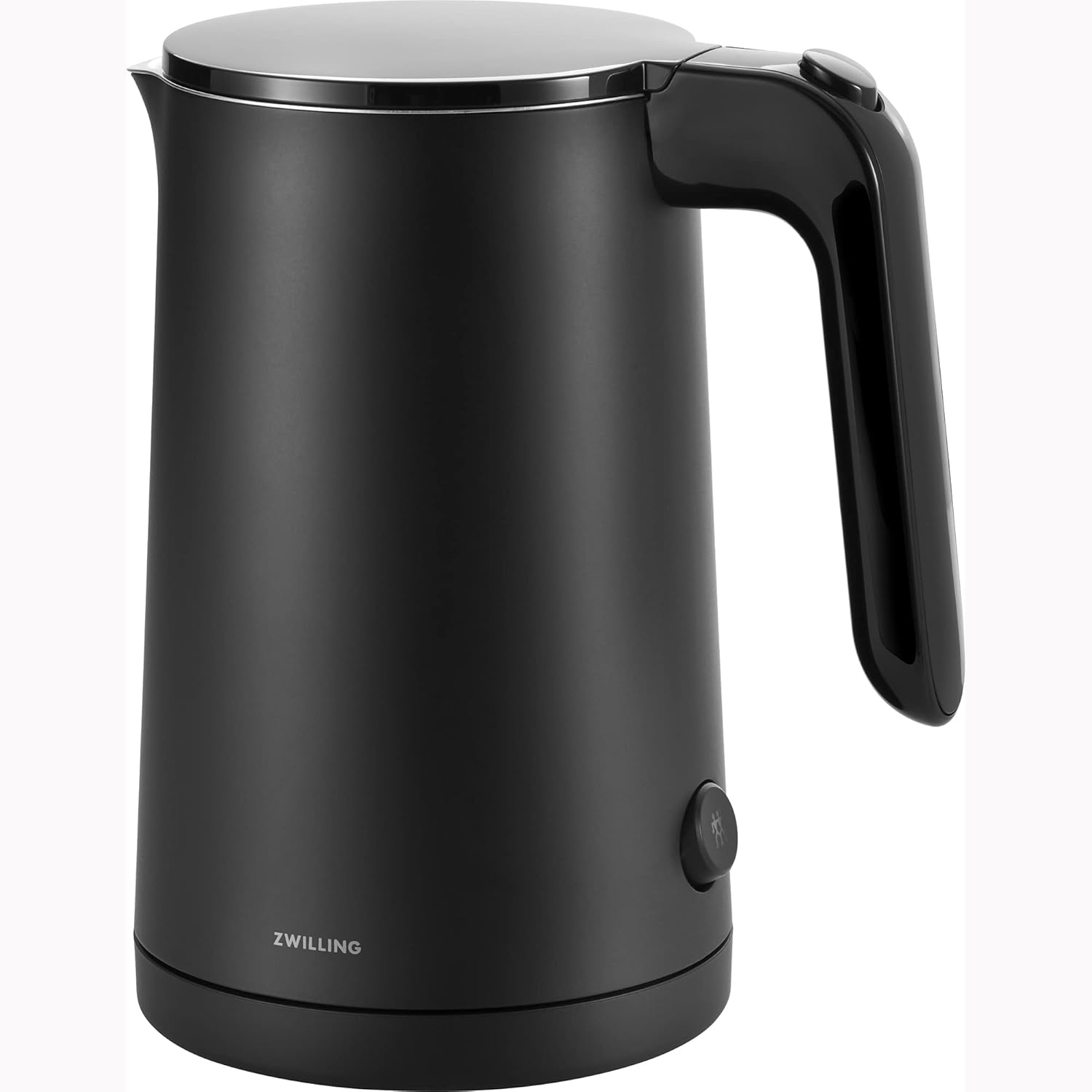
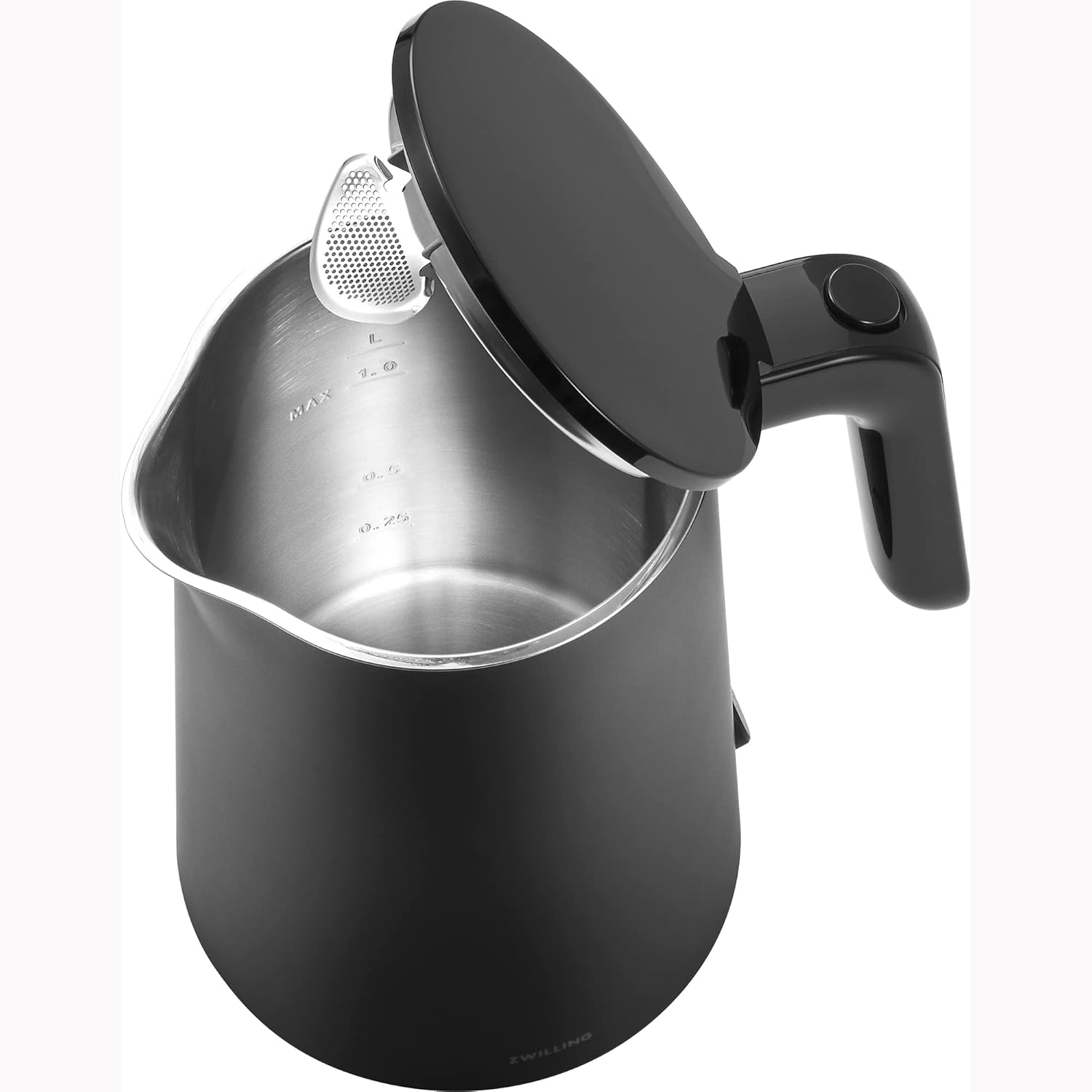
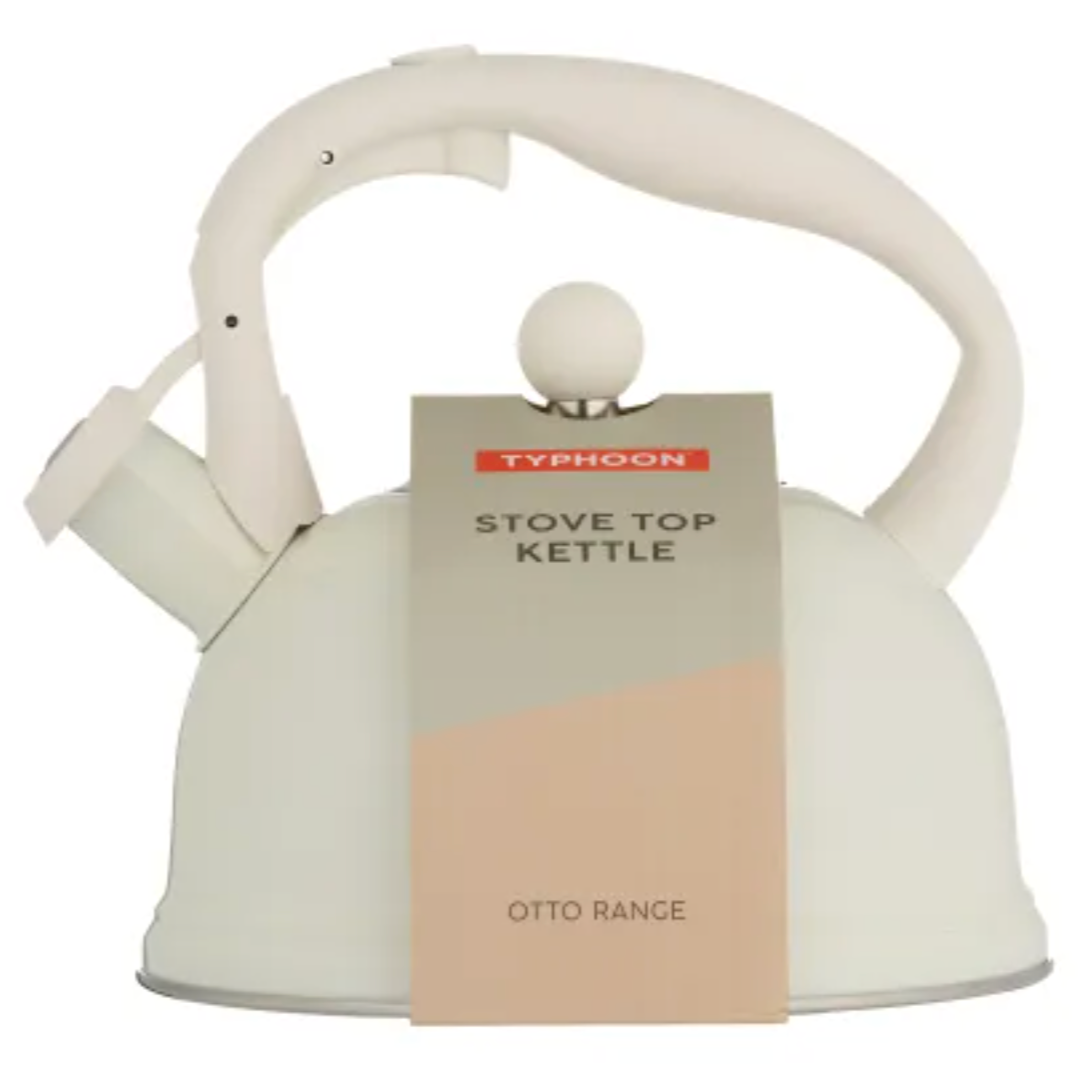
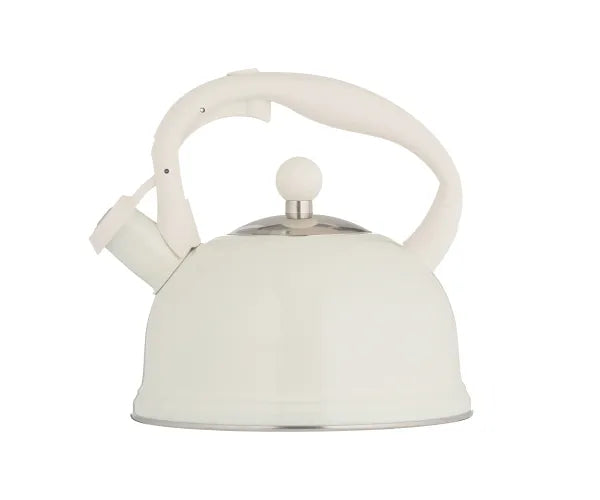
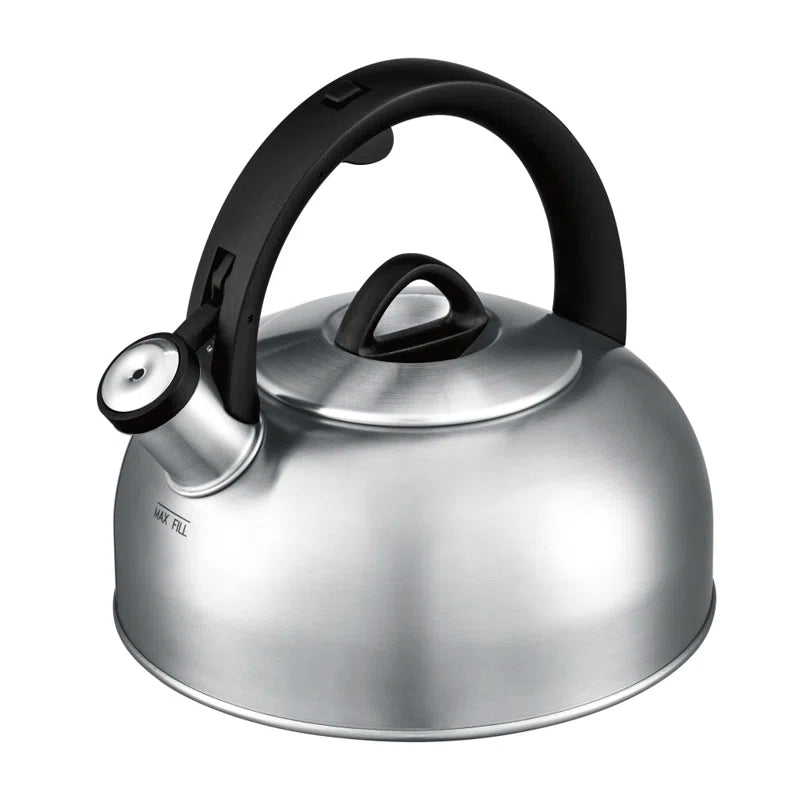
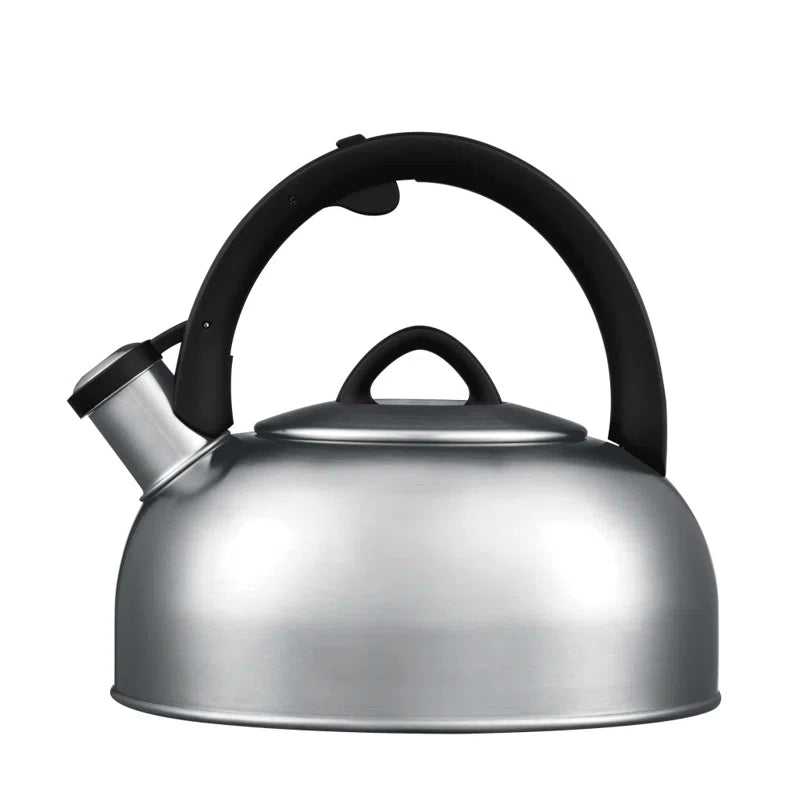
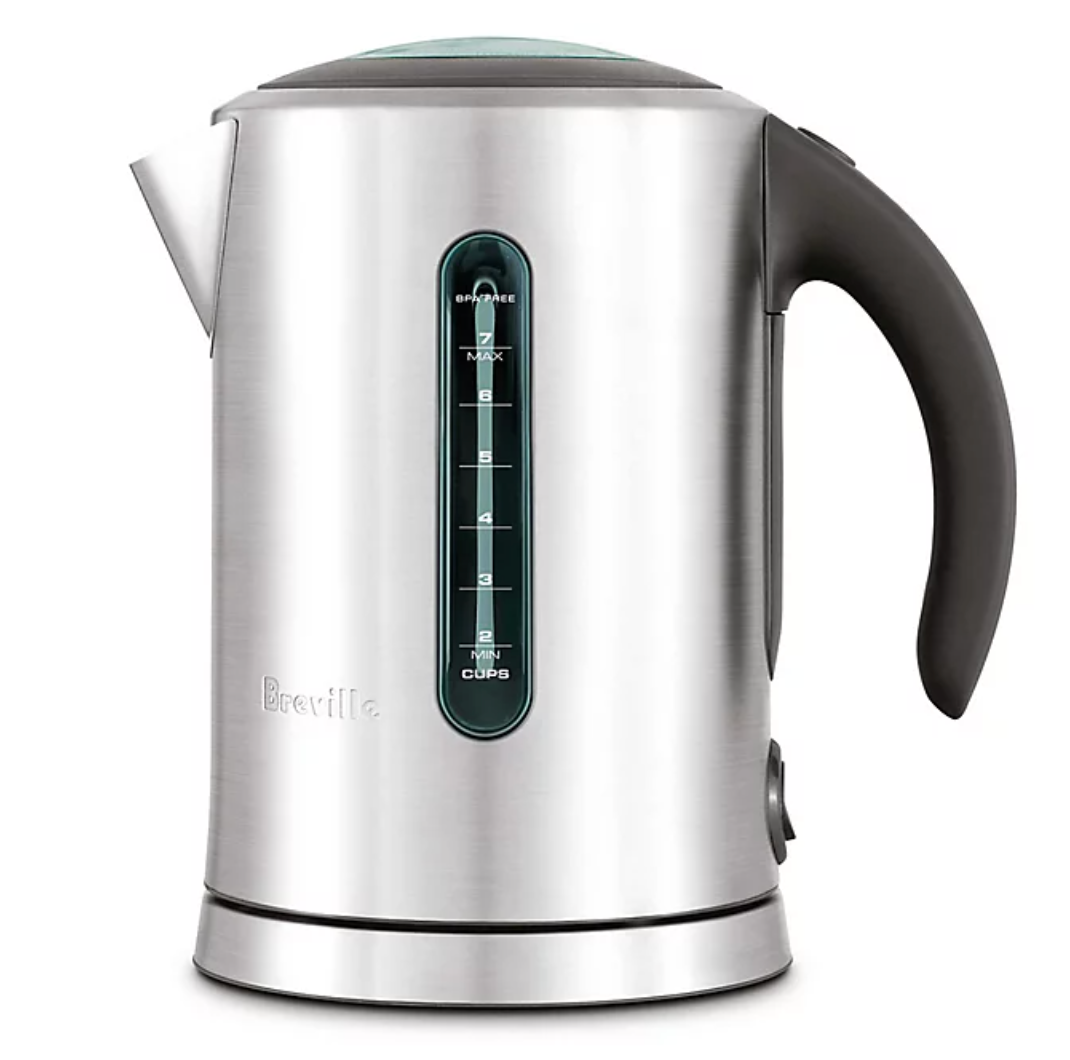
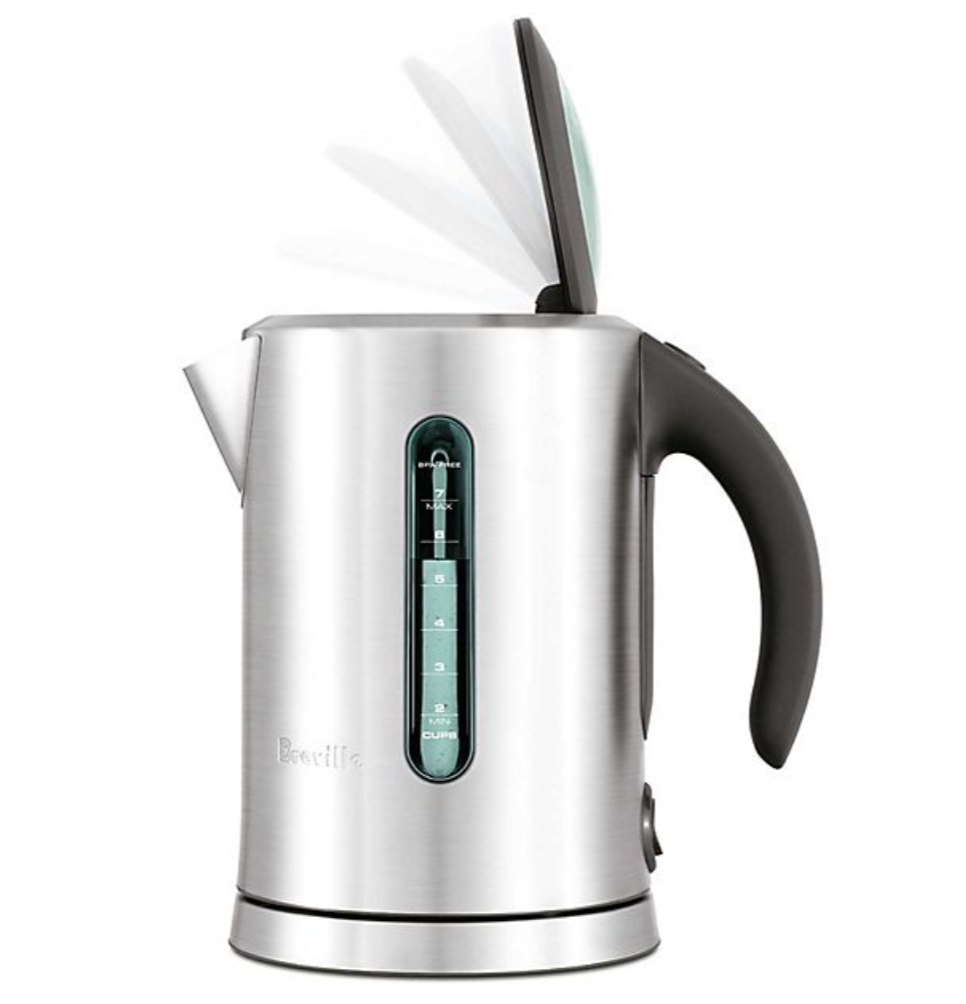
Breville Soft Top Pure Electric Tea Kettle
Sale price109.95
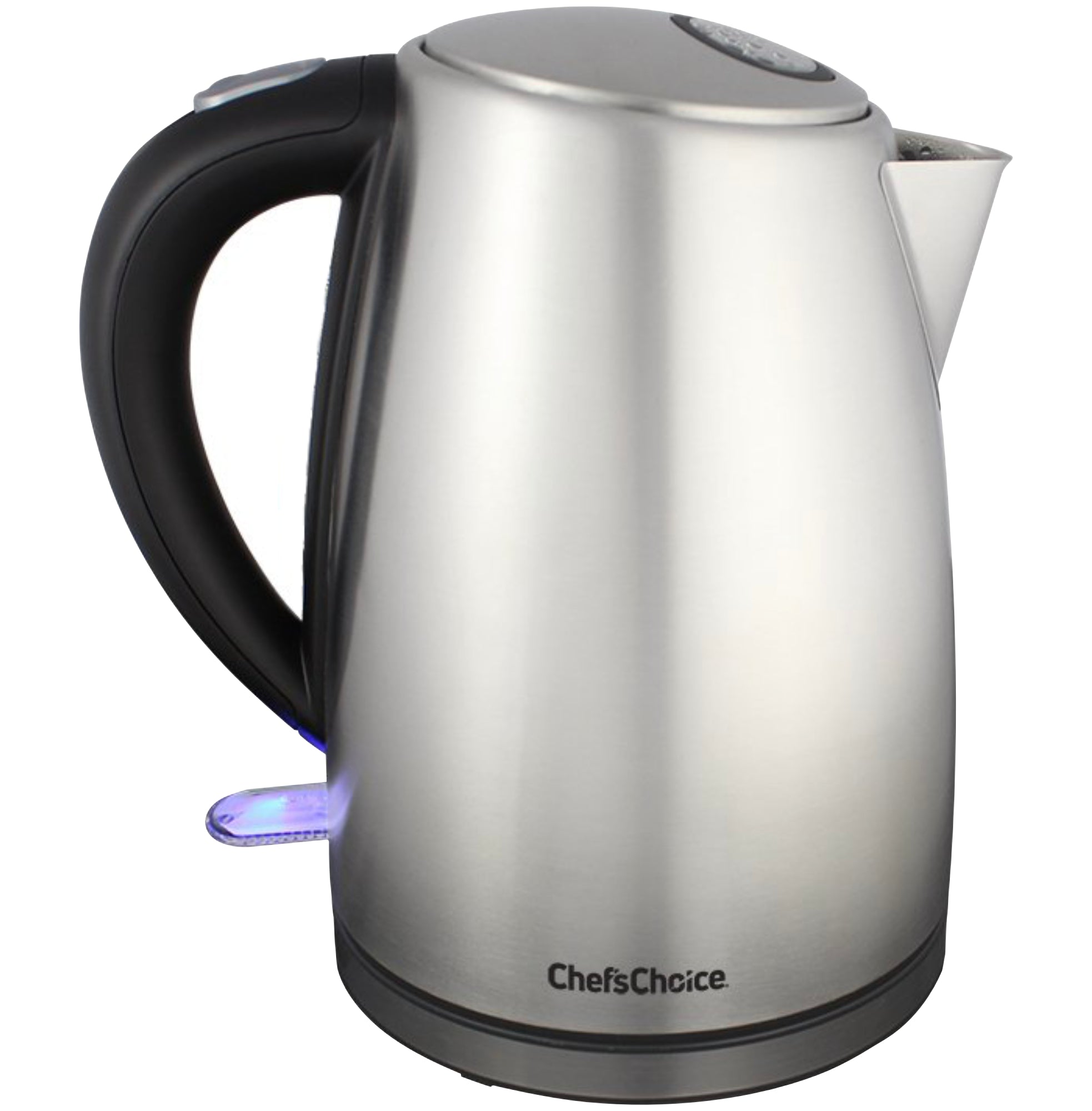
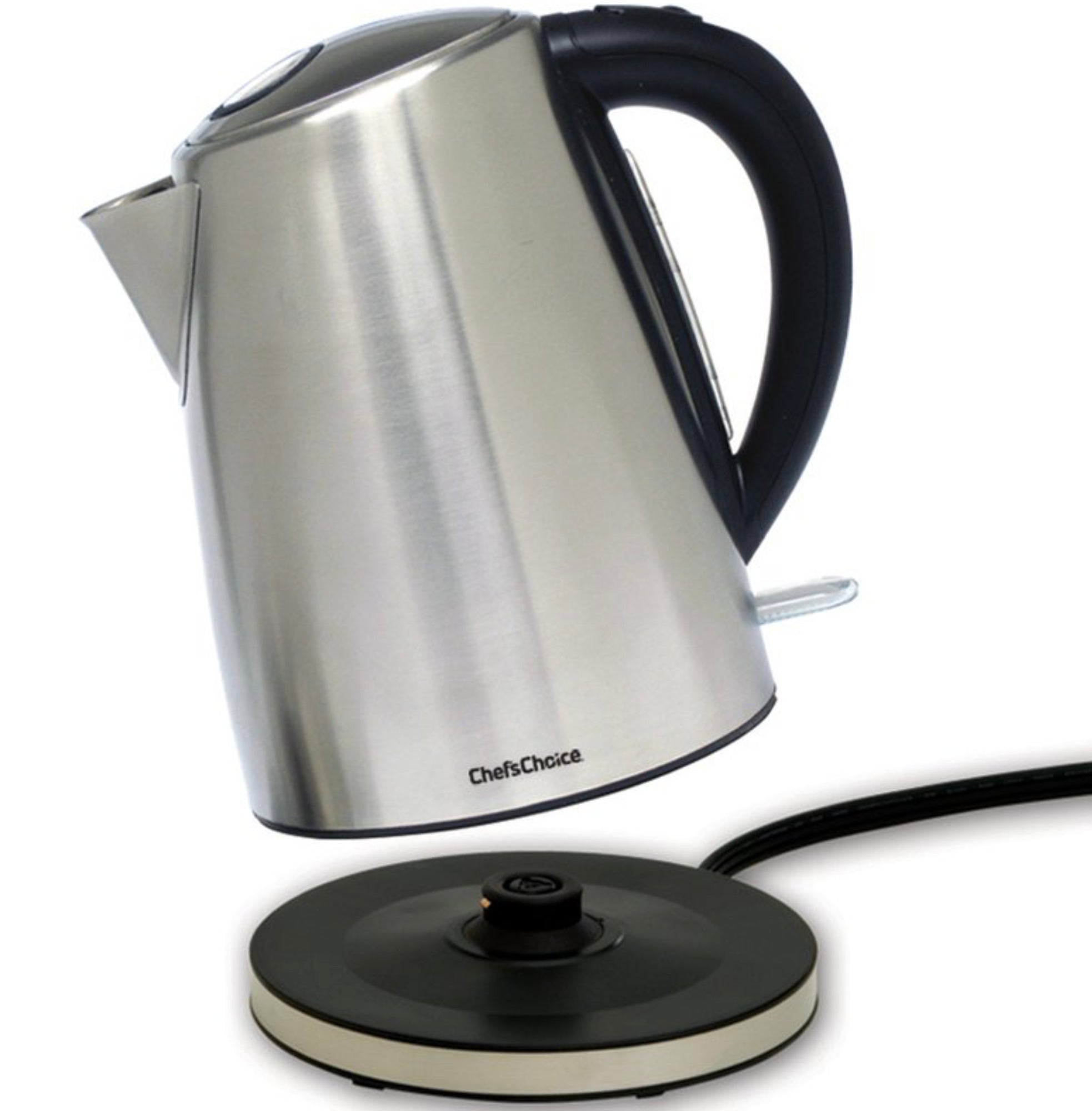
Chef’s Choice Cordless Electric Kettle – 1.75 Quarts
Sale price79.95
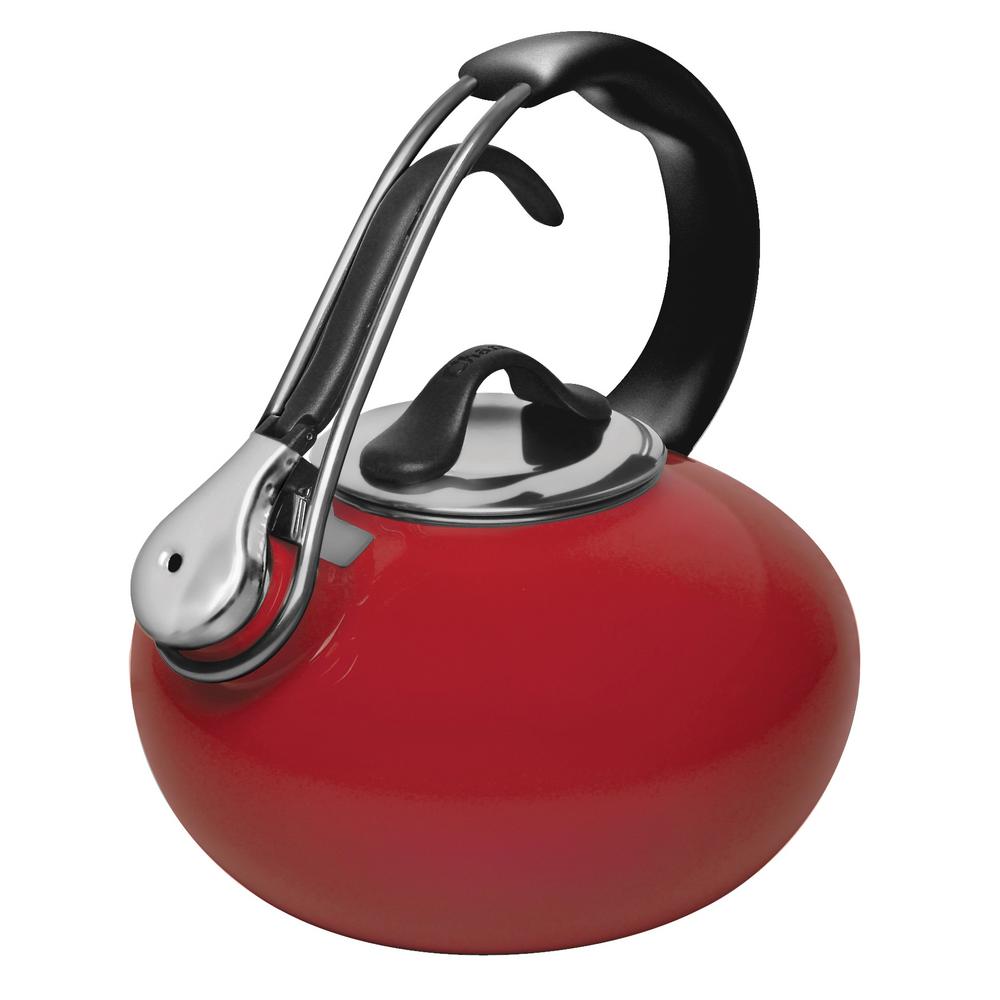
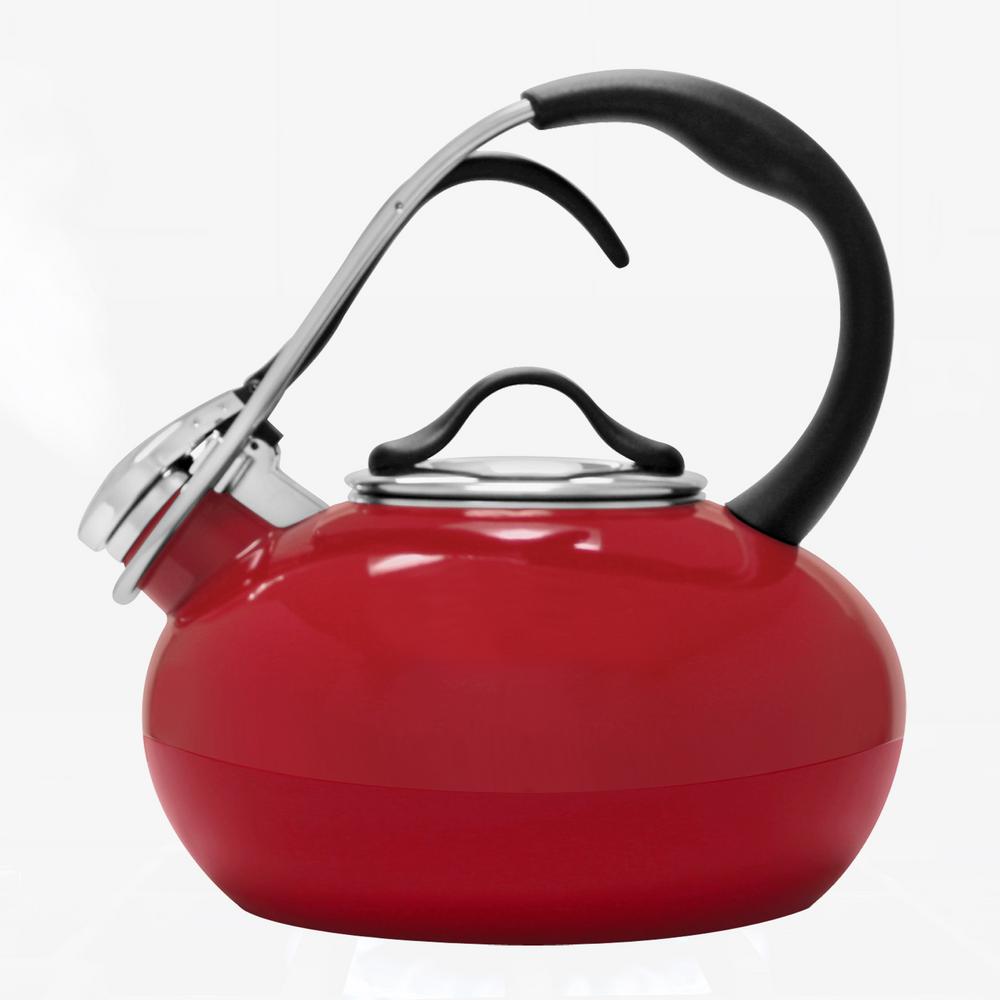
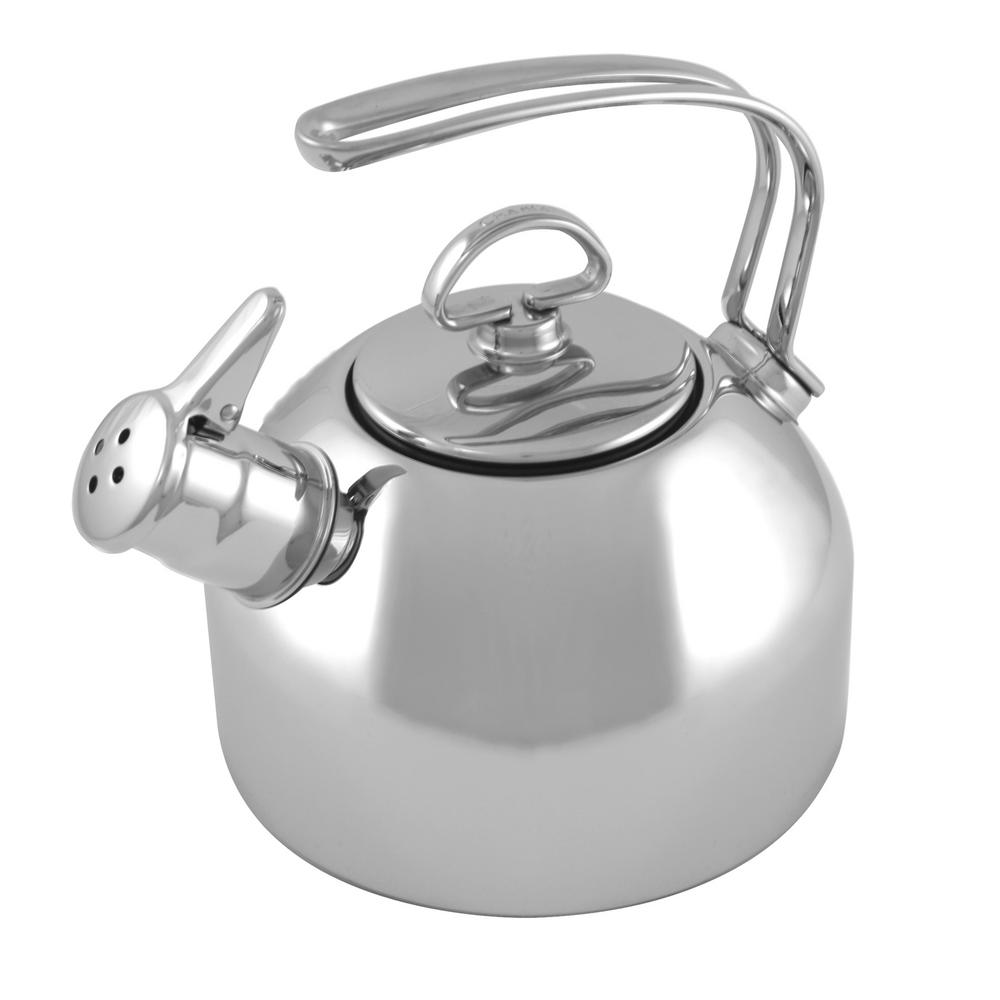
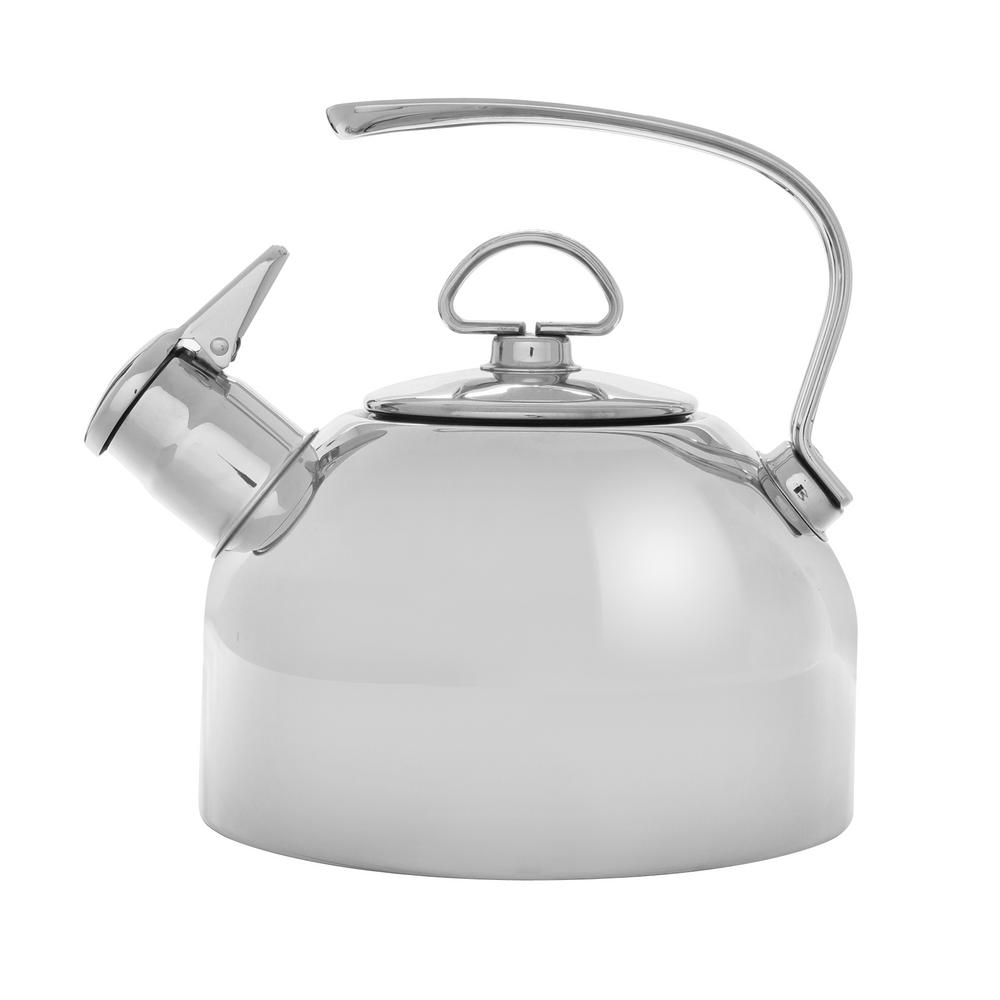
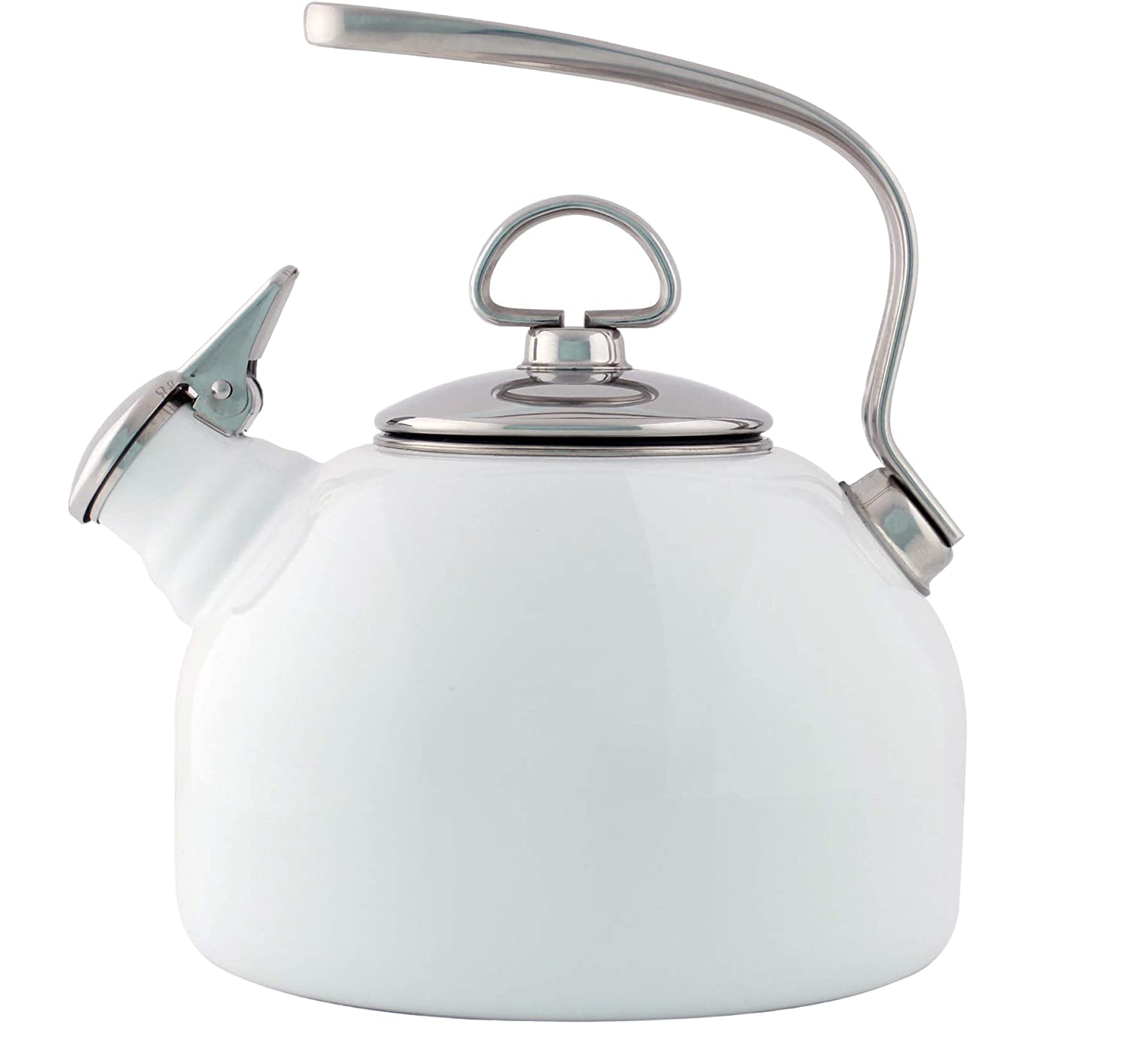
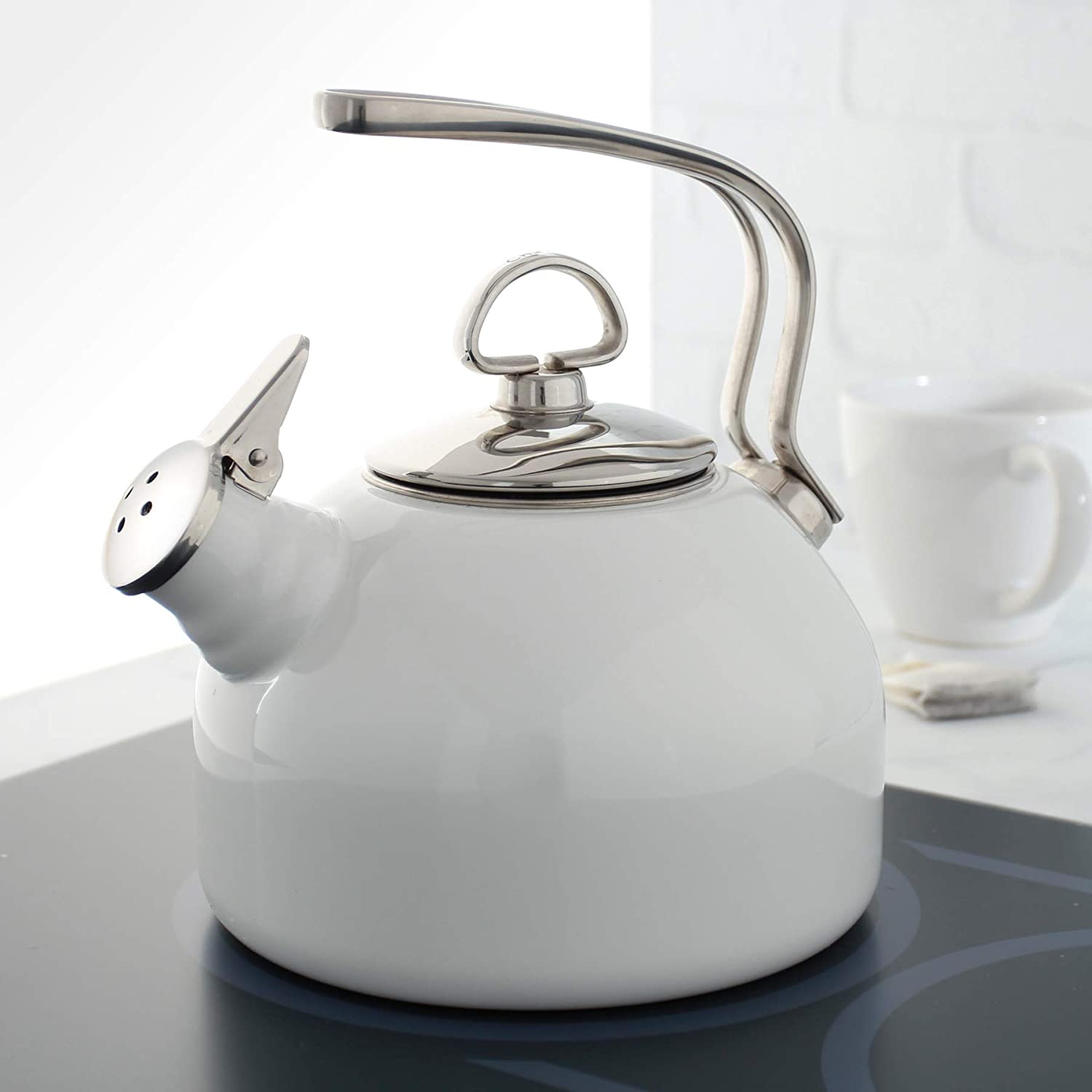
Chantal Classic Tea Kettle,1.8 Qt. - Stainless Steel
Sale price119.95
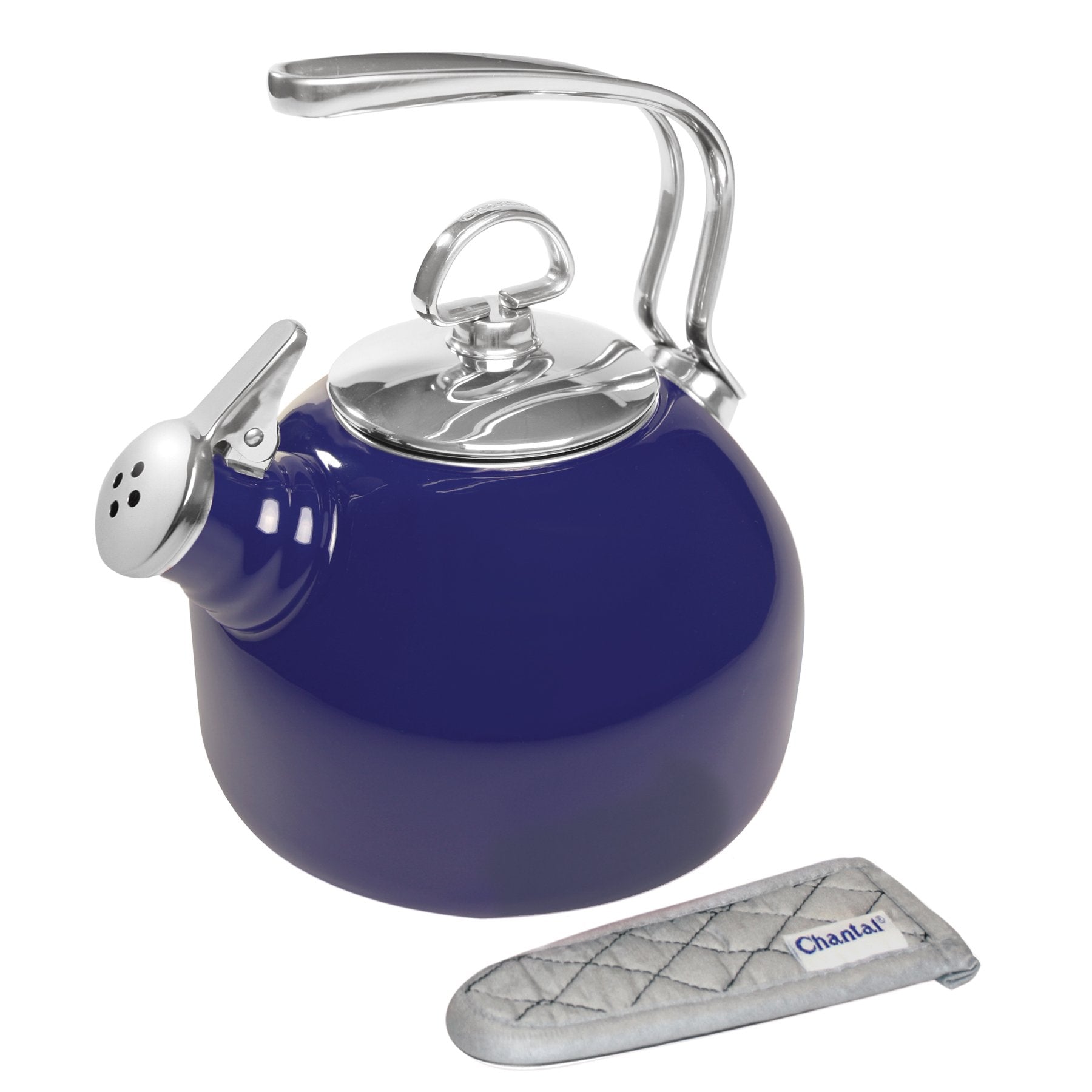
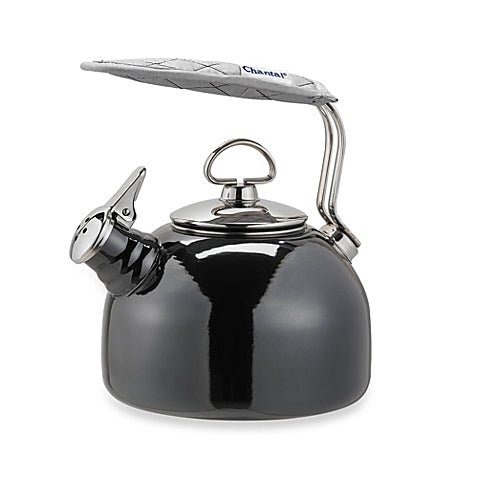
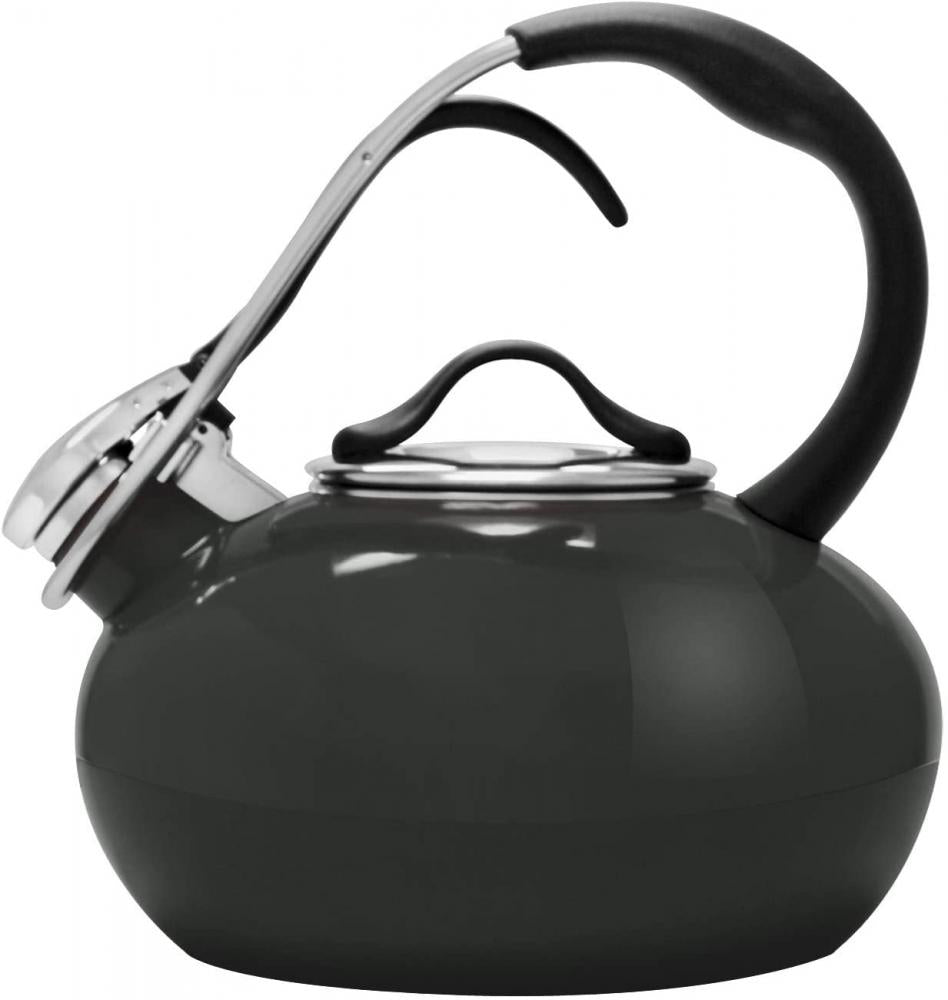
Chantal Classic Tea Kettle, Enamel-on-Steel 1.8 Qt. - Onyx
Sale price109.95
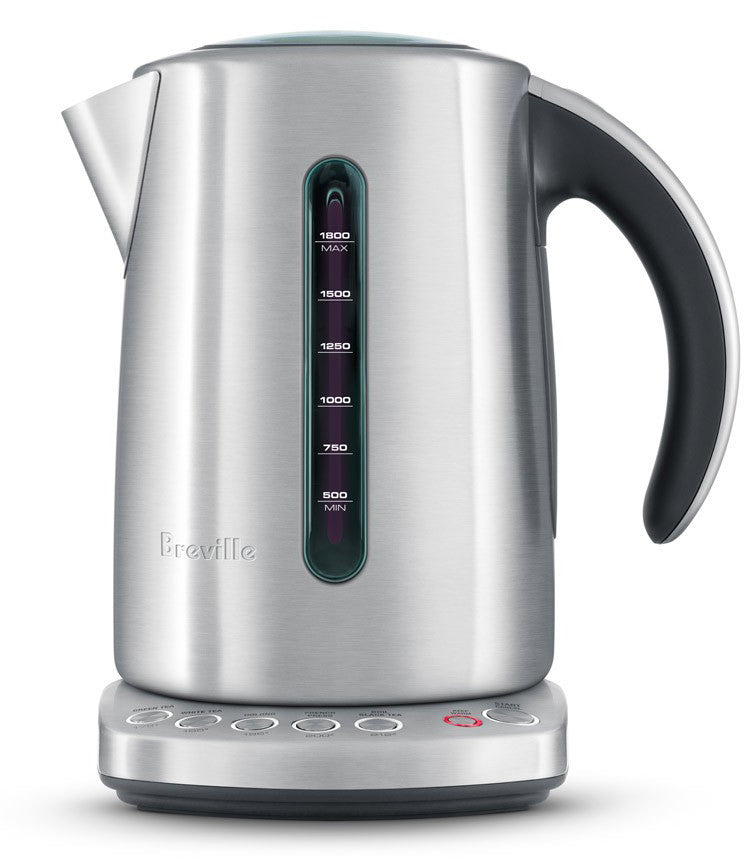
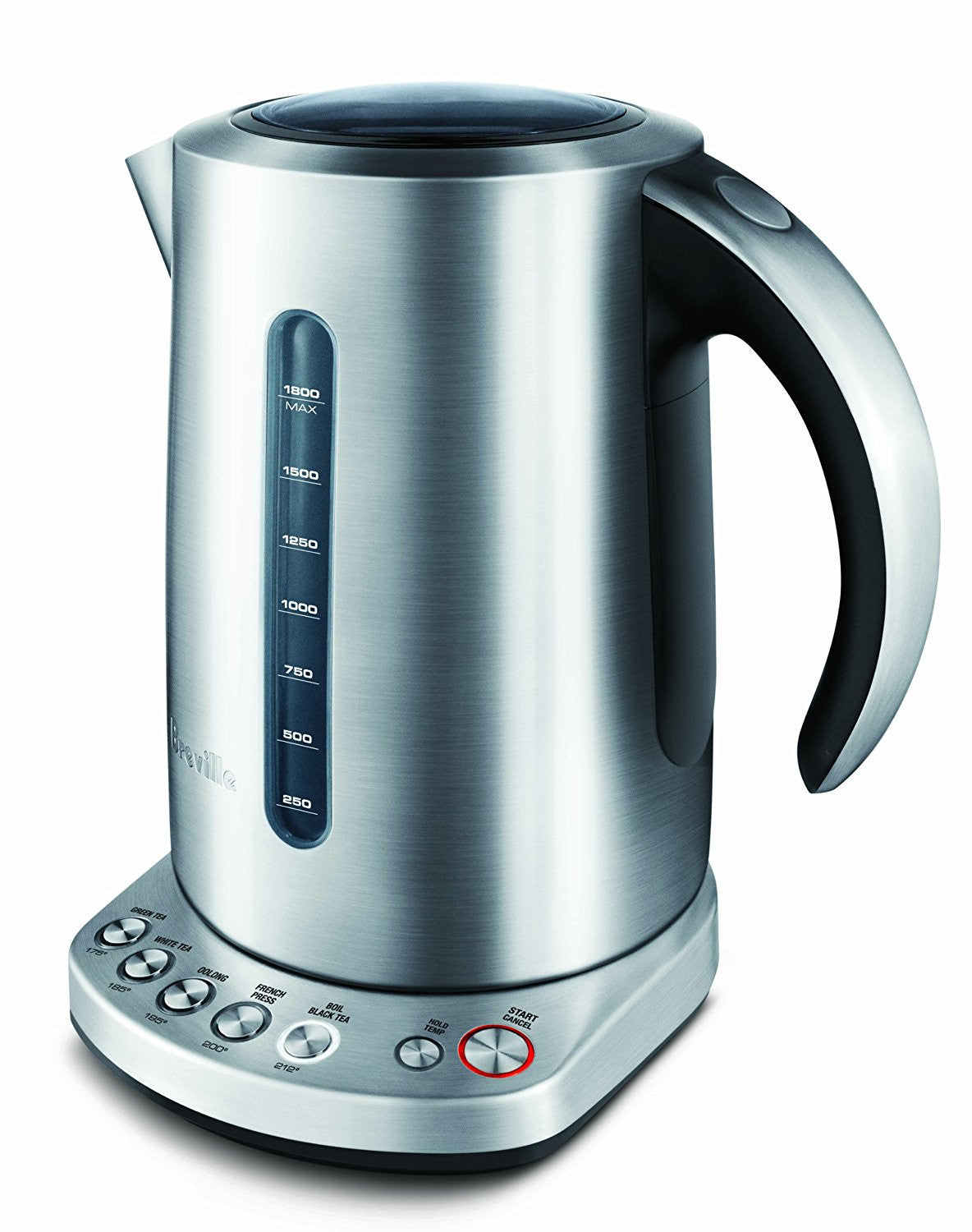
Breville Variable-Temperature IQ Kettle
Sale price169.99
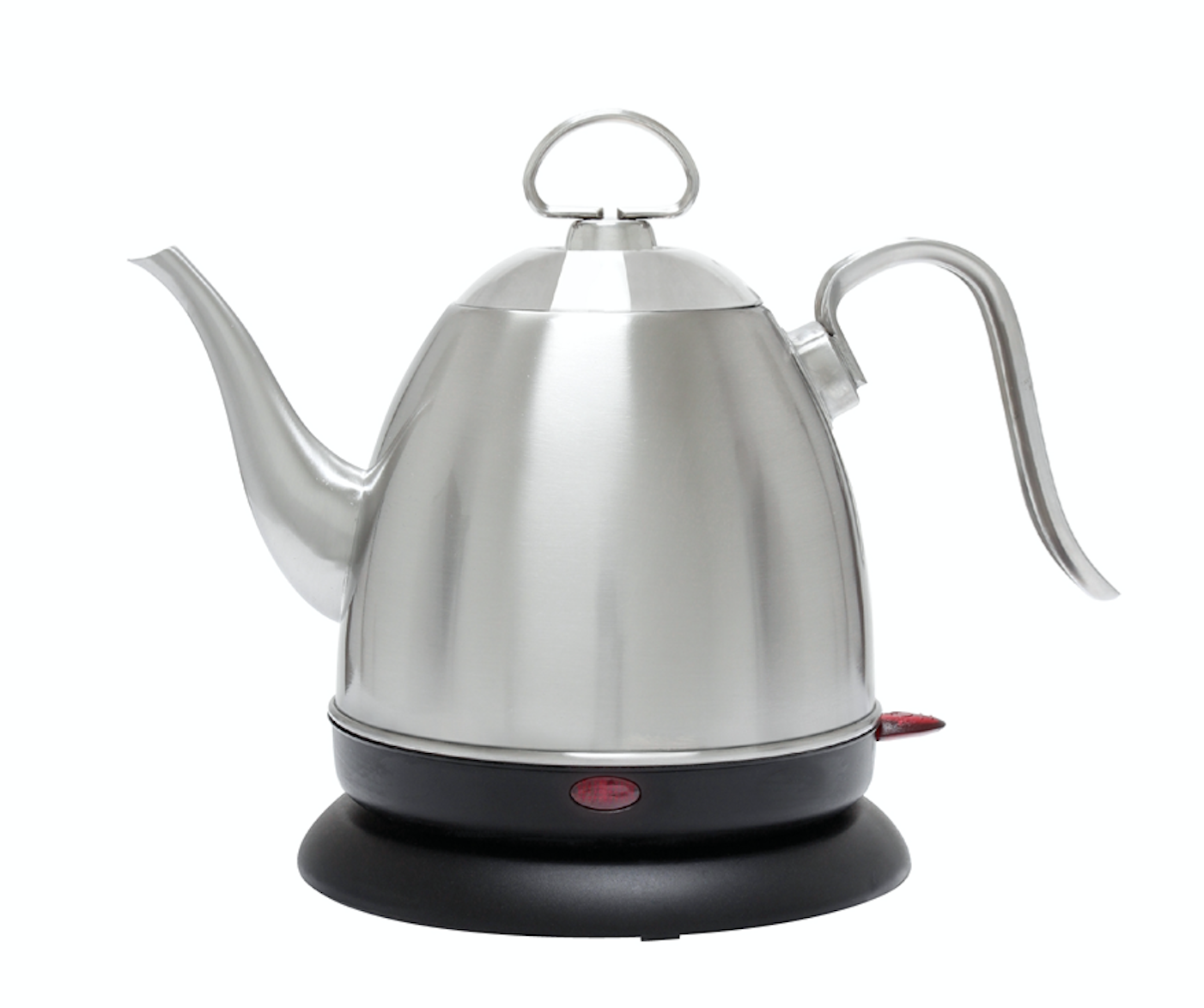
Chantal Mia Electric Kettle
Sale price79.95
Recently viewed
Frequently Asked Questions
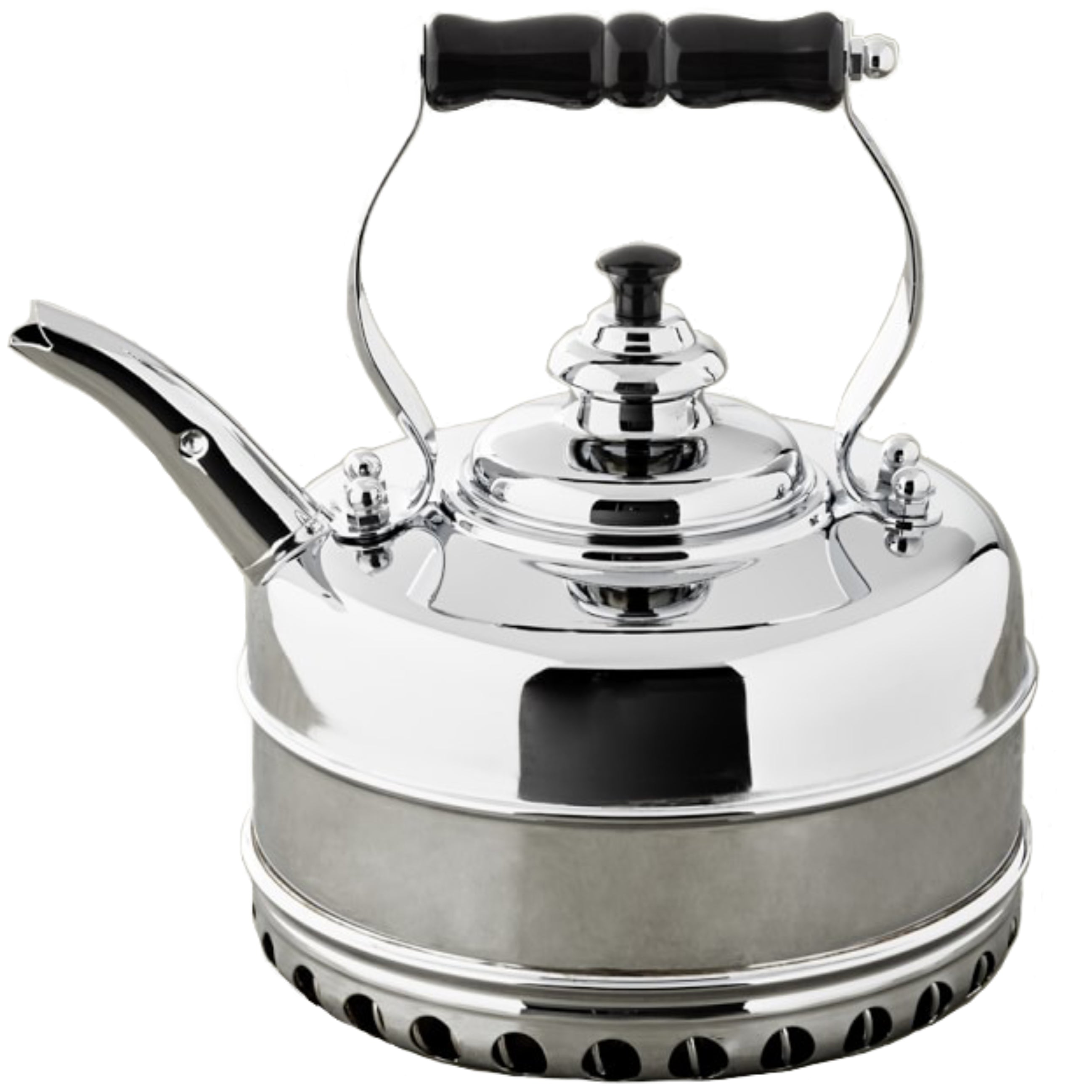
An electric kettle heats water faster and more efficiently than a stovetop, boiling in a few minutes and shutting off on its own. A stovetop kettle needs no counter space or outlet, and a whistling model like the Le Creuset Demi or a Simplex will call you from another room. Choose electric if you want speed and precise temperature; choose stovetop if you prefer the ritual and the look of a kettle on the range.
A stainless steel tea kettle is the most practical choice: durable, rust-resistant, and flavor-neutral. Enameled steel, as on the Le Creuset Demi and Chantal Classic, offers the same toughness with a layer of color that holds up beautifully on a stovetop. Copper, like the hand-spun Simplex kettles, heats up fastest and is a pleasure to look at, though it requires regular polishing. Glass lets you watch the water come to a boil.
Stainless steel and glass are the safest, most non-toxic materials for a tea kettle, neither of which imparts flavor nor reacts with water. Enameled interiors are equally safe as long as the enamel is intact and uncracked. Simplex copper kettles are lined with tin and certified lead-free, the traditional way fine copper kettles have always been finished.
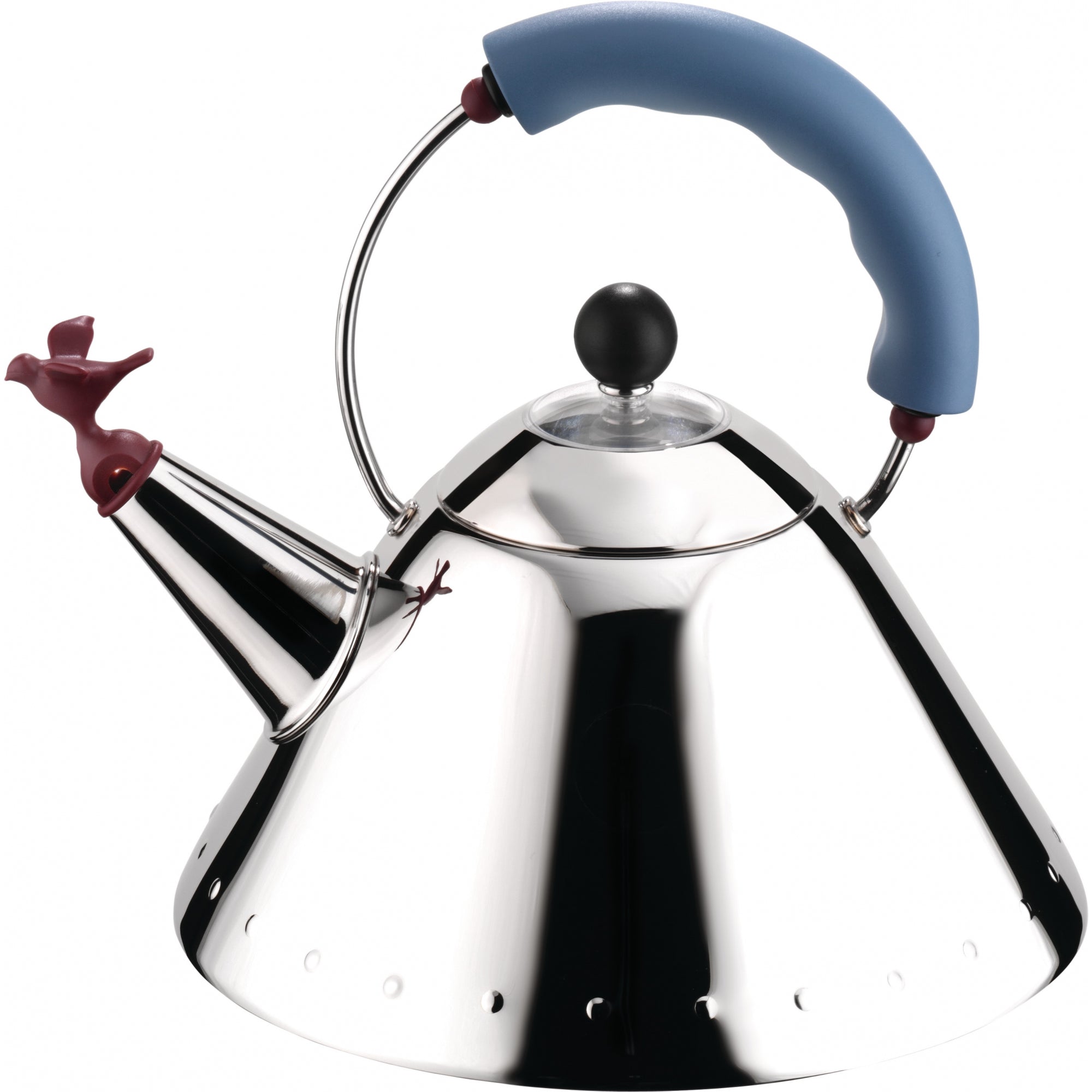
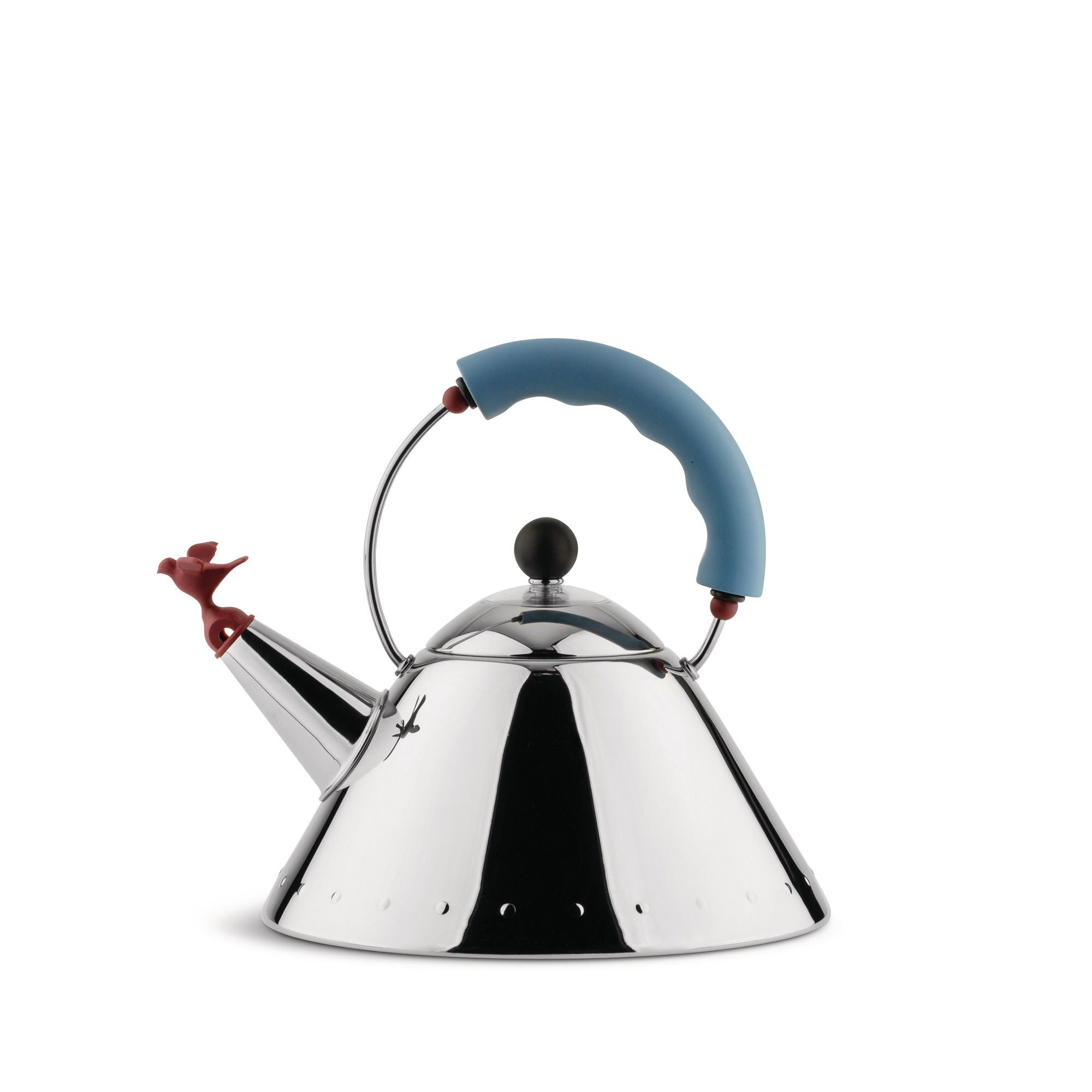
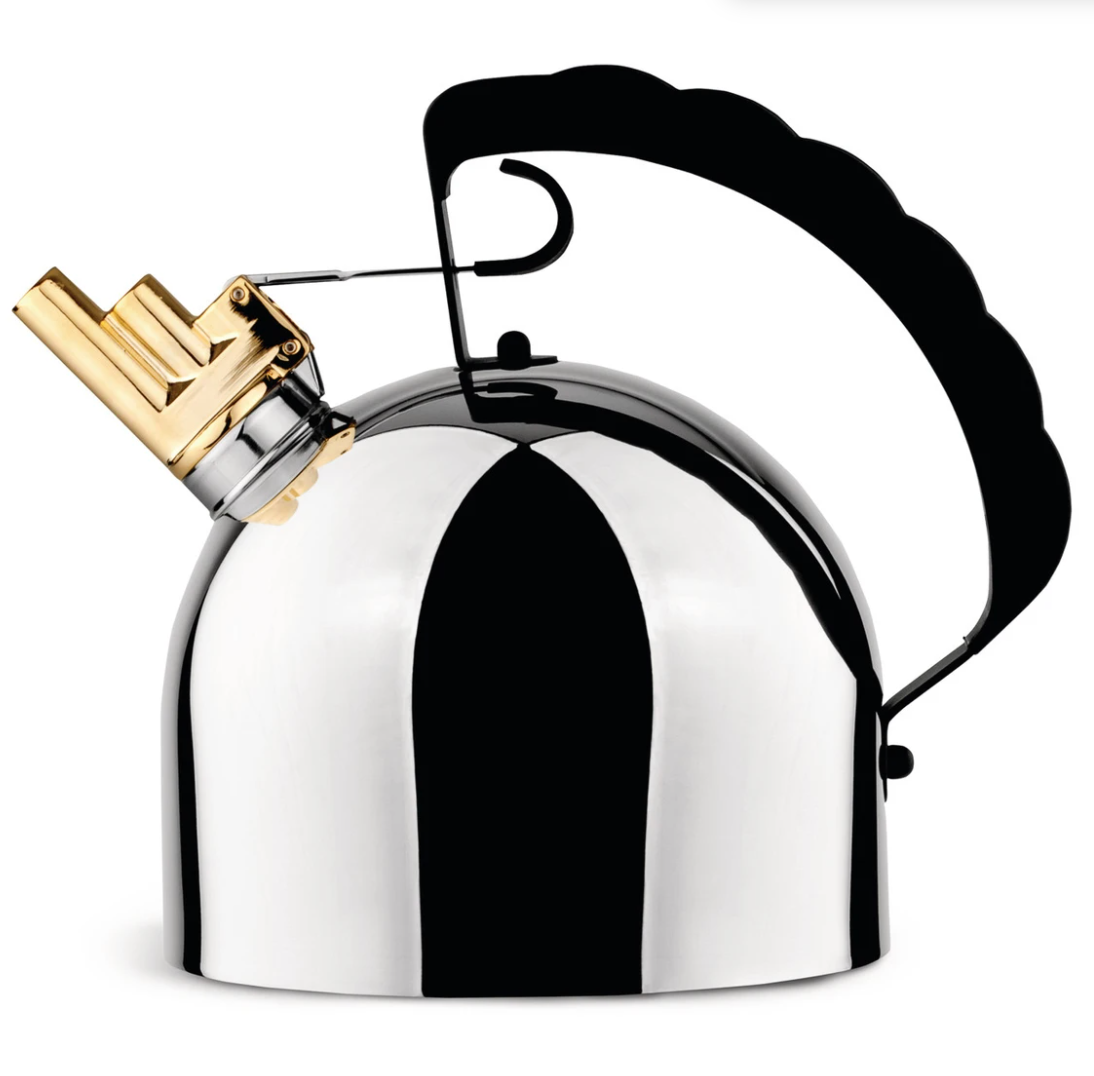
A stovetop tea kettle works on an induction cooktop only if its base is ferromagnetic, meaning a magnet sticks firmly to the bottom. The Alessi 9091 has a magnetic steel bottom designed for induction, and most stainless-steel and enameled-steel kettles qualify. The Simplex copper kettles do not work on induction without an adapter, since copper is not magnetic. If you are unsure, a kitchen magnet settles it, and our staff can confirm compatibility on any kettle in the store.
Variable temperature control matters if you brew teas that scorch at a full boil, which most green and white teas do. Green tea is best around 175 degrees, white around 185, while black tea and herbal infusions want a true boil at 212. Electric kettles like the Fellow Stagg EKG Pro, OXO Adjustable Temperature, and Breville IQ hold a set temperature precisely, so your tea tastes smooth rather than bitter.
The right size tea kettle depends on how many cups you pour at once. A 1-liter kettle, such as the Fino or the Zwilling Enfinigy, suits one or two people and heats up quickly. A 1.7- to 2-quart kettle, which most of our stovetop models fall into, serves a household or small gathering without constant refilling. Larger is not always better, since a half-empty kettle simply takes longer to heat.
A high-end tea kettle is worth it if you keep it for decades, not just years. Any kettle boils water on day one; a good one still pours cleanly, is comfortable to handle, and looks right on the range long after a cheap one has rusted or started dribbling. A Simplex is made by hand in Birmingham and built to be retinned and passed down, not replaced.