

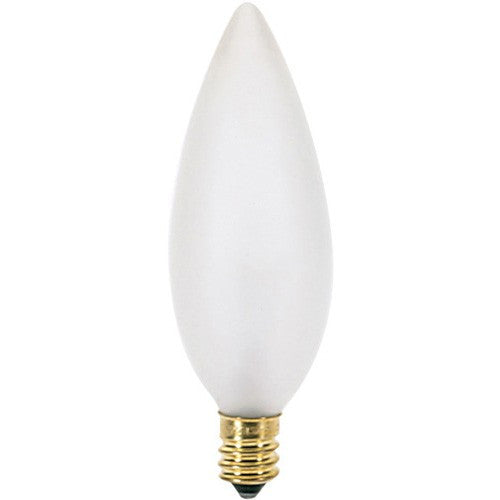

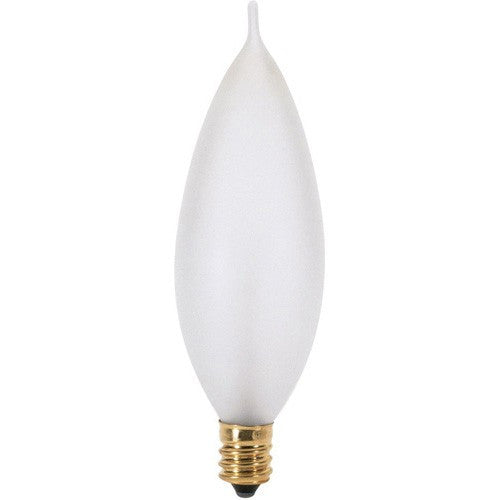
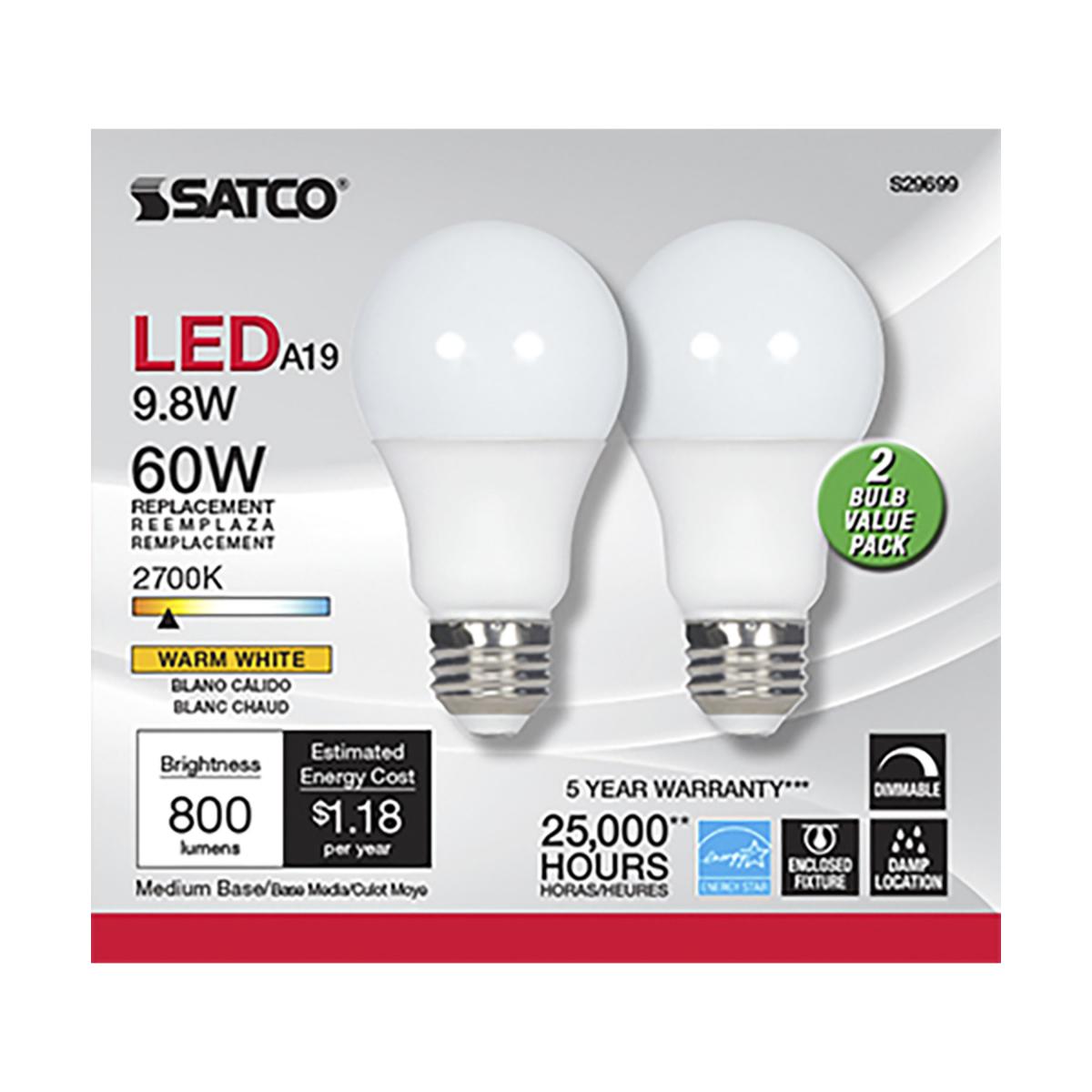
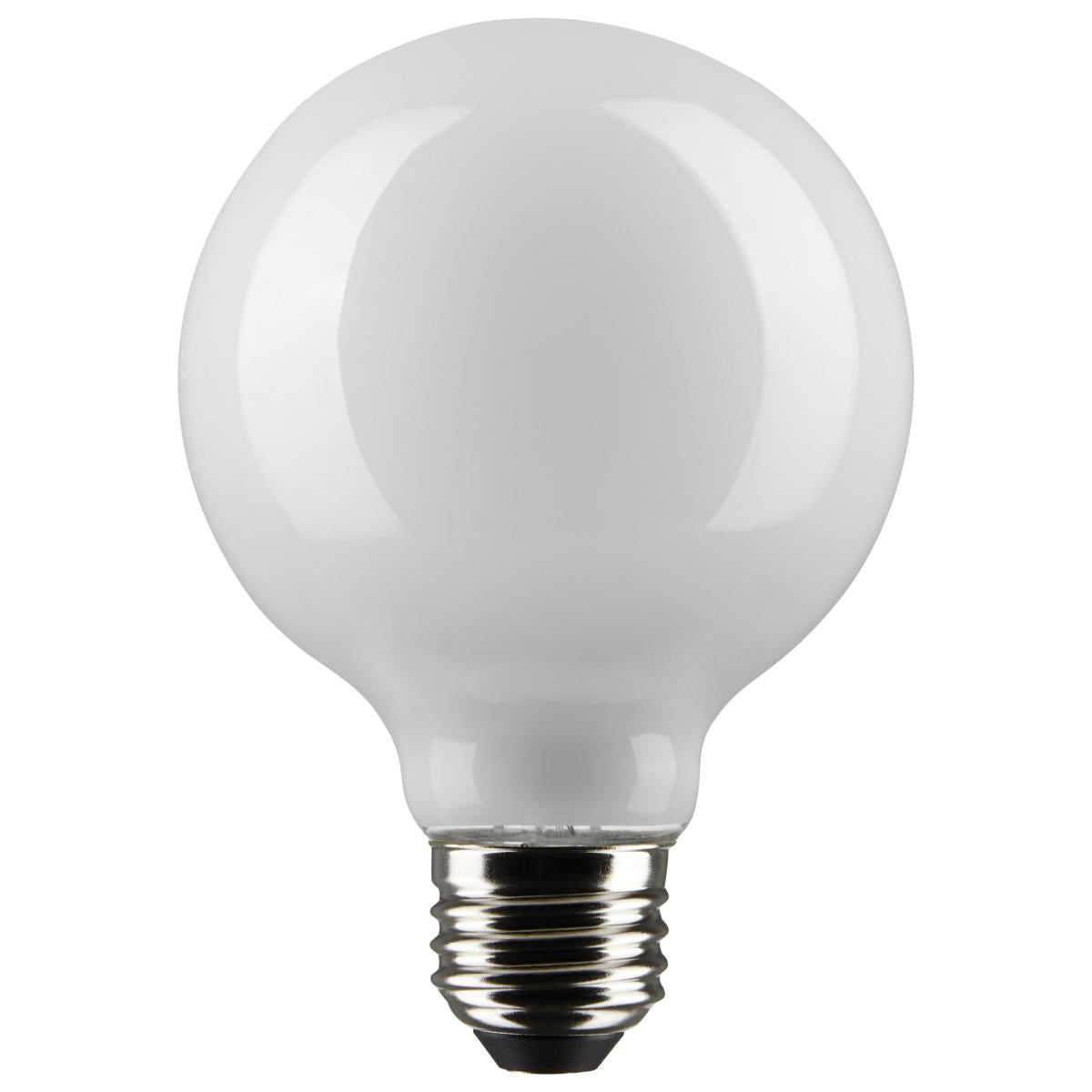
Bombilla incandescente de globo G16 1/2 – Base candelabro – Blanco satinado
Precio de ventaDesde 1.99
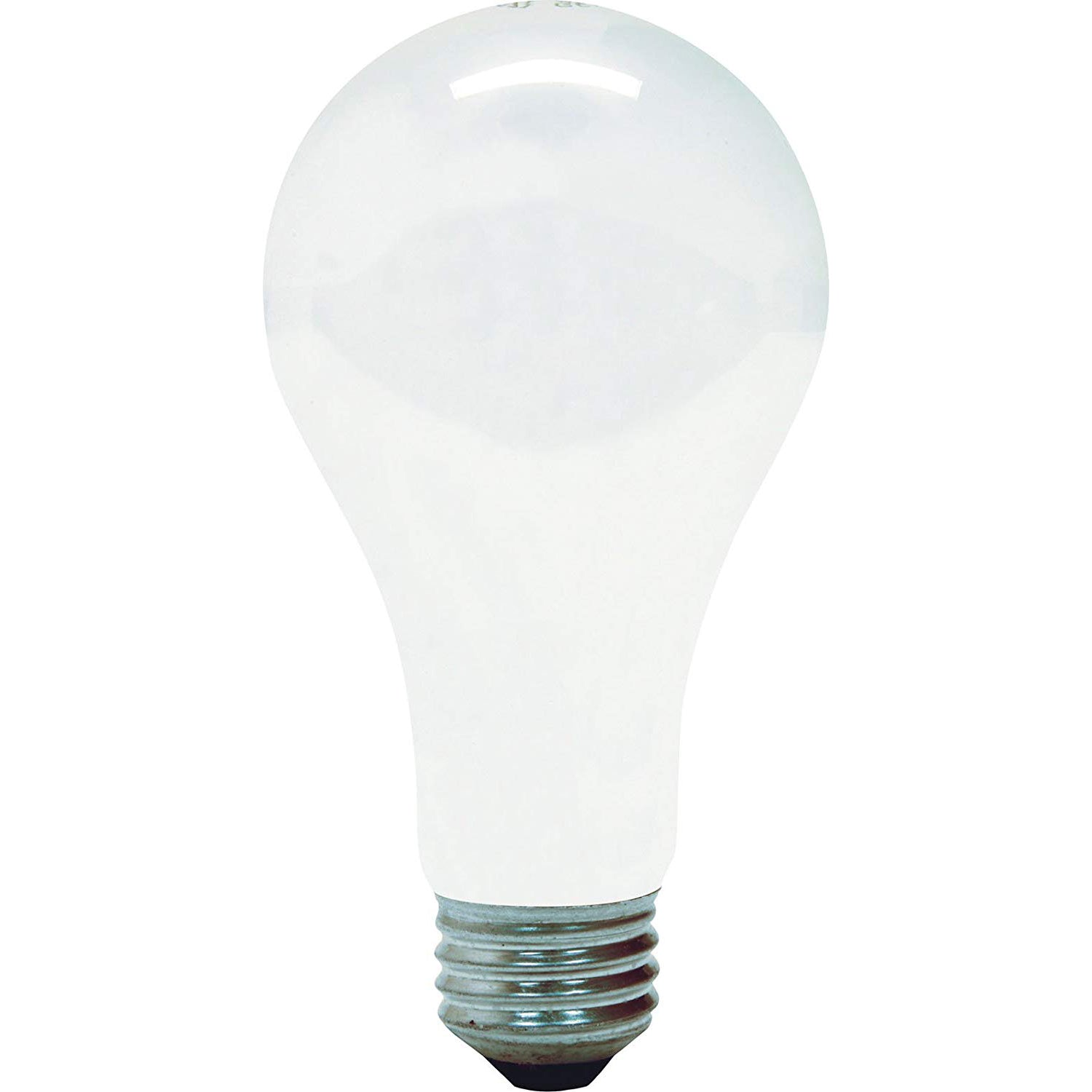
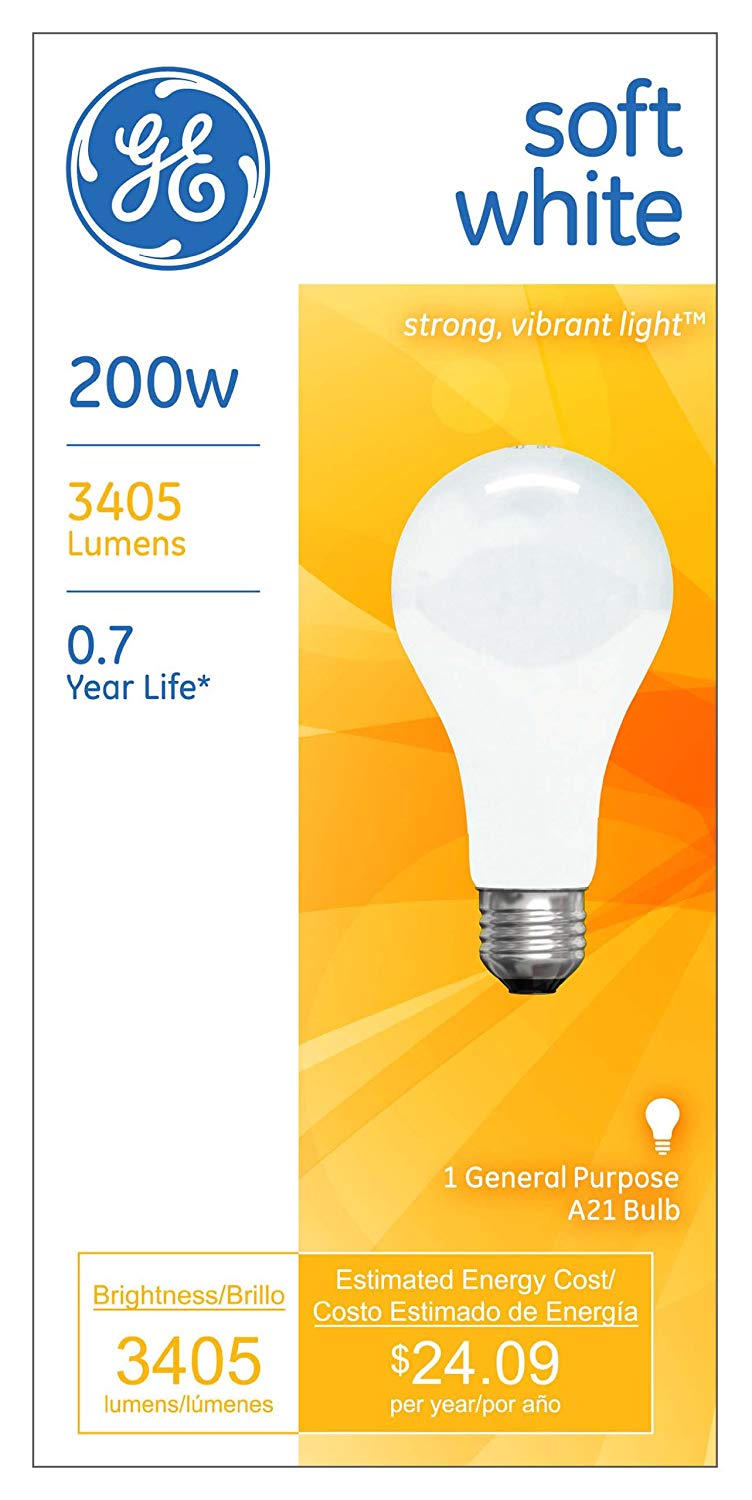
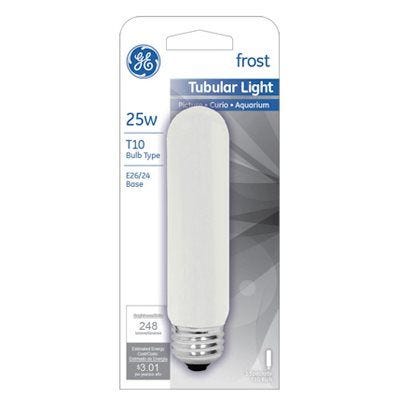
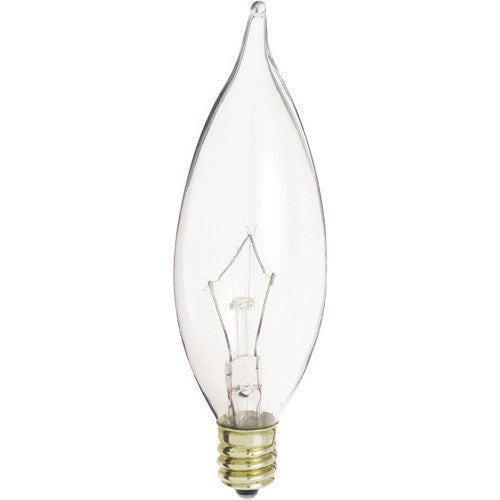
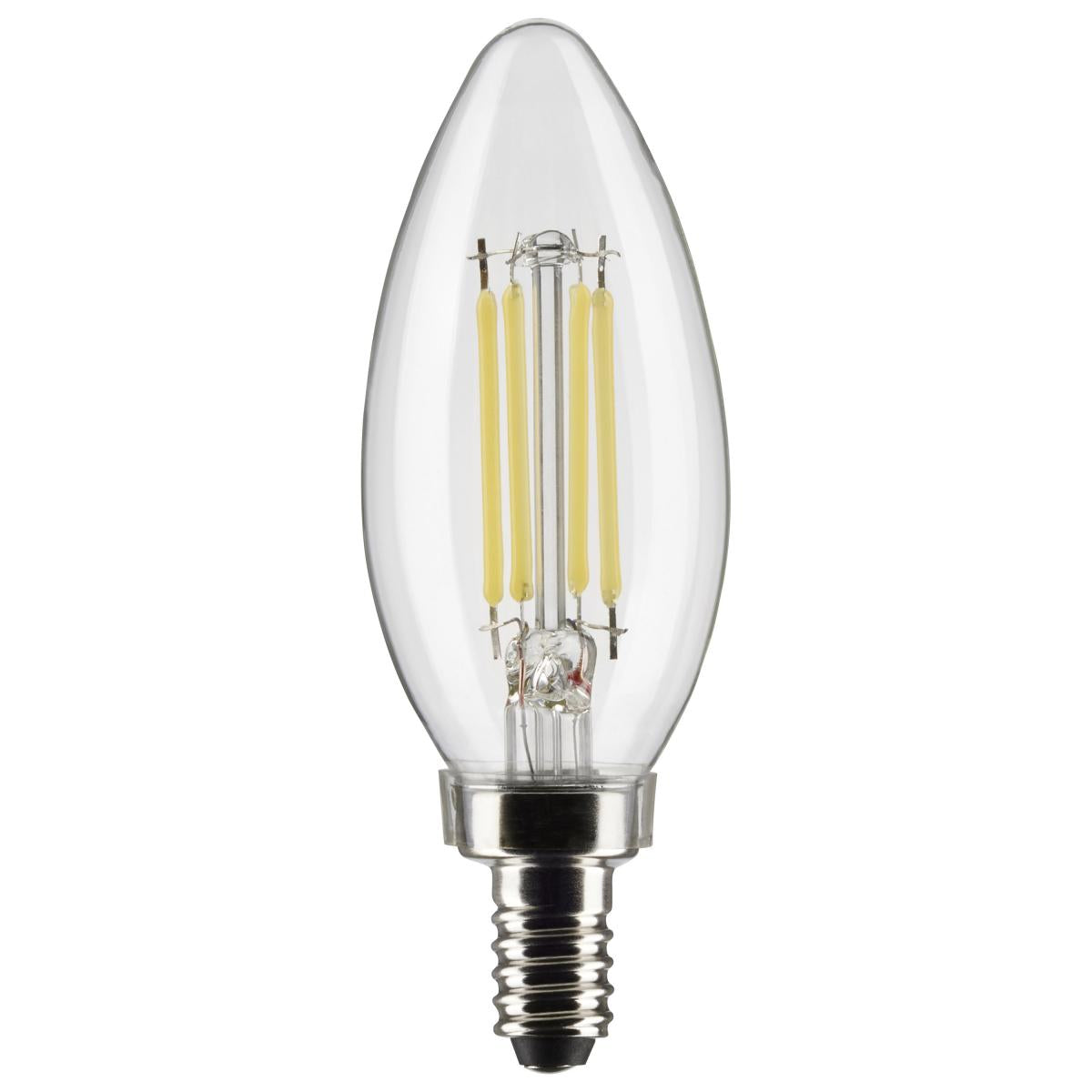
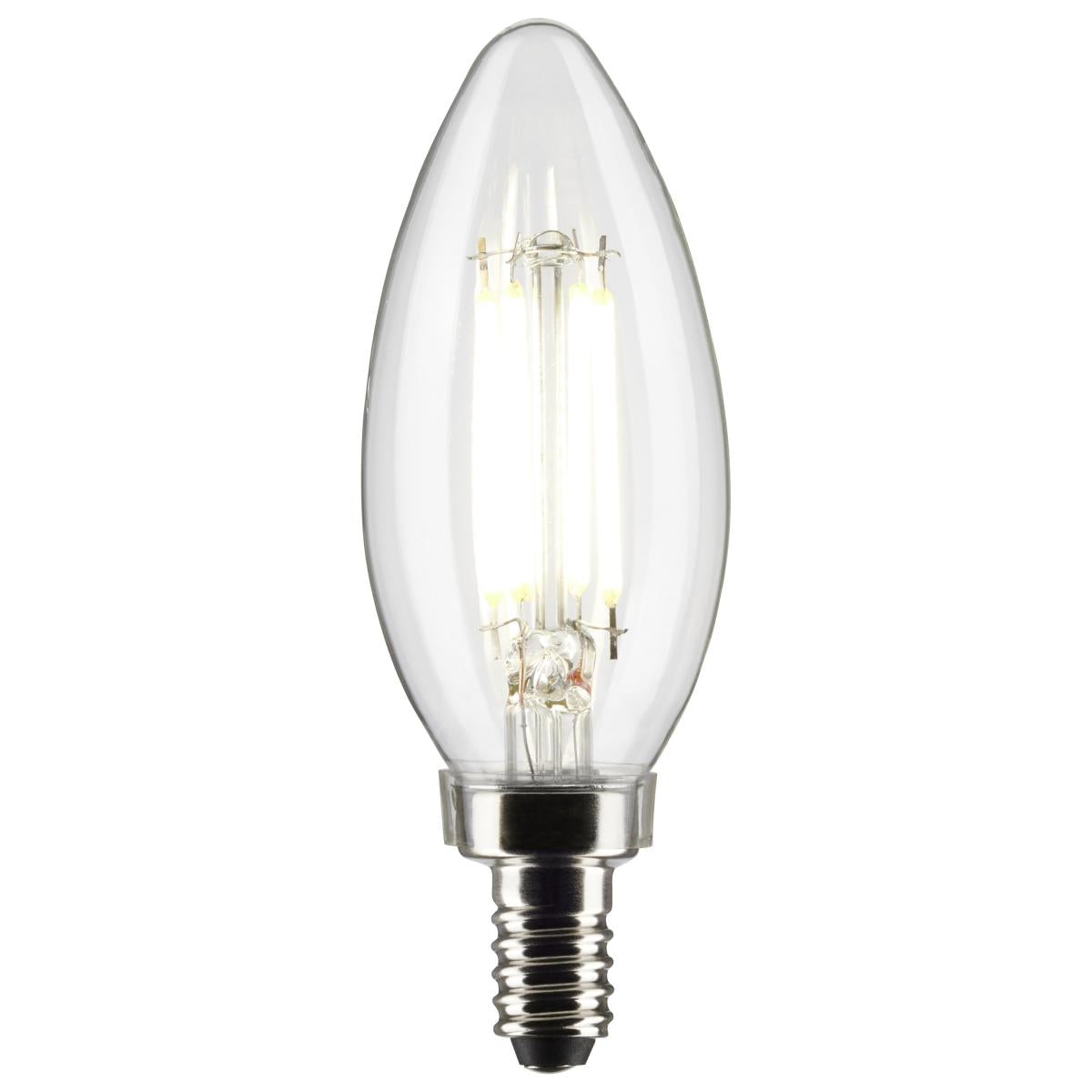
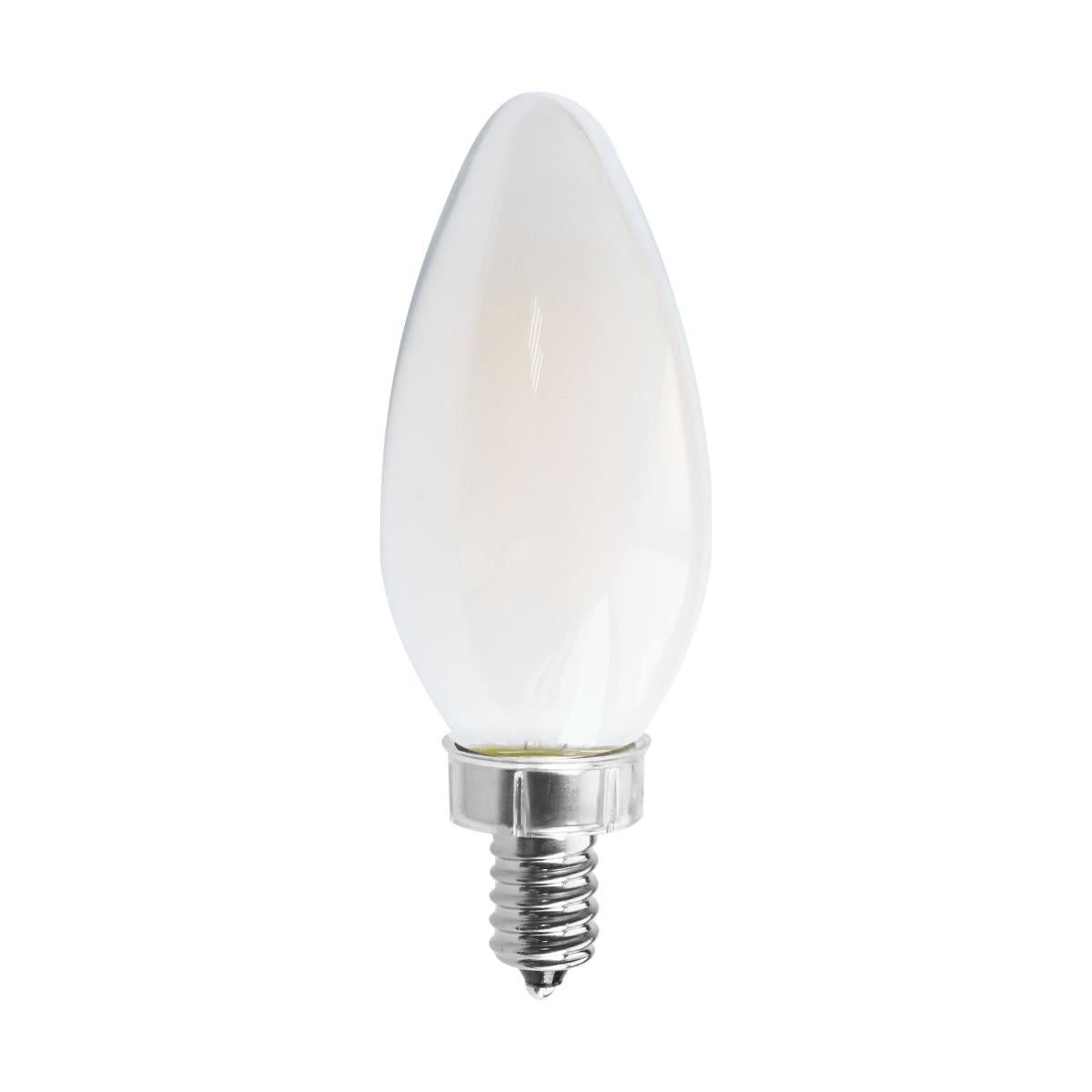
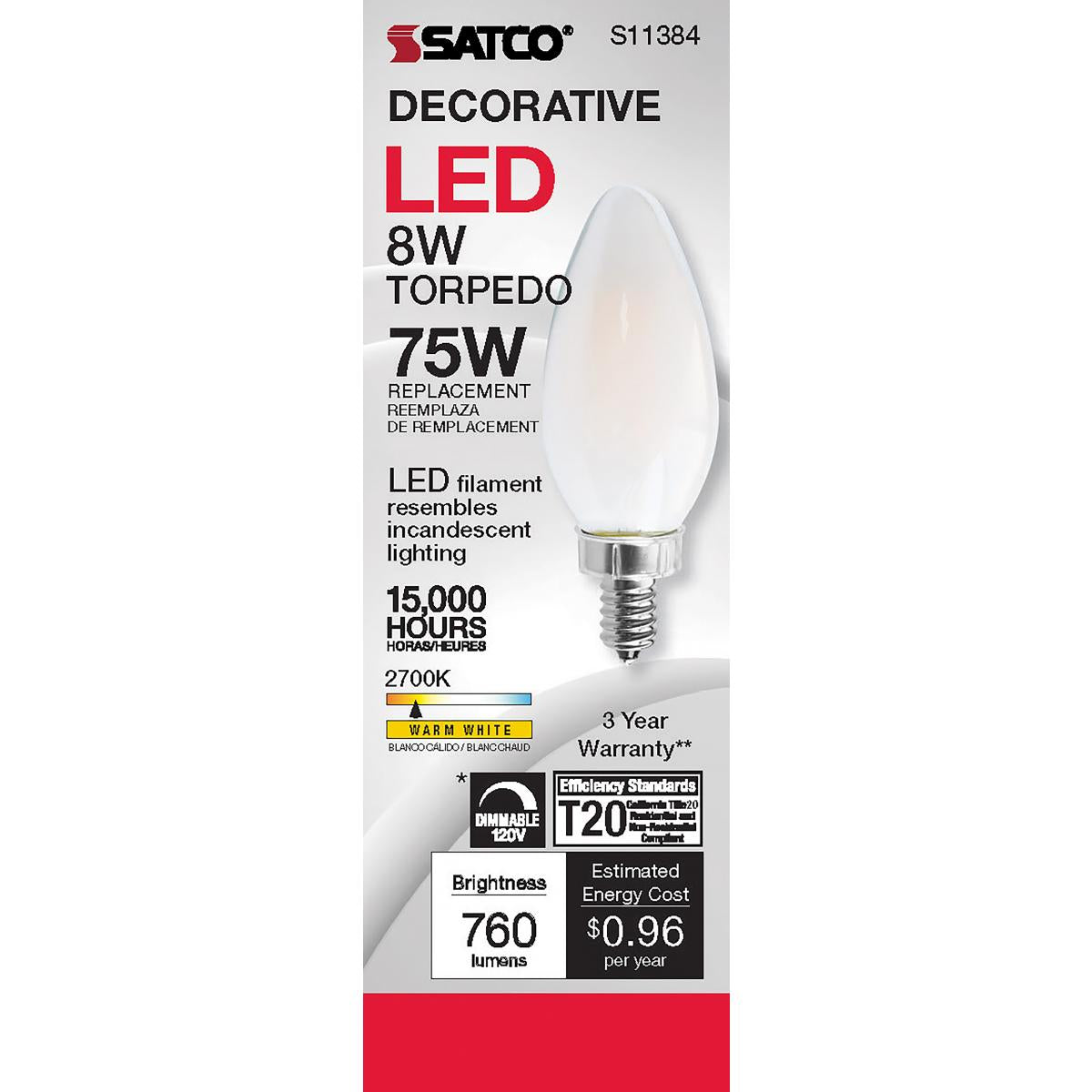

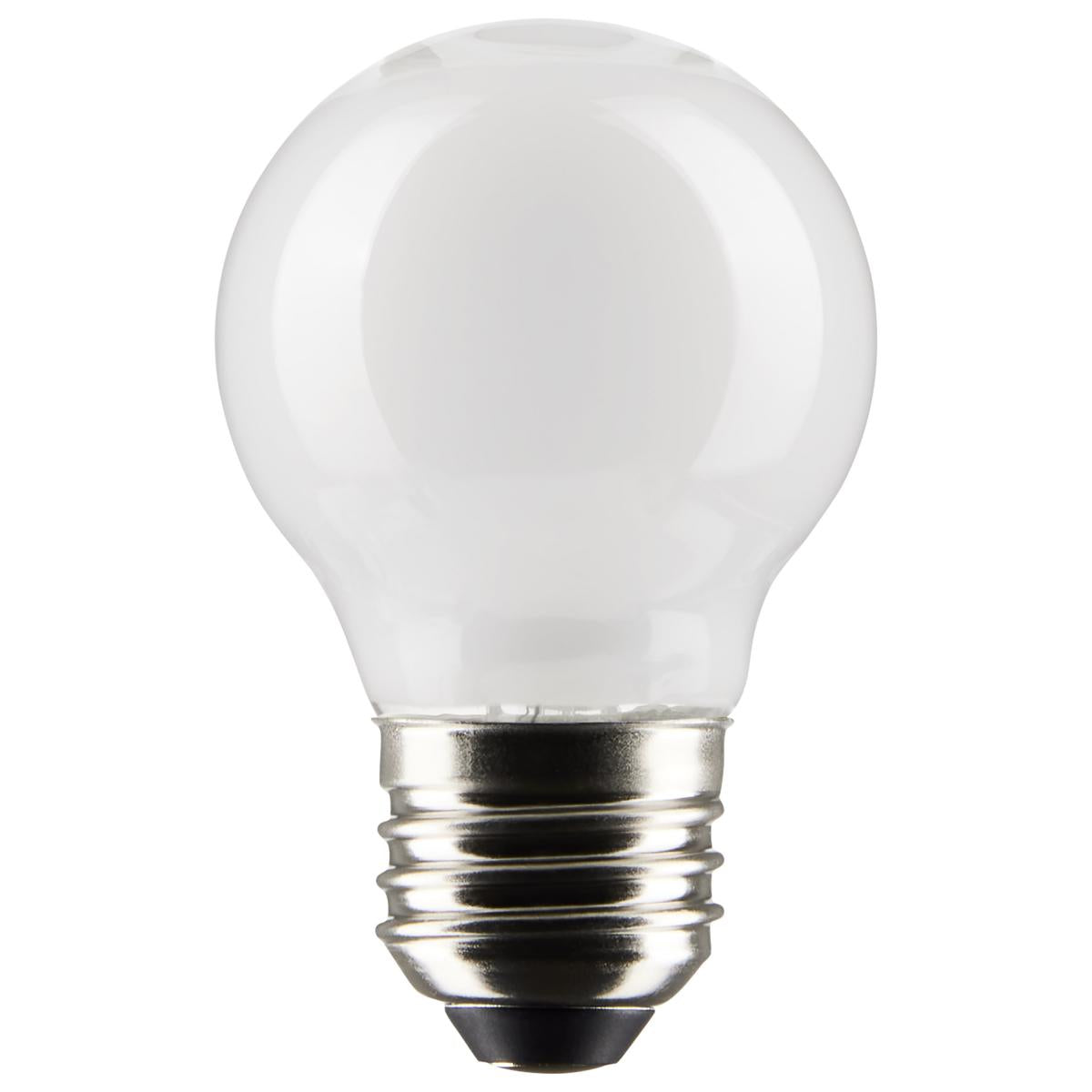
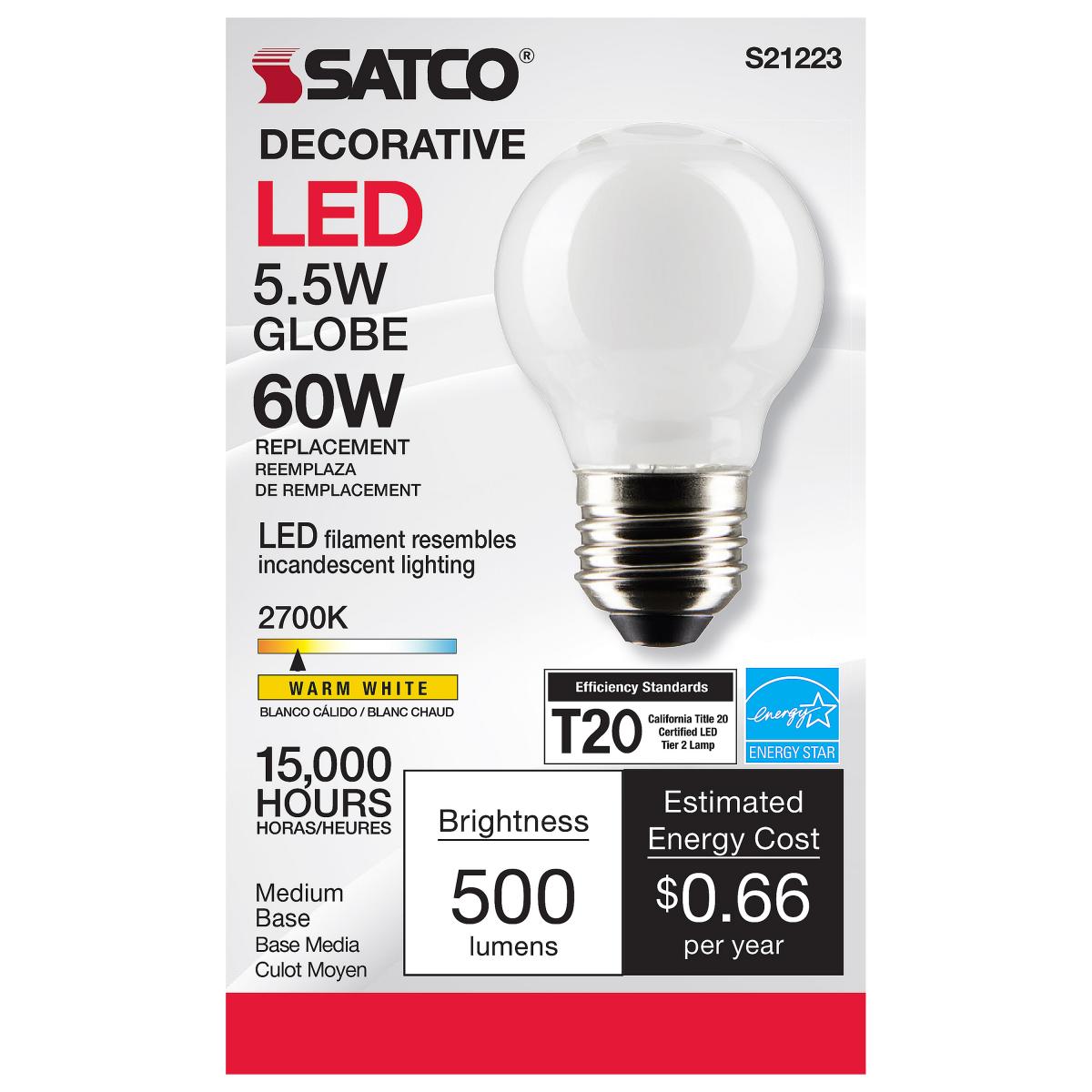
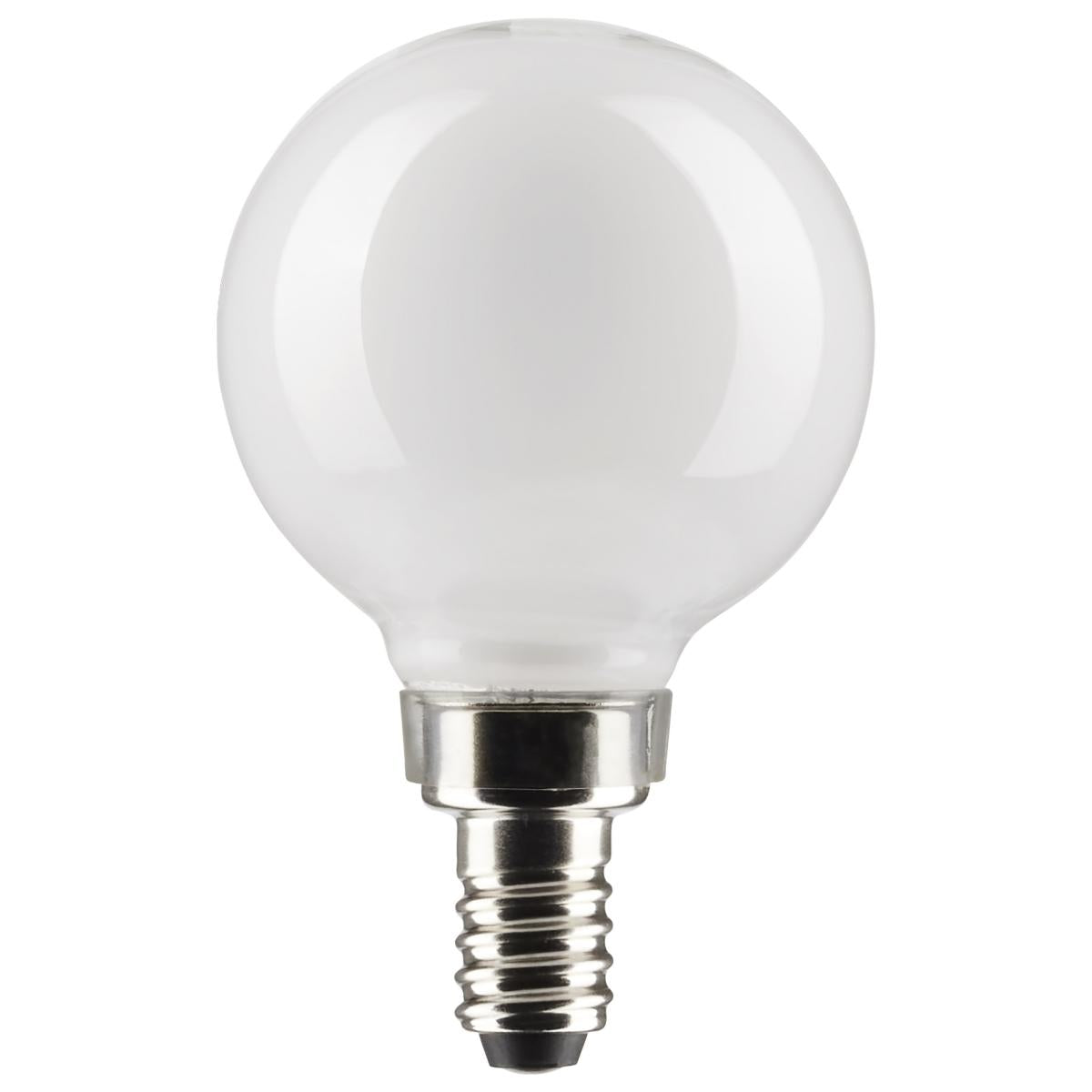
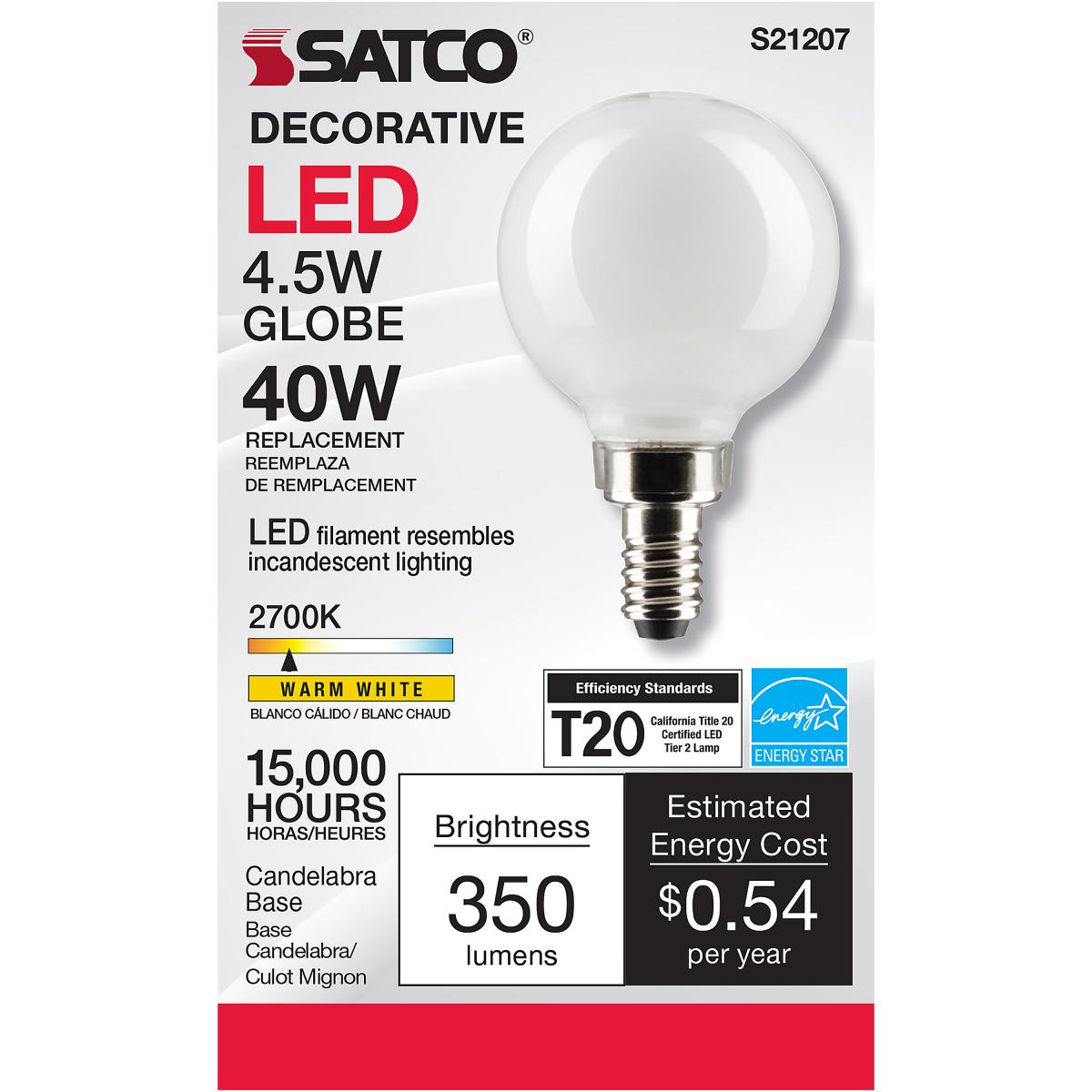
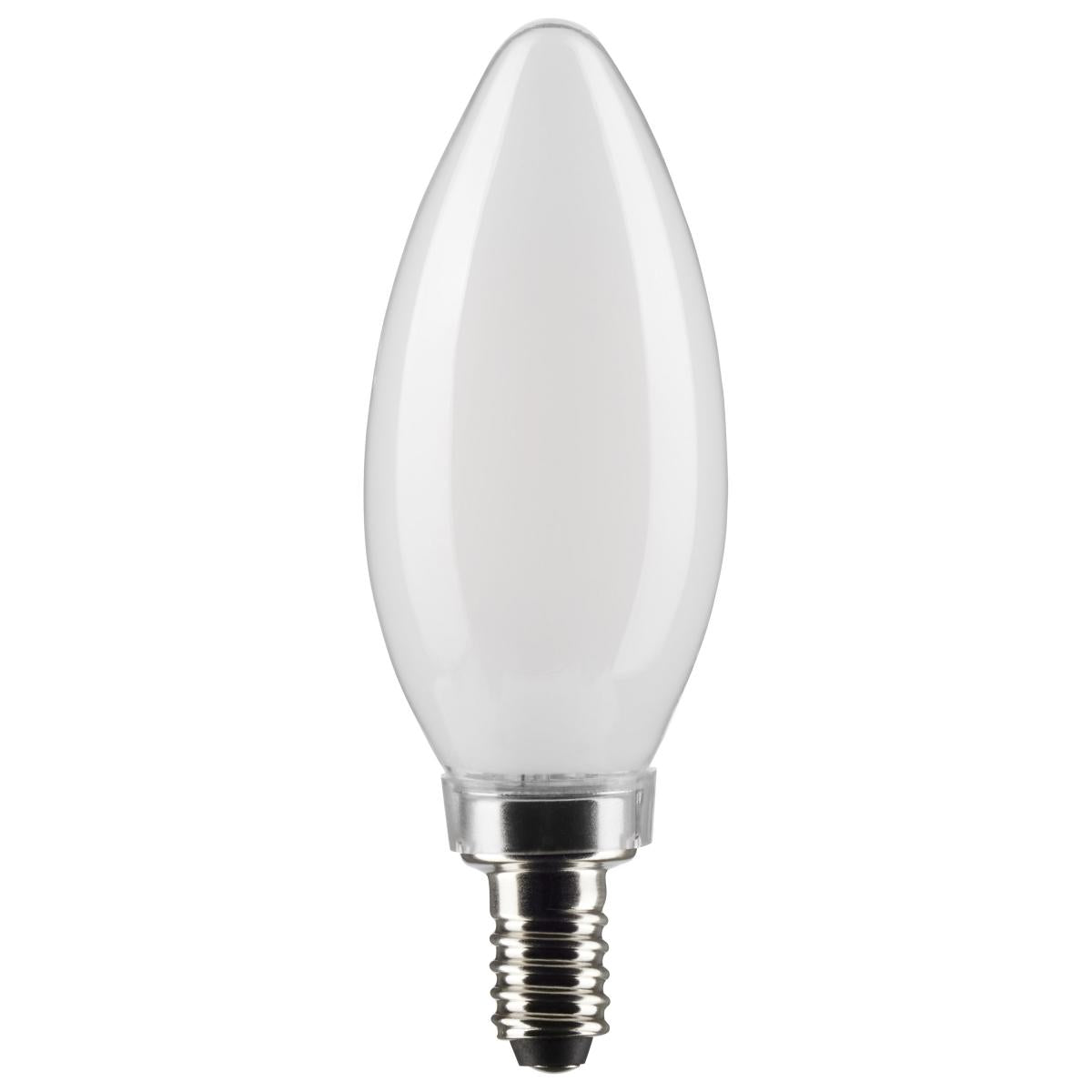
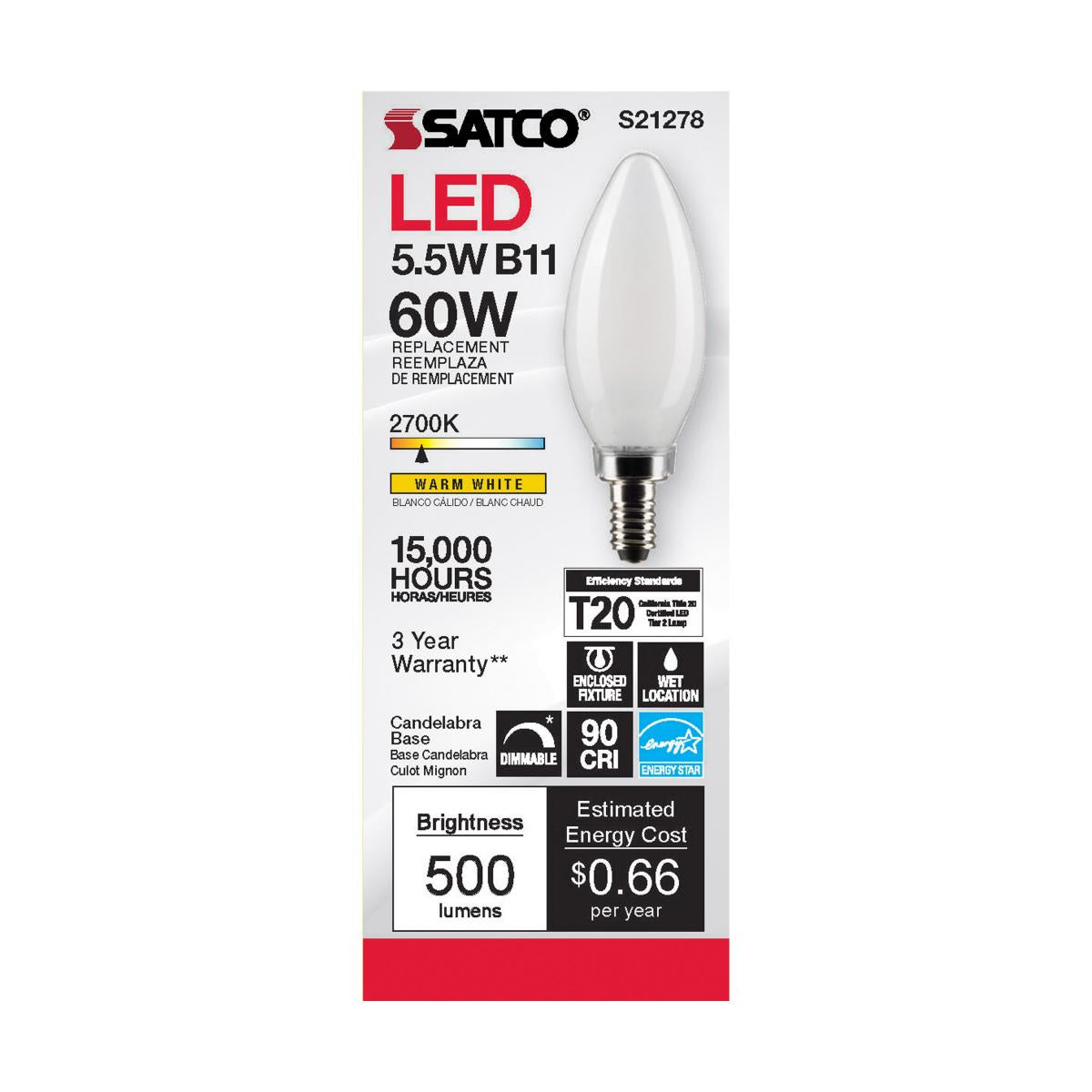
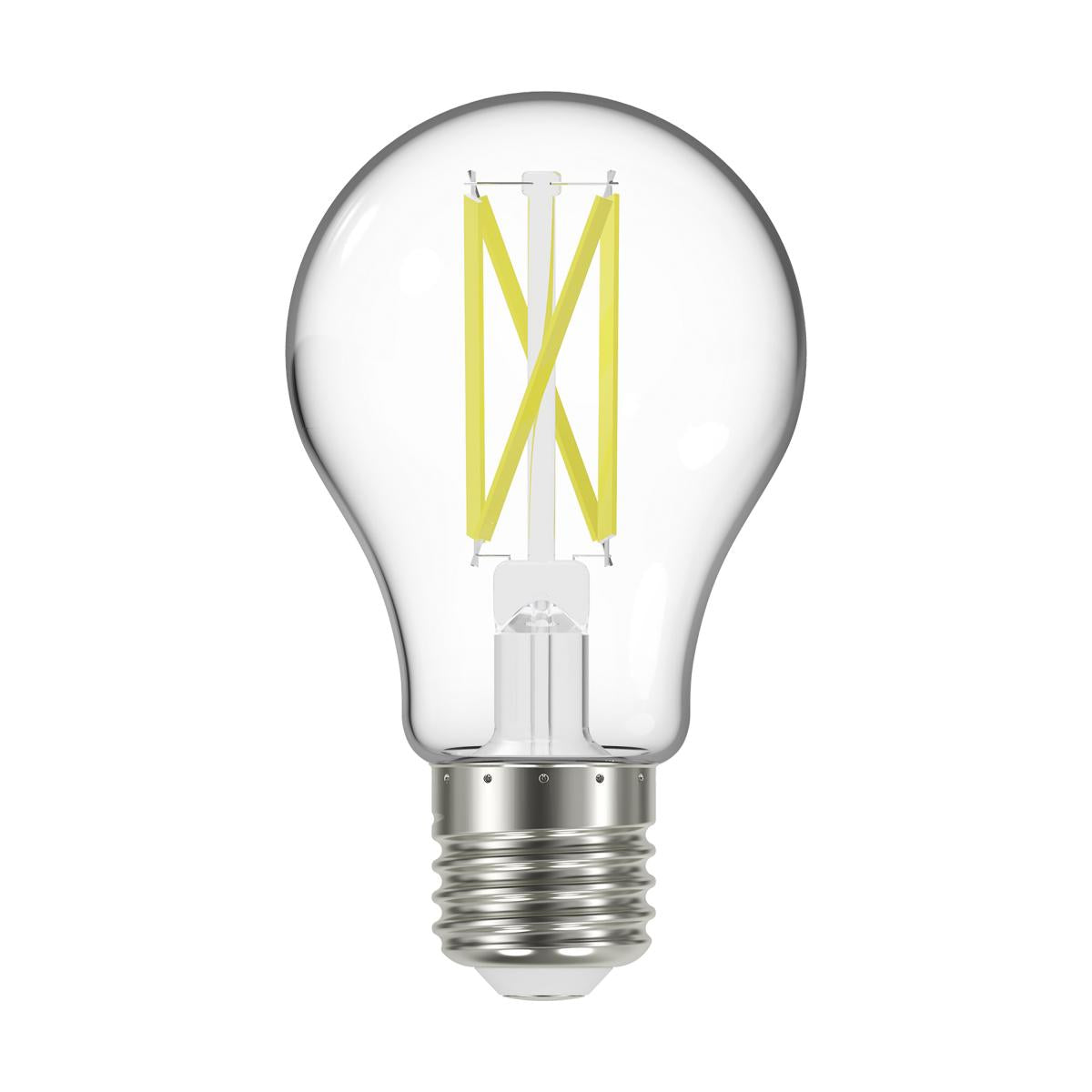
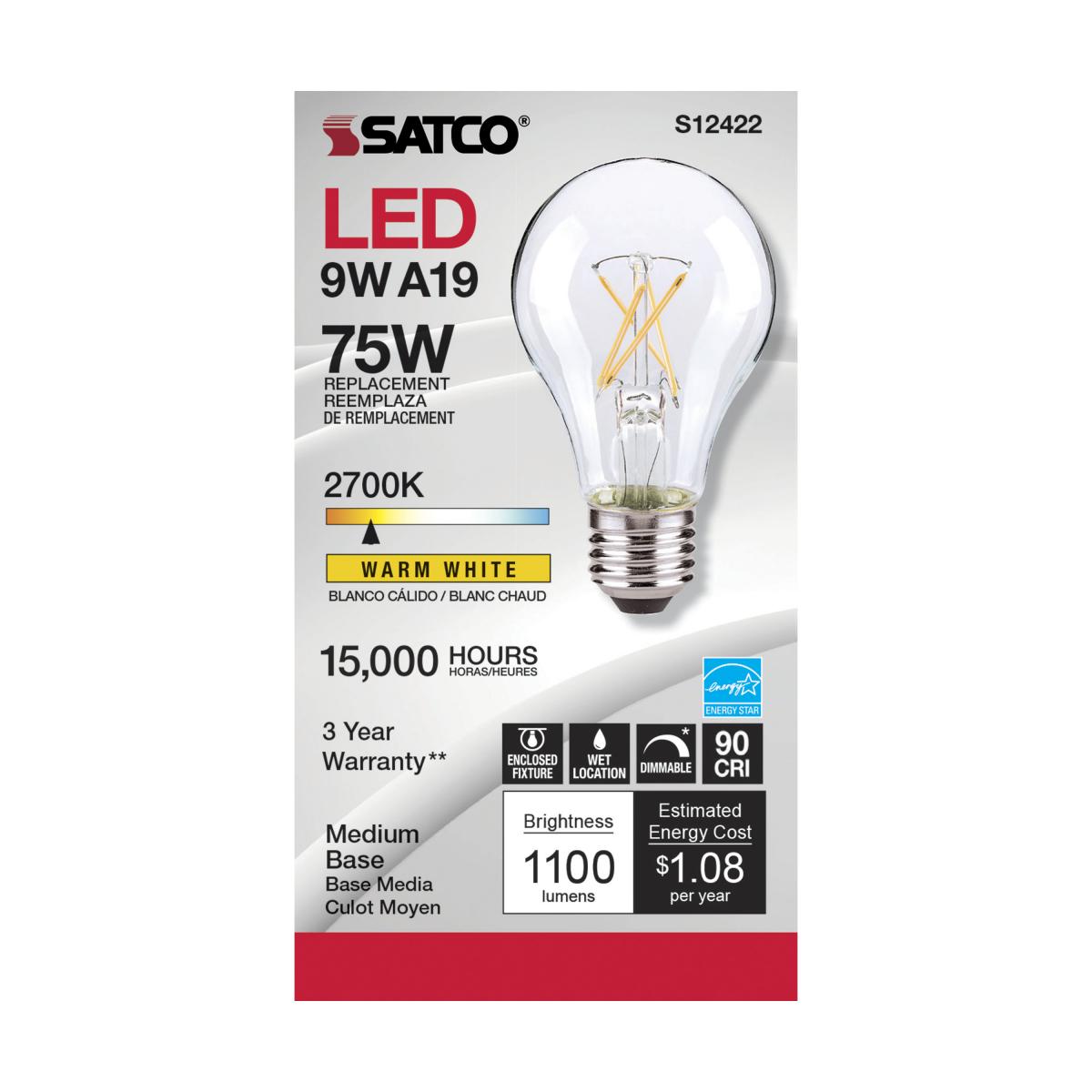

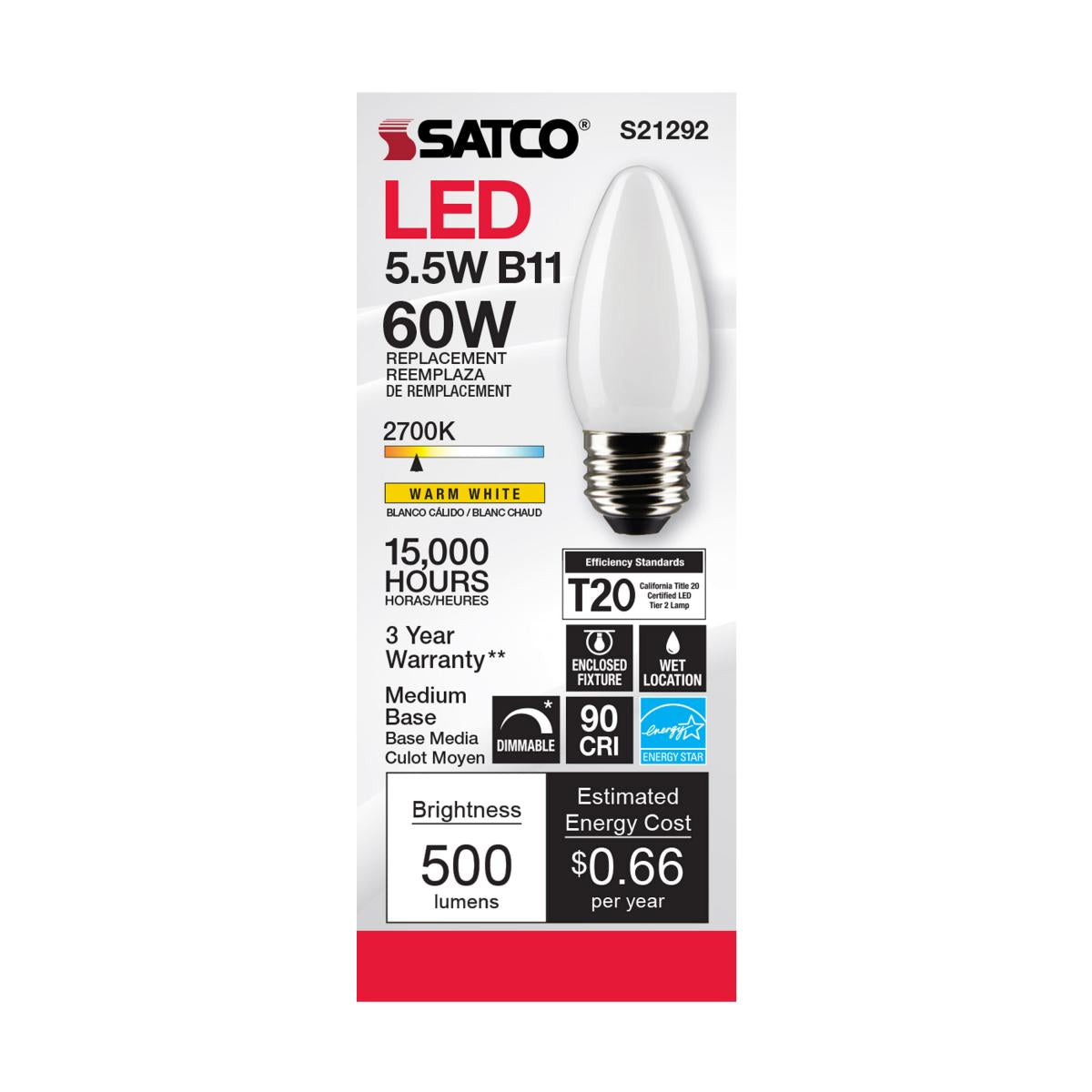
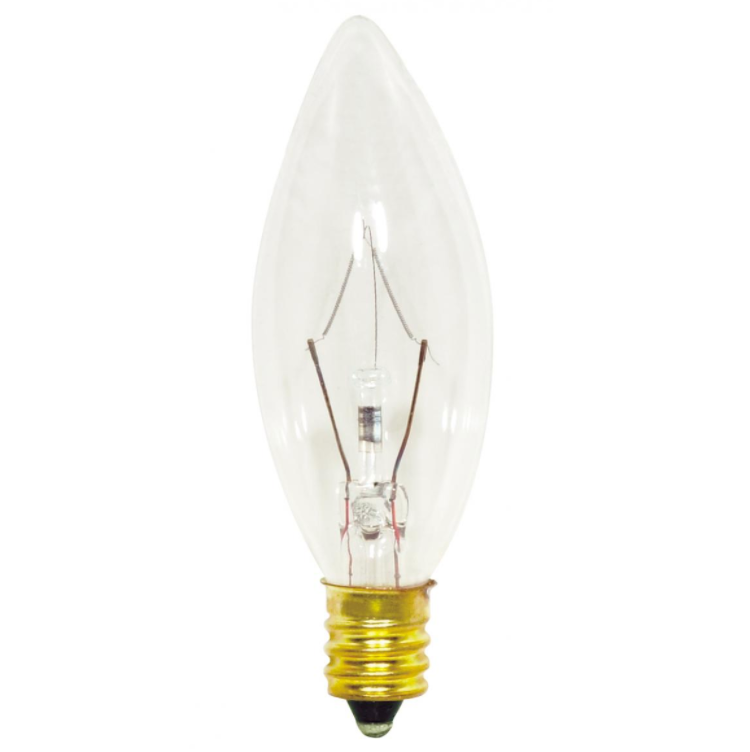
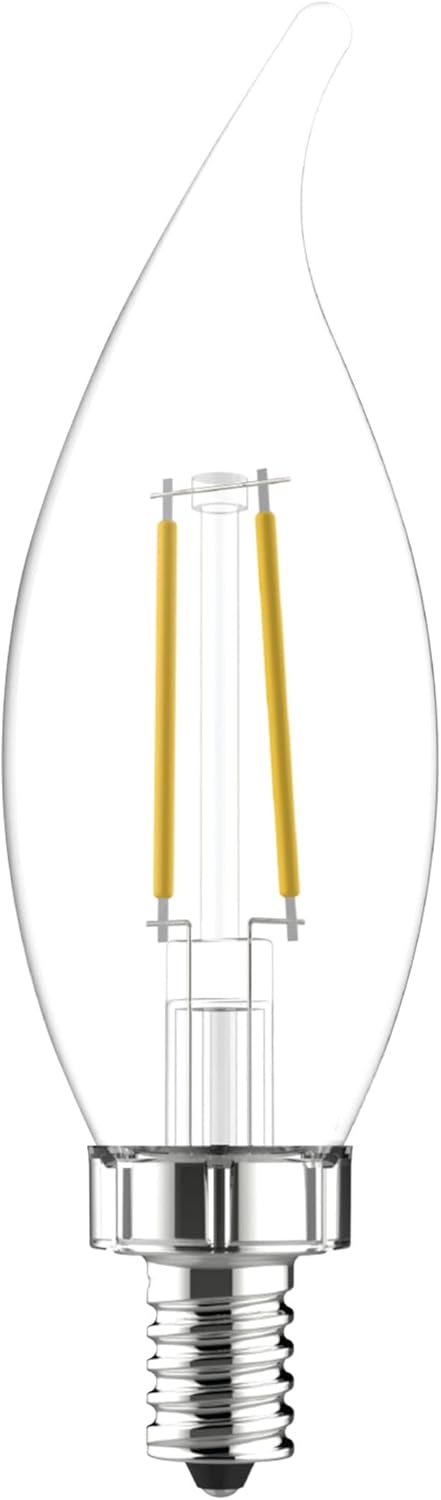
Lámpara de araña torpedo transparente bombilla pequeña – Base E12
Precio de venta1.99
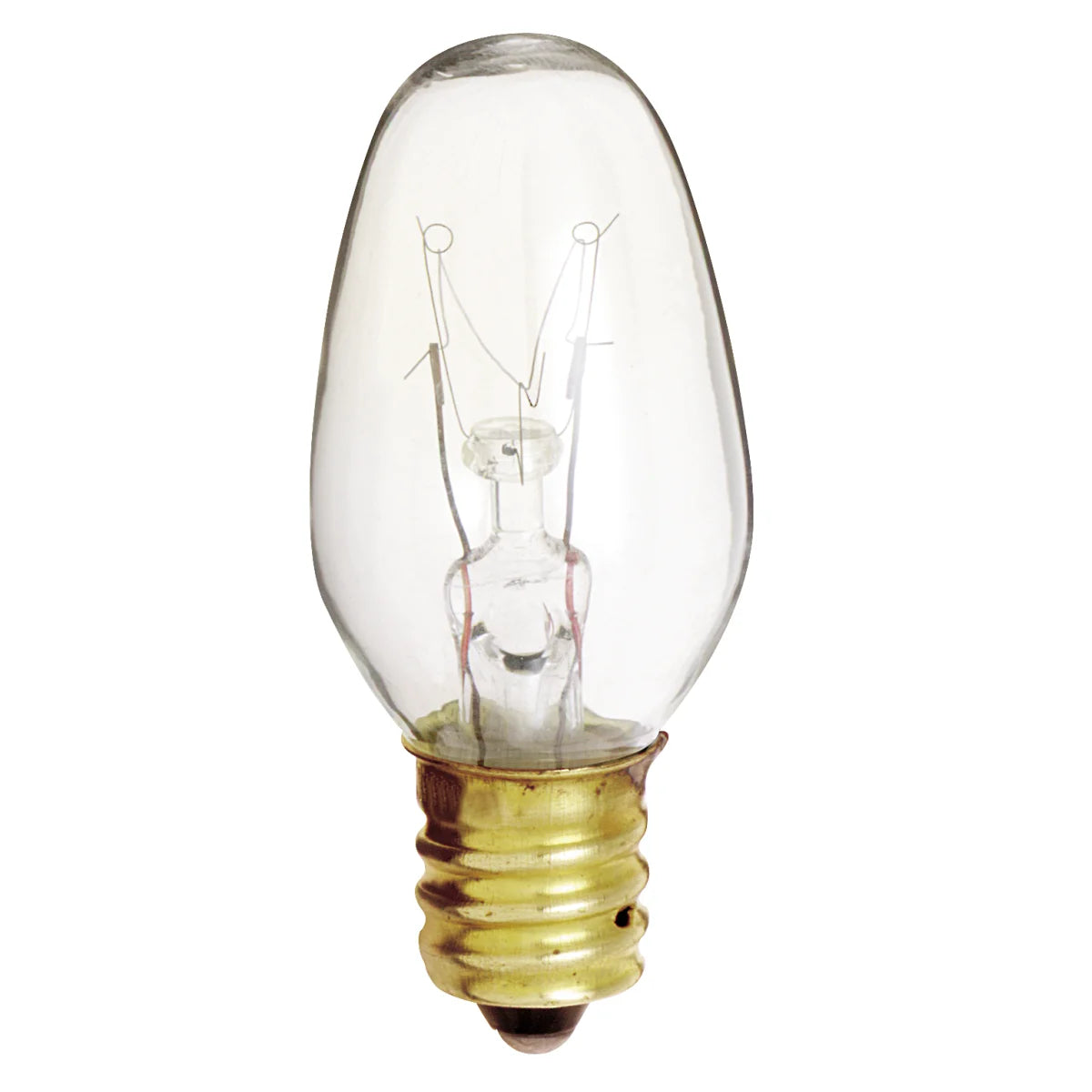
Bombillas incandescentes C7 (E12) regulables de 4 vatios – paquete de 2
Precio de venta3.99
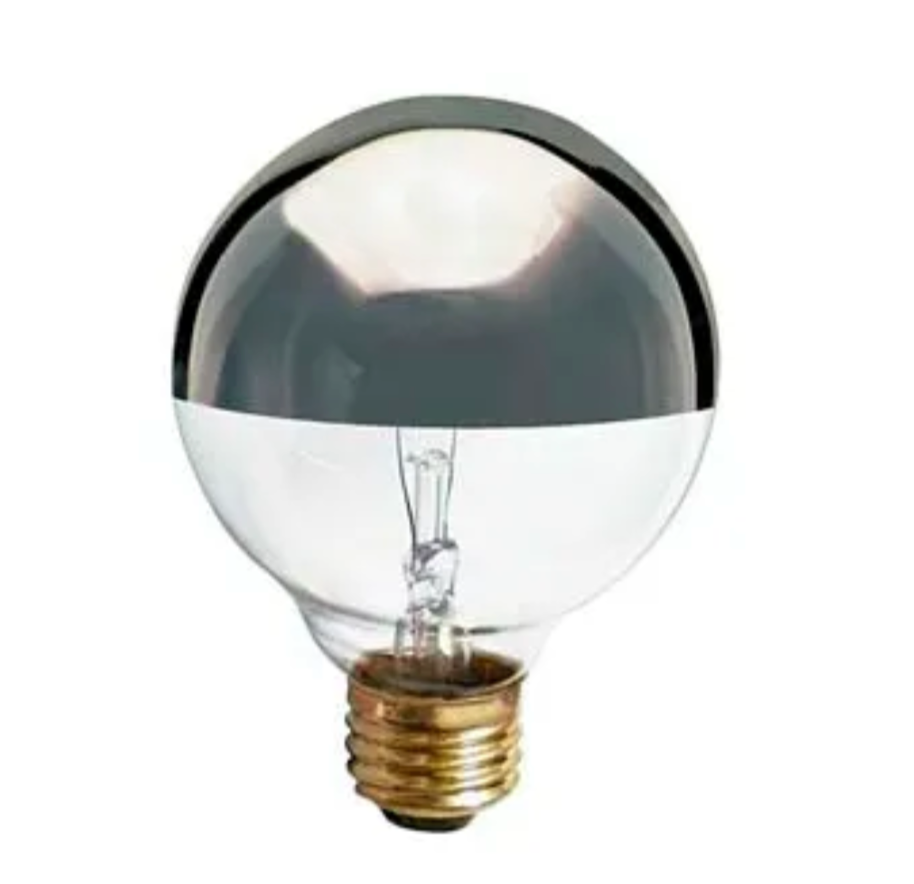
Bombilla Satco G25 con parte superior de plata, 60 W, base E26, 2700 K
Precio de venta7.99
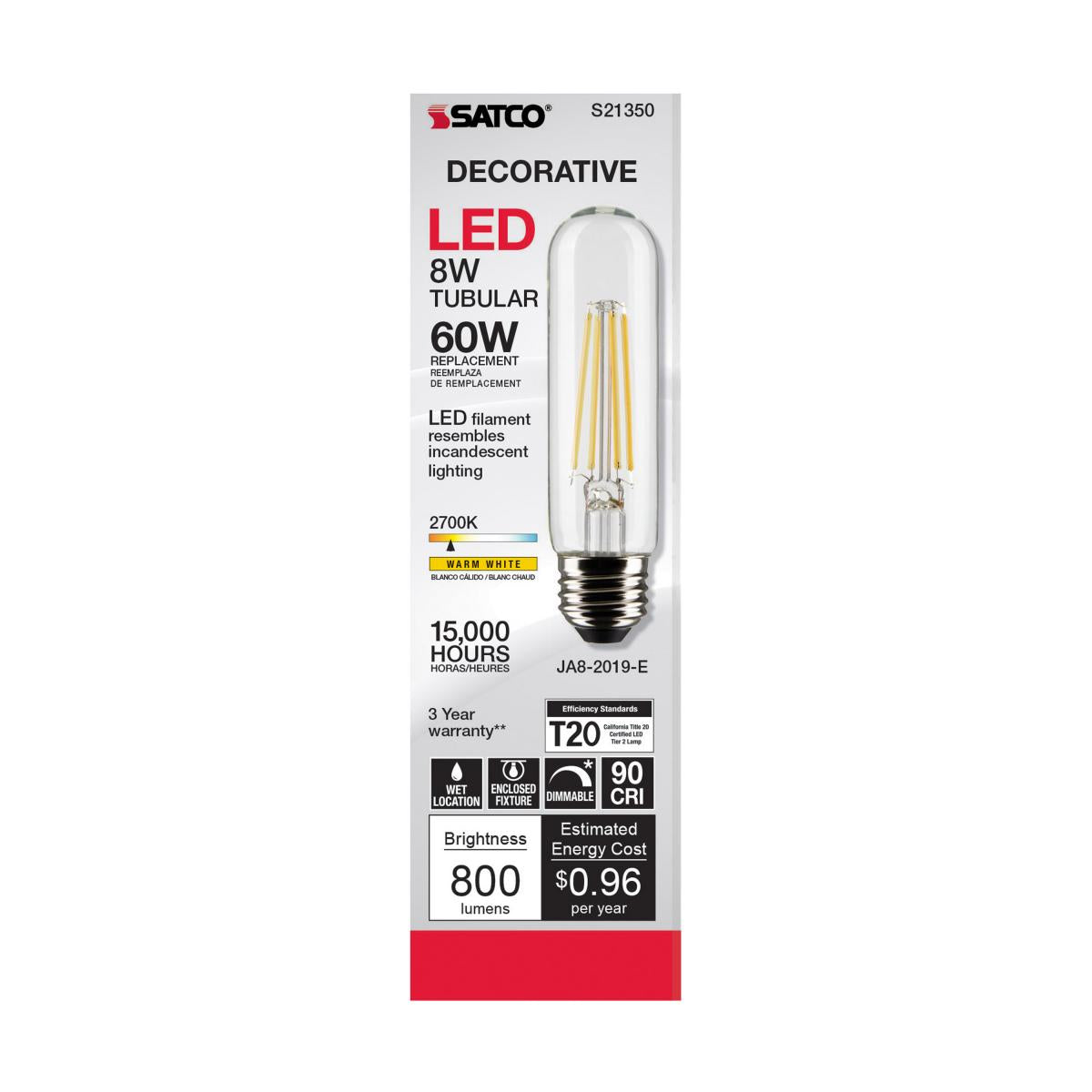
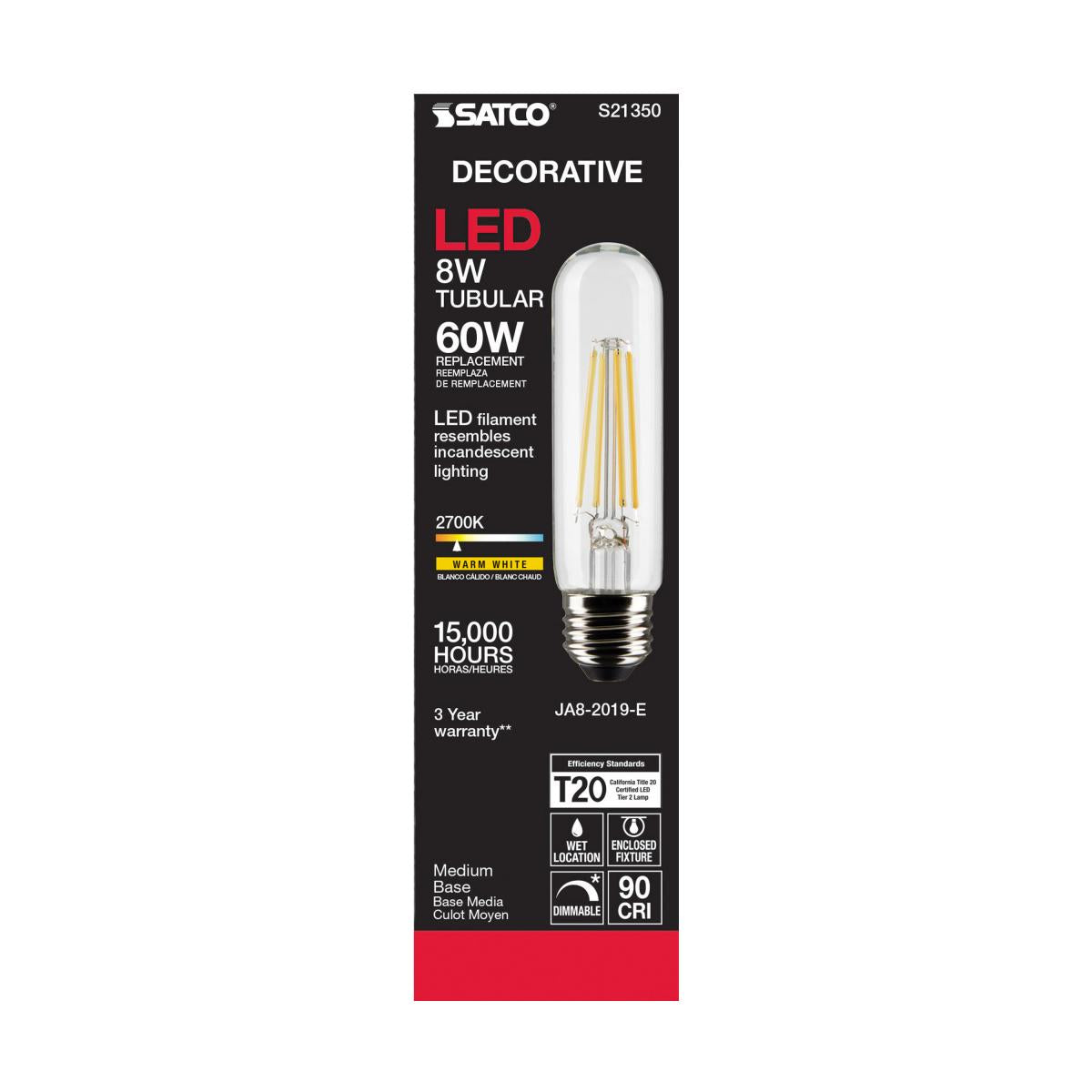
Bombilla LED T10 Satco – 8W – Equivalente a 60W – Base E26 – Transparente – 2700K
Precio de venta14.99

Guirnalda de luces de Navidad, cable transparente/verde, 100 unidades.
Precio de venta19.95

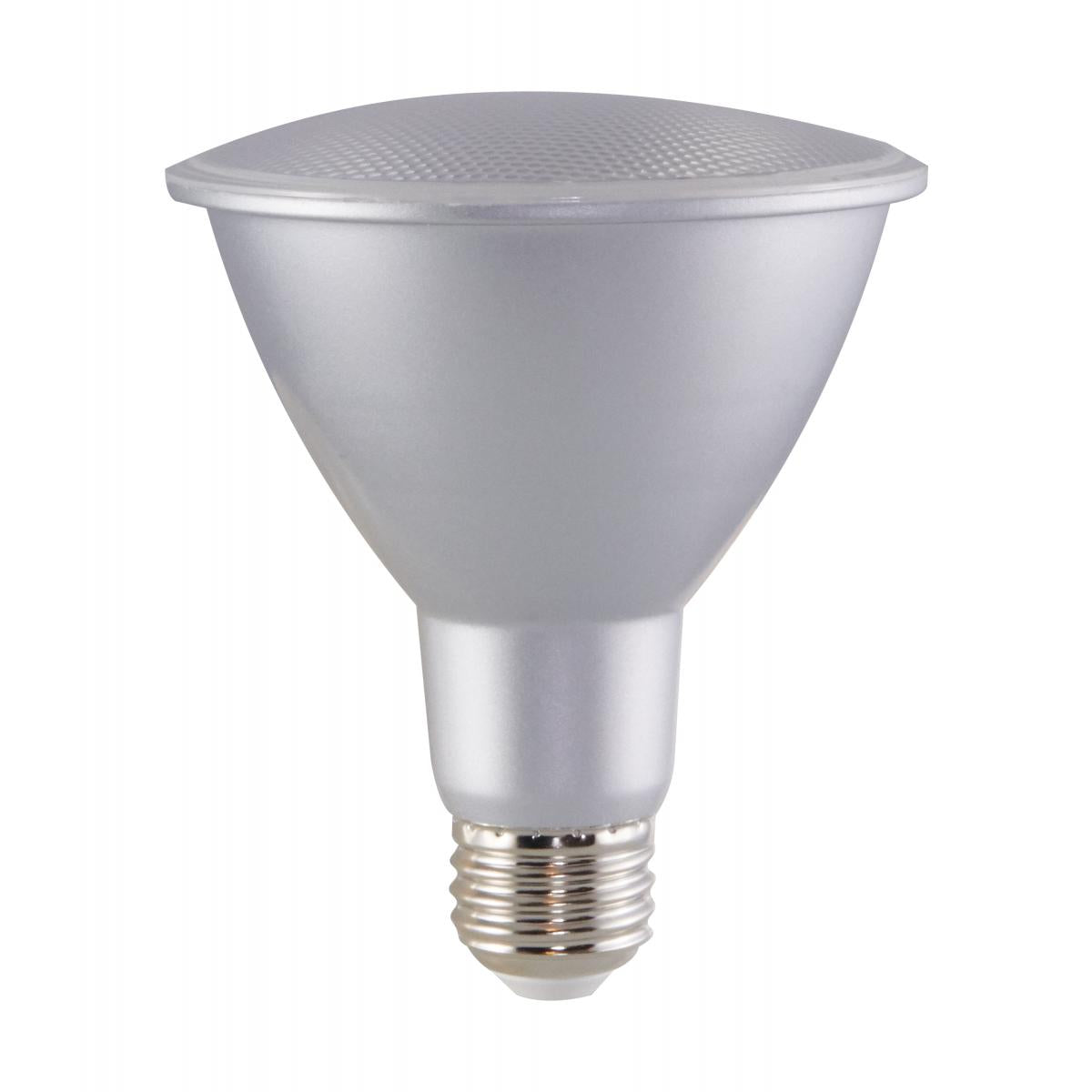
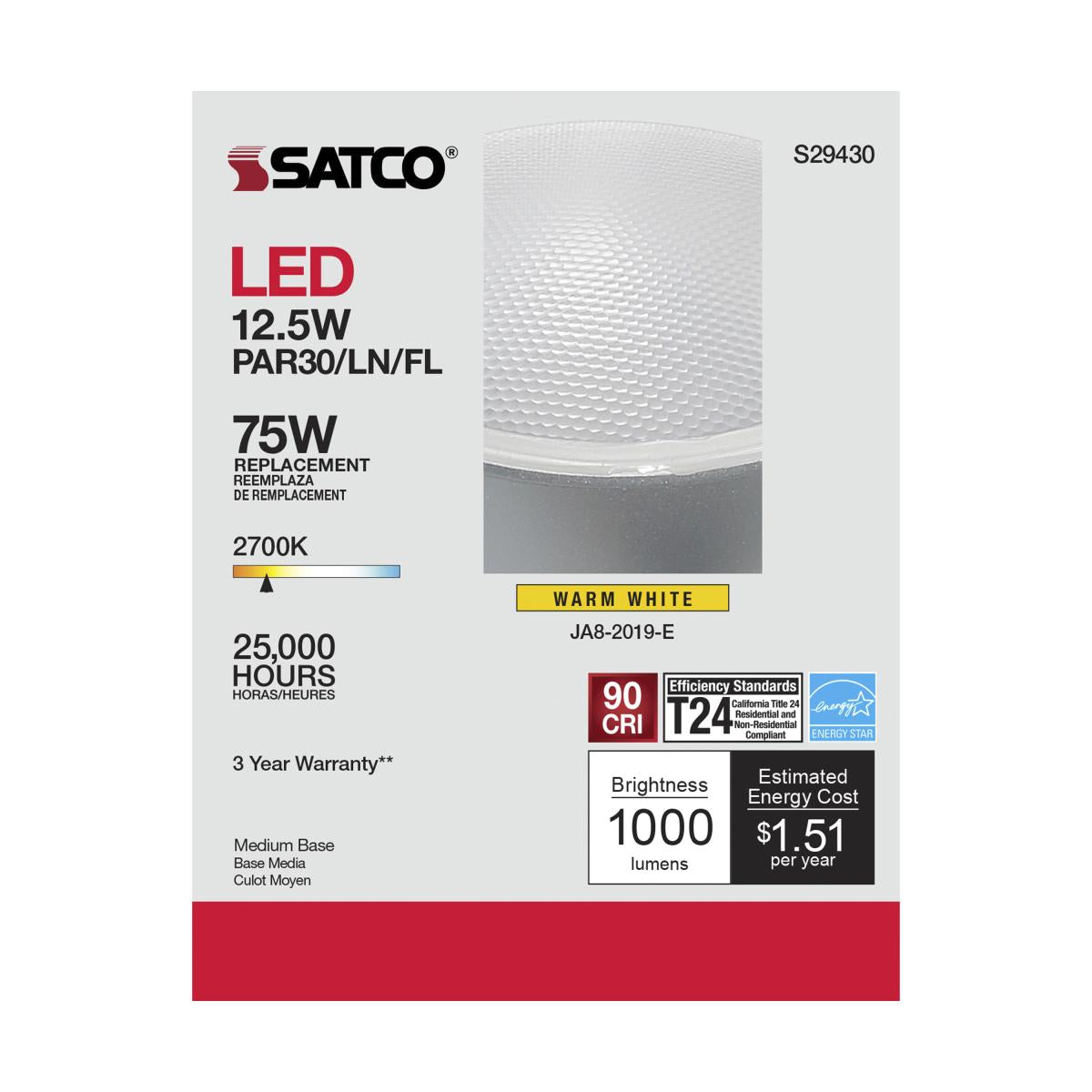
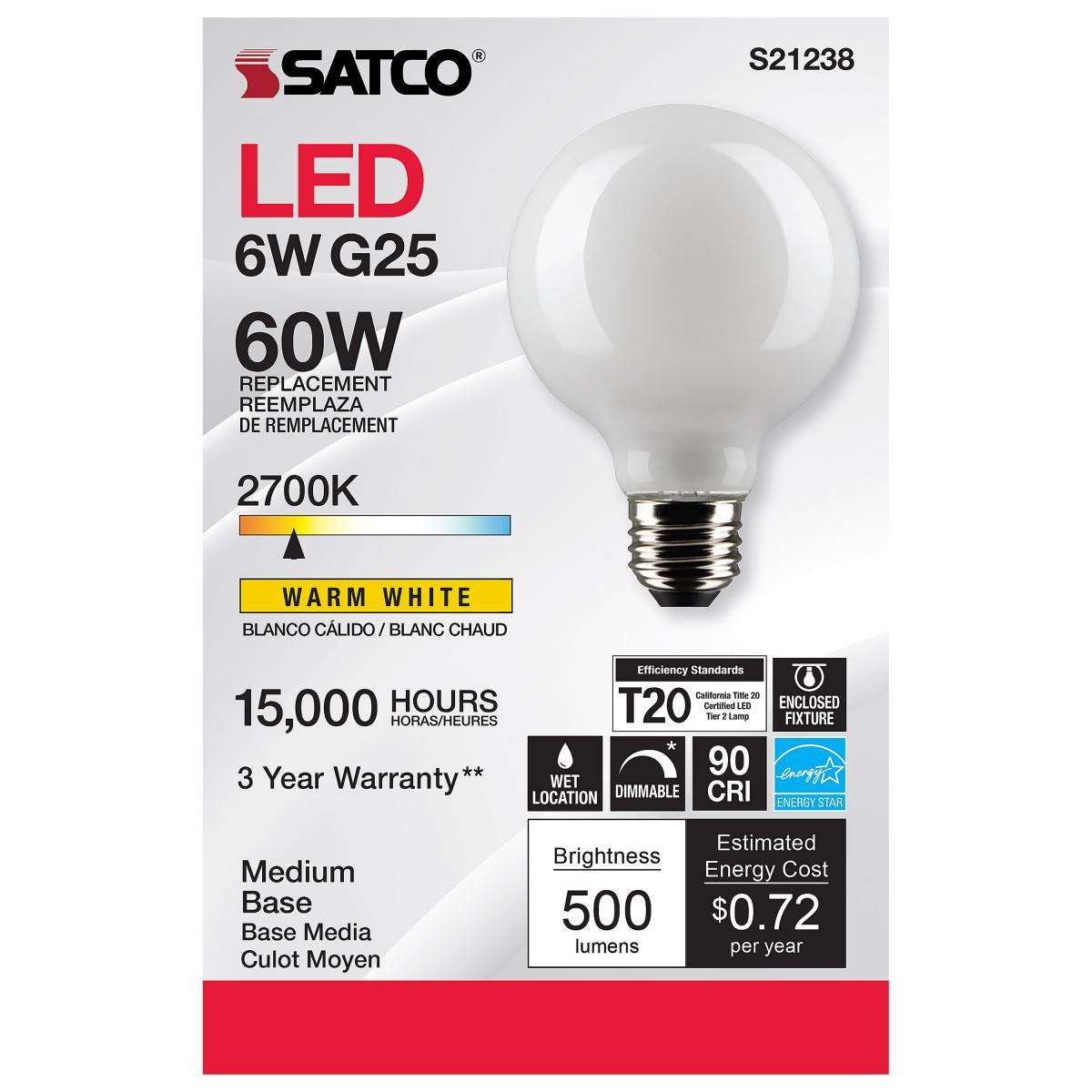
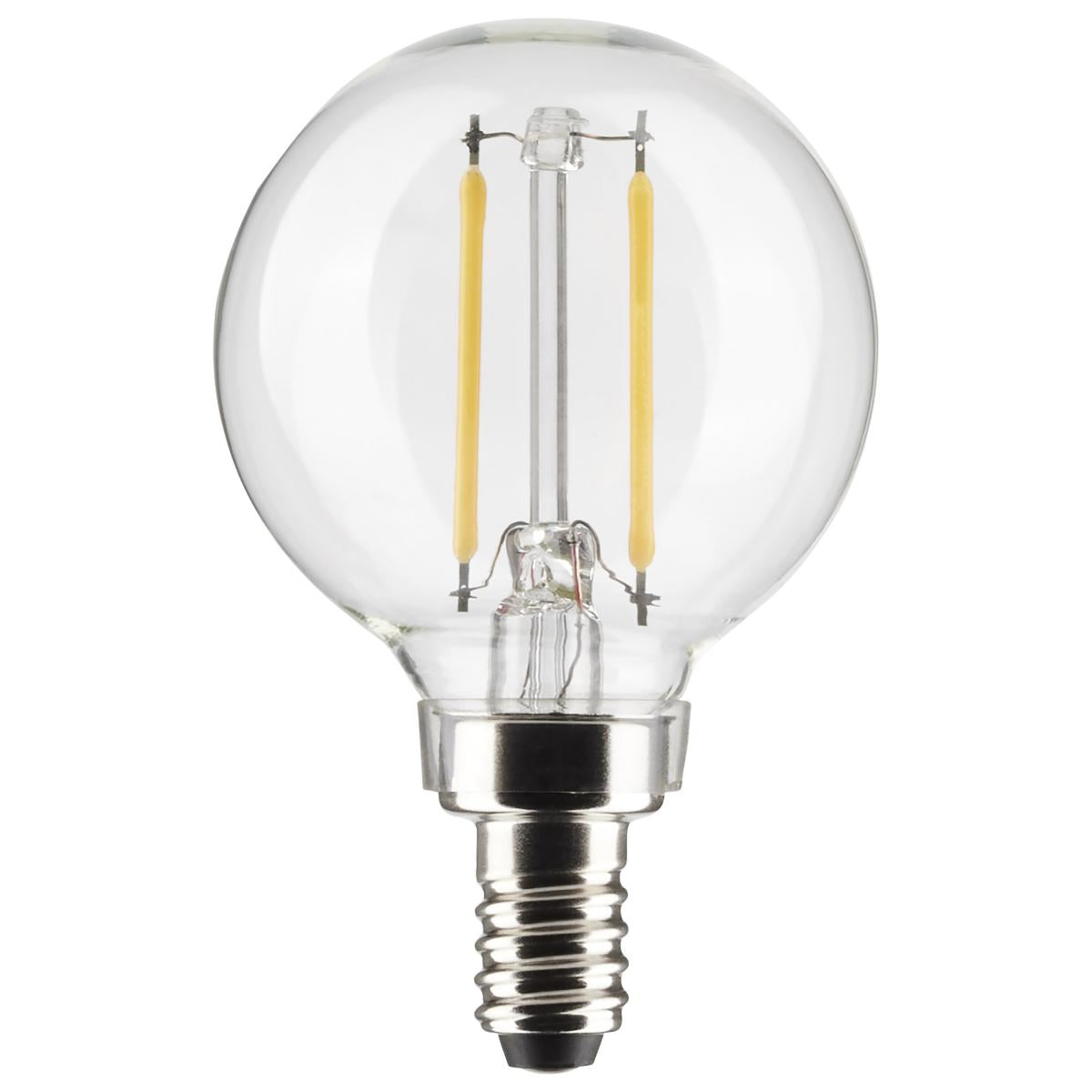
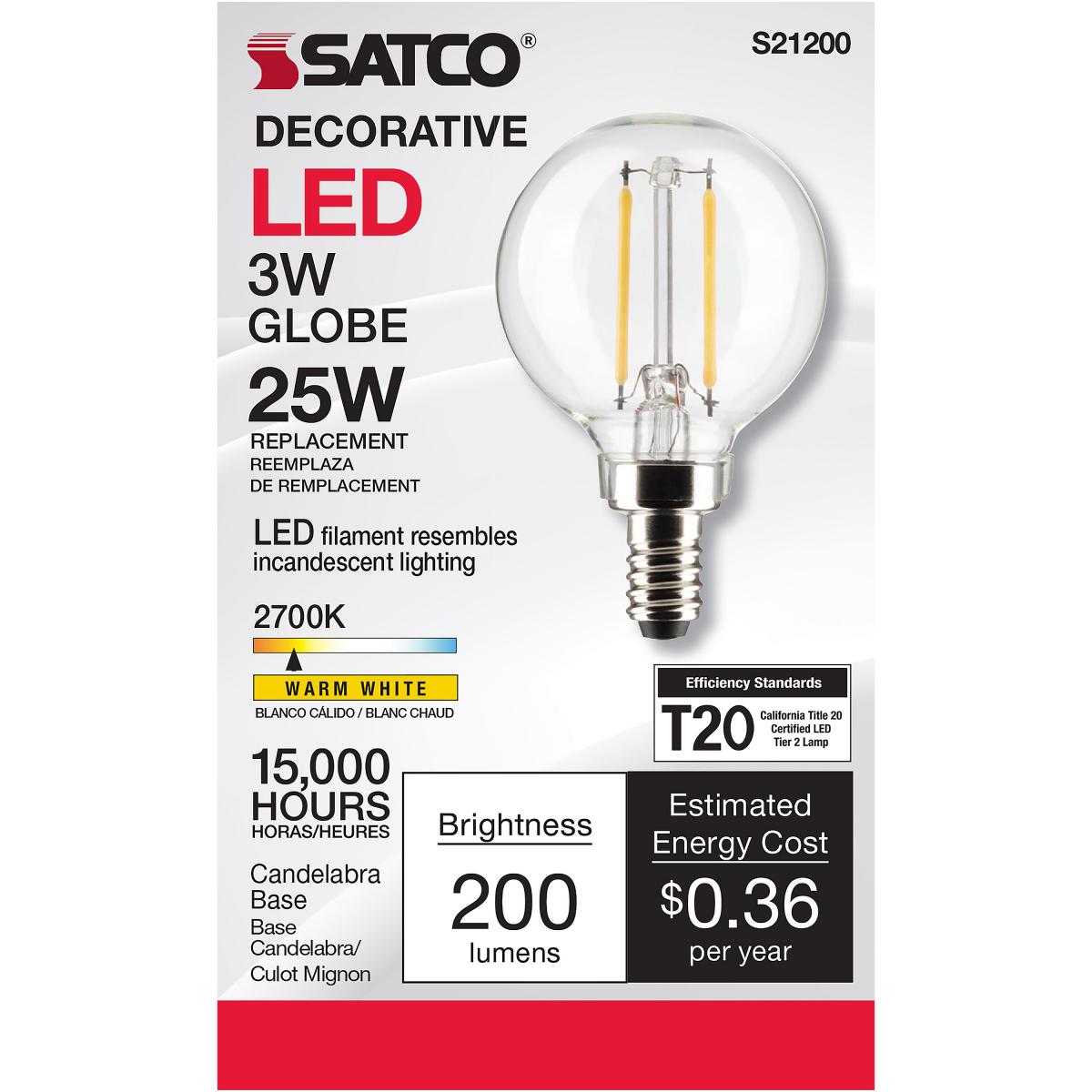
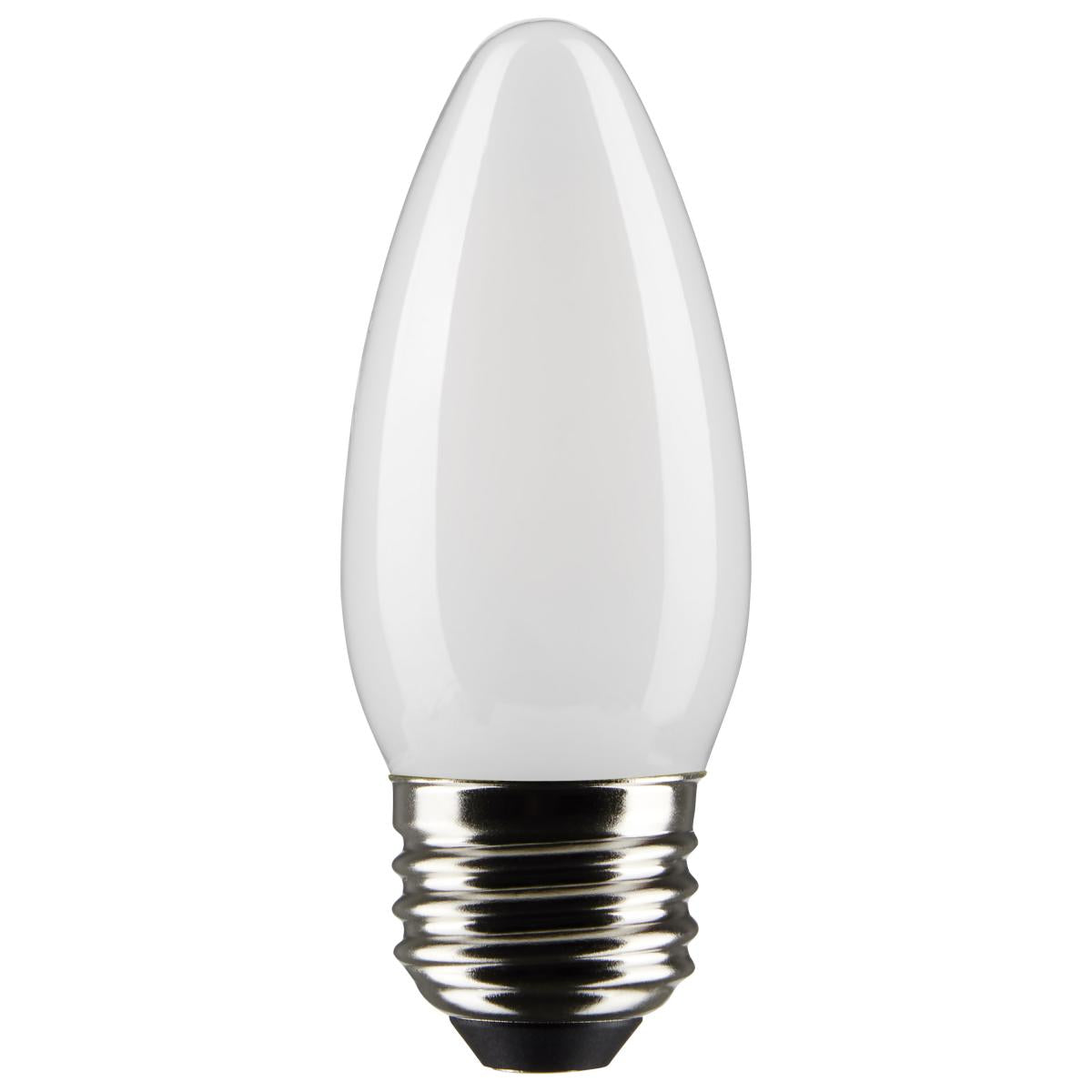
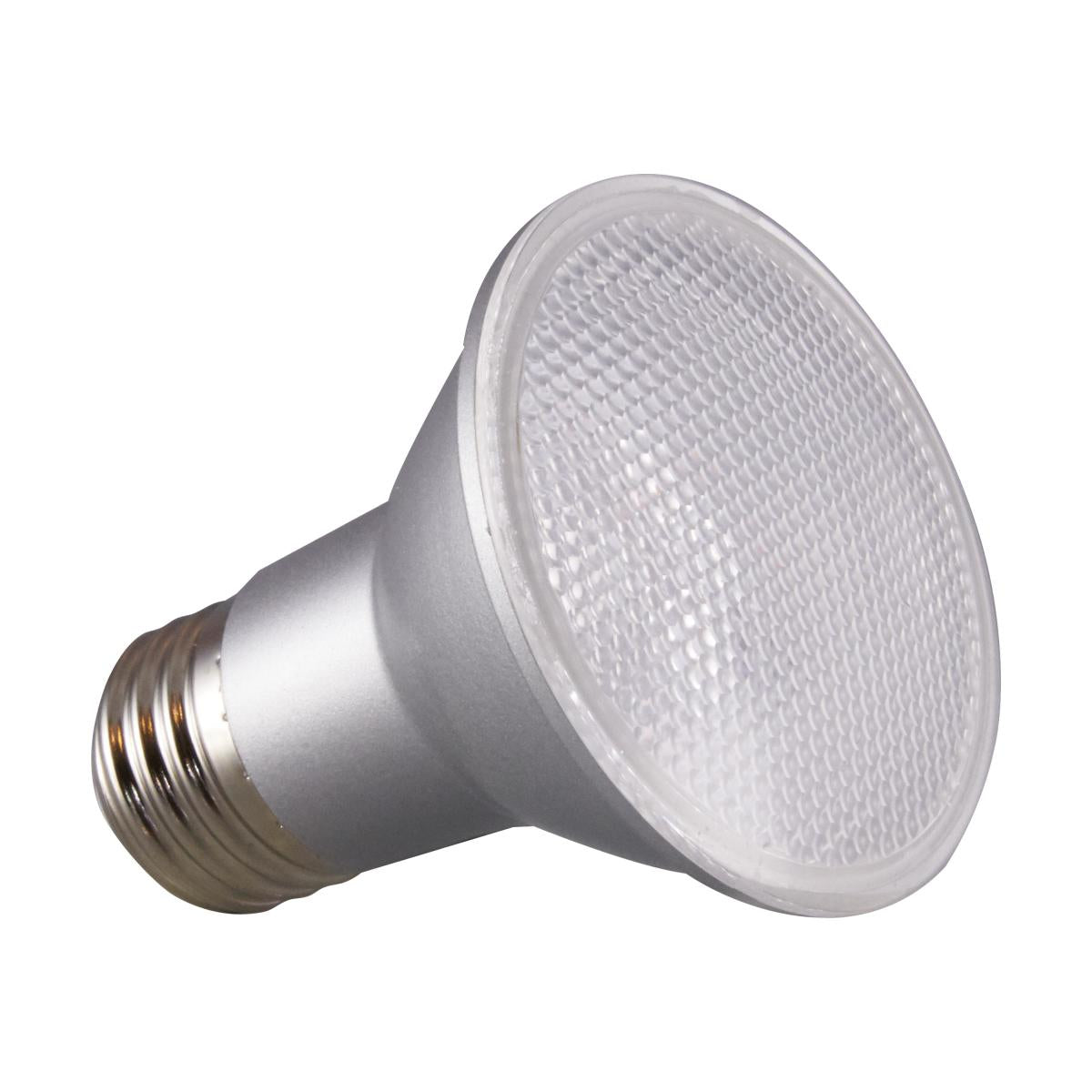
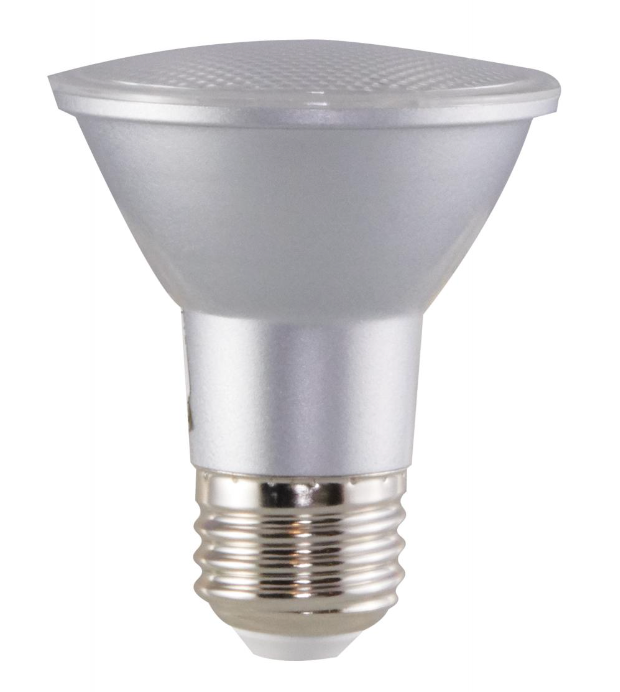
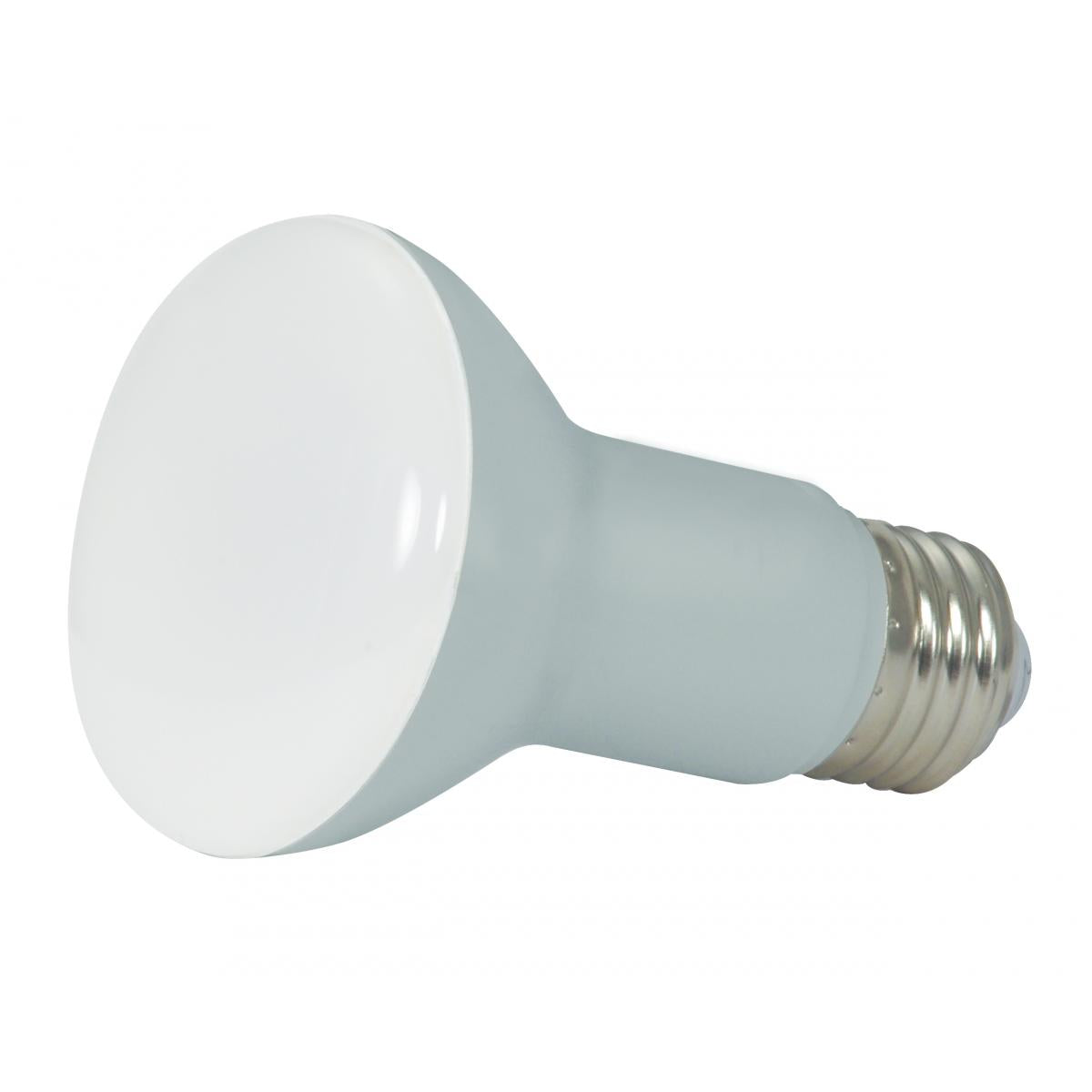
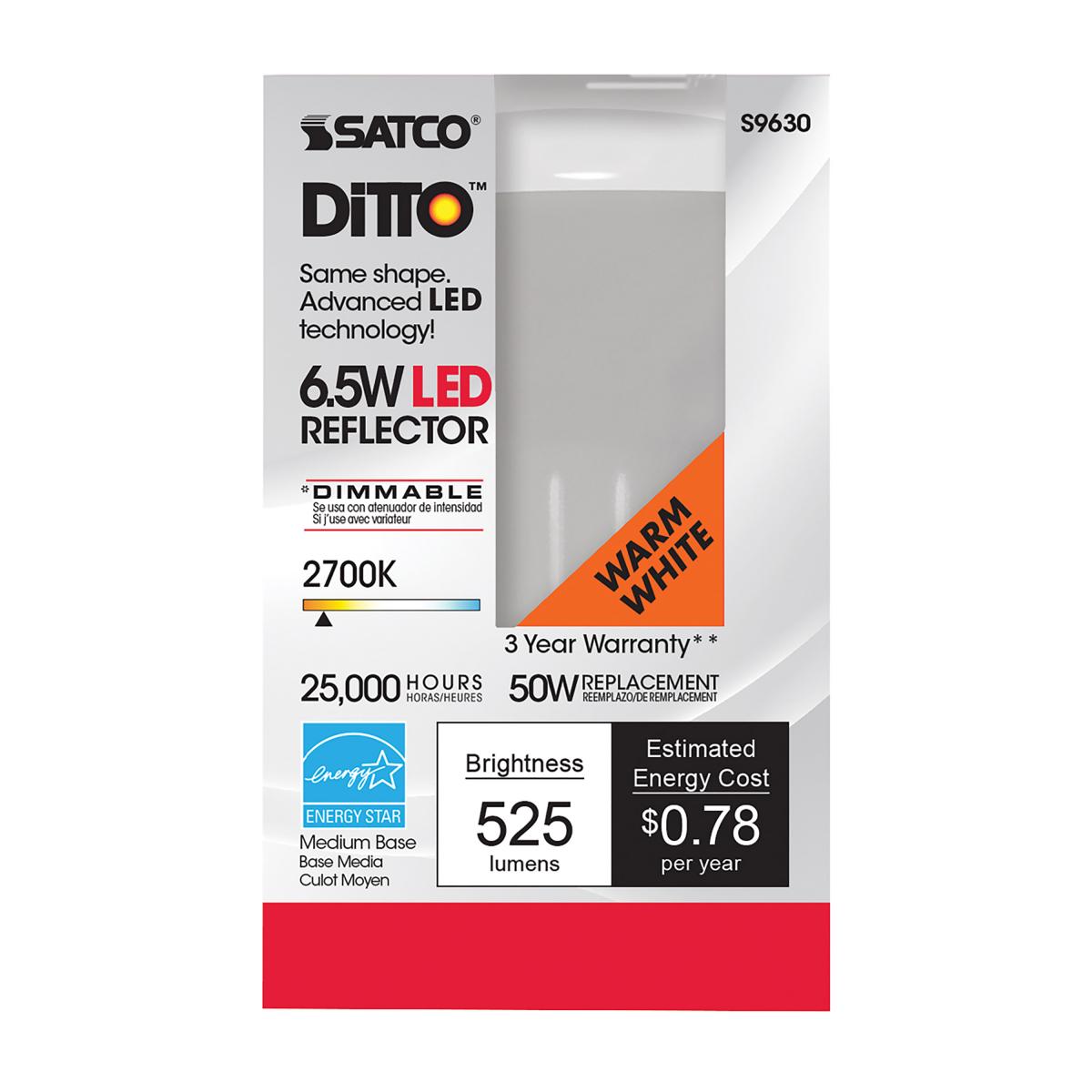
Satco LED PAR20 de 6,5 vatios (equivalente a 50W) 2700K base mediana E26
Precio de venta14.99

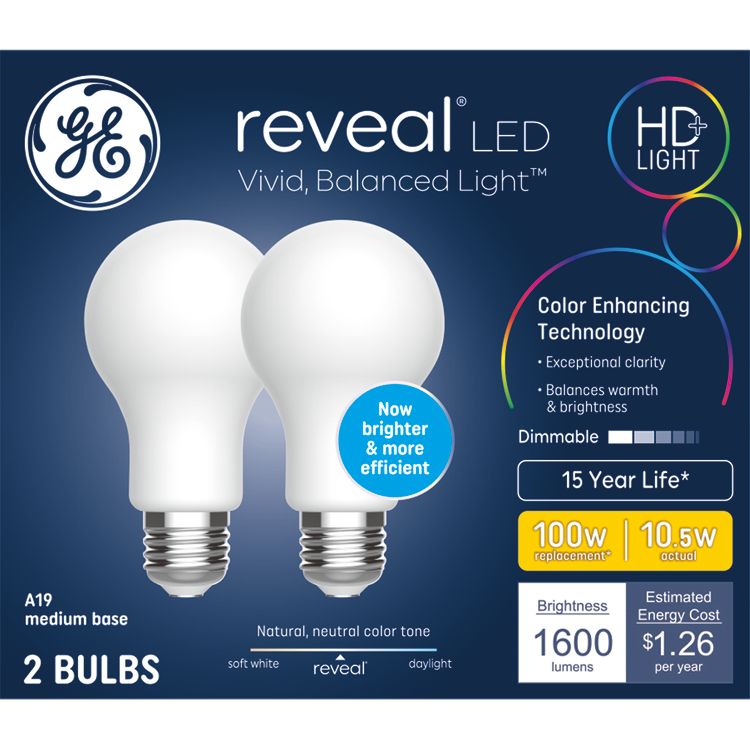
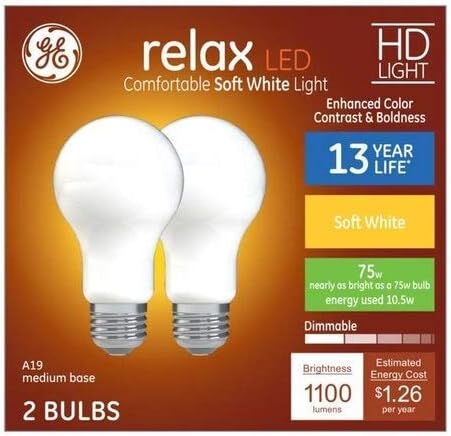
Bombillas LED GE Reveal HD+ de reemplazo de 100W, uso general A21 - Paquete de 2
Precio de venta29.99
Recently viewed
Frequently Asked Questions
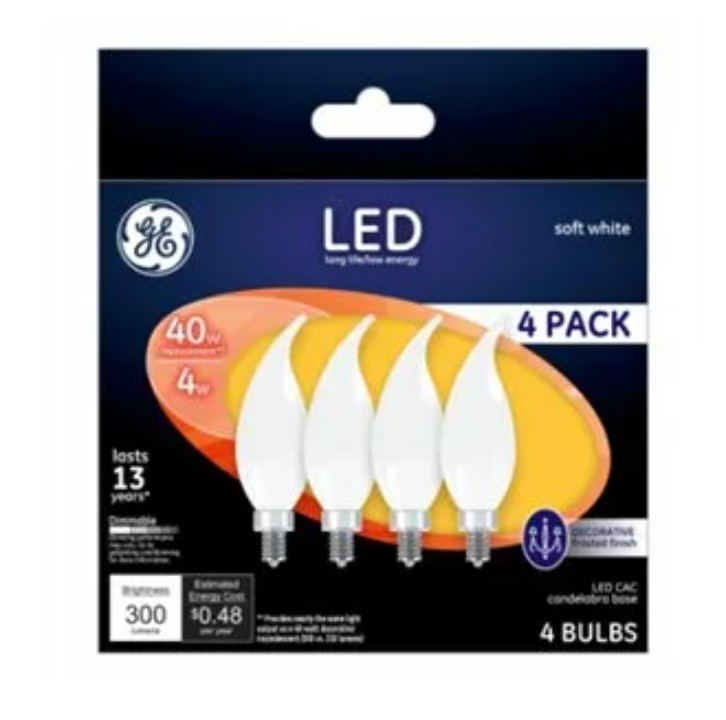
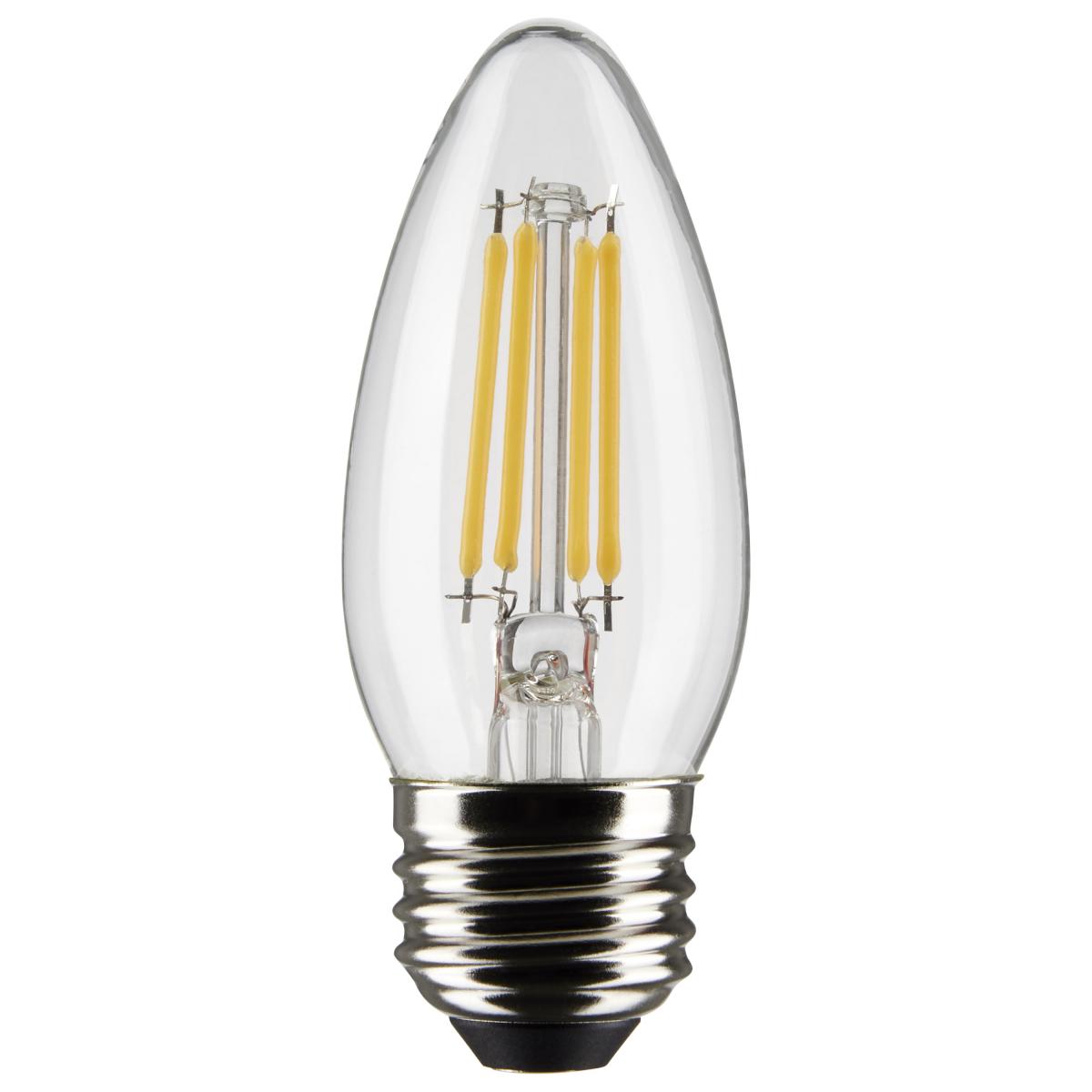
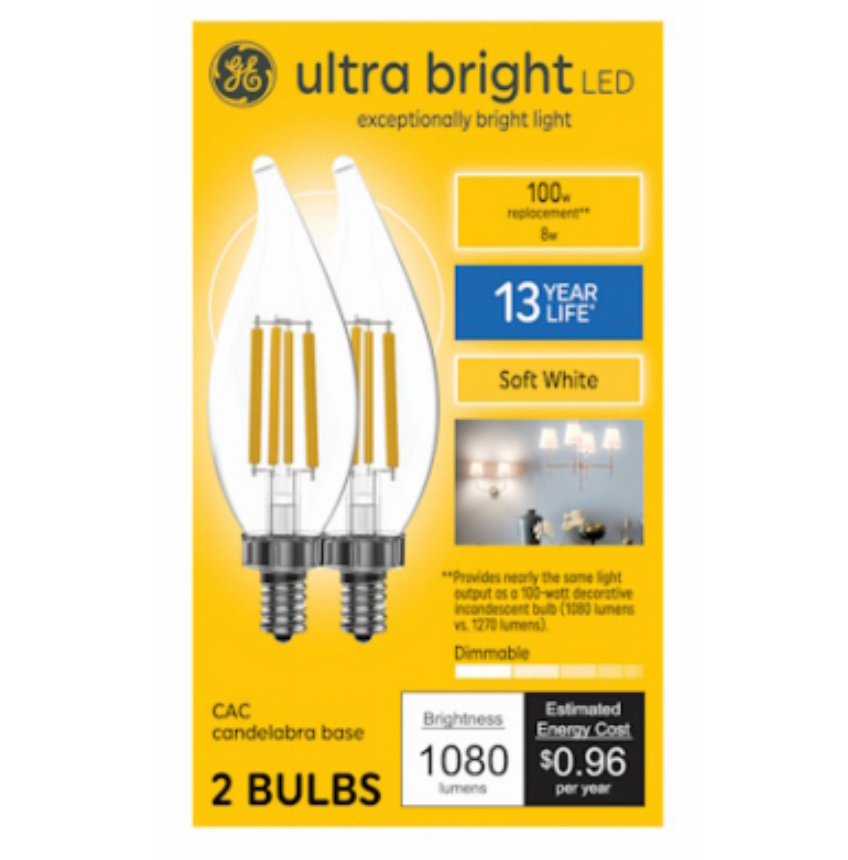
LED, incandescent, halogen, and fluorescent. Within each category, bulbs are sorted by shape and base. LED is now the default choice for most household fixtures. The everyday shapes are the A19 household bulb, the slim candelabra bulb commonly used for chandeliers and sconces, round G globes often used for vanities and pendants, and BR or PAR reflectors often used in recessed cans and track heads.
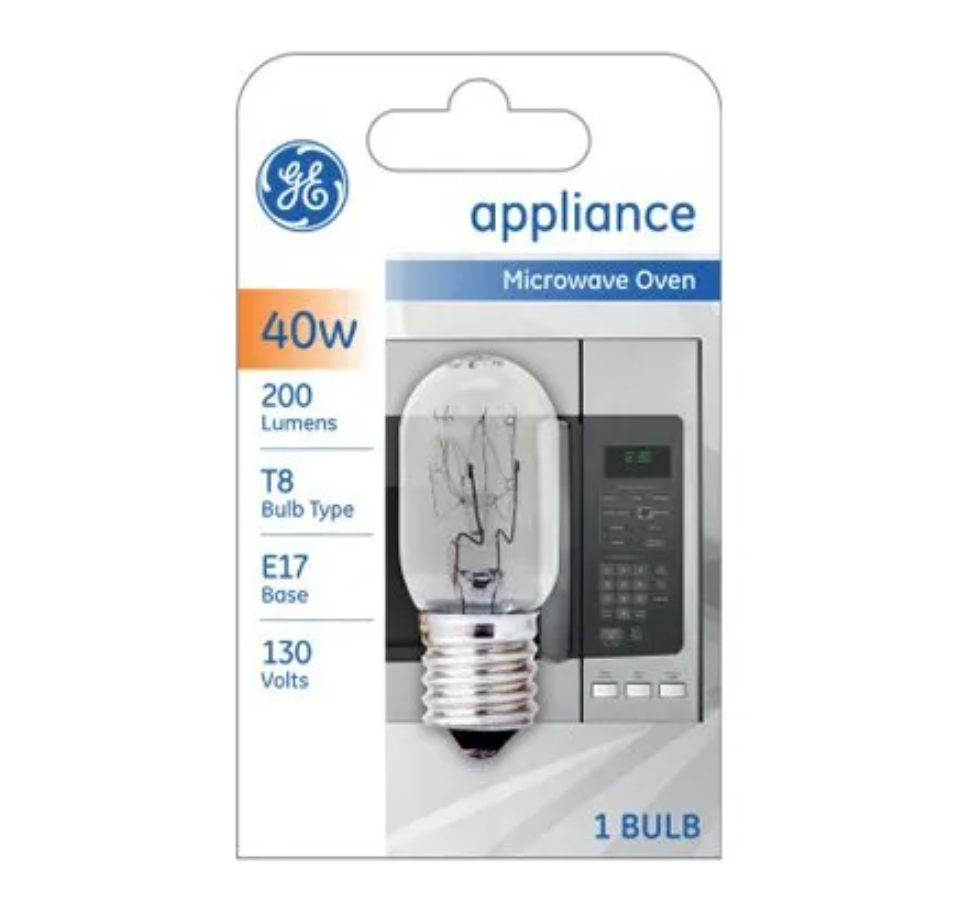
A specialty bulb is any made for a particular fixture or job rather than a standard household lamp. Common examples are appliance bulbs for ovens, refrigerators, and microwaves, tiny bi-pin G4, G8, and G9 bulbs often used in under-cabinet lights, MR16 spotlights, European E14 bulbs, night-light bulbs, and battery-backup bulbs that stay lit through a power outage.
Match the base and shape codes printed on the old bulb or on the fixture's label. The base code gives the width of a screw-in base in millimeters: E26 is the standard household base, E12 is candelabra, and E17 is intermediate. GU24, GU10, and bi-pin bases twist or plug in rather than screw. The shape code gives the bulb's widest diameter in eighths of an inch, so an A19 is about 2 3/8 inches across. If the markings have worn off, bring your old bulb to our Madison Avenue store or call 212 289 7367 for help.
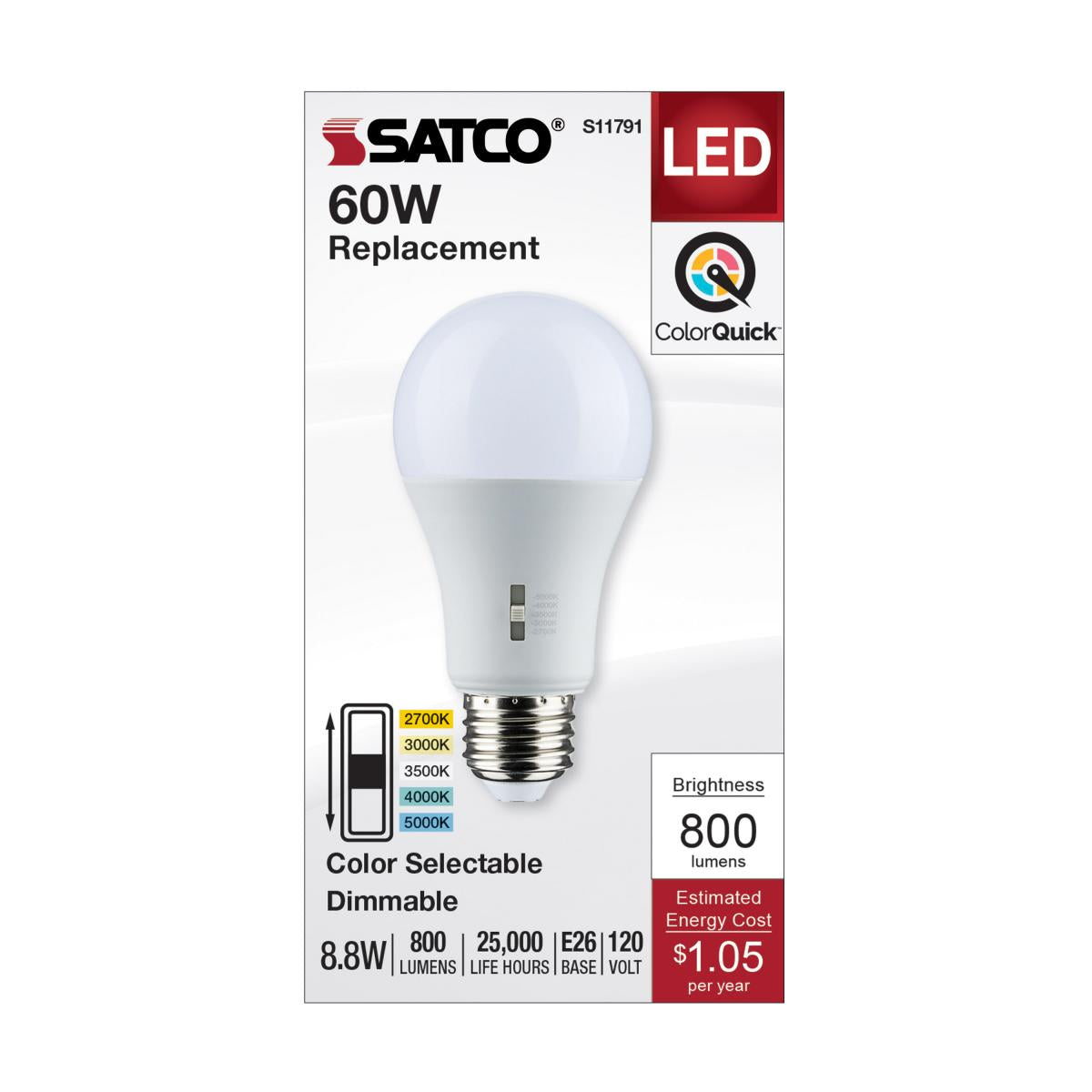
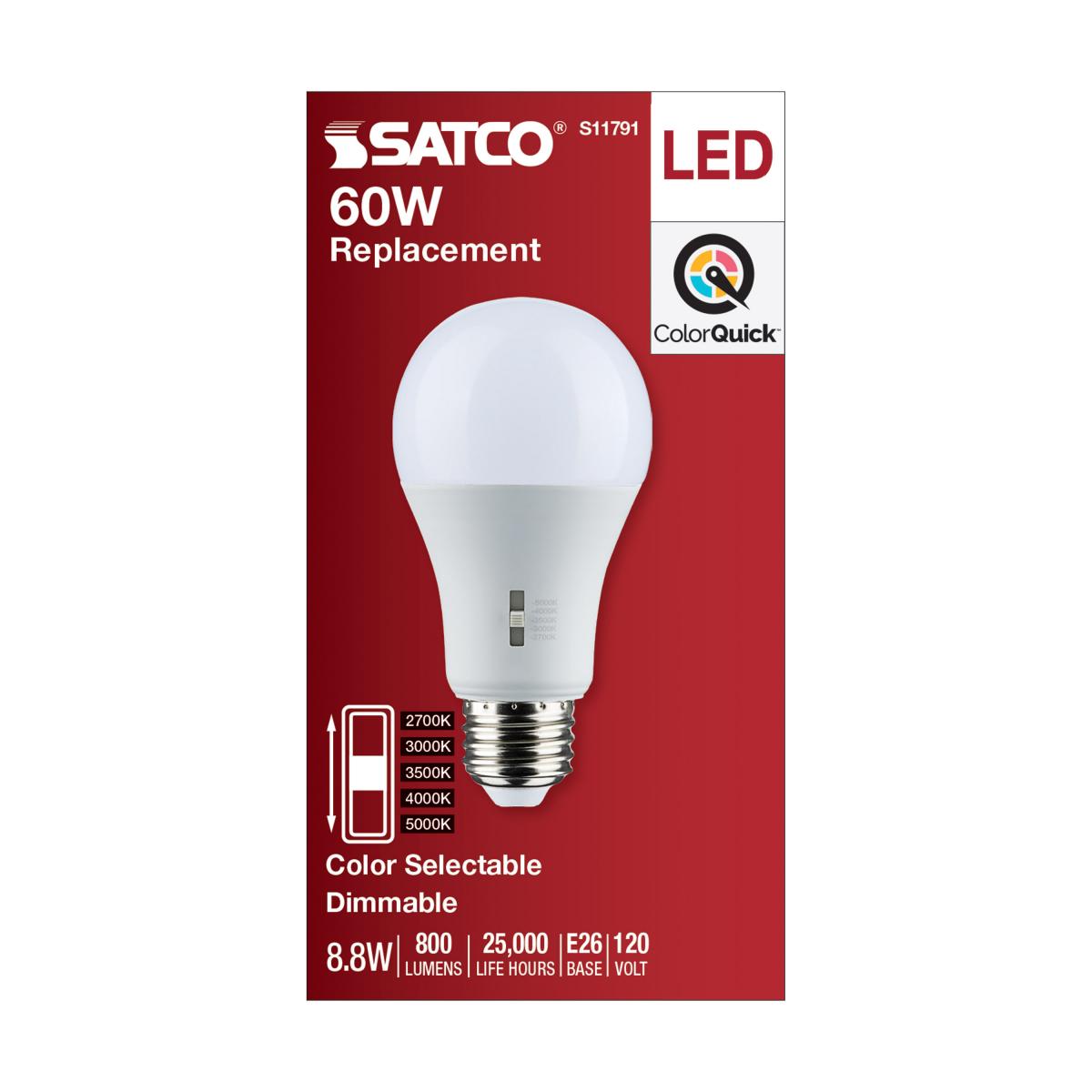
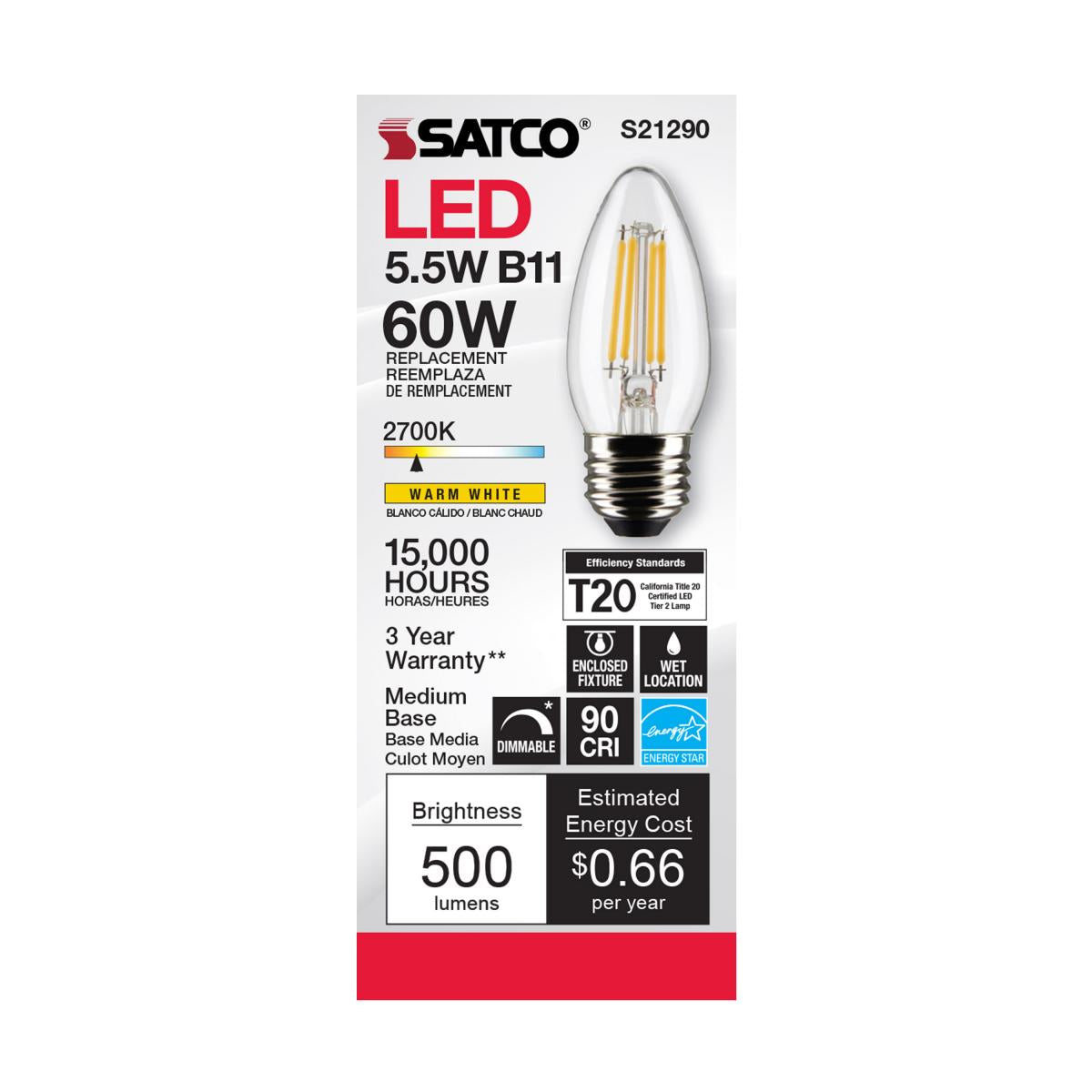
Choose soft white bulbs (2700K to 3000K) for living rooms, bedrooms, and dining rooms, and daylight bulbs (5000K) for garages, workrooms, and other spaces where very bright light helps with detail work. Soft white gives the warm, yellowish glow of a traditional incandescent, while daylight reads cool and slightly blue. Keep every bulb in one room or on one switch at the same color temperature, since mixed colors usually look mismatched side by side. Most LEDs here are 2700K, and the Satco color-selectable bulbs let you pick the color temperature.
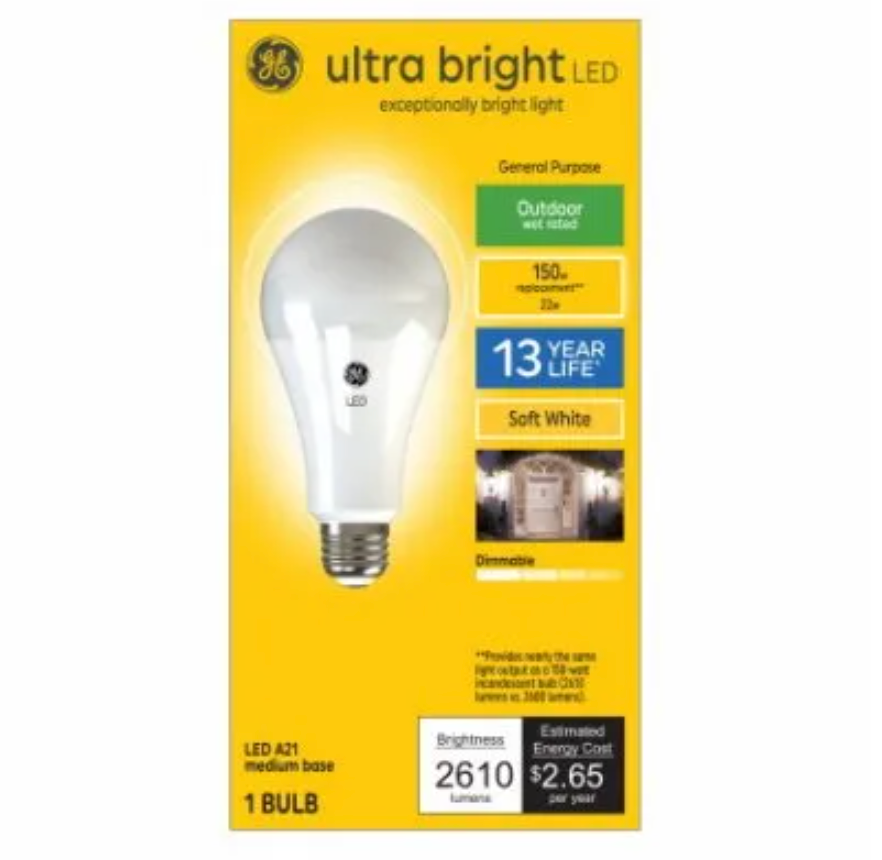
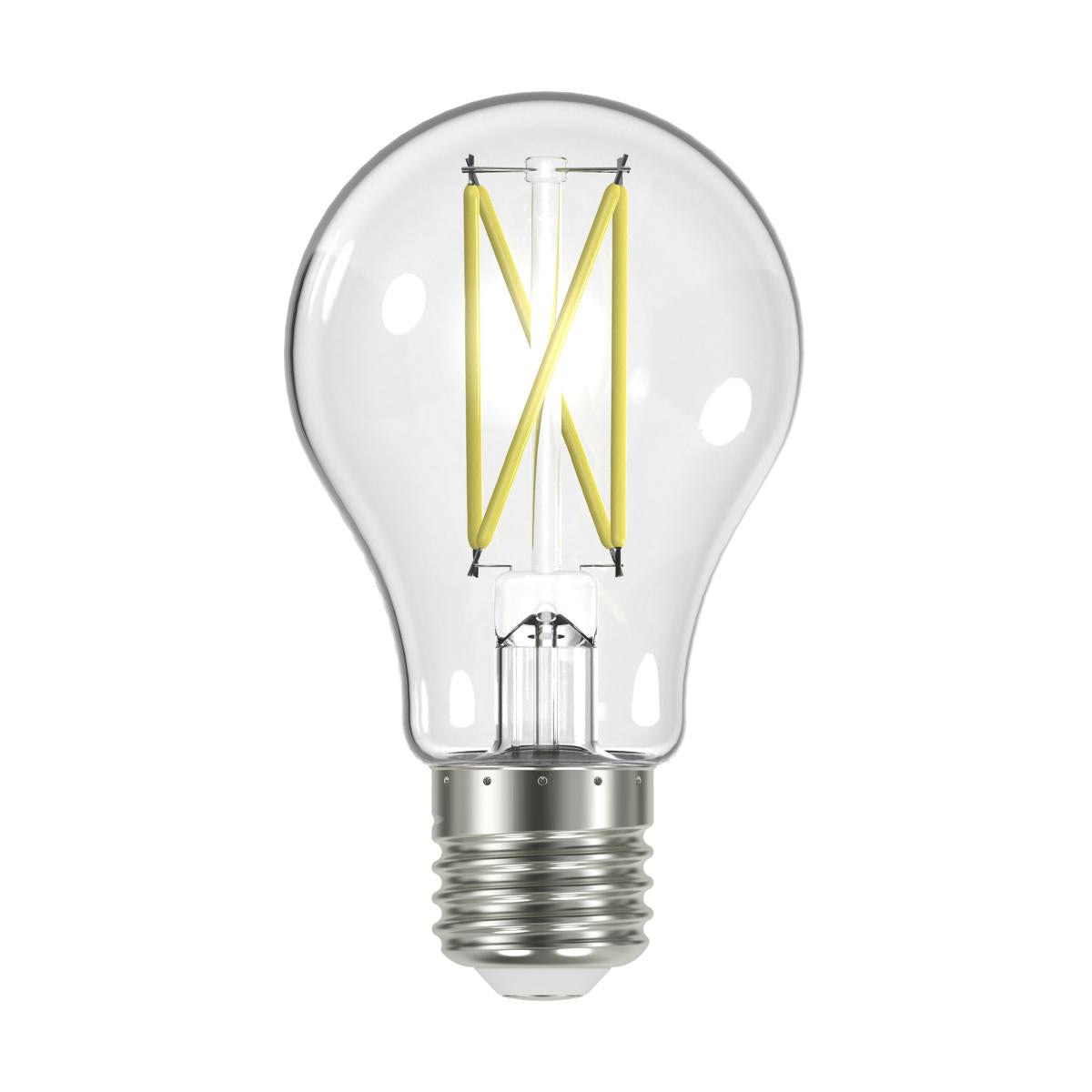
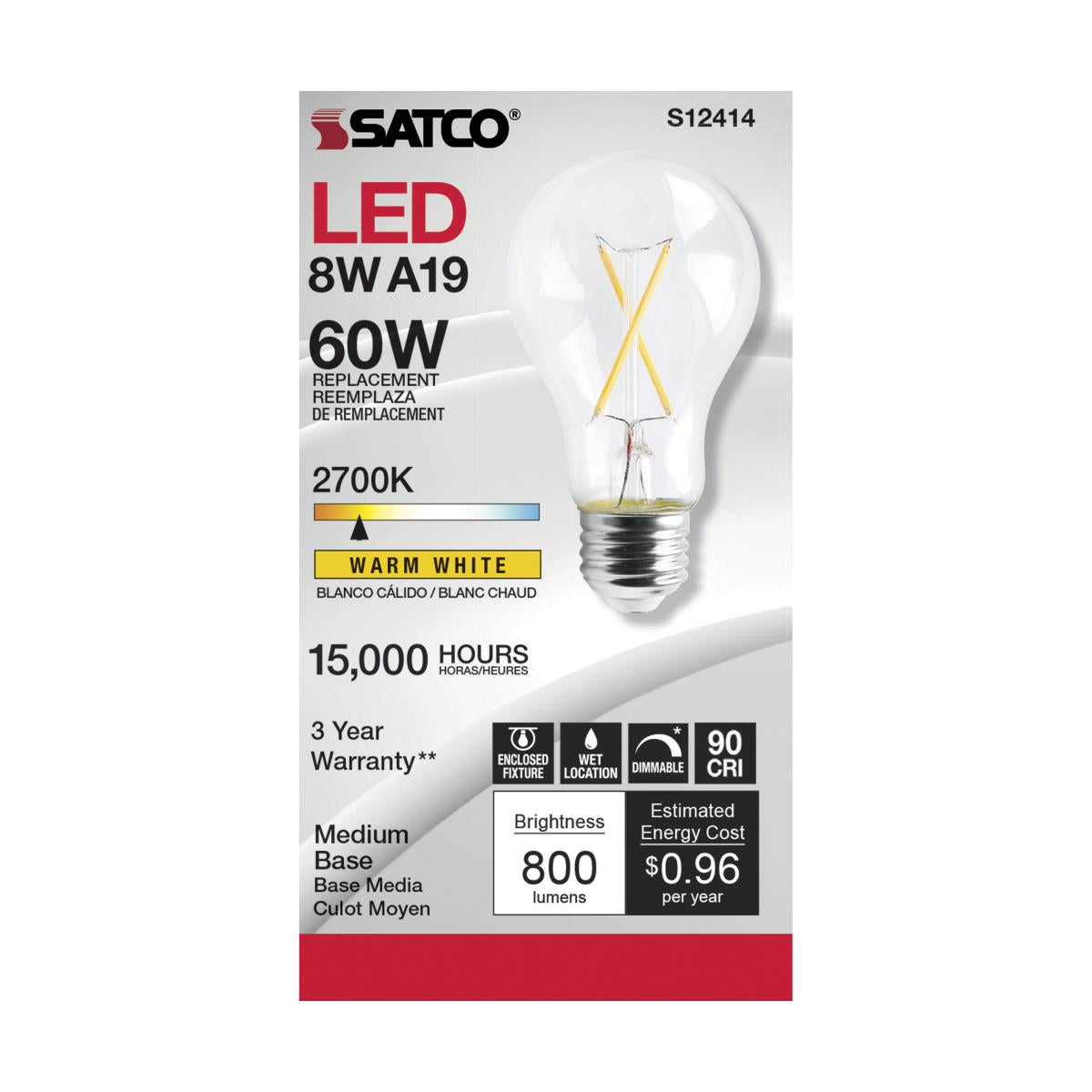
Yes, LEDs cost much less to run than incandescent bulbs because they use far less power for the same light. An incandescent turns about 90 percent of its energy into heat! A Satco 60-watt-equivalent A19 LED draws 8 watts, about 87 percent less power than the 60-watt incandescent it replaces.
Usually they last 15,000 to 25,000 hours, which for a 15,000-hour bulb is more than 13 years at three hours a day. The Satco PAR20 and the 150-watt-equivalent GE PAR38 are rated at 25,000 hours, against 1,200 hours for the GE microwave incandescent and 1,500 for the GE incandescent A21 3-way. An LED often dims slowly rather than burning out suddenly, and its rated life marks the point where it has lost 30 percent of its brightness.
Yes, but mostly specialty types, such as appliance bulbs. Federal efficiency rules for general service bulbs set a minimum of about 45 lumens per watt, which ordinary incandescents don't meet, so LED versions have replaced them on most shelves.
60-watt equivalent means the LED gives about the same light as a 60-watt incandescent, around 800 lumens, while drawing far fewer actual watts. Lumens measure brightness, so compare lumens when choosing between bulbs.
Yes, when the bulb is marked dimmable and the dimmer is rated for LEDs. Older dimmers were built for the heavier load of incandescent bulbs, and with LEDs they can flicker, buzz, or stop short of a full dim. Most LEDs on this page are dimmable, and an LED-compatible dimmer often cures a flickering problem.
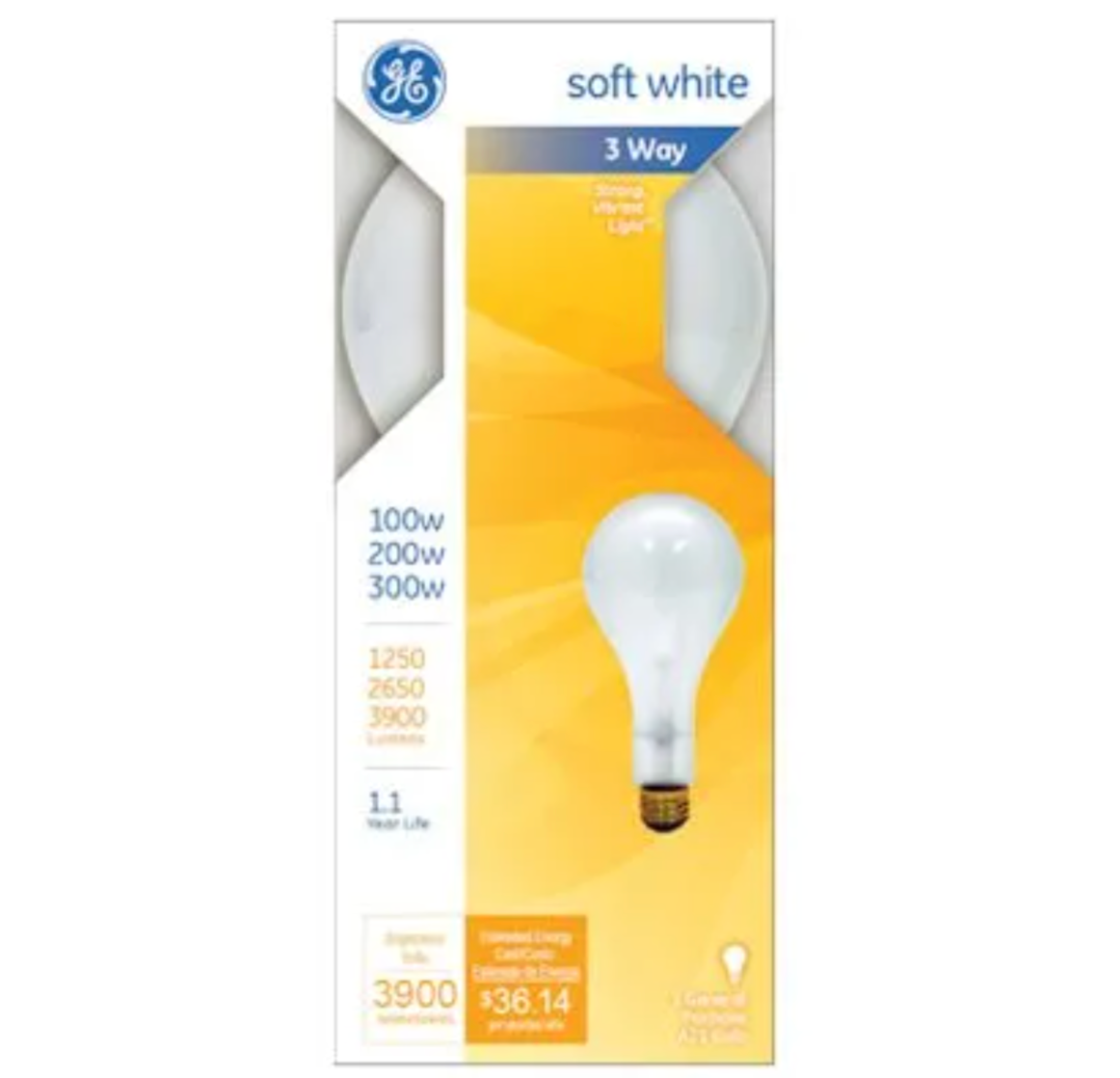
Only when they are 3-way LEDs. A standard LED in a 3-way socket usually offers only one brightness level and may stay dark on some switch positions. Satco makes 3-way LEDs in A19 and A21 sizes, and the A21 runs at 5, 15, and 21 watts for the light of a 50, 100, and 150-watt incandescent. If a 3-way bulb isn't lighting up at all levels, the lamp's socket is often the problem. Our store's lamp repair service can replace worn sockets.