
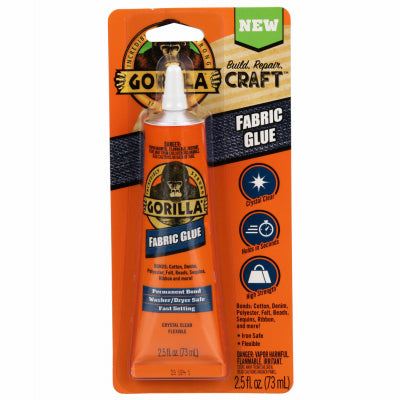
Pegamento transparente para tela Gorilla – 2.5oz
Precio de venta9.99

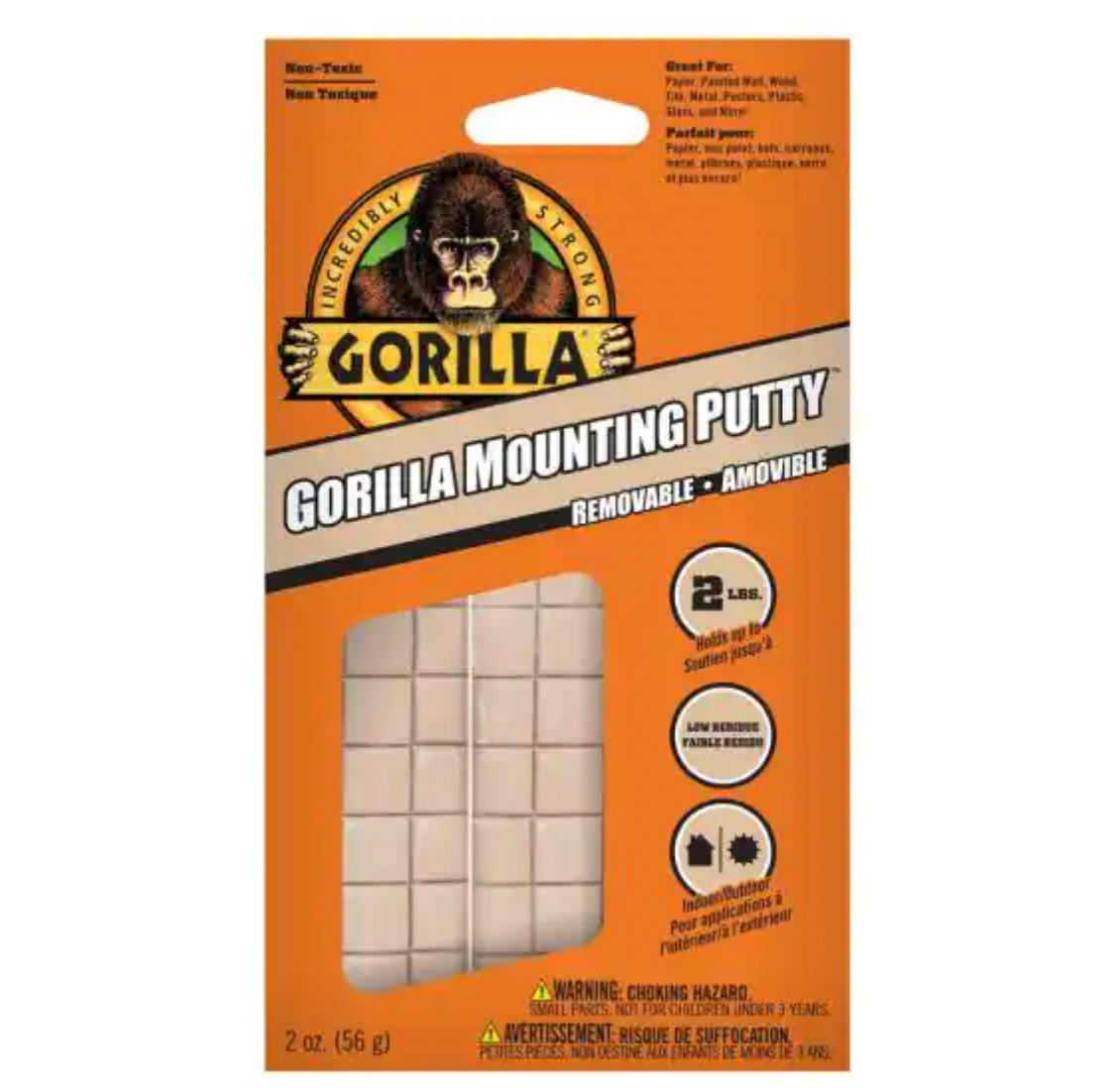

Masilla Adhesiva Gorilla – 57 g
Precio de venta7.99

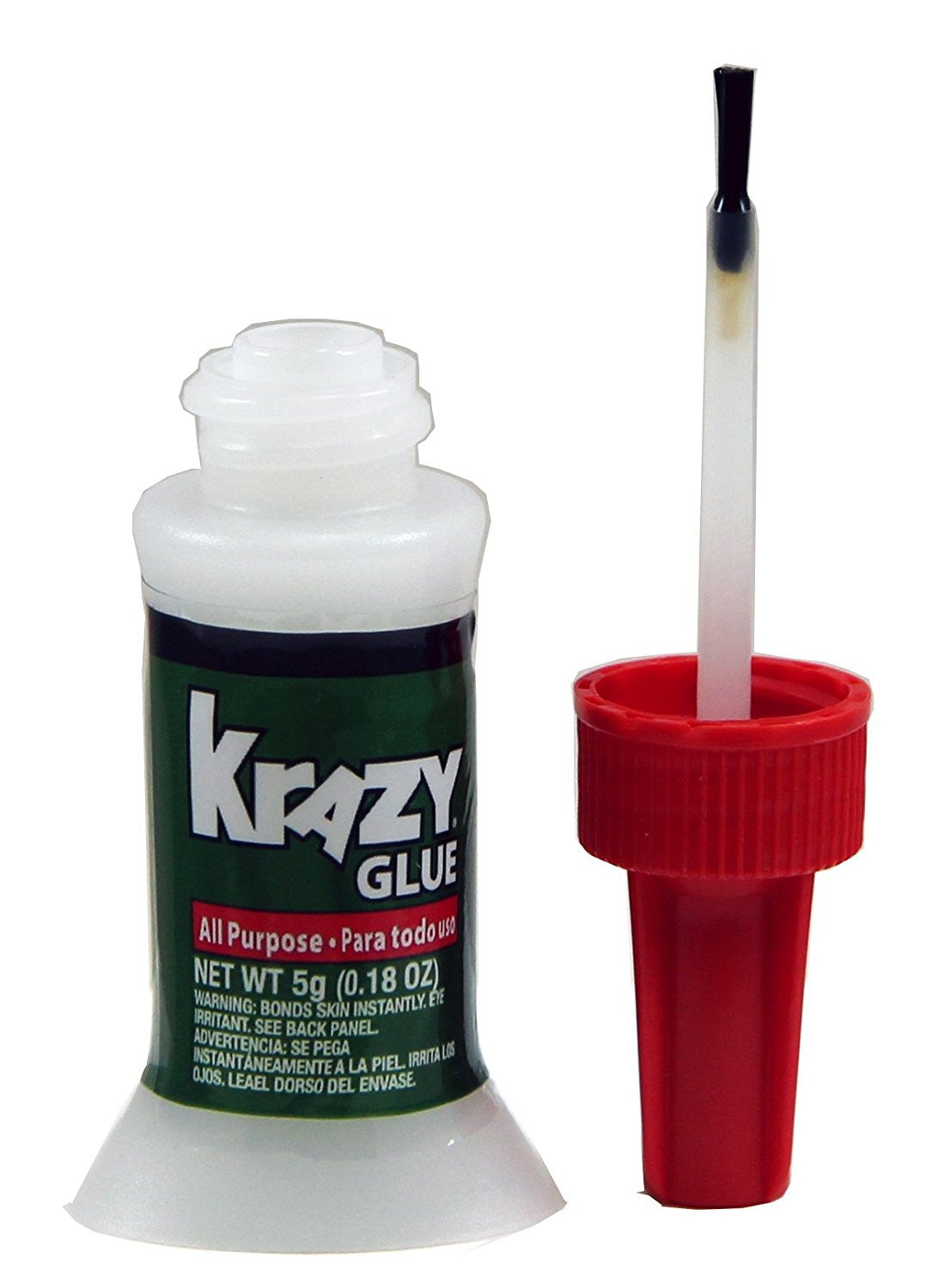
Krazy Glue multipropósito con aplicador de brocha
Precio de venta6.99
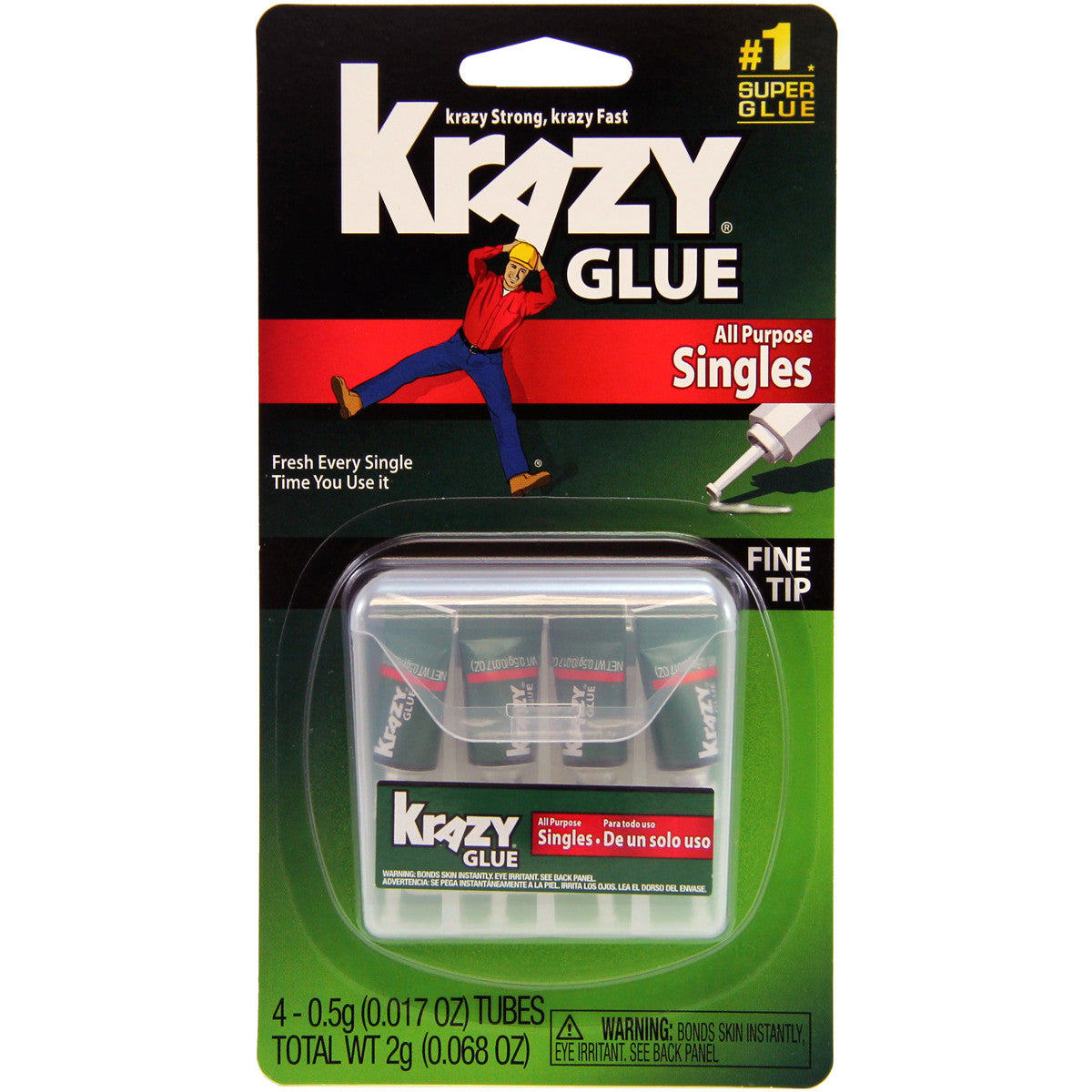
Krazy Glue Sobres Individuales – 4 unidades
Precio de venta4.99
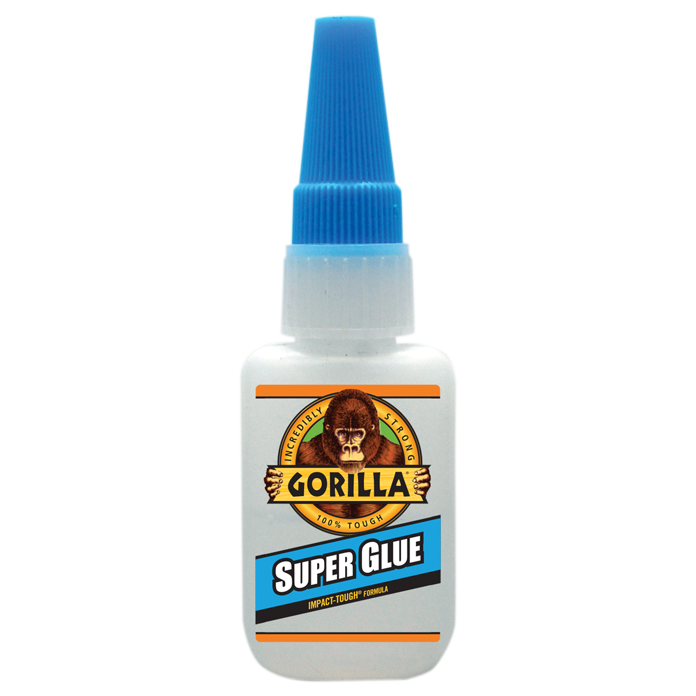
Pegamento Súper Gorilla - 15 g.
Precio de venta8.99
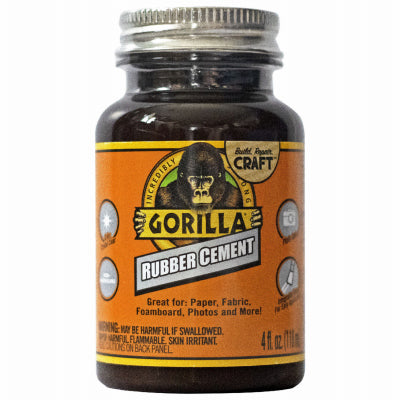
Pegamento de goma Gorilla – 4 oz
Precio de venta6.99
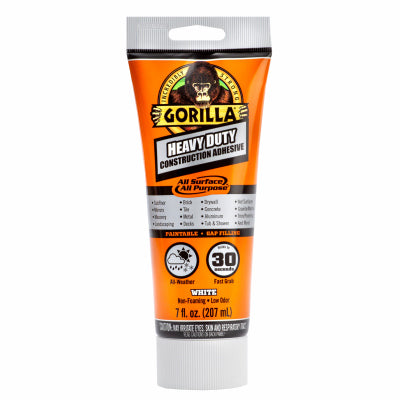
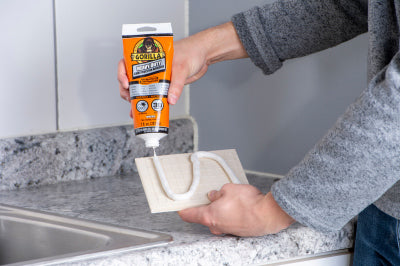
Adhesivo de construcción de alta resistencia Gorilla – 7 oz
Precio de venta16.99

Pegamento Krazy Glue Original con punta de precisión
Precio de venta4.99
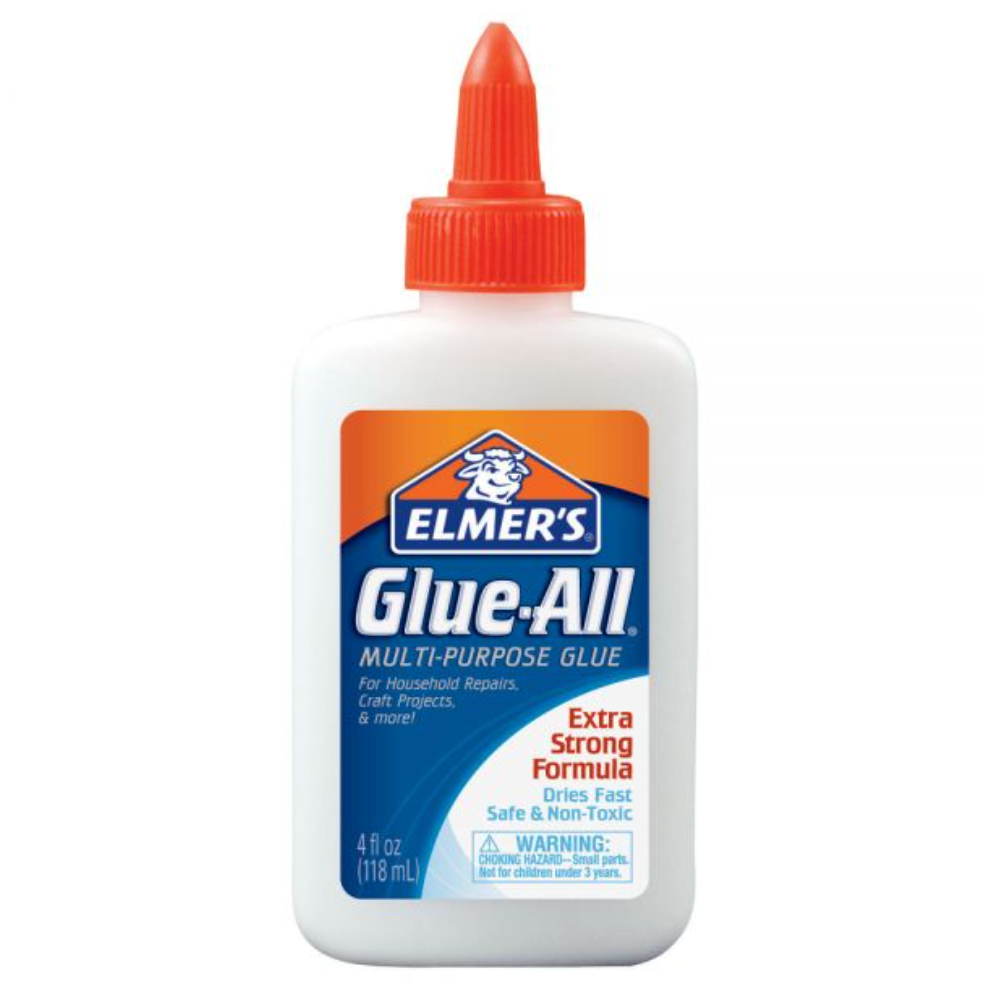
Pegamento multiusos Elmer's All-All – 4 oz
Precio de venta4.99


Gorilla Super Glue Brocha y Boquilla - 10.3 ml.
Precio de venta8.99
Repuestos de barras de pegamento caliente Gorilla Mini (30 unidades)
Precio de venta9.99
Pegamento para Madera de Máxima Resistencia Gorilla – 4 oz.
Precio de venta8.99
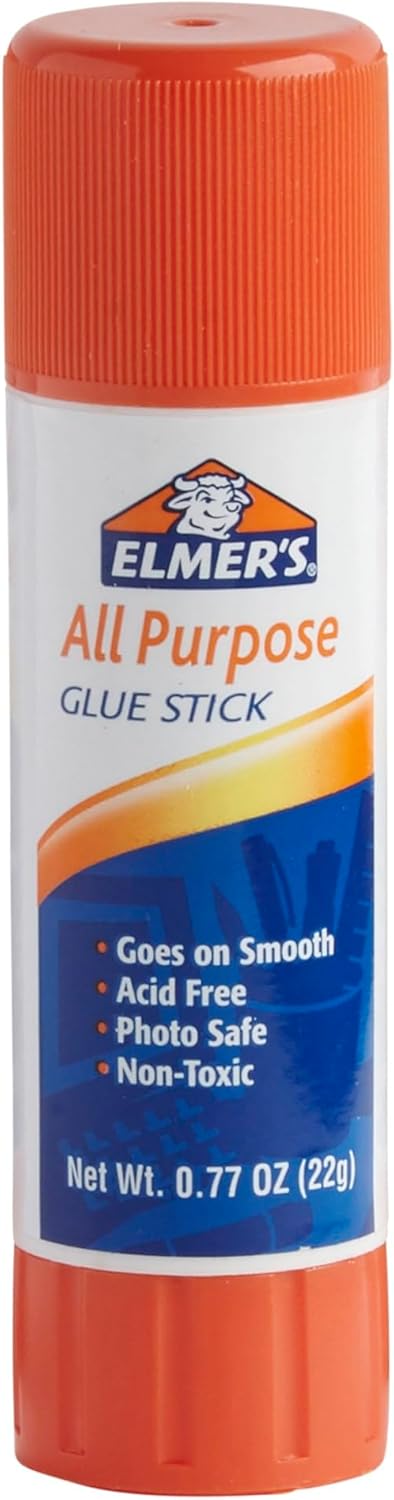
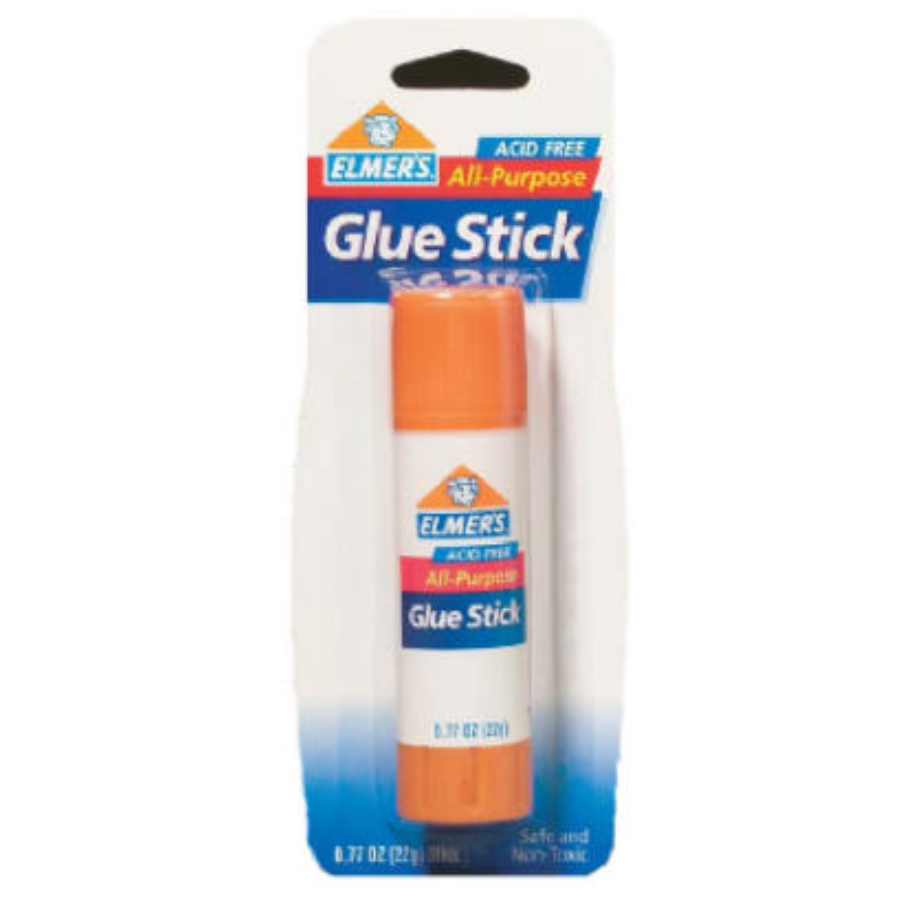
Barra de pegamento multiusos Elmer's – Grande
Precio de venta4.99
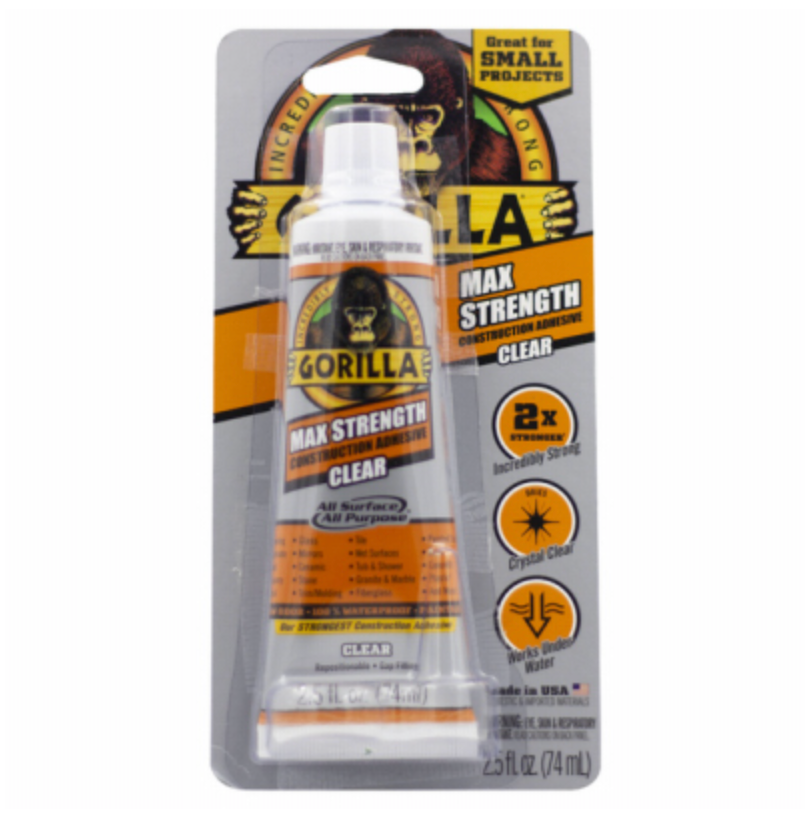
Adhesivo de Construcción de Alta Resistencia Gorilla – 2.5 oz.
Precio de venta14.99
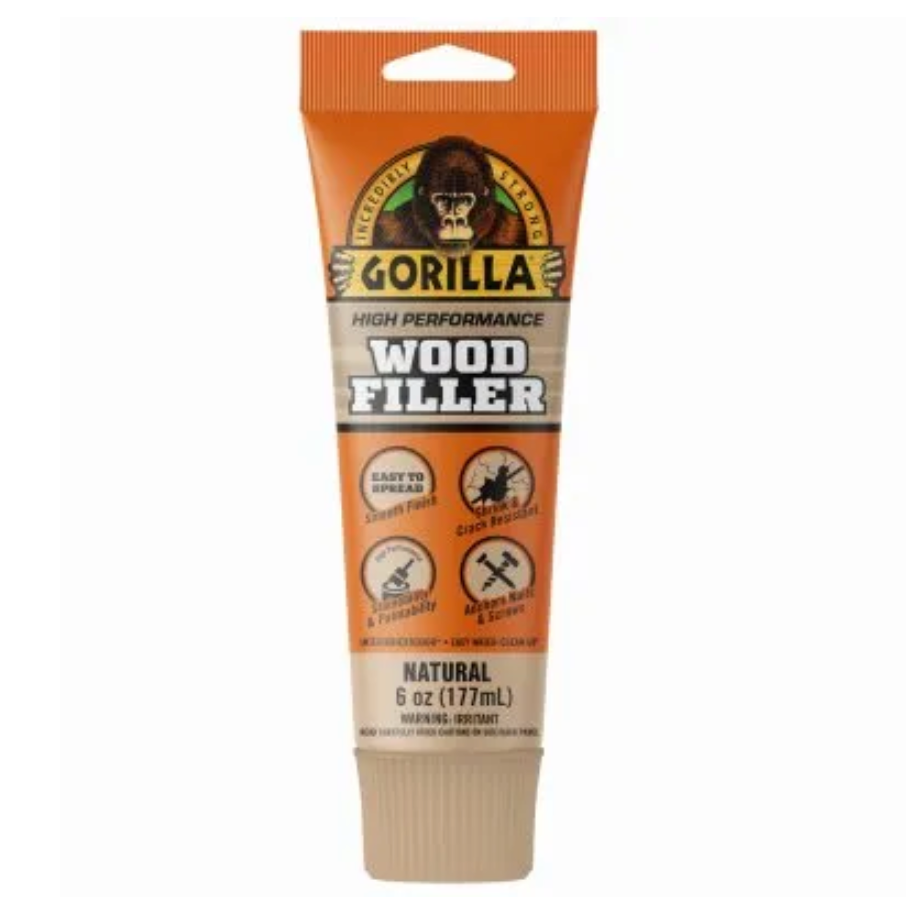
Masilla para madera multiusos – 6 oz
Precio de venta14.99
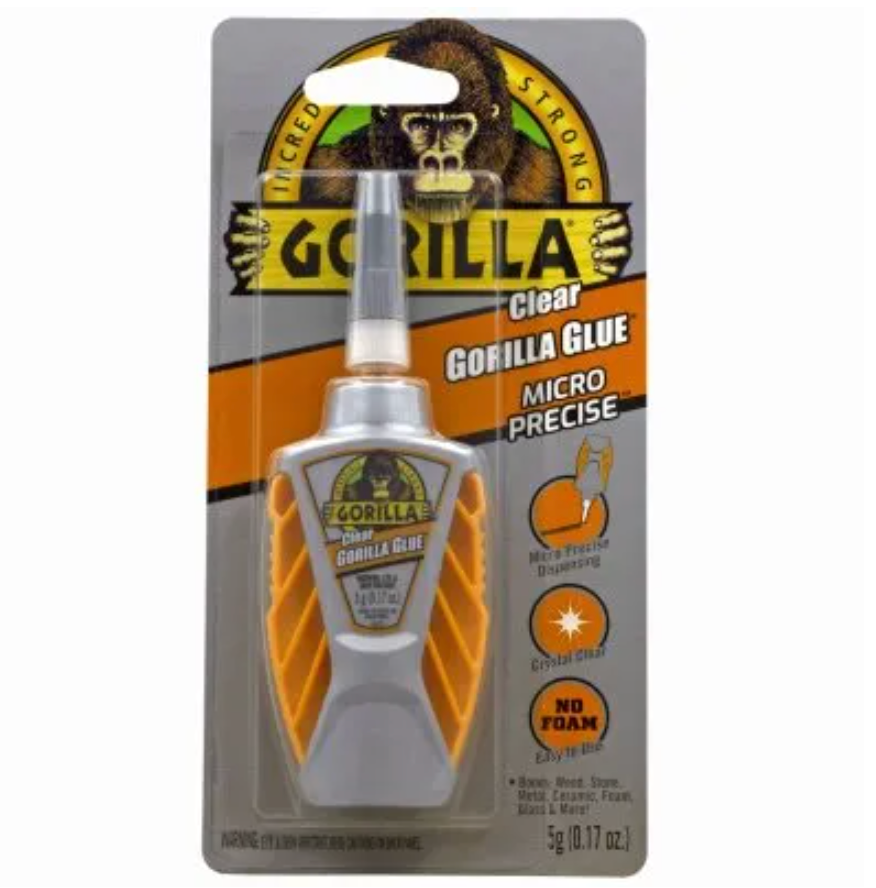
Gorilla Glue Micro Preciso – Transparente – 5g/0.17oz
Precio de venta11.99

Epoxi de 2 Partes Gorilla
Precio de venta9.99
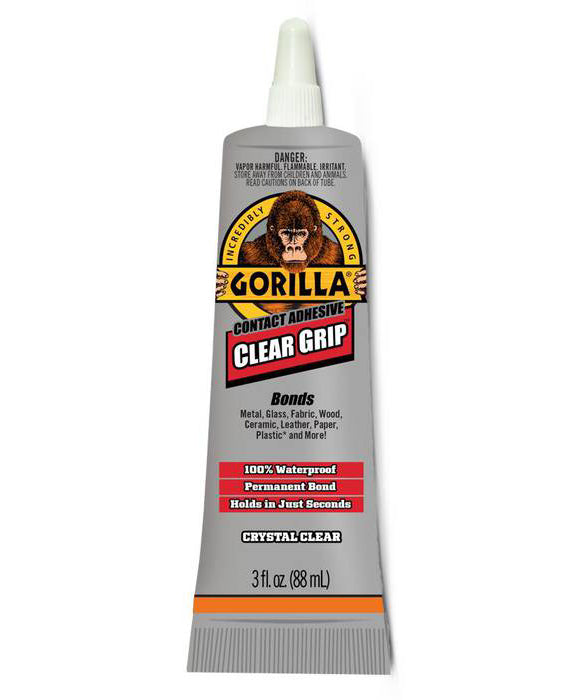
Adhesivo industrial Gorilla Clear Grip – 3 oz
Precio de venta8.99
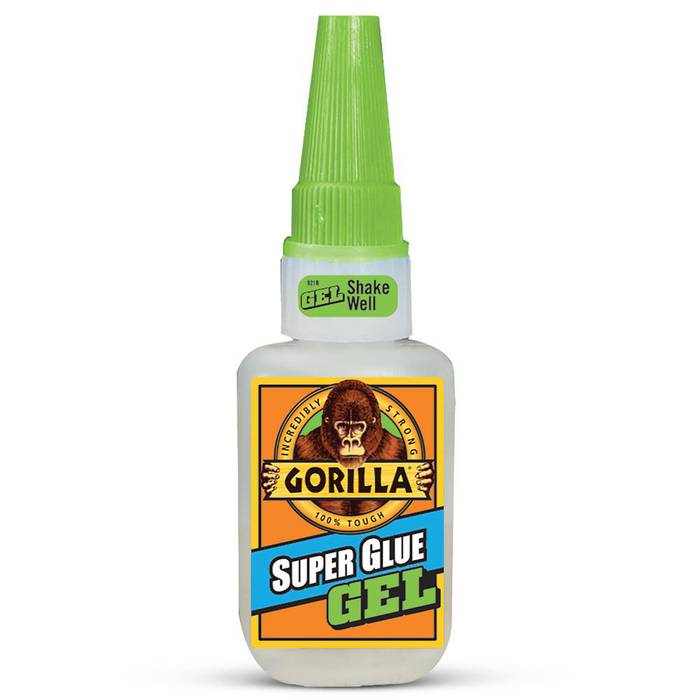
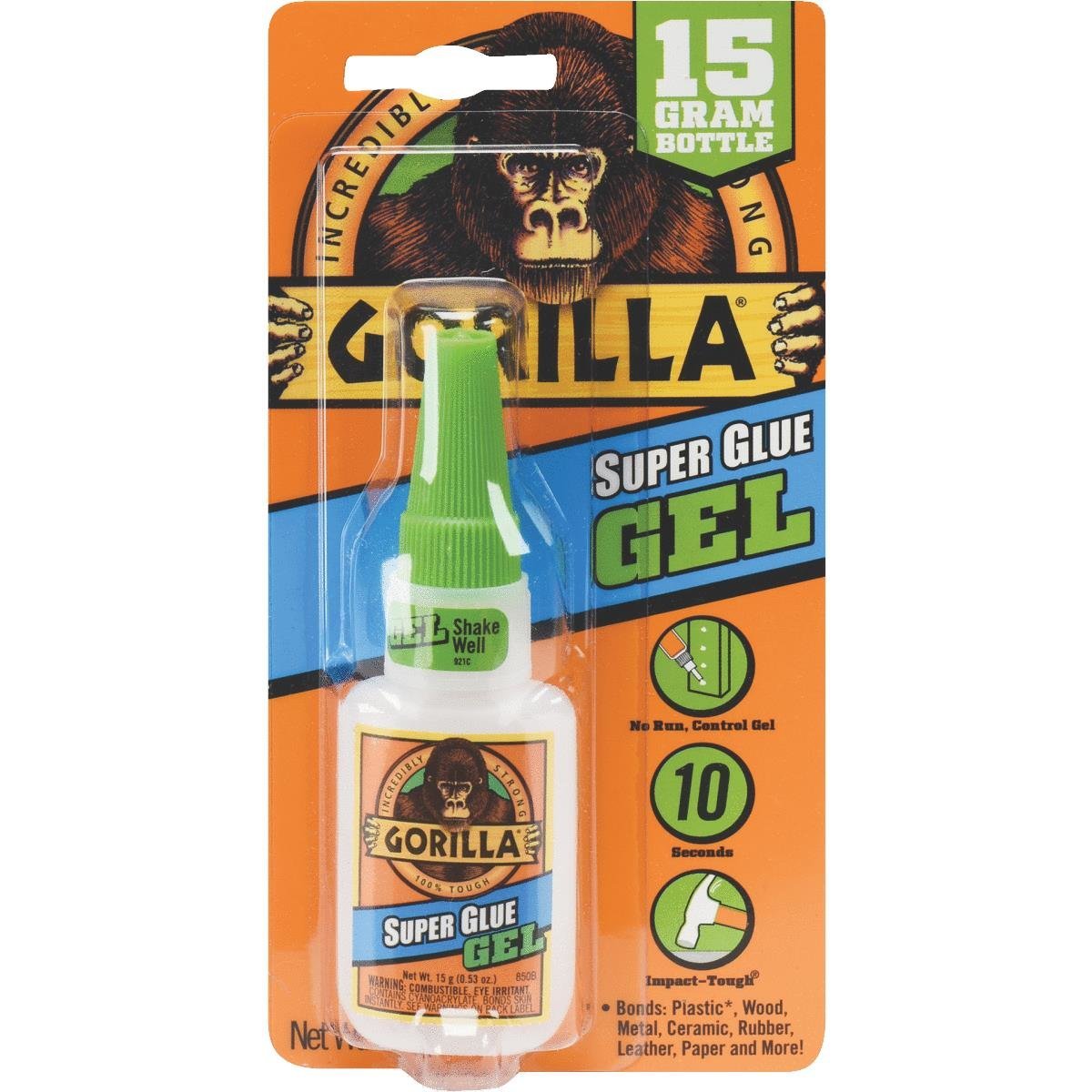
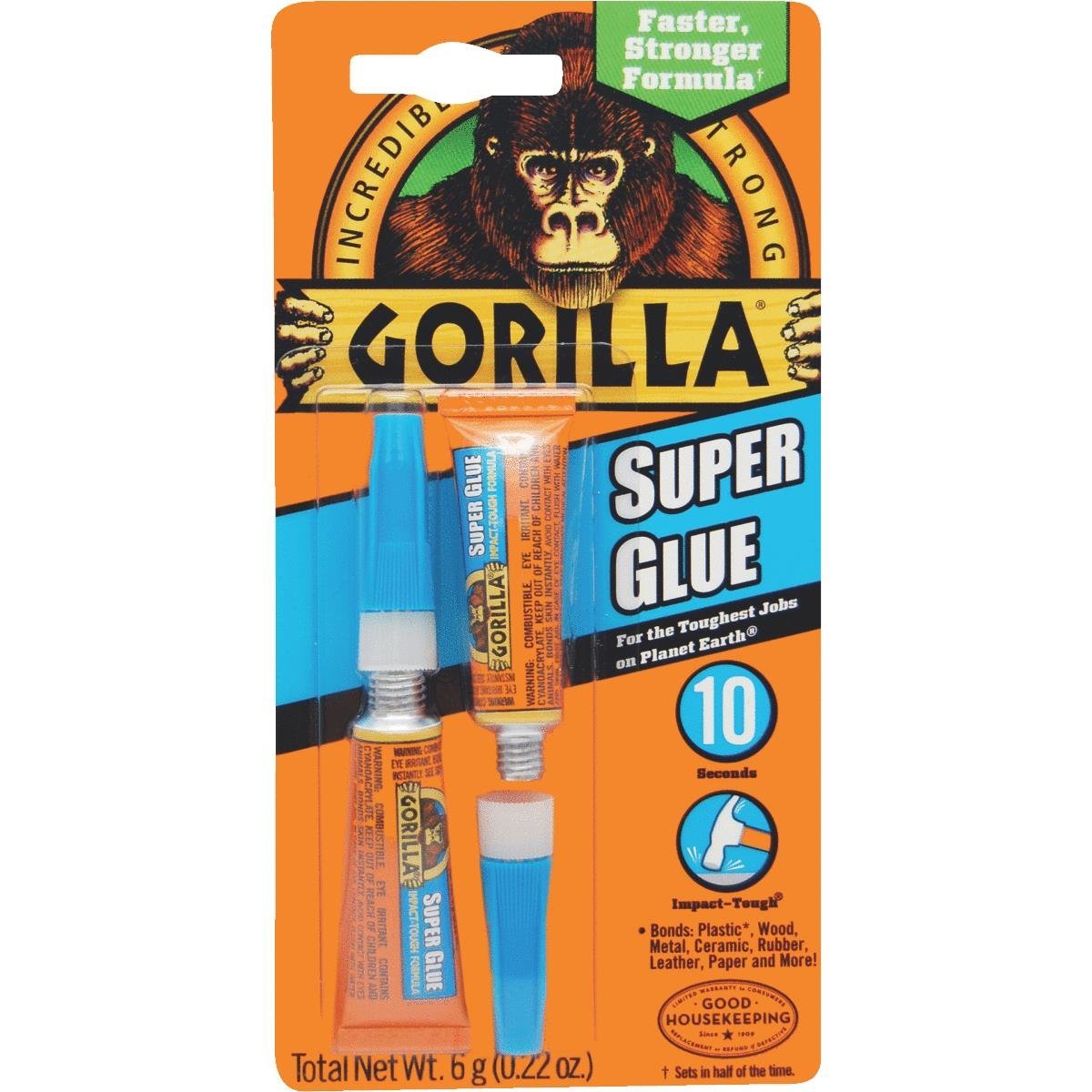
Gorilla Super Glue monodosis – Paquete de 2
Precio de venta6.99

Gorilla Glue Transparente - 1.75 oz
Precio de venta11.99
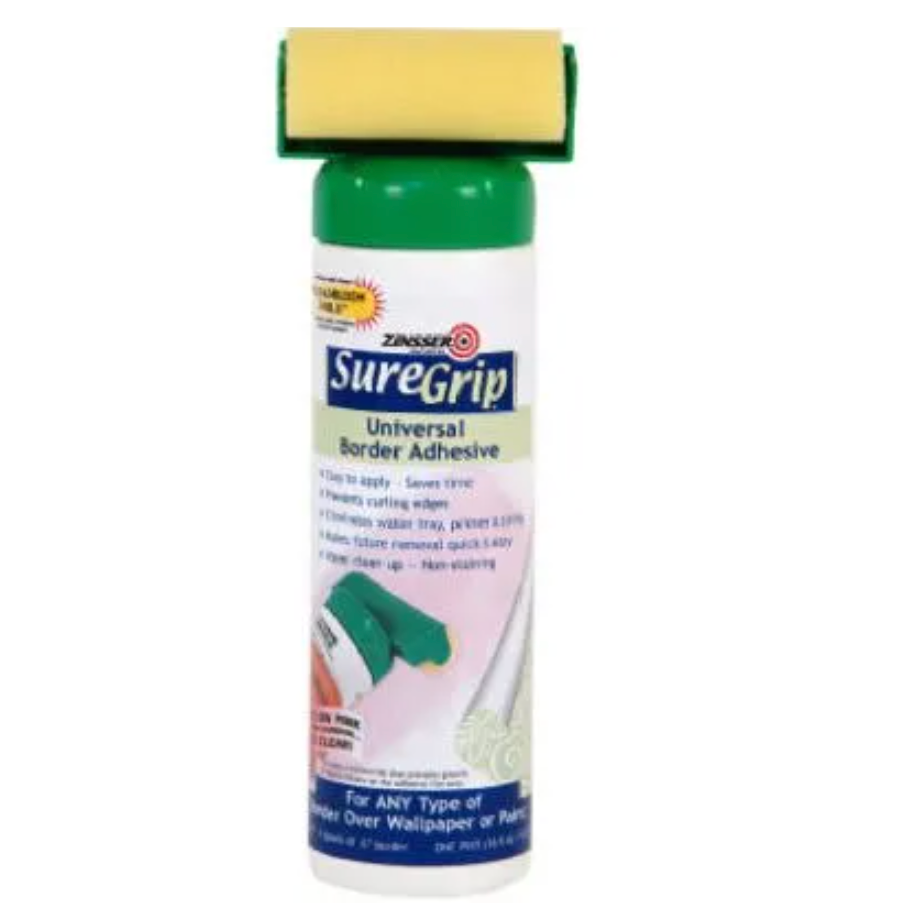
Adhesivo universal para bordes SureGrip – 473 ml
Precio de venta14.99
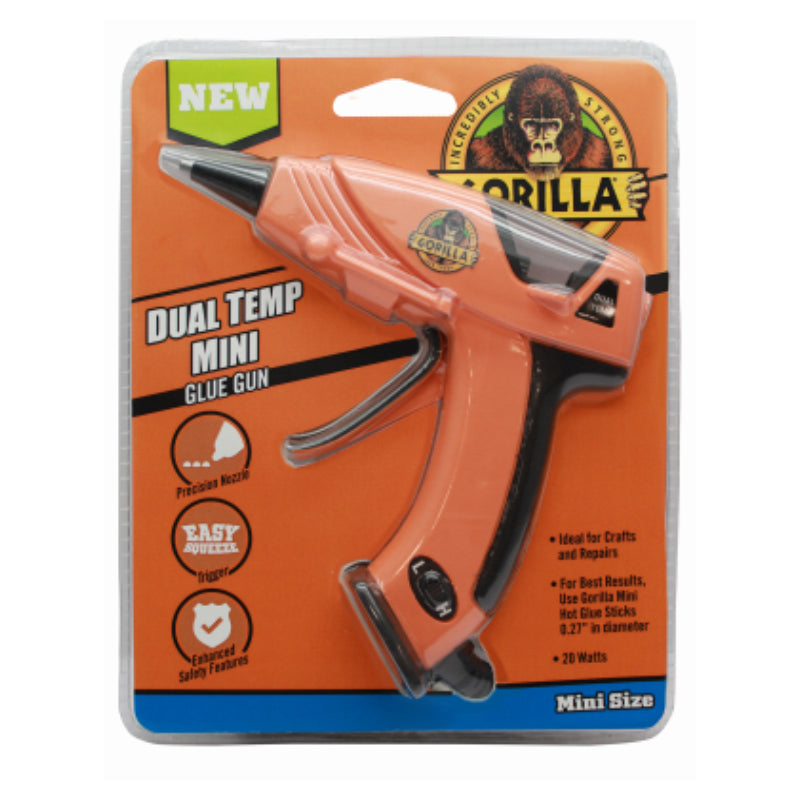
Pistola de pegamento caliente de doble temperatura Gorilla Mini
Precio de venta21.99
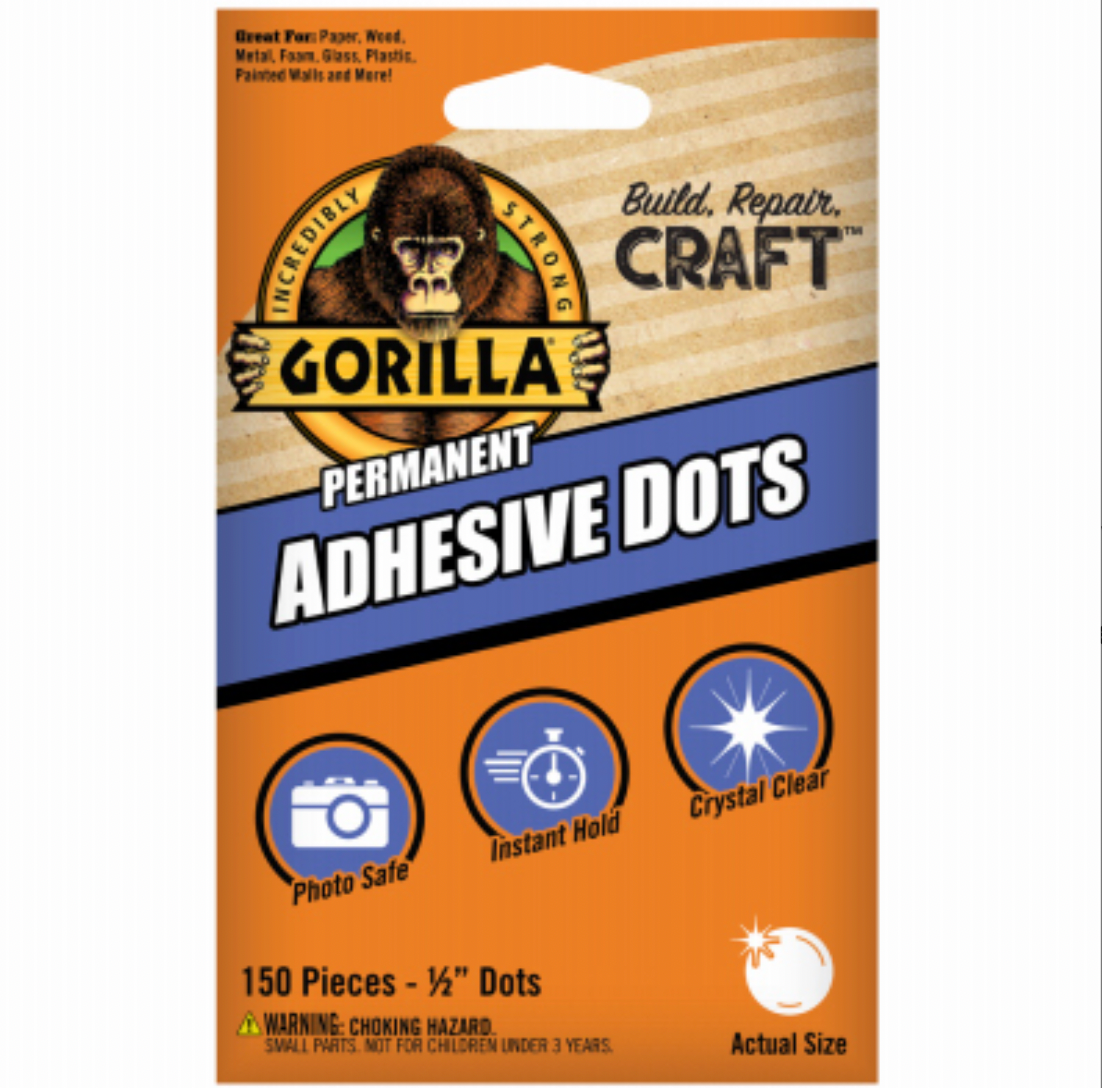

Adhesivo en aerosol Gorilla – 14 oz
Precio de venta19.99

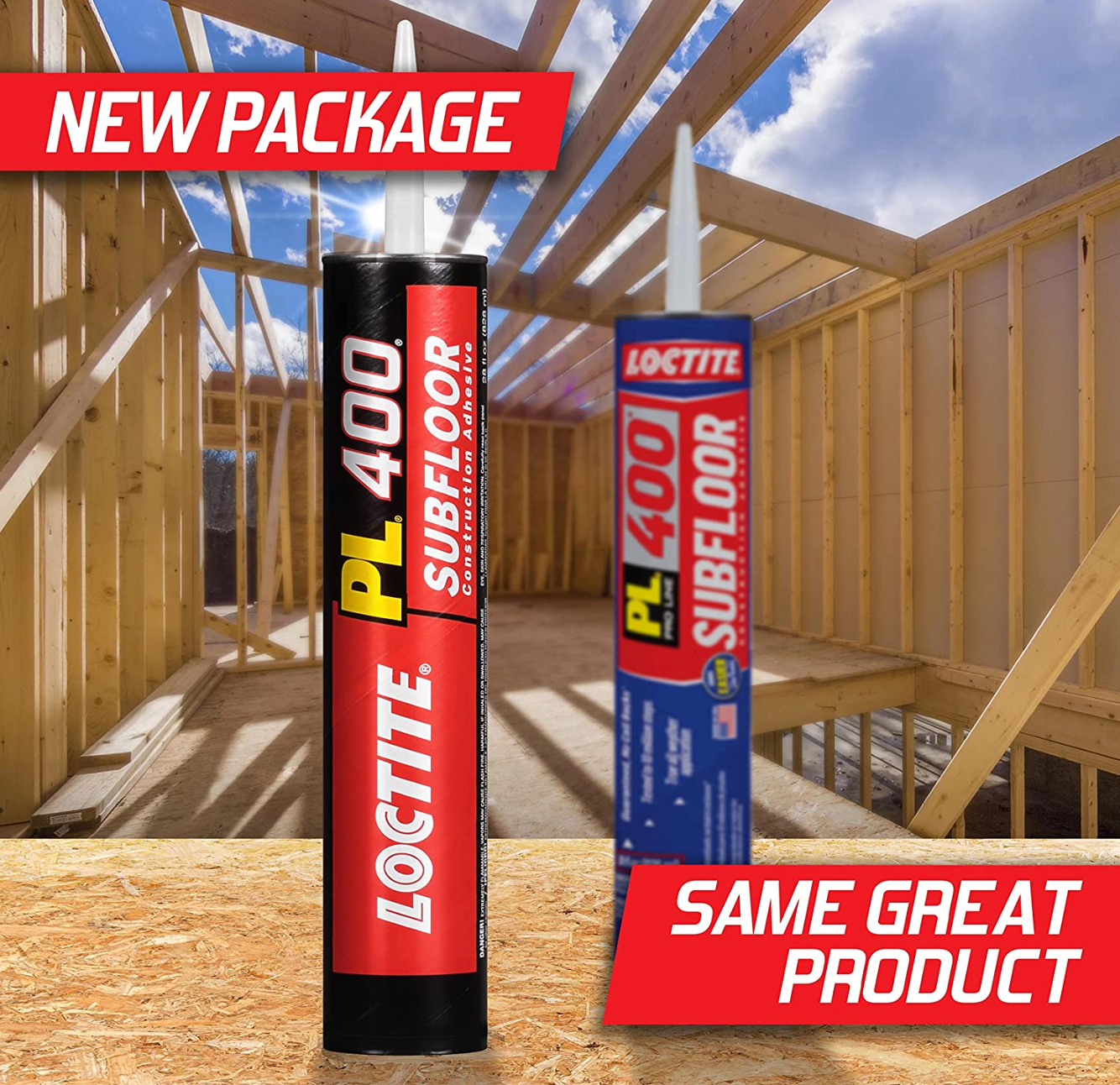
Cartucho de adhesivo de subsuelo de alto rendimiento Loctite PL 400 – 28 oz
Precio de venta11.99

Fijador para tornillos ScrewGlue – 0,2 oz
Precio de venta8.99

Adhesivo Industrial E6000 – 1 oz
Precio de venta7.99
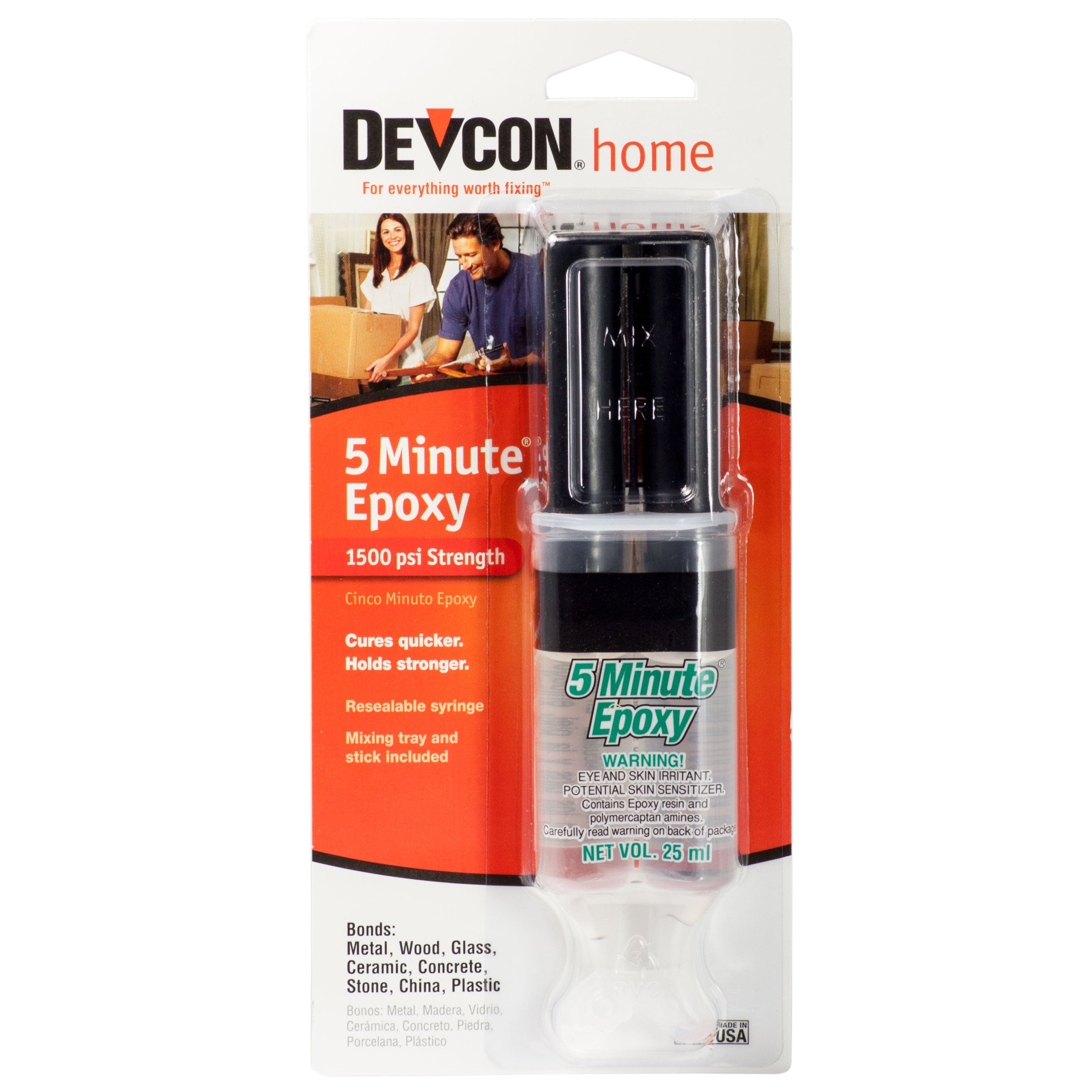
Epoxi de dos componentes de 5 minutos – 25ml
Precio de venta7.99
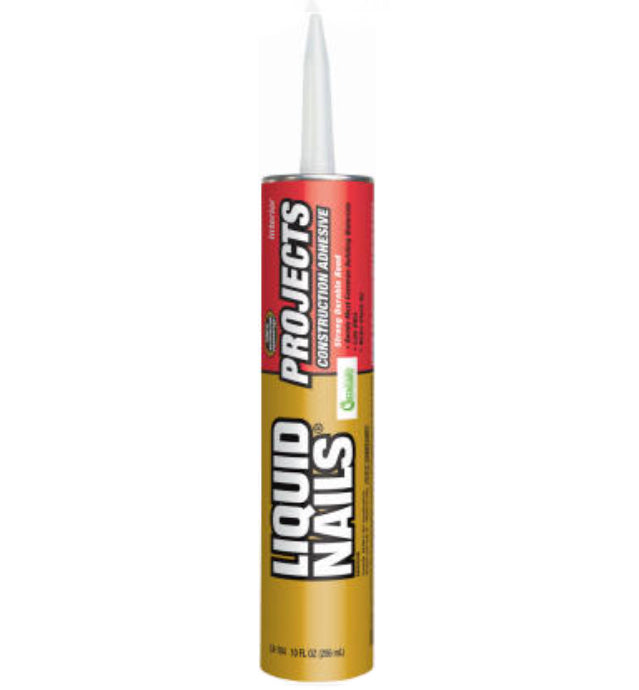
Adhesivo de construcción Liquid Nails Project Blanquecino – 10 OZ
Precio de venta7.99
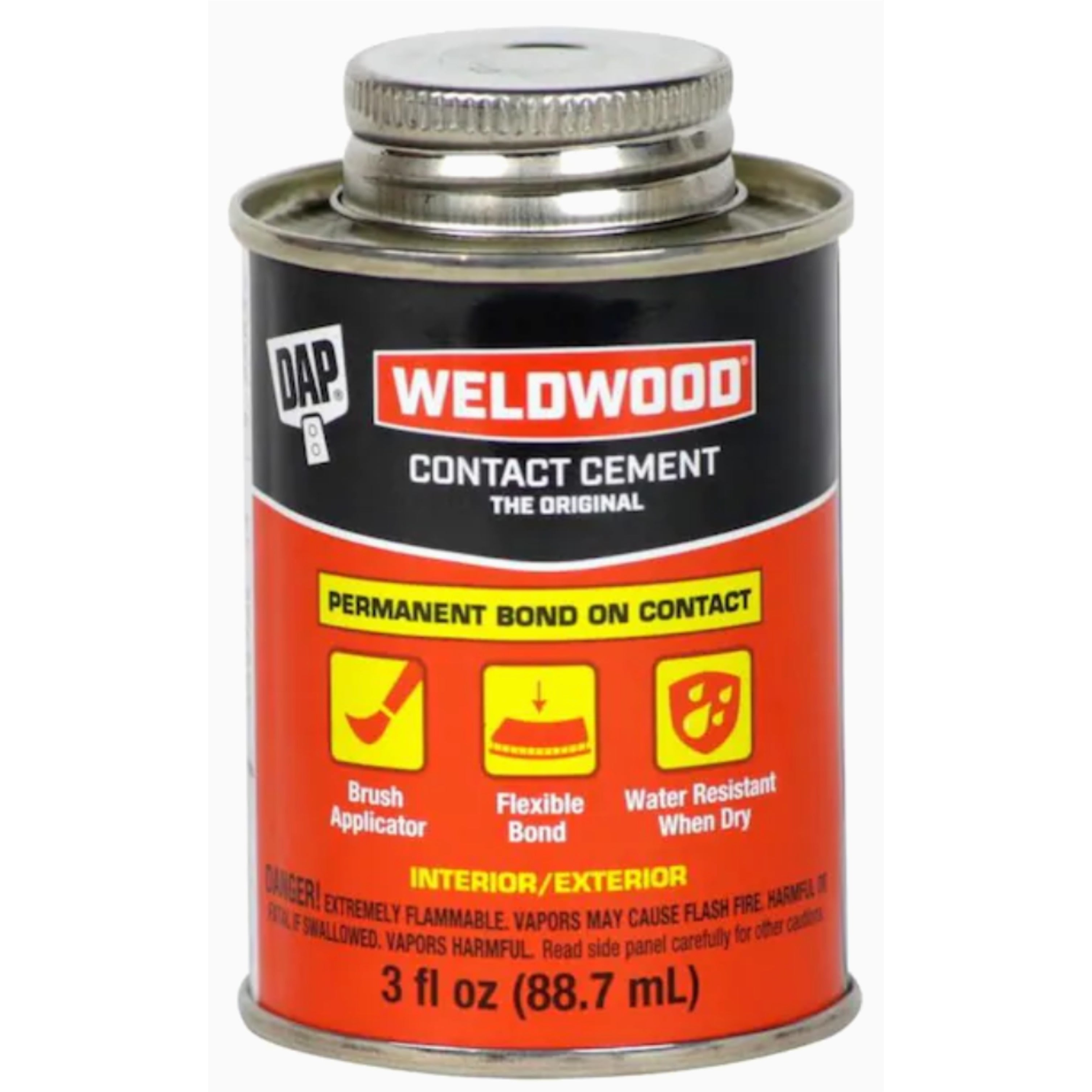
Cemento de contacto – 3 oz
Precio de venta8.99
Recently viewed
Frequently Asked Questions
The different types of glue and adhesives for home repair are super glue (cyanoacrylate), two-part epoxy, flexible industrial adhesive, PVA wood and white glue, contact and rubber cement, construction adhesive, hot glue, spray adhesive, and fabric glue. Each chemistry suits different materials and joints, which is why a shelf of small bottles beats one big one. Gaps that need sealing rather than bonding call for caulk, which sits with the rest of our hardware.
To choose the right glue, you match it to the materials you're joining and to how tightly the broken pieces fit back together. Wood takes a PVA wood glue, while ceramic, metal, and hard plastic call for a stronger bonder like super glue or epoxy. Anything that bends or gets washed, like leather or fabric, needs an adhesive that stays flexible after curing. Read the material list on the label before you buy.
Use super glue for a tight, clean break that needs to hold in seconds, and epoxy when the joint has a gap or needs to carry weight. Super glue sets fast without clamping, but the cured bond is rigid and brittle. Epoxy fills gaps super glue cannot bridge and carries more load, and the Two-Part 5 Minute Epoxy here lists a working range of -40°F to 200°F on its label. A shattered souvenir with small chips missing is a job for epoxy.
The strongest adhesive glue for most household repairs is a two-part epoxy, though the right one depends on the material and the load. The Two-Part 5 Minute Epoxy here is rated at 1,500 psi tensile strength, and the Gorilla 2-Part Epoxy is a gap-filling formula made for tougher household and automotive jobs. The same glue can hold firmly on one material and poorly on another, so the label's material list matters as much as any single number. For building jobs like a subfloor or deck, a construction adhesive such as Loctite PL 400 or Gorilla Heavy Duty is the tool to reach for, because it is made to bond building materials and fill the wide gaps a repair glue cannot.
No, none of the glues on this page are described as food-safe, so a glued mug or plate is best kept for display or for holding non-food items. Household glues generally aren't rated for dishwasher or microwave heat either, so keep a repaired piece out of both unless the label says otherwise. For a dish you want to keep eating from, the safe answer is to replace it rather than glue it.
Use a strong solvent adhesive like E6000 indoors only with real ventilation, since the fumes while it is wet can irritate the eyes and airways. Open windows for a cross-breeze or run an exhaust fan, and take larger jobs outside. For long or repeated sessions, a respirator with an organic vapor cartridge filters solvent fumes, while an N95 dust mask does not. Once E6000 is fully cured, it is non-flammable and photo safe, but the caution applies while you are working with it wet.
Opened super glue usually stays usable for a few weeks to a few months, depending on how well the cap keeps out air. It cures when it meets moisture, so the humid air that gets into an opened tube slowly hardens what's left inside. A tight seal helps, which is why Gorilla fits an anti-clog cap to keep its super glue from drying out. If you only fix things occasionally, single-use tubes like Krazy Glue Singles or Gorilla Super Glue Singles hold enough for one repair each, so nothing sits half-used in a drawer.
Yes, a flexible industrial adhesive like E6000 or Gorilla Clear Grip comes closest, bonding wood, glass, metal, ceramic, leather, and fabric and staying flexible once cured. A multi-purpose household cement is the more traditional all-rounder, the kind listed for wood, china, leather, glass, paper, ceramic, and metal. Neither replaces a dedicated glue on a demanding job.
Glue won't stick to some plastics because polyethylene and polypropylene have low surface energy, so most adhesives can't grip the surface well enough to form a bond. These are the slick, waxy-feeling plastics used in many food containers, bottles, and storage bins, often stamped with recycling code 2, 4, or 5. Many household super glues aren't labeled for polyethylene, and a lasting bond usually requires a glue made specifically for these plastics. When glue will not hold, fastening the pieces with a screw, clip, or strong tape usually holds better.
Permanent fabric glue, such as Gorilla Fabric Glue, fixes fabric without sewing. It dries crystal clear into a 100% waterproof, washer-and-dryer-safe bond that stays flexible after washing, which suits hems, denim, felt, canvas, and trim, along with buttons, beads, and other hard-to-hold embellishments. For a bond that stays put through the laundry, it is a genuine alternative to a needle and thread. Avoid washable school glue on clothing, since it is designed to wash out.