


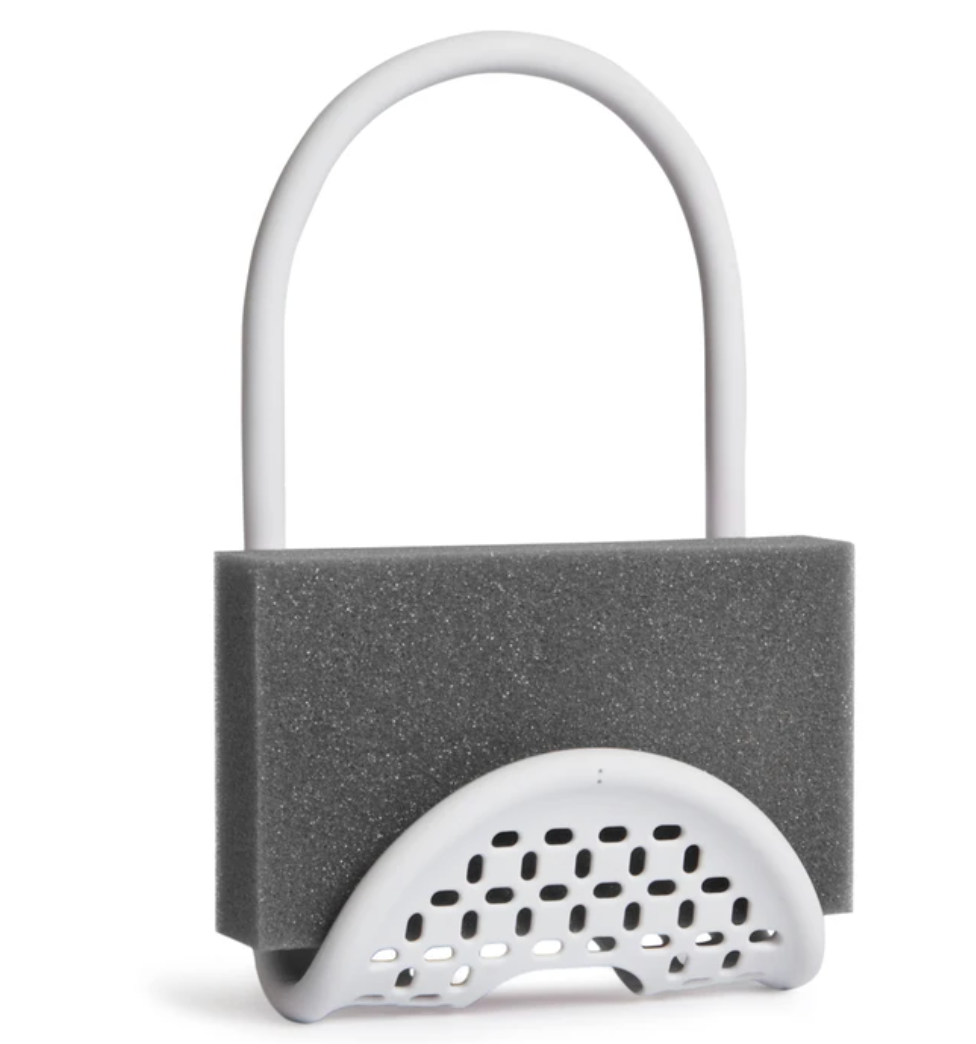
Umbra Sling Cesto Organizador de Fregadero
Precio de venta11.99
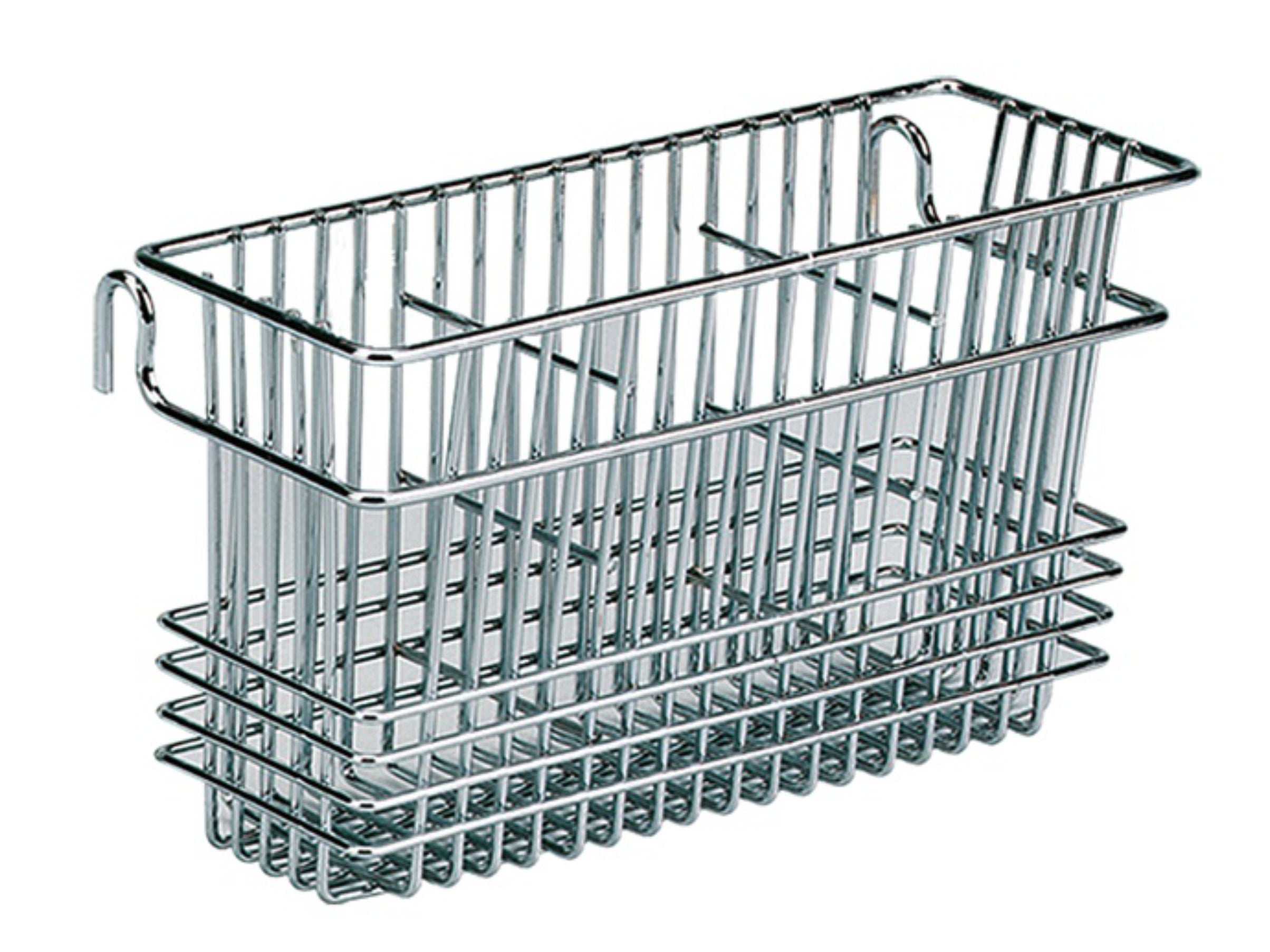
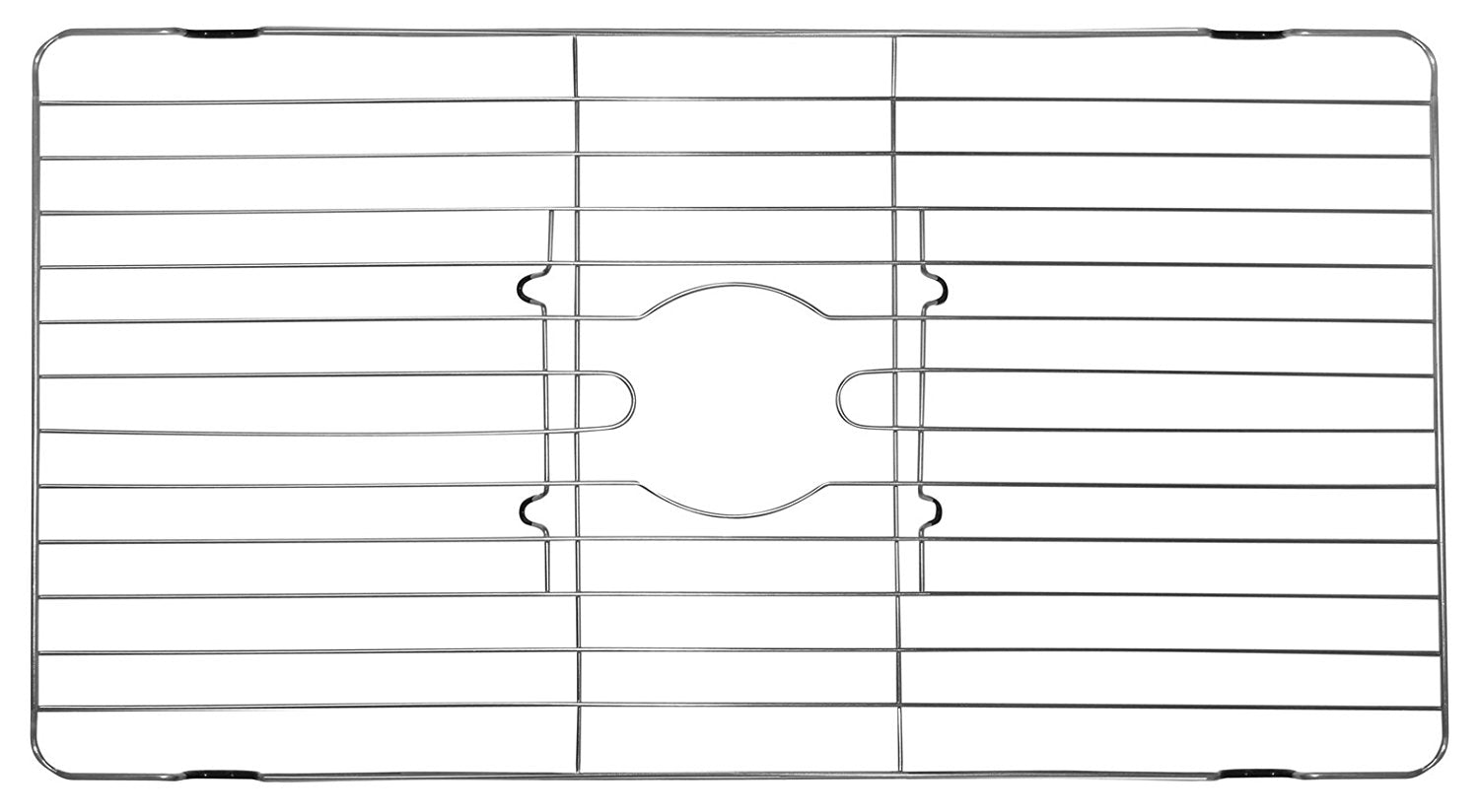
Protector de fregadero de acero inoxidable – Grande
Precio de venta19.99
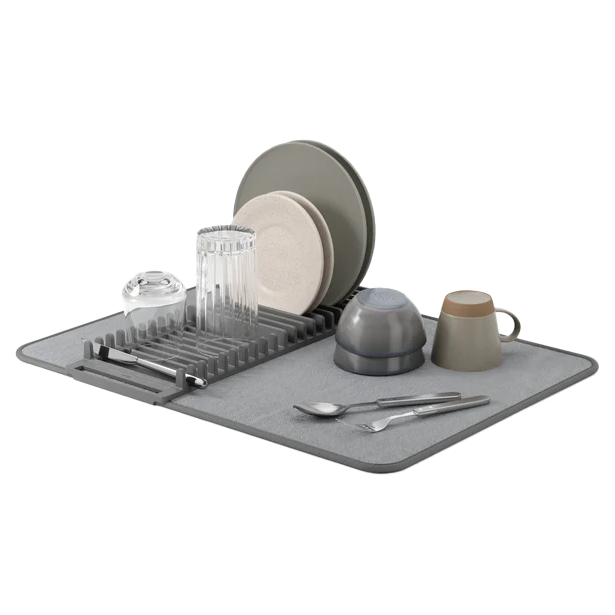
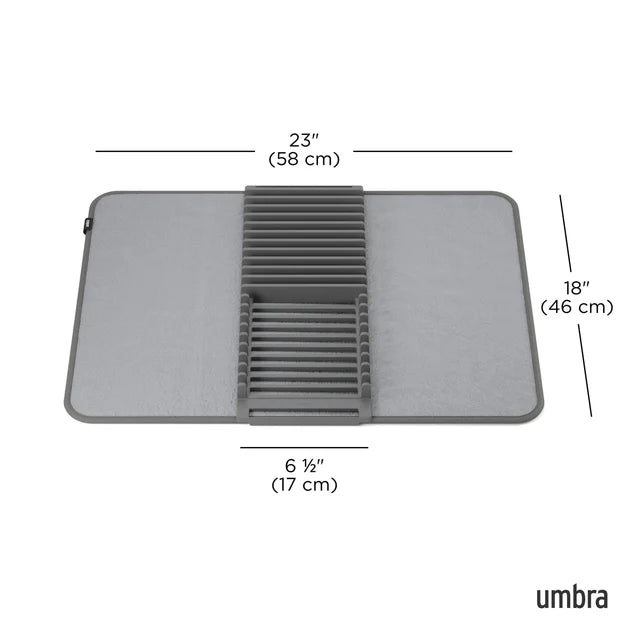
Umbra UDry escurreplatos con tapete – Carbón
Precio de venta19.95
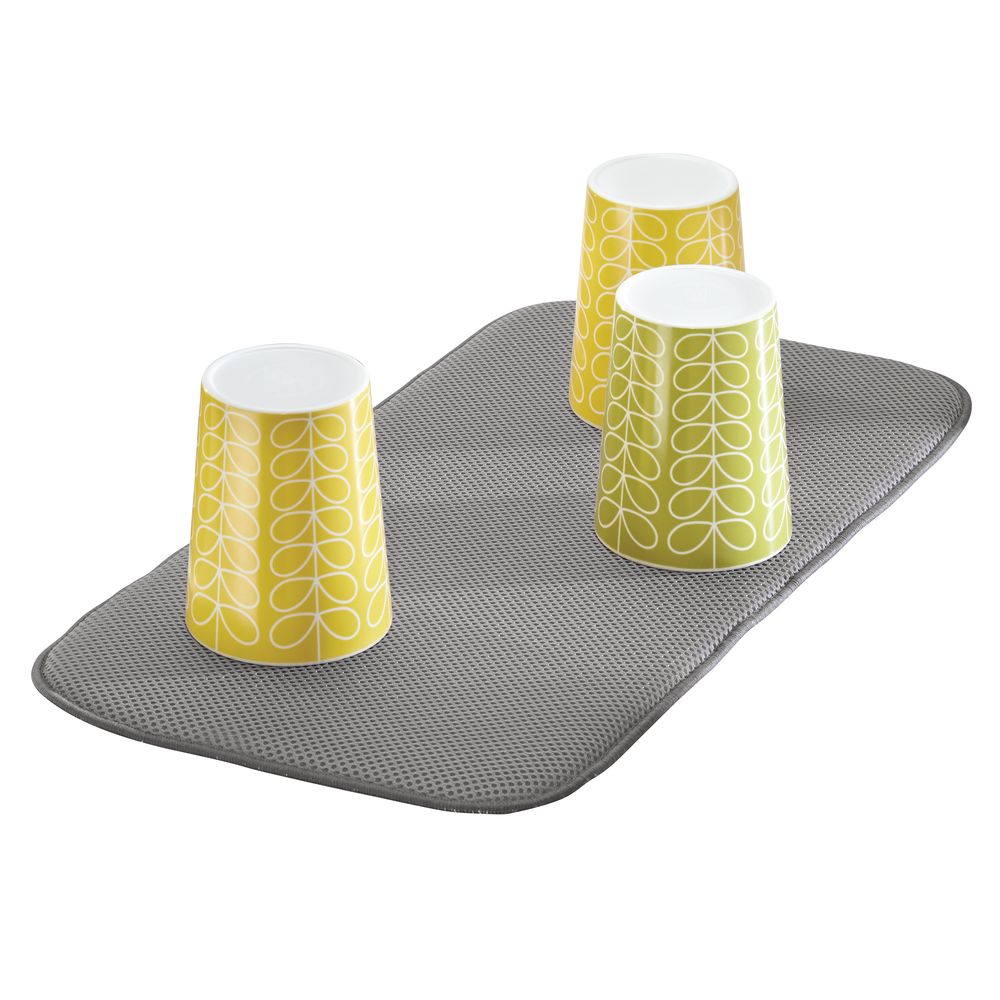
Interdesign Alfombrilla de secado reversible, peltre
Precio de venta14.95
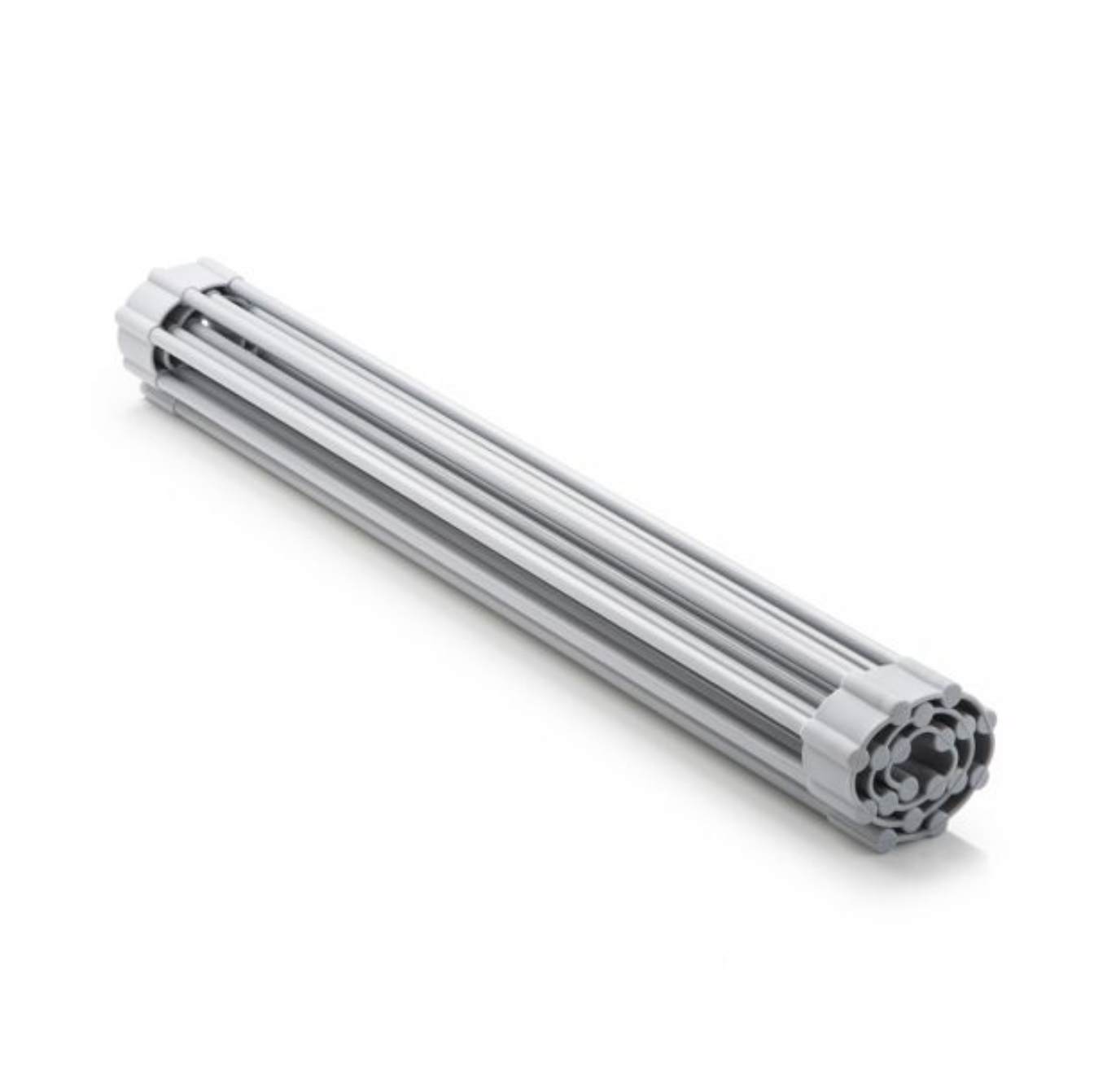
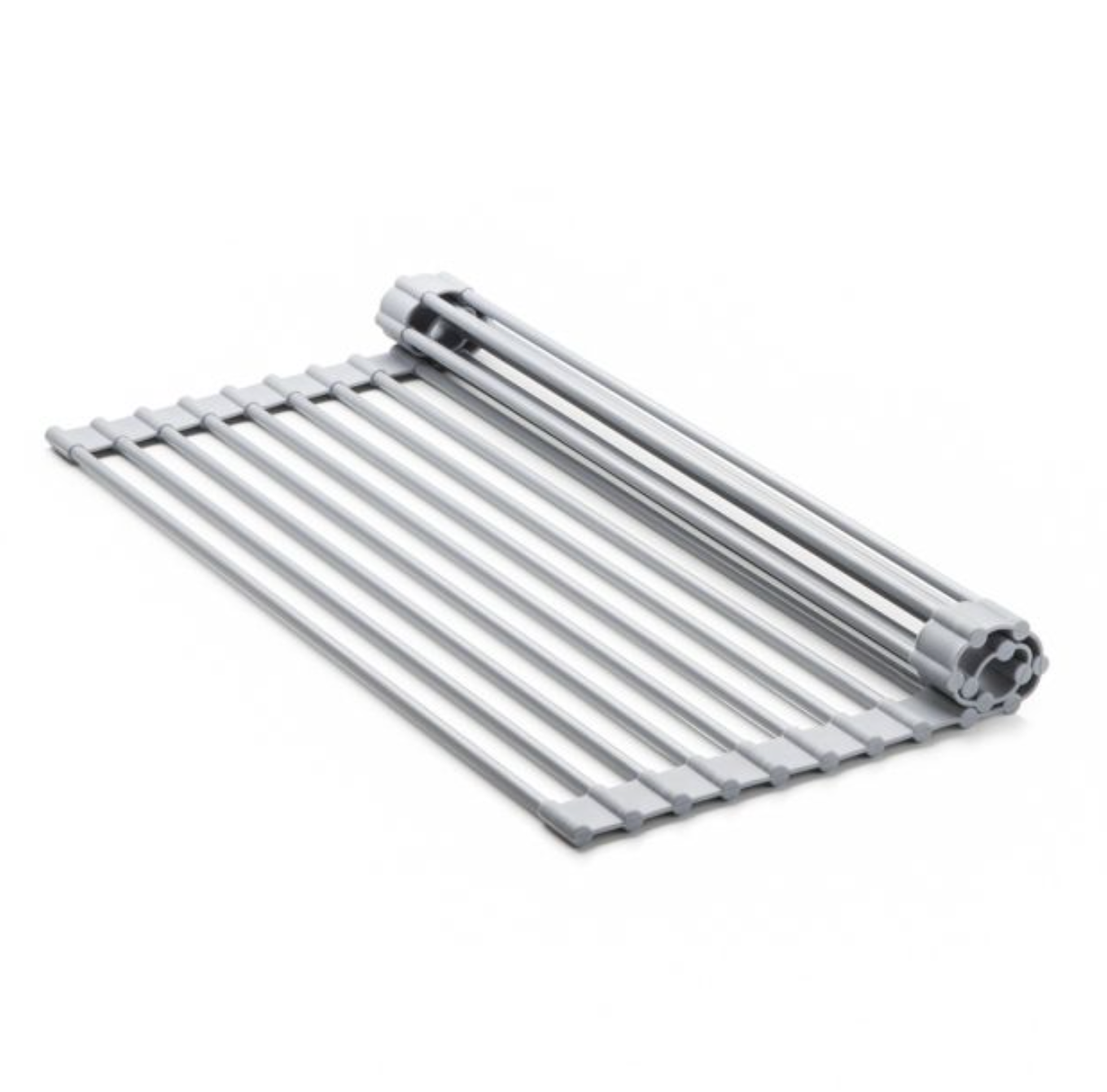
Escurreplatos de cocina enrollable
Precio de venta24.99
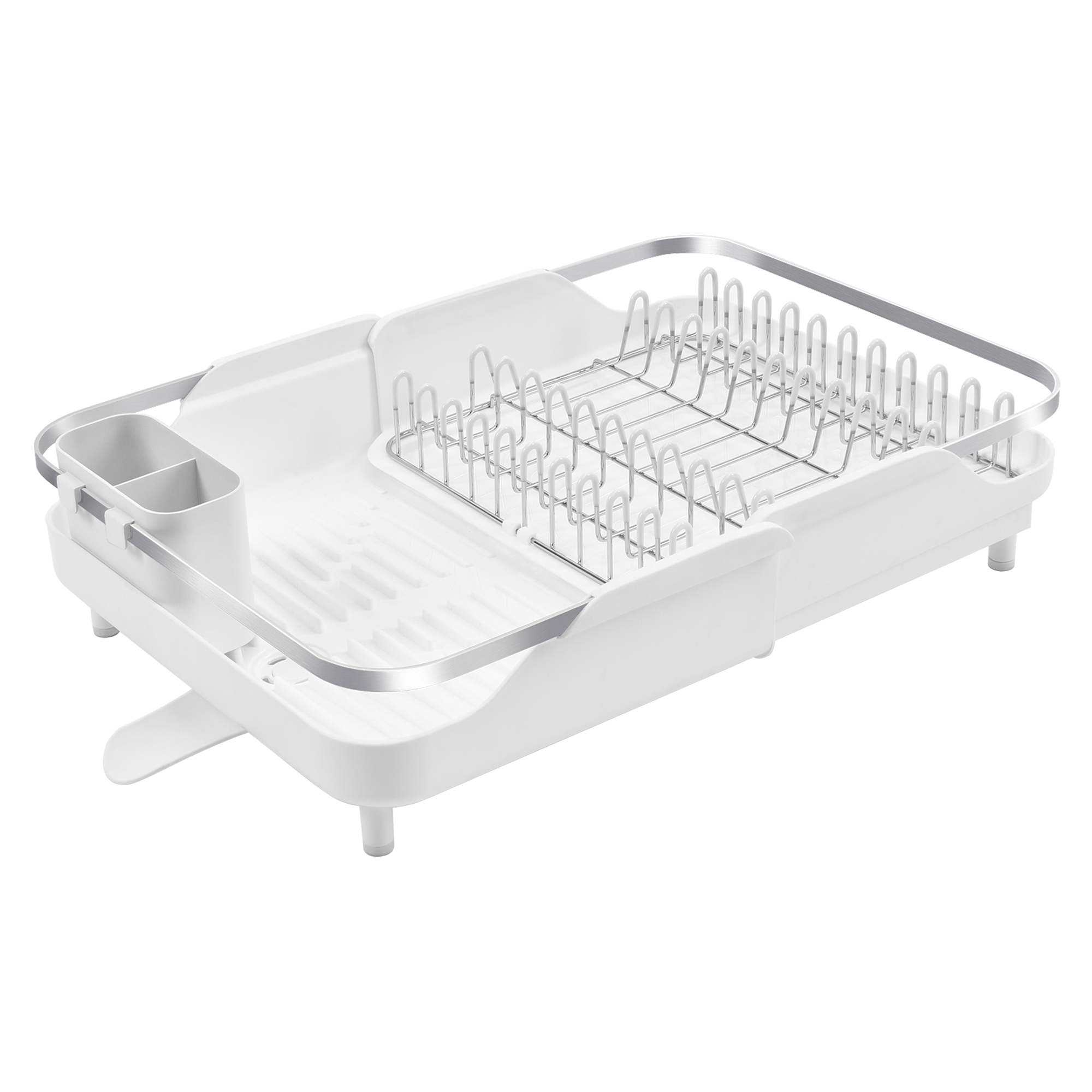
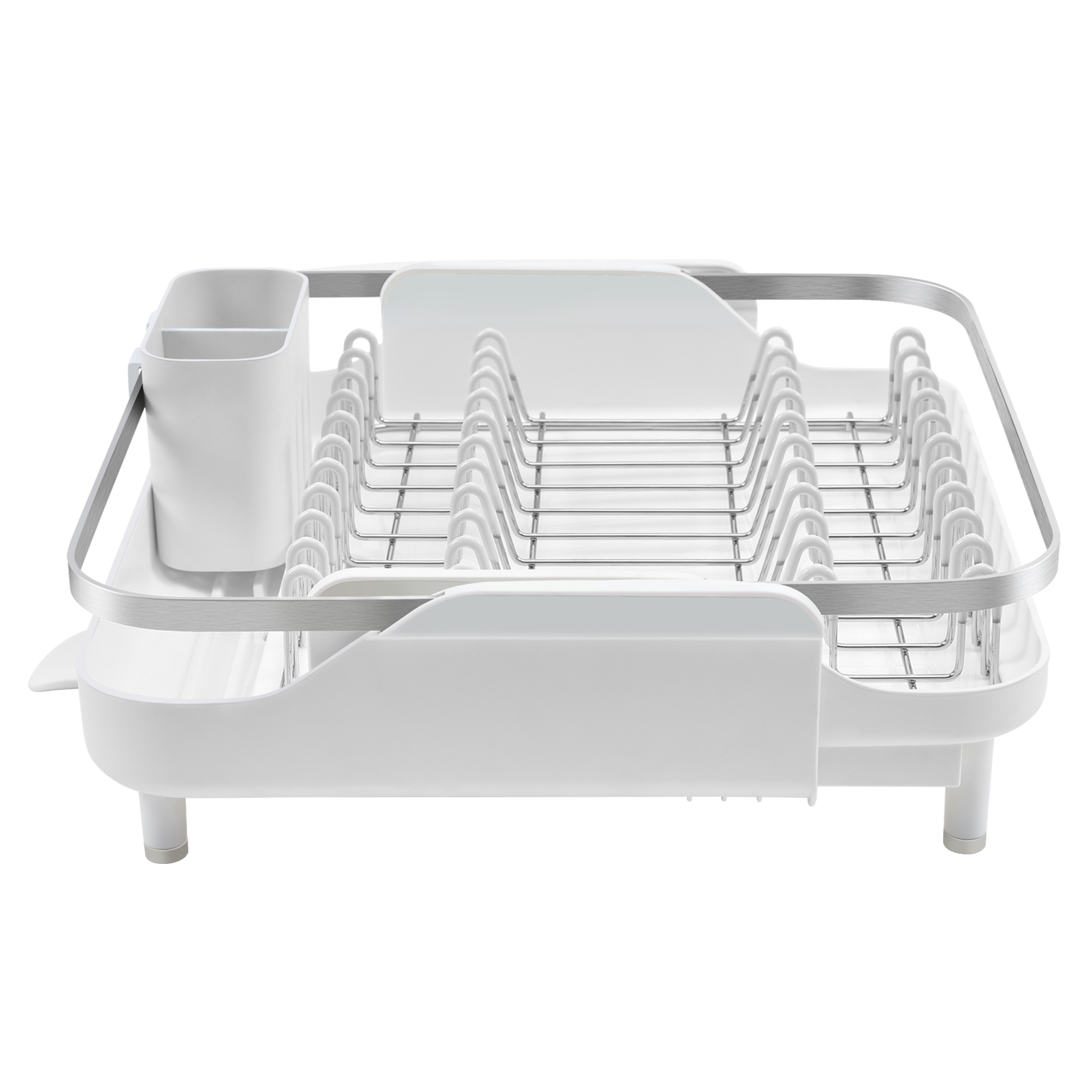
Escurreplatos Extensible Grande - Blanco
Precio de venta59.99
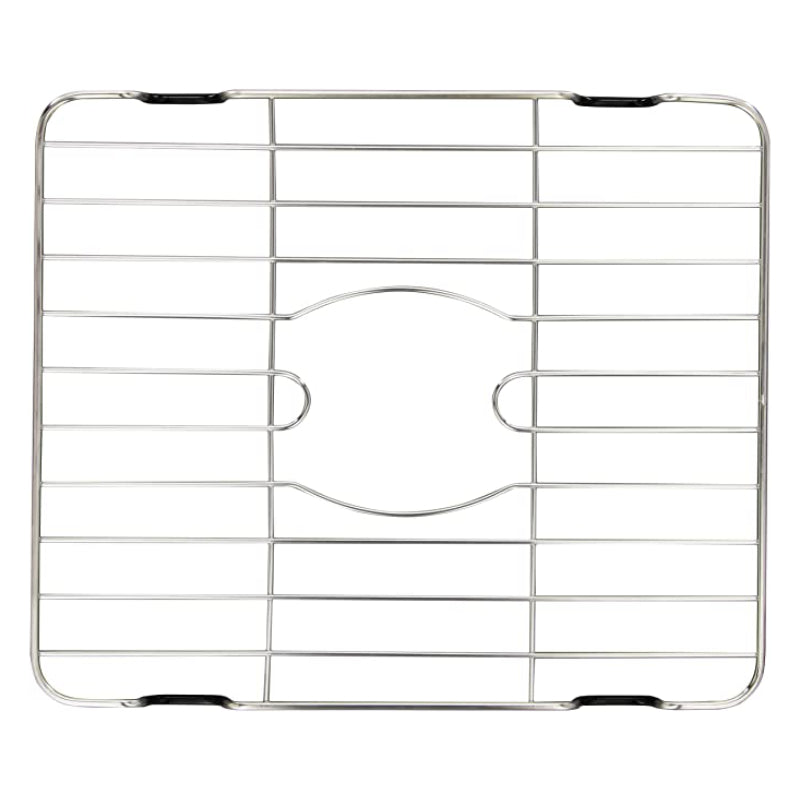
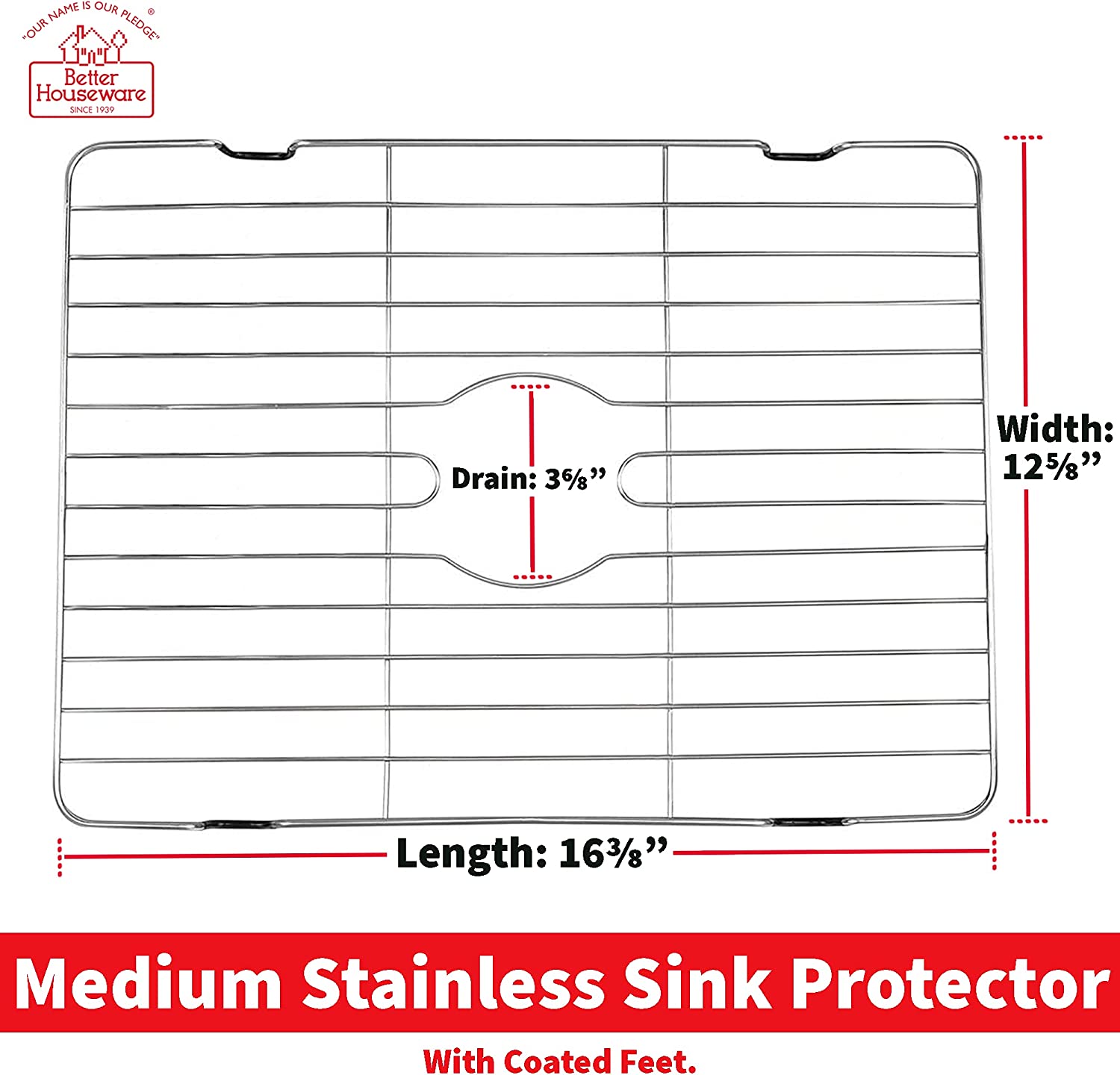
Protector de fregadero de acero inoxidable – Mediano
Precio de venta17.99
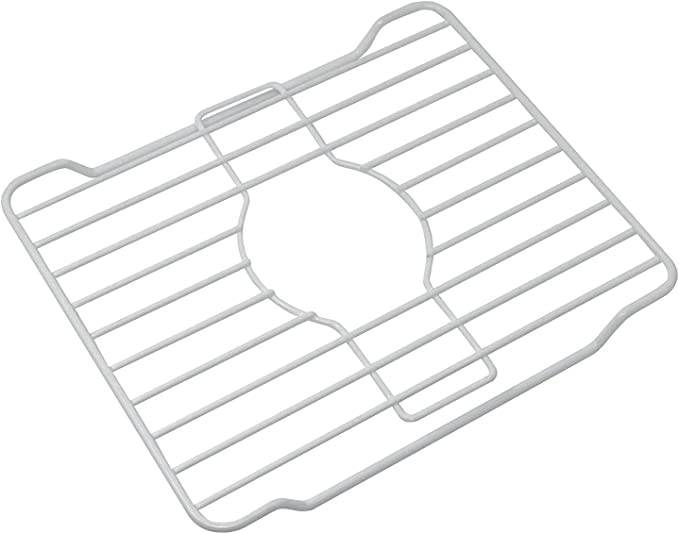
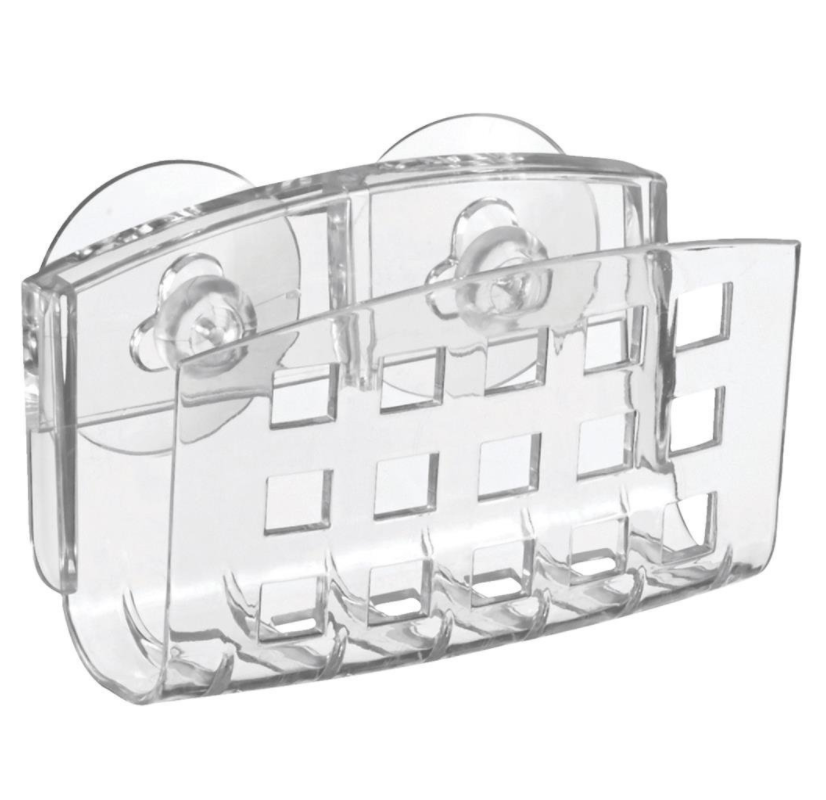

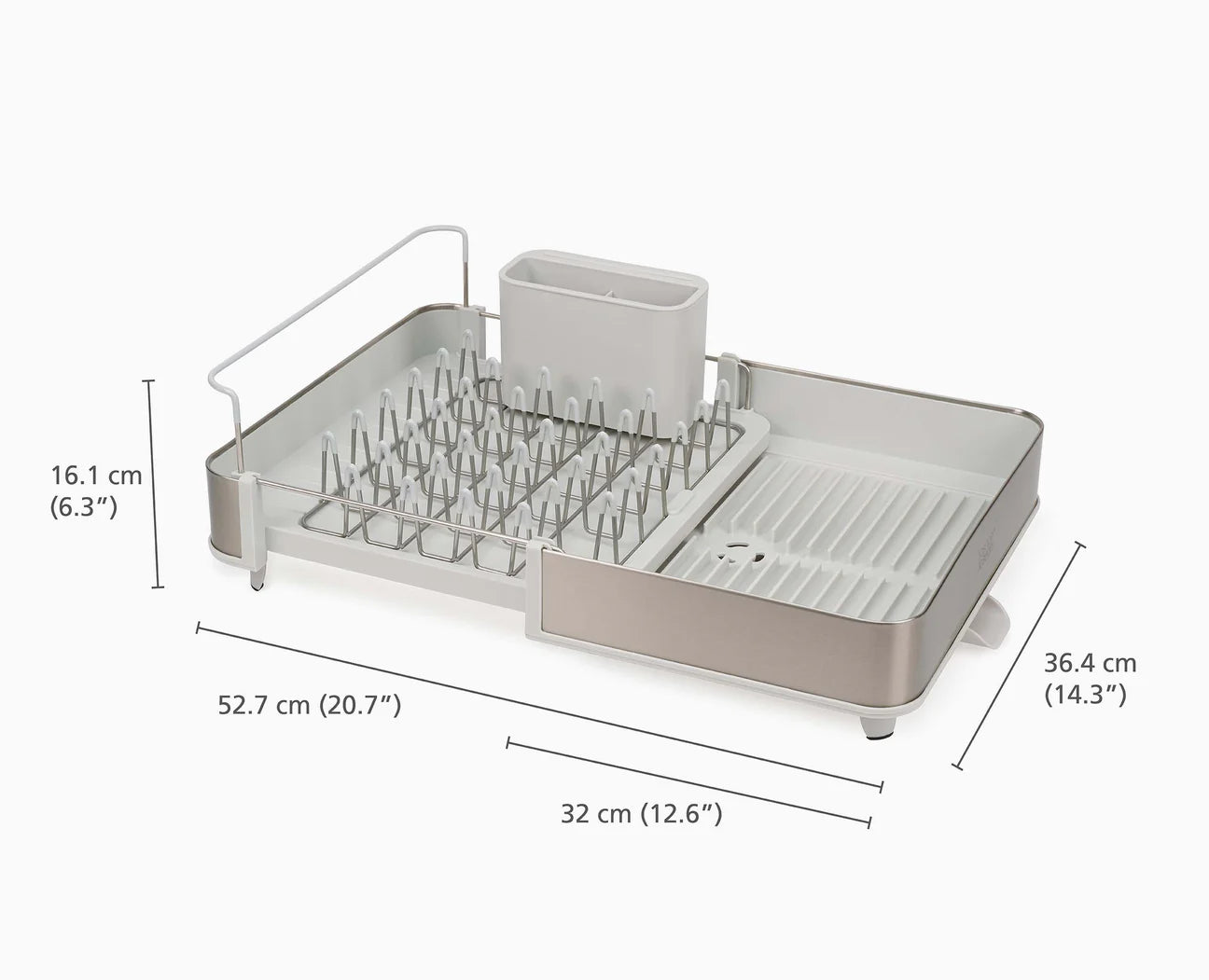
Joseph Joseph Extend Steel Escurridor de Platos Expandible – Gris Piedra
Precio de venta69.95

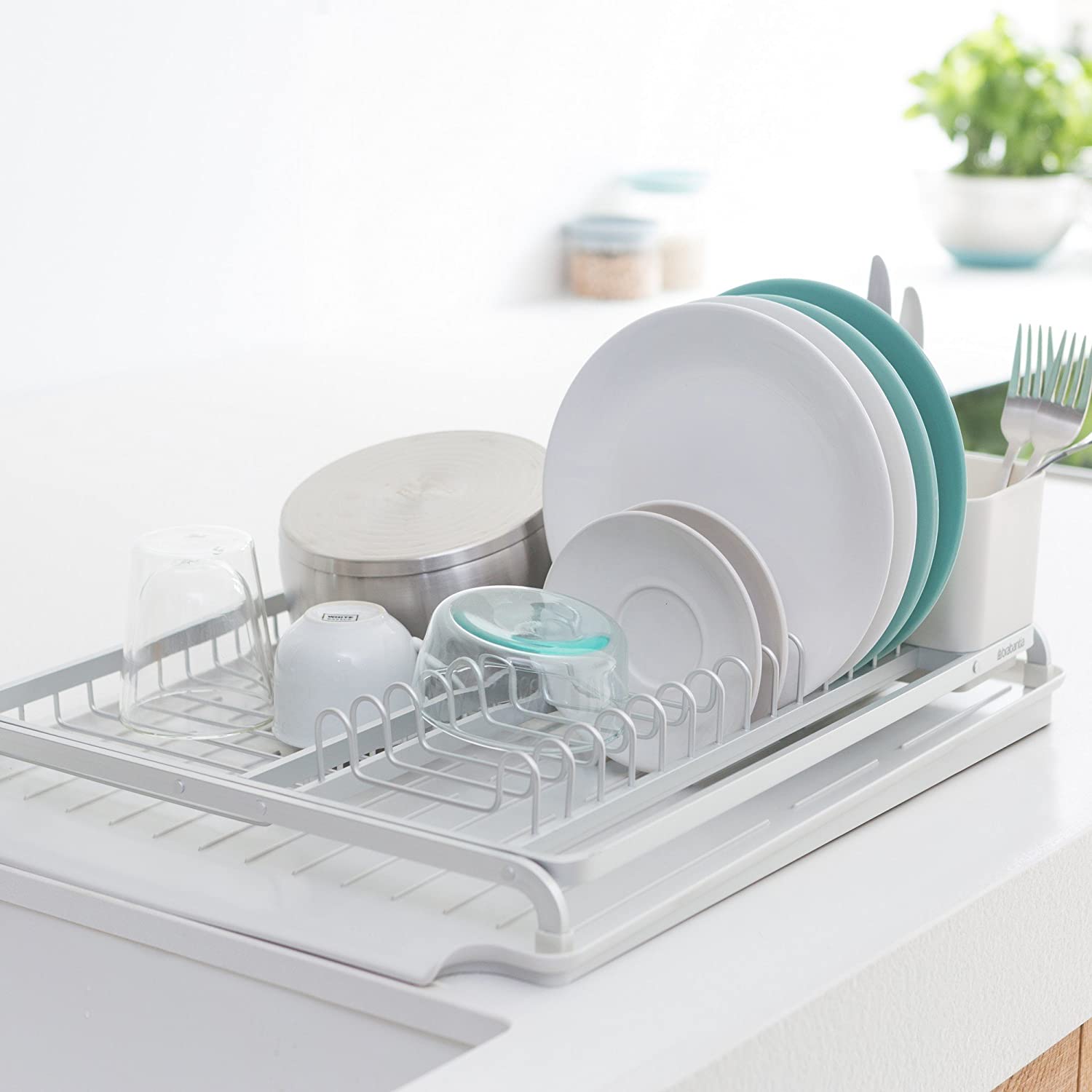
Brabantia Escurreplatos Grande – Gris Claro
Precio de venta99.99
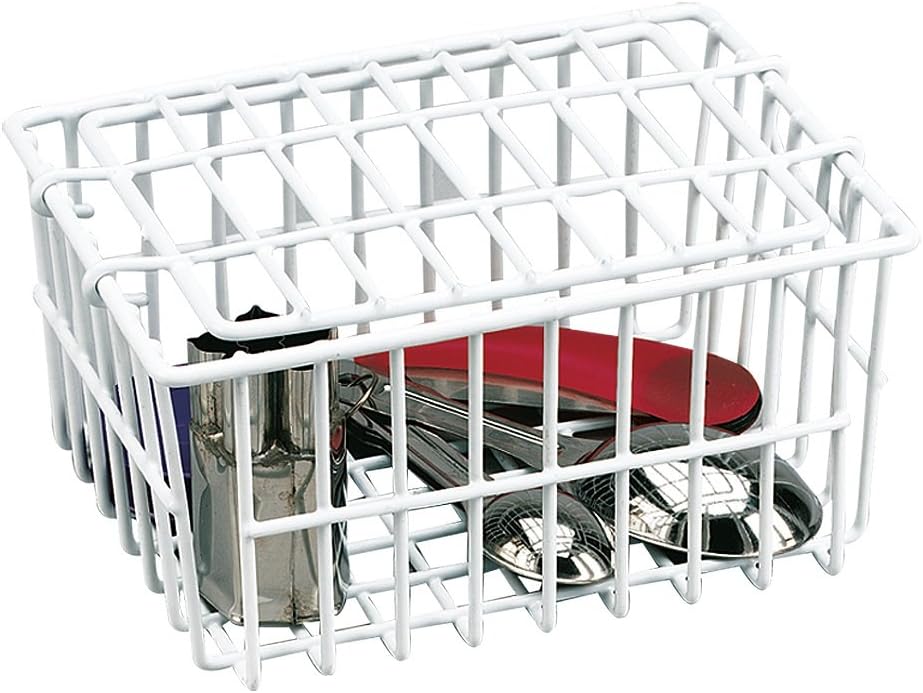
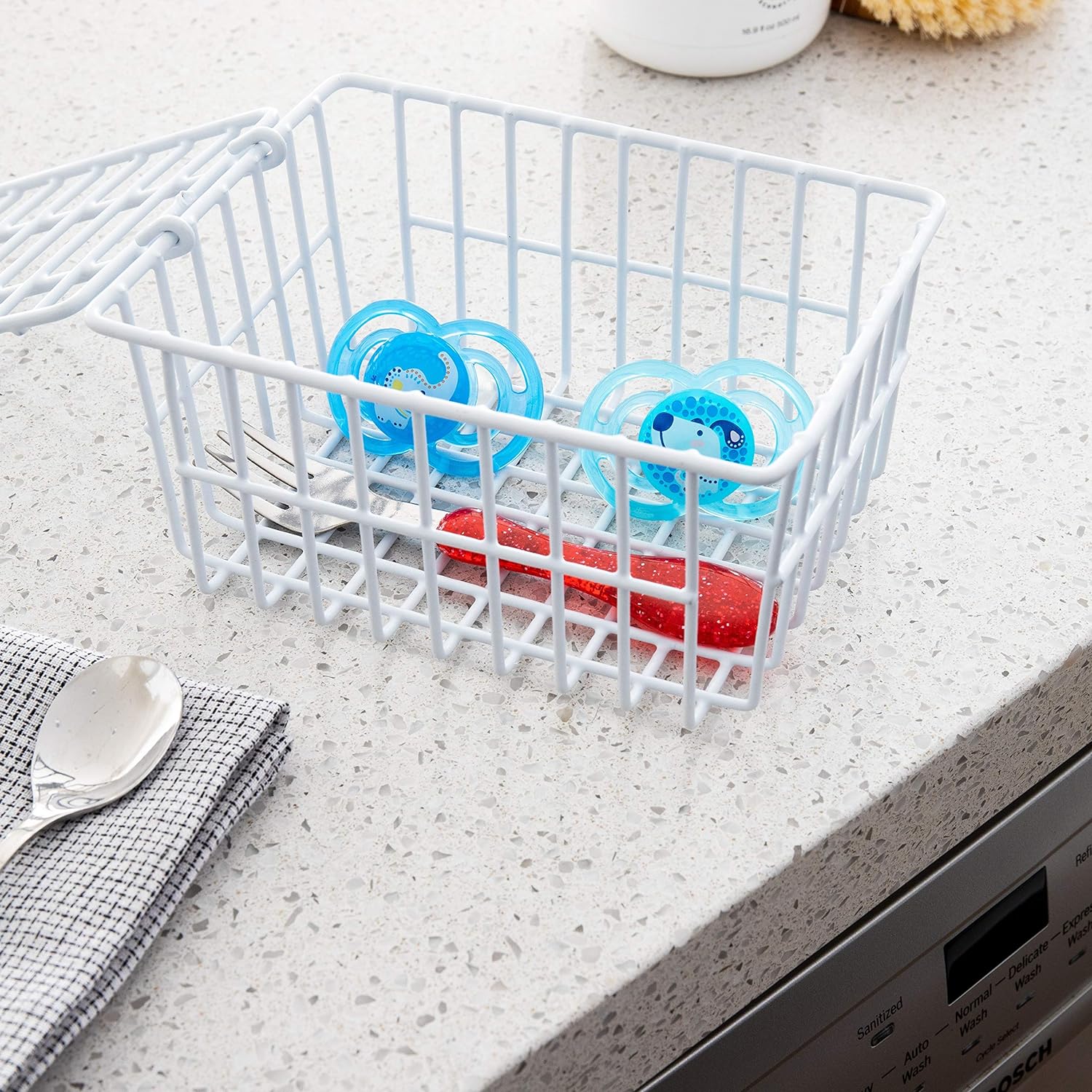
Cesta de lavavajillas de gran capacidad para artículos pequeños y accesorios
Precio de venta11.99
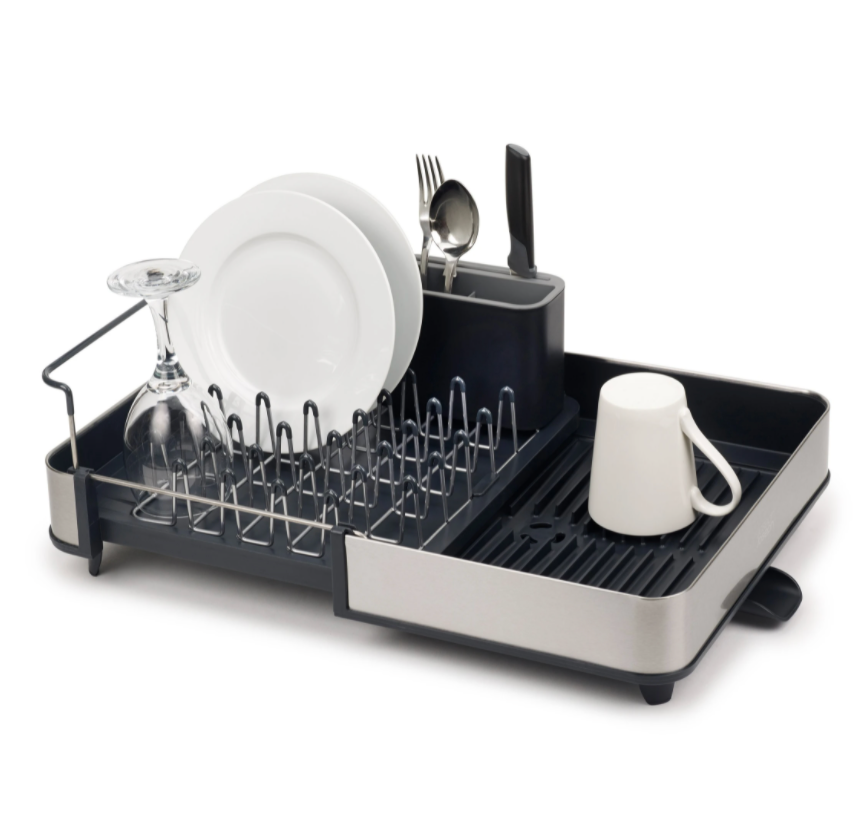
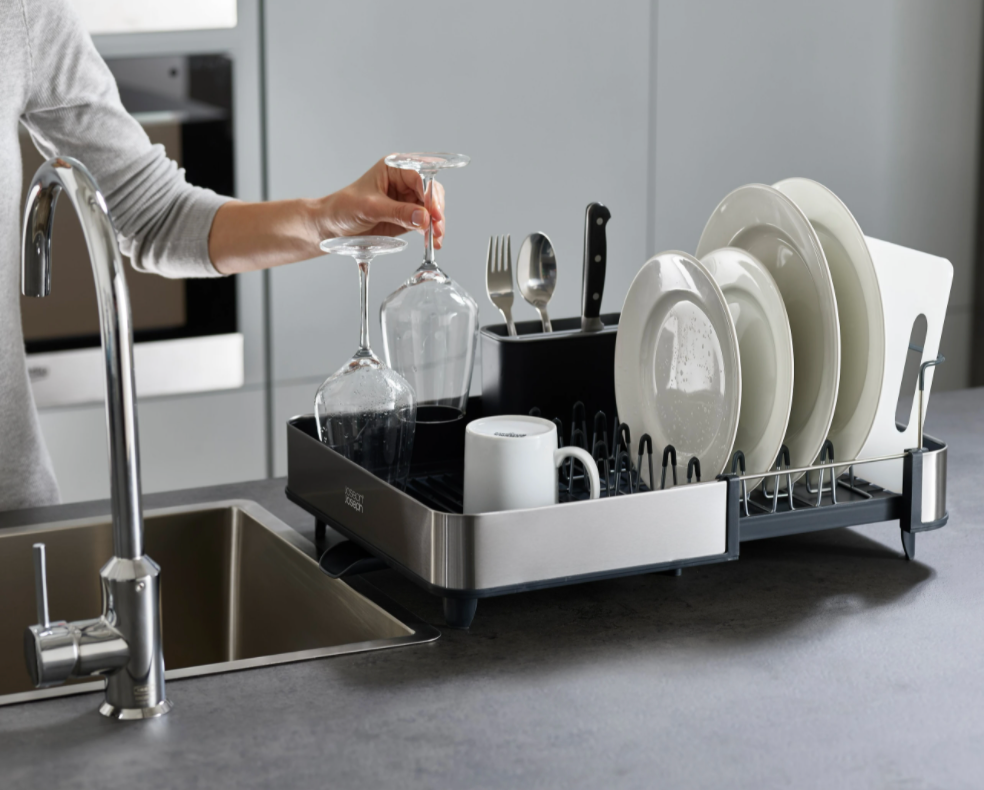
Joseph Joseph Escurridor Extensible de Acero Inoxidable Extend
Precio de venta69.95
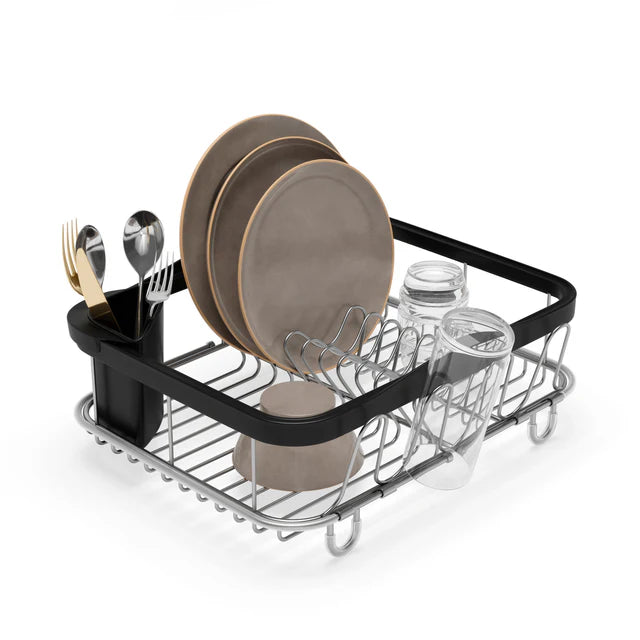
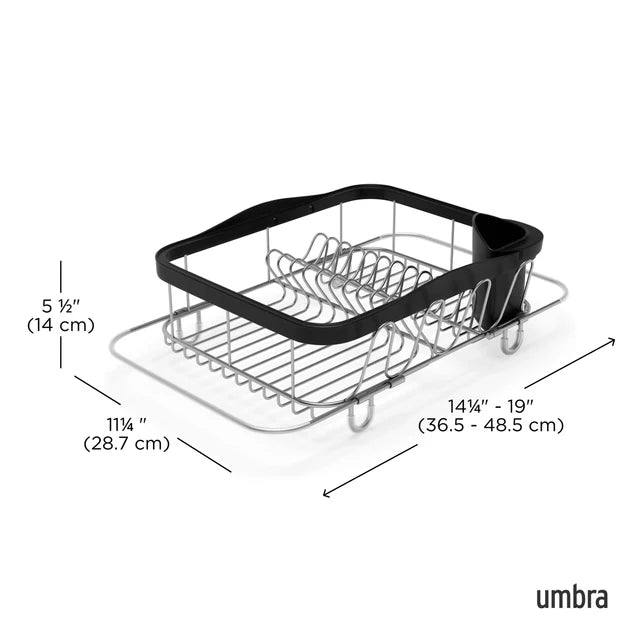
Escurreplatos multiusos Umbra Sinkin – Negro/Níquel
Precio de venta49.95
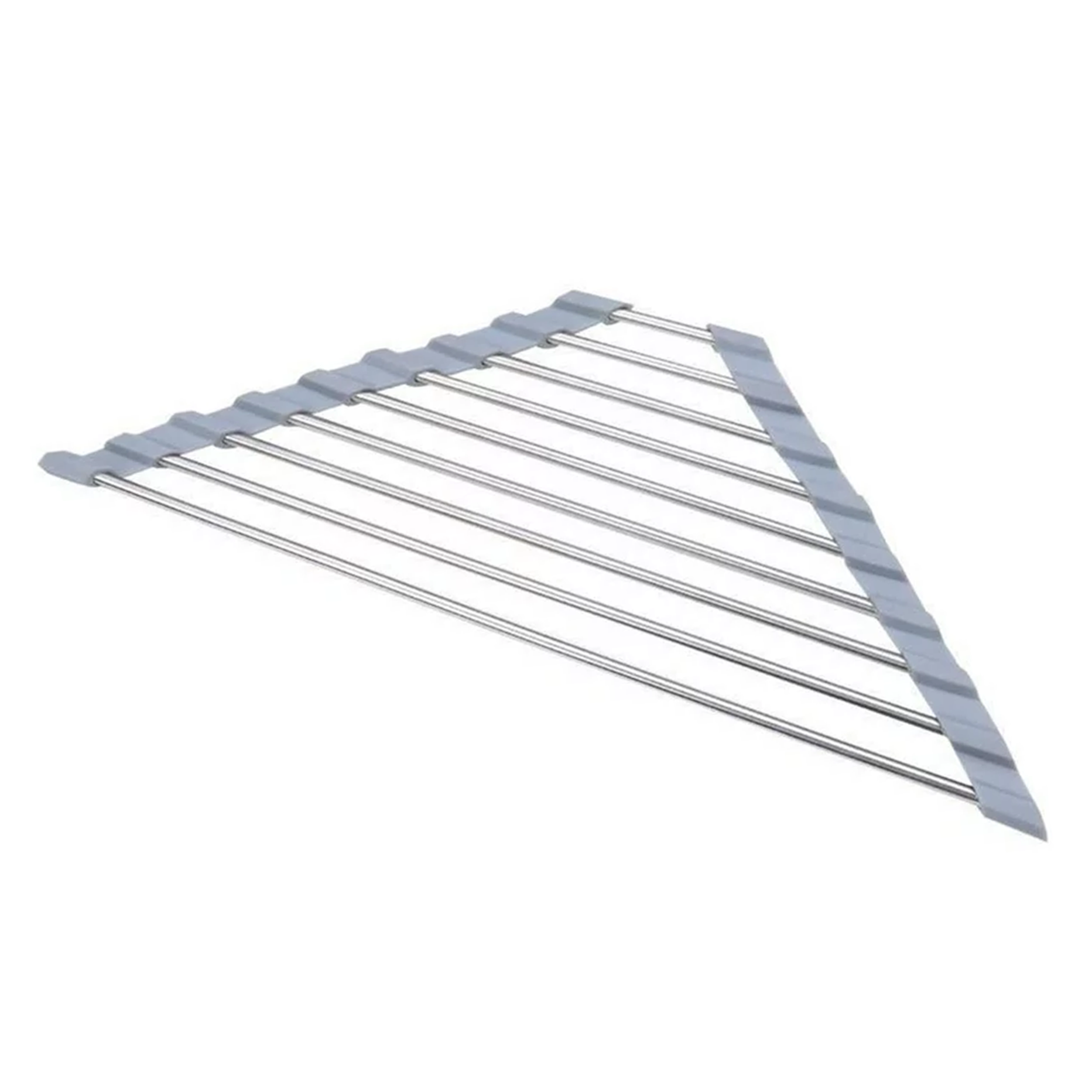
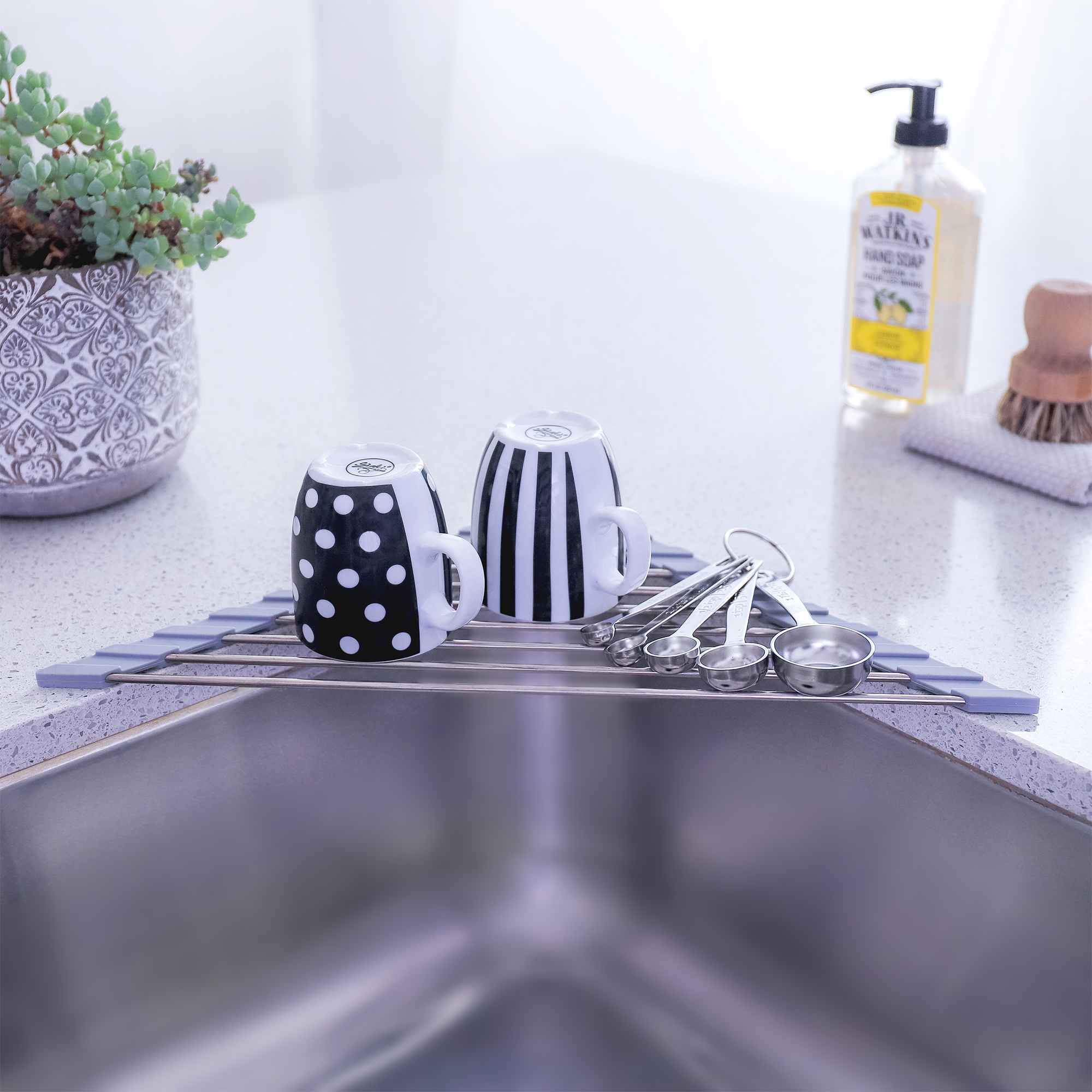
Estante enrollable para fregadero de esquina
Precio de venta14.99
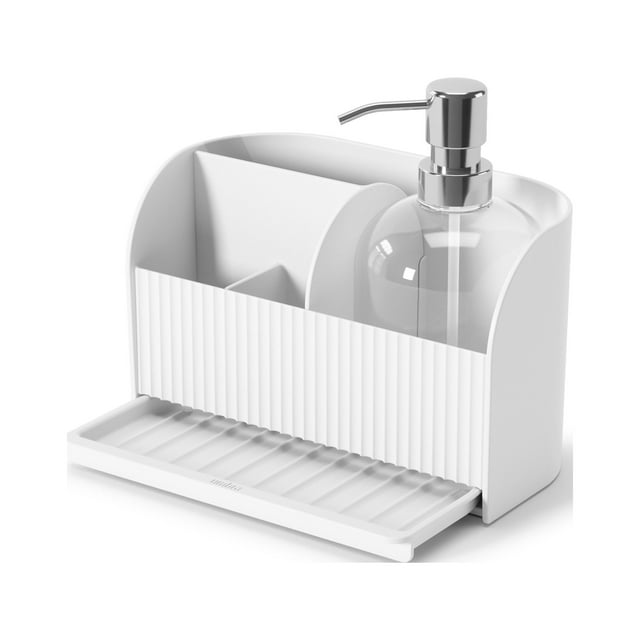
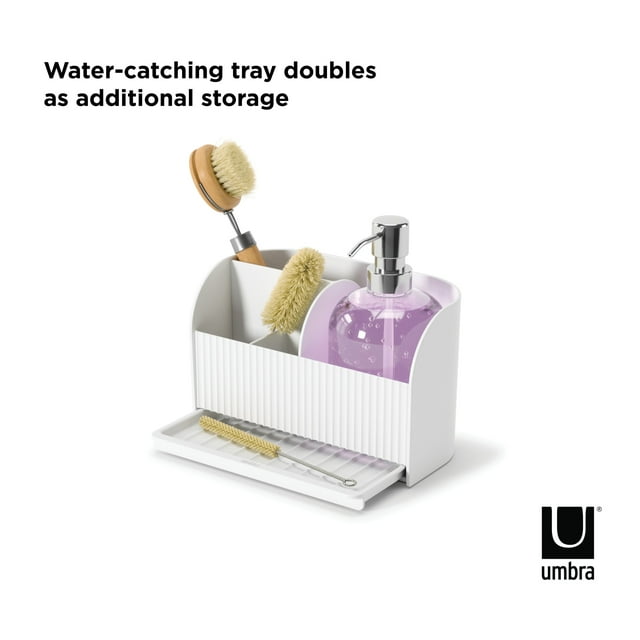
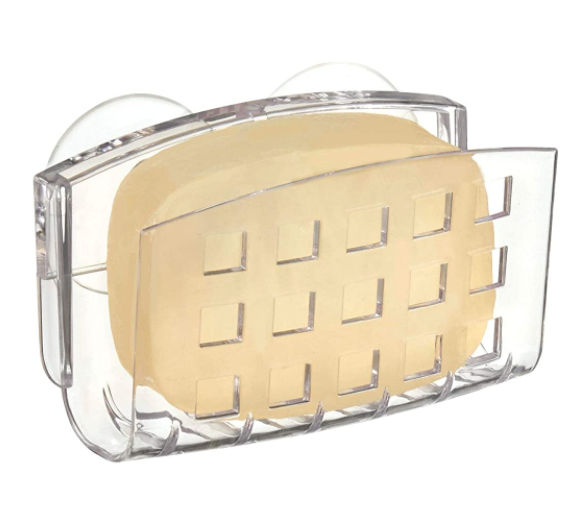
Cesta para fregadero y dispensador de jabón Umbra Sling – Blanco
Precio de venta29.95
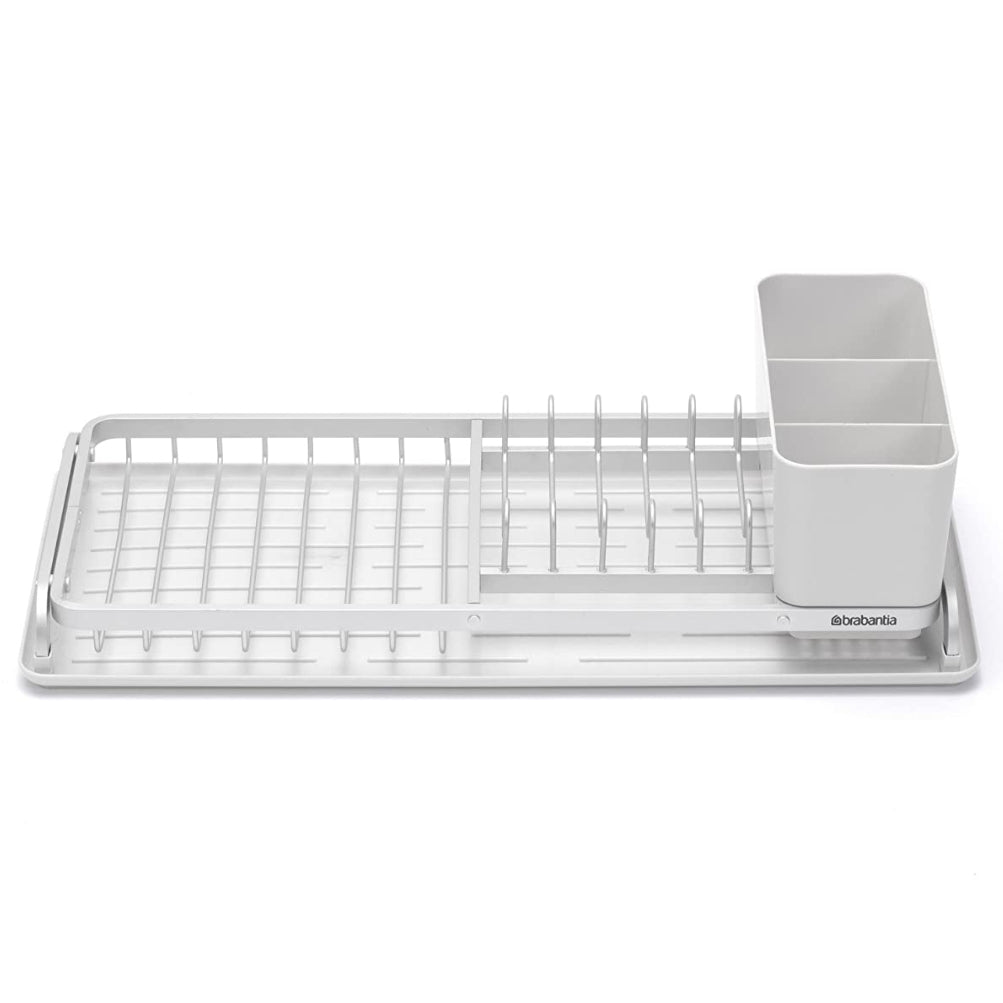
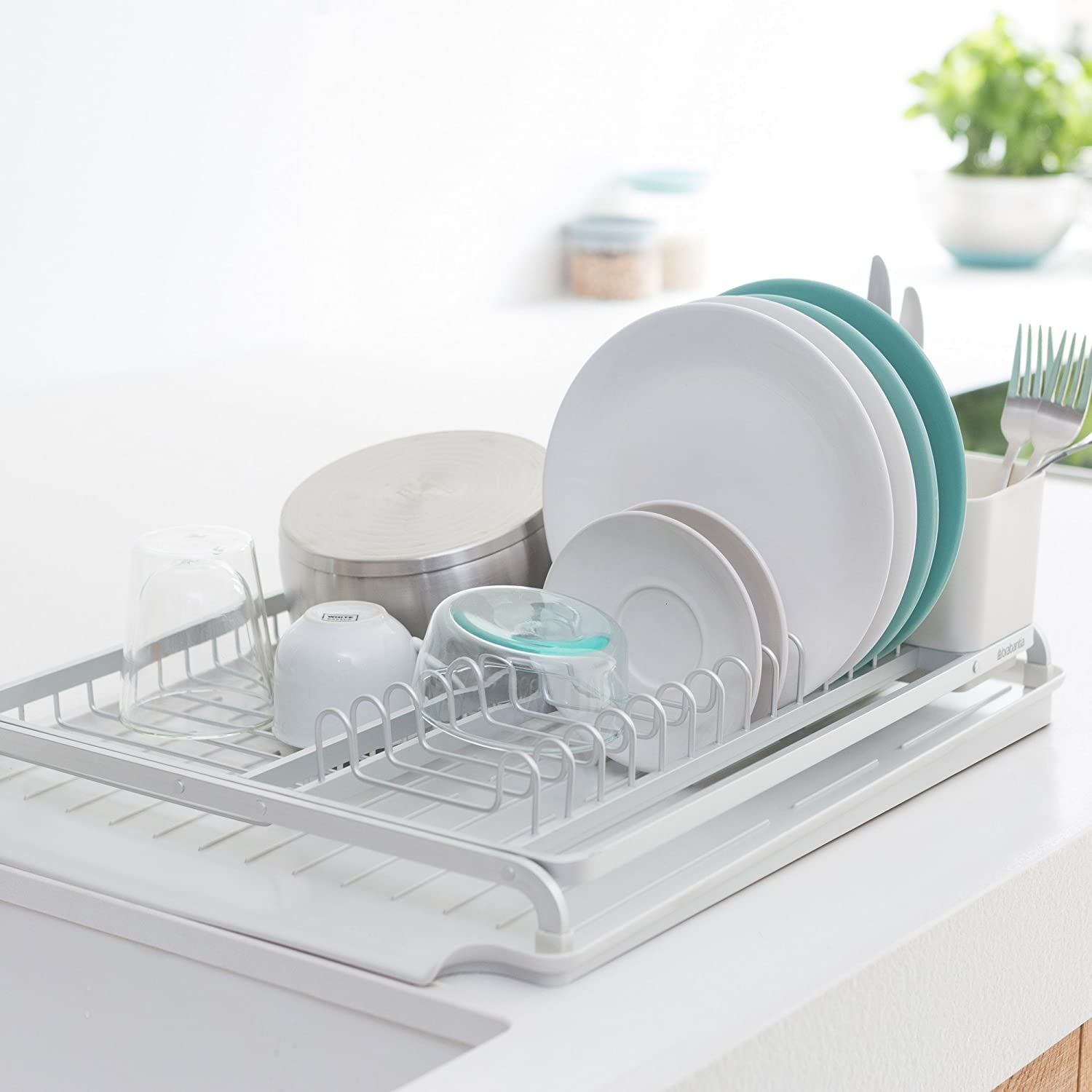
Brabantia Compact Escurreplatos – Gris Claro
Precio de venta79.99
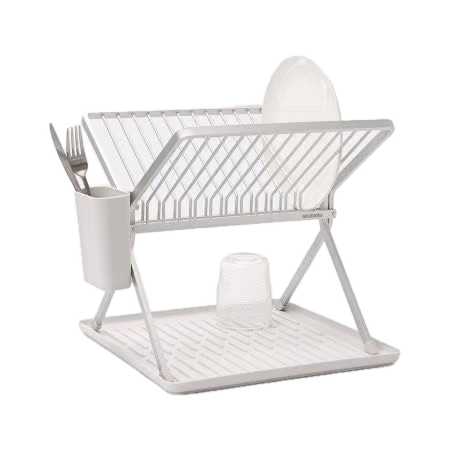
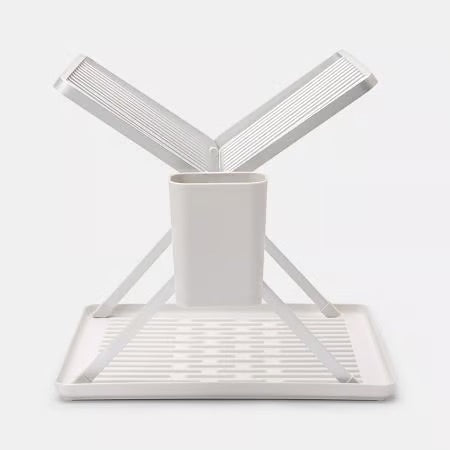
Brabantia Sinkside Escurridor de Platos Plegable – Gris Claro
Precio de venta69.95
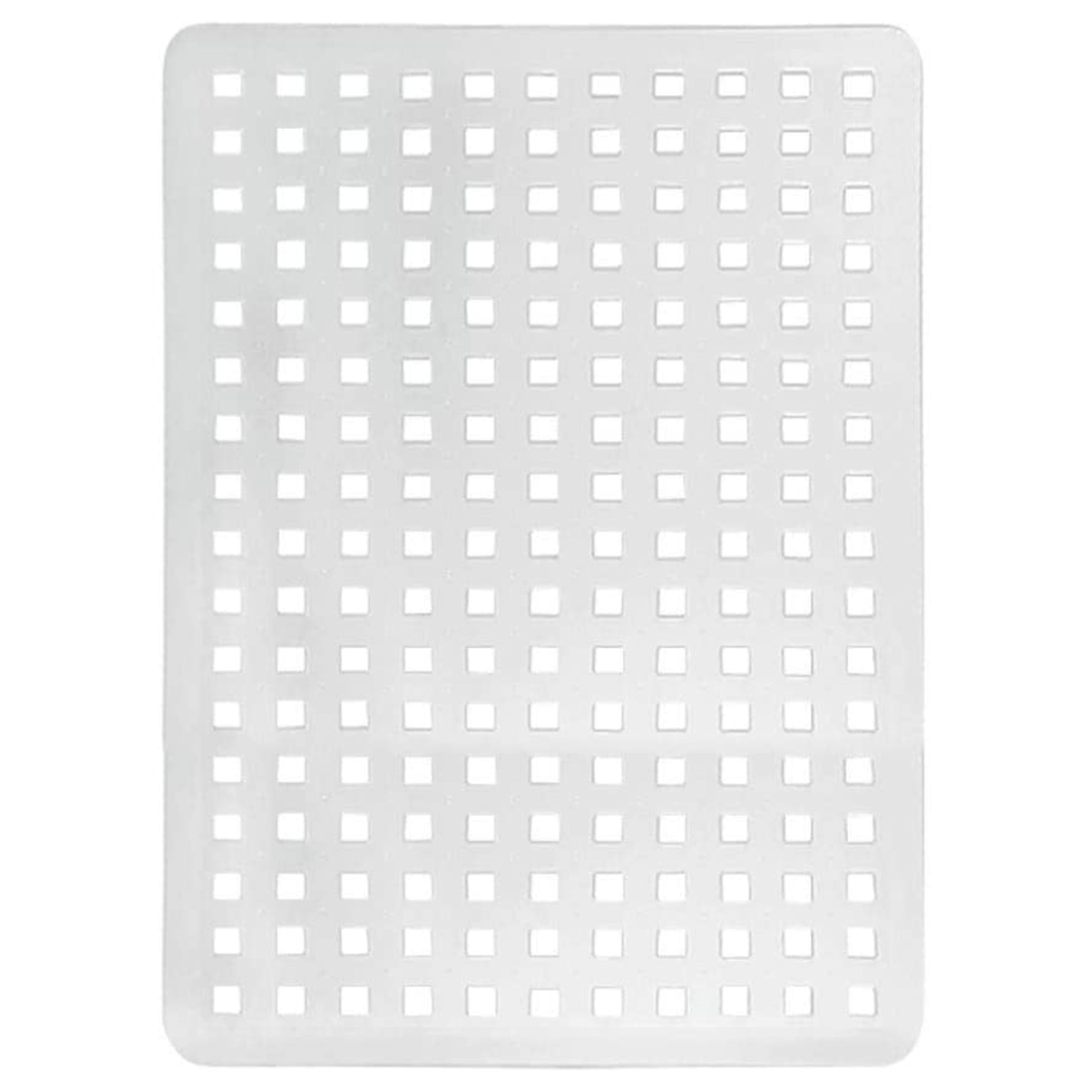
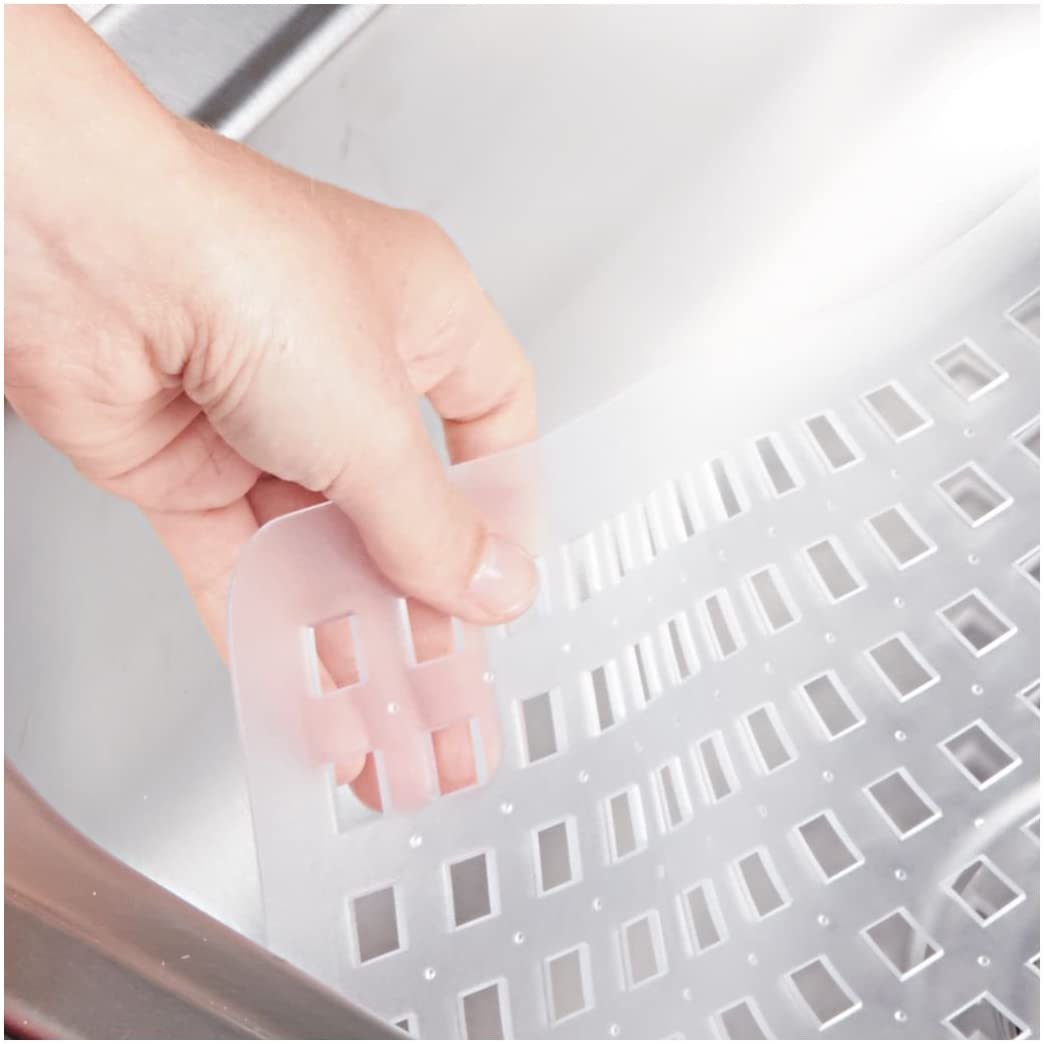
Rejilla de plástico para fregadero Euro de InterDesign
Precio de venta9.95
Recently viewed
Frequently Asked Questions
The main types of dish drying racks, also sold as dish drainers, are countertop racks, over-the-sink racks, in-sink racks, roll-up racks, and rack-and-mat combinations. Countertop racks sit next to the sink and hold the most dishes at once, while over-the-sink and roll-up racks span the basin to free up counter space and drip straight into it. In-sink models rest inside or across the sink, and a rack paired with a microfiber drying mat folds flat when you need the counter back.
A dish rack should sit on the counter if you have the room and wash large loads, over the sink if counter space is tight, or in the sink if you only dry a few things at a time. Countertop racks hold the most dishes but claim permanent counter space, while over-the-sink racks free that space and drain into the basin. In-sink racks keep water contained but limit you to smaller loads.
A roll-up rack wins on space and a countertop rack wins on capacity, so the better one depends on which you are short of. A roll-up rack is a row of silicone-wrapped steel rods that unrolls over the sink or counter and rolls back up to store flat, so it clears the surface completely when you are done and tucks into a drawer. A countertop rack never has to be set up or put away, but it holds more and stays out whether or not it is in use.
Whether a plastic or steel rack is better comes down to one trade, since steel looks cleaner and holds more weight while plastic costs less and never rusts. Metal racks made with corrosion-resistant materials or a protective coating hold up well, though bare or scratched steel can develop surface rust over time in constant moisture. Plastic will not rust but can stain, discolor, or hold mildew if it stays wet, so it needs regular rinsing and drying out.
The best dish rack for a small kitchen is one that gives the counter back when you are not using it, which usually means a roll-up rack, an over-the-sink rack, or a rack-and-mat combo that folds flat. Compact expandable racks work well too, since they stay narrow day to day and widen only when you have a full load. Small counters are the reality of most New York kitchens, so the racks here are chosen to fit a tight counter and still dry a real load.
To make sure an over-the-sink dish rack fits, measure your sink from outer edge to outer edge and match that width to the rack's span before you buy. Many over-sink and roll-up racks are expandable, so check that your measurement falls between their minimum and maximum width rather than trusting one fixed size. Also check the clearance under your faucet and, if the sink sits below a window, that the rack clears the sill once dishes are loaded.
A rack should drain into the sink whenever it can sit beside or over the basin, because a self-draining spout or an over-sink design sends water straight down and never needs emptying. A drainboard or tray only earns its place when the rack has to sit away from the sink, since the tray catches runoff you would otherwise wipe up. The catch with a tray is that it holds standing water you have to pour out and dry, so a rack that drains itself stays cleaner with less effort.
The size dish rack you need depends on how many dishes stack up between washes, so a compact rack that holds around nine plates suits one or two people, while a larger expandable model holding ten or more handles a family or a frequent cook. Look at the plate-slot count along with the cutlery holder and cup space, since capacity is about how the rack is divided, not just how wide it is. An expandable rack is the safest pick when your load changes, because it stays narrow most days and widens for the occasional full sink.