
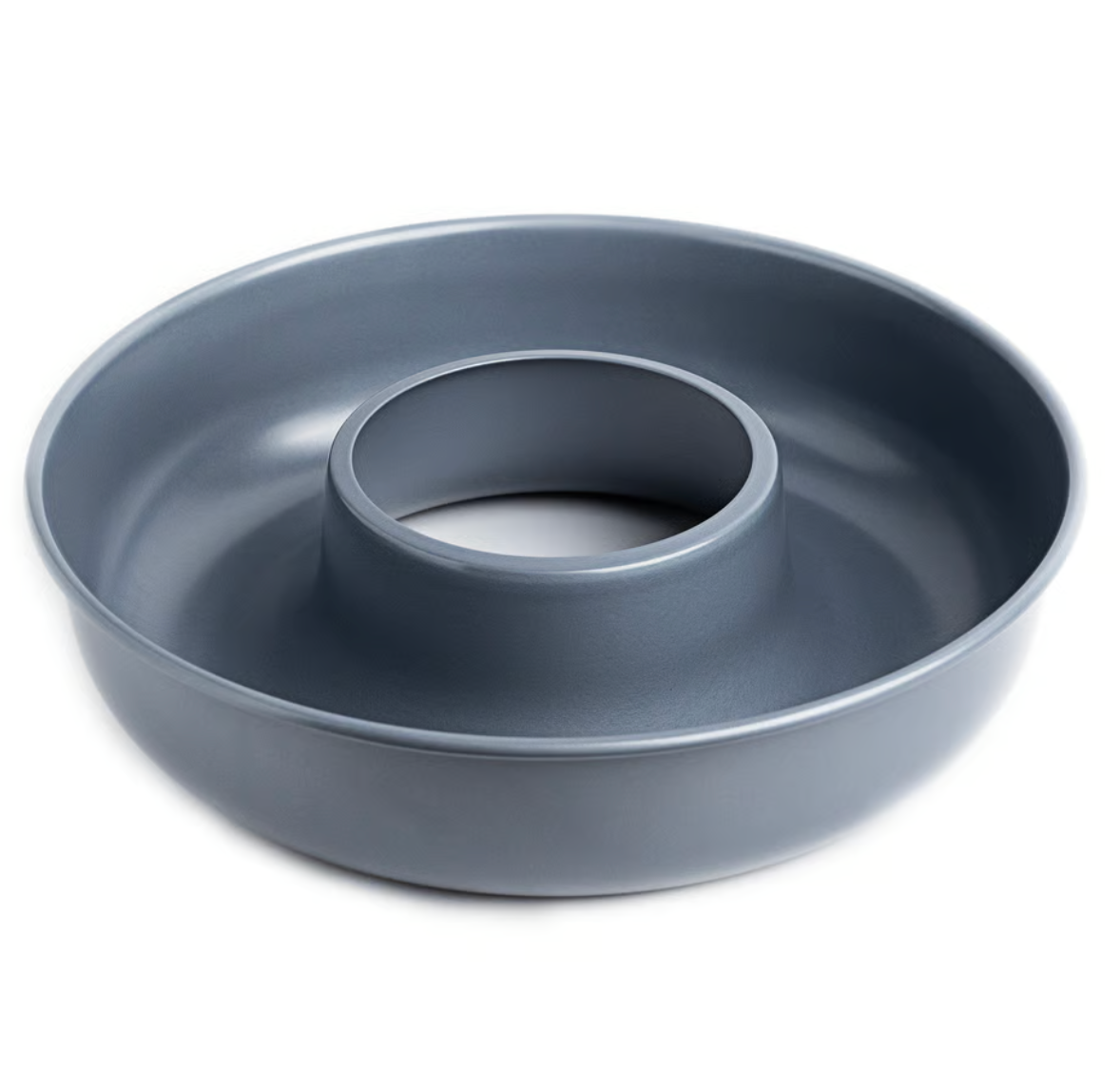
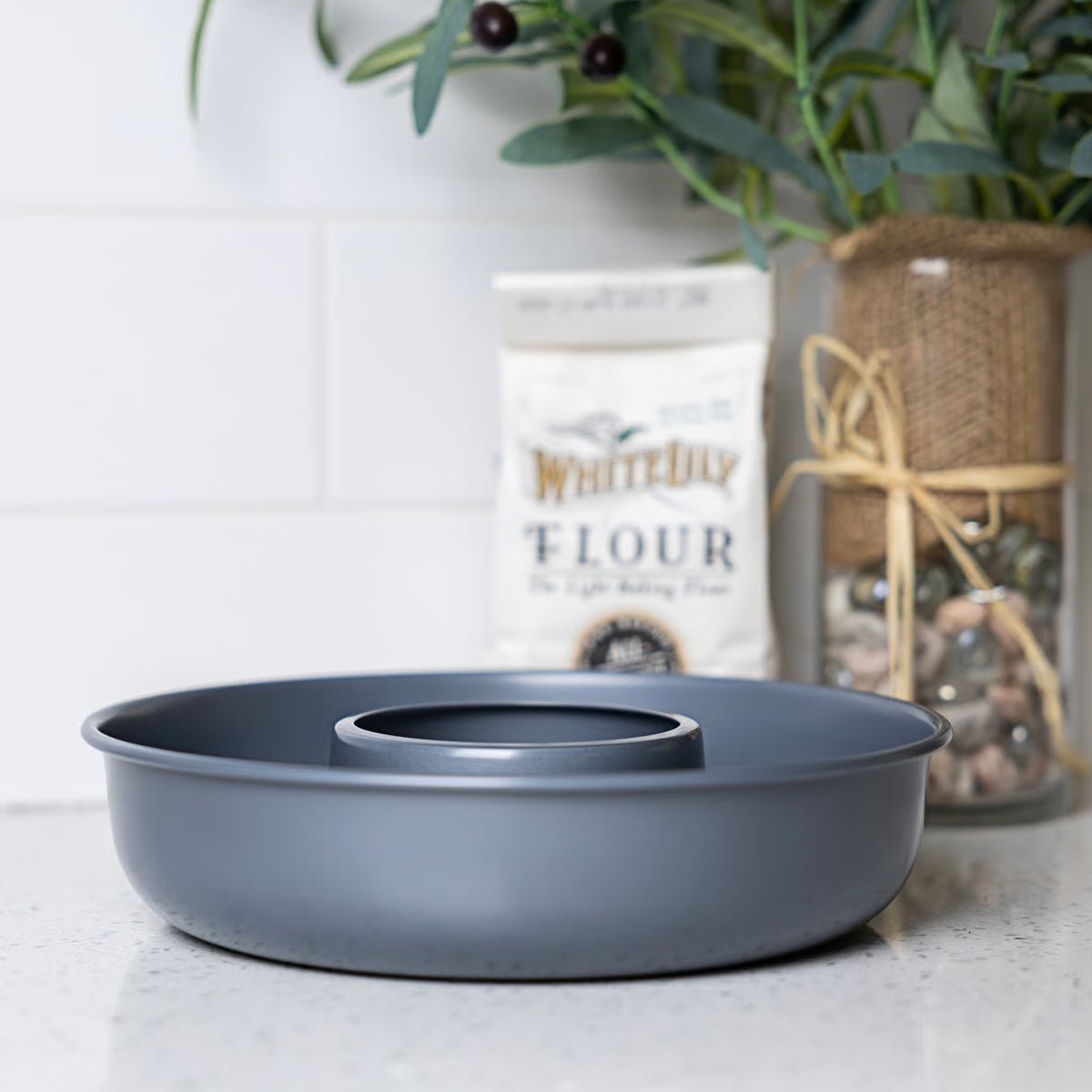
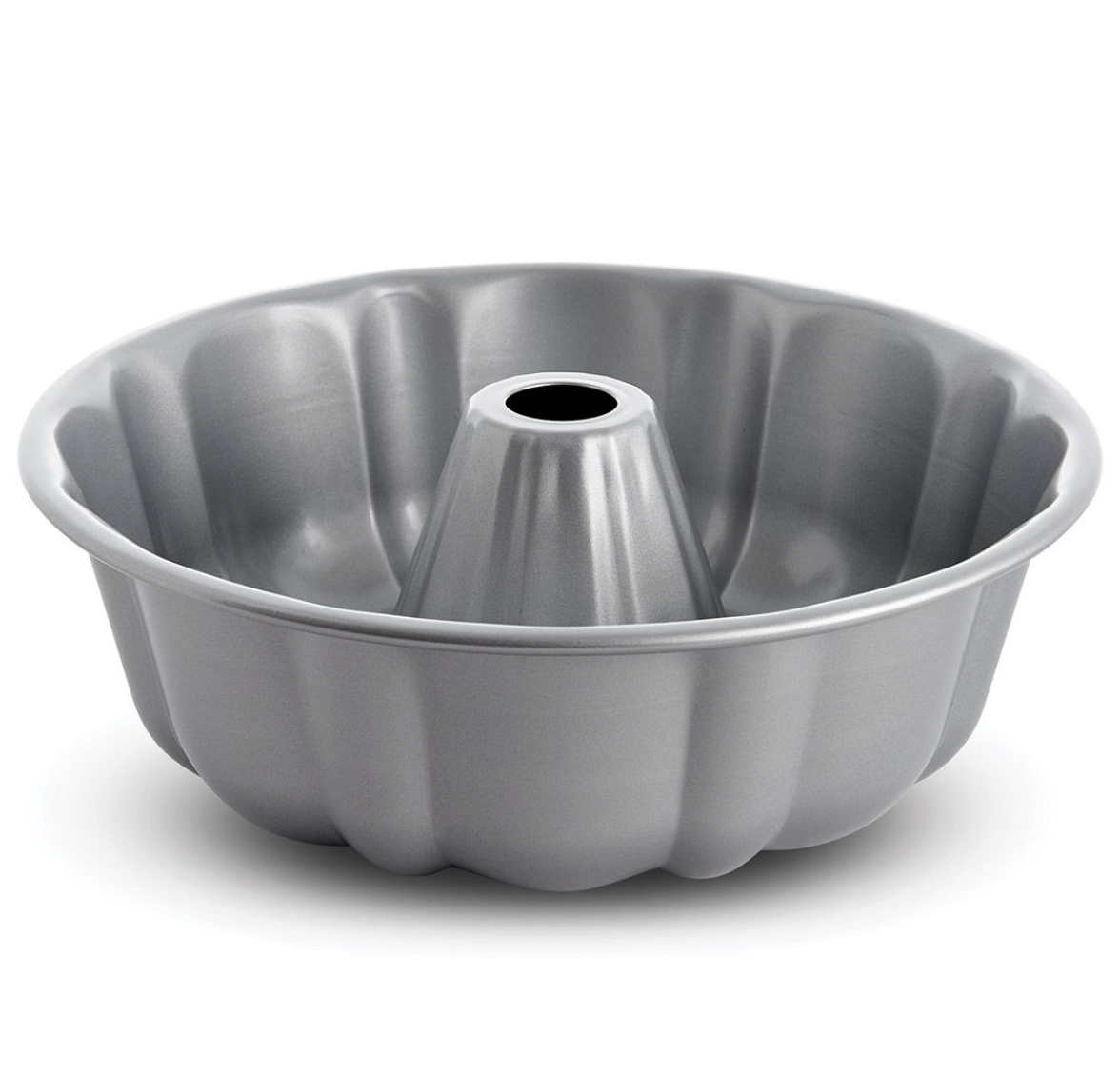
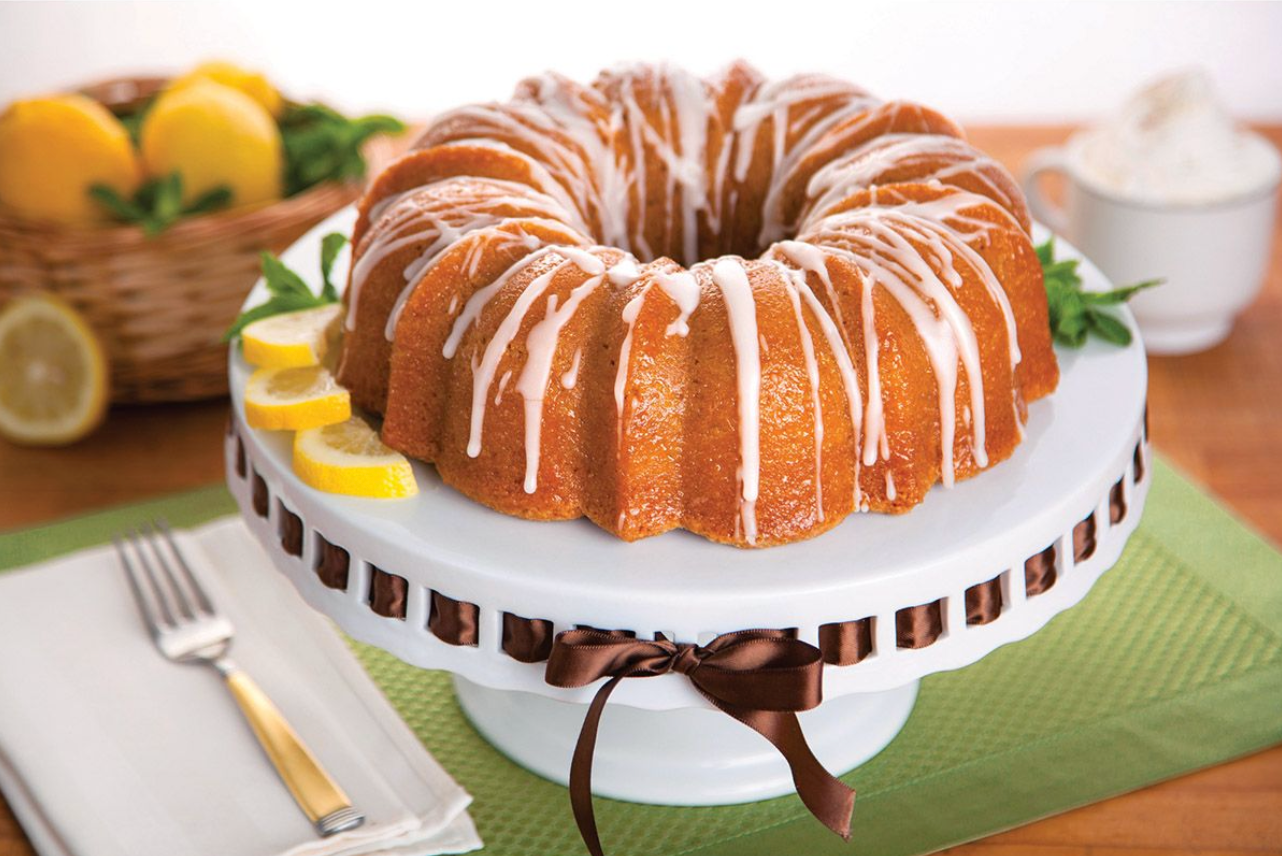
Molde estriado antiadherente para hornear pasteles de la Sra. Anderson – 25,4 cm
Precio de venta21.99
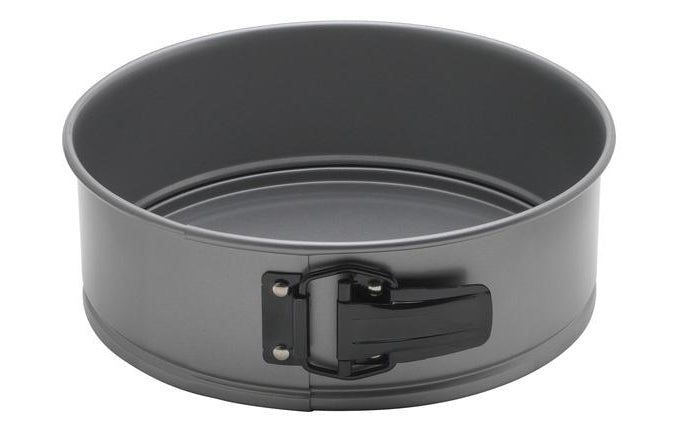
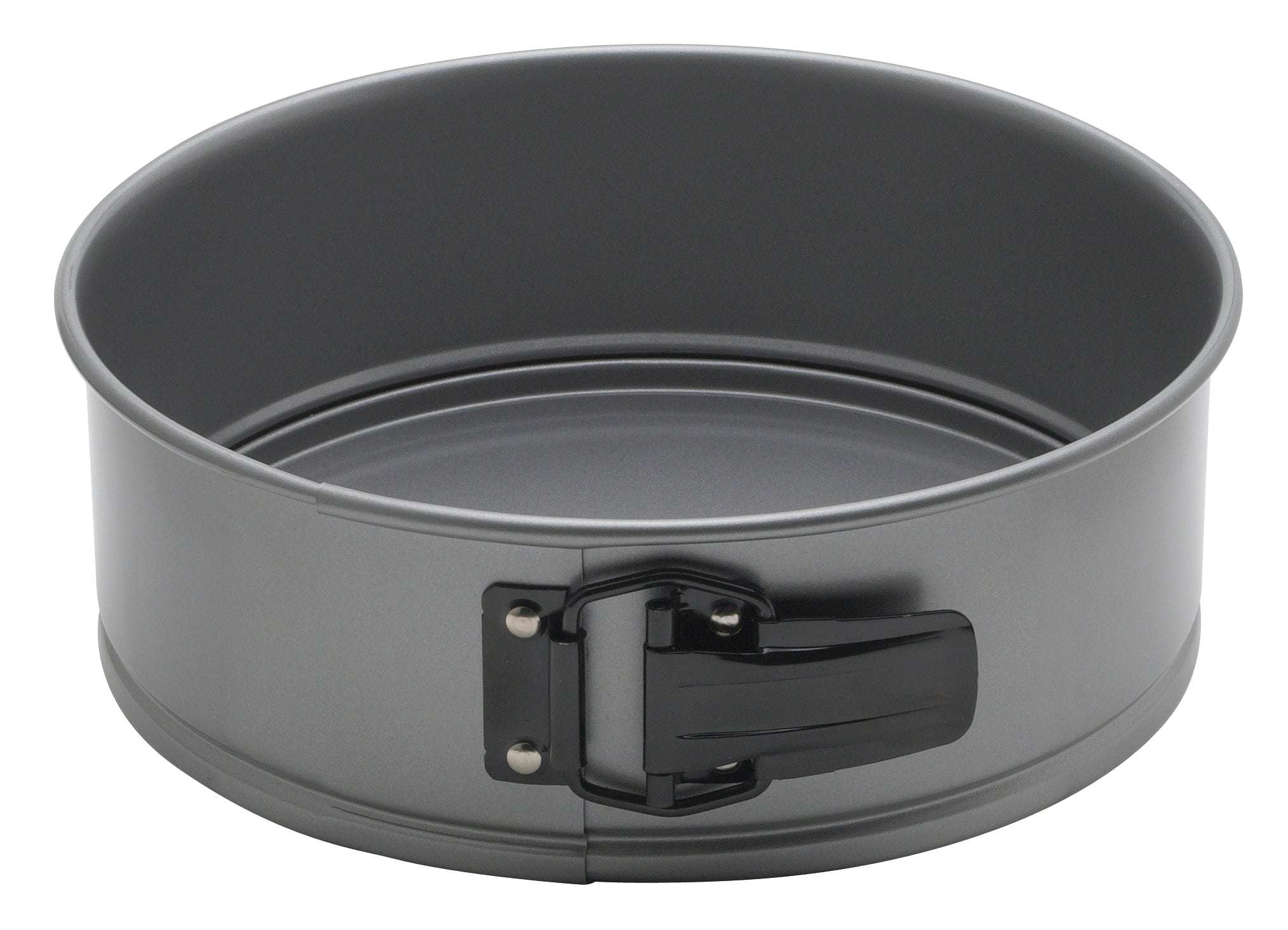
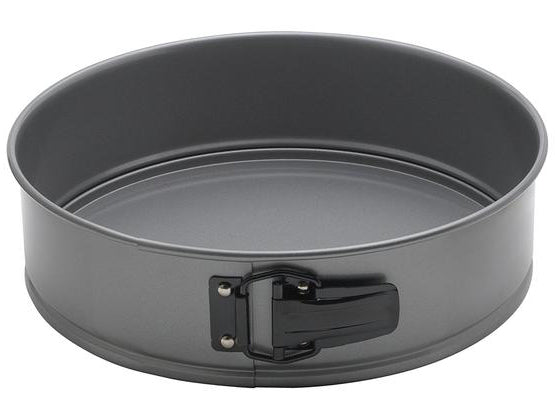
Molde desmontable antiadherente Mrs. Anderson's Baking, 8 pulgadas
Precio de venta17.99
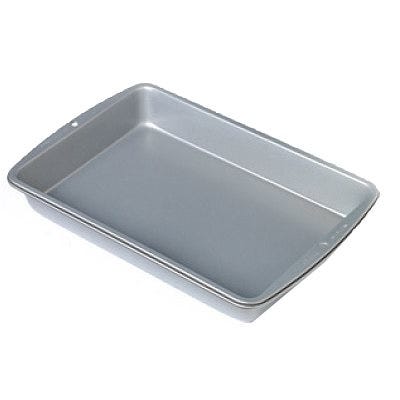
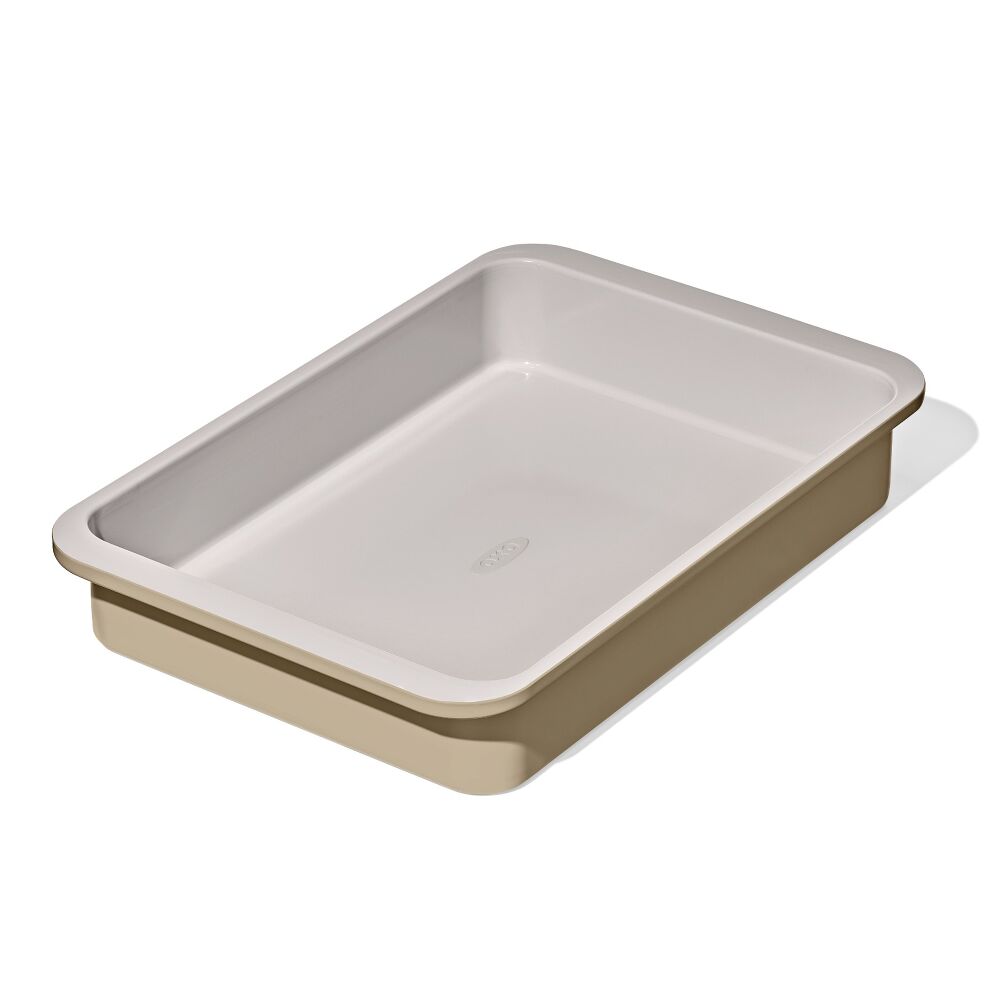
Molde rectangular antiadherente para tartas – 33 x 22,8 cm
Precio de venta16.99
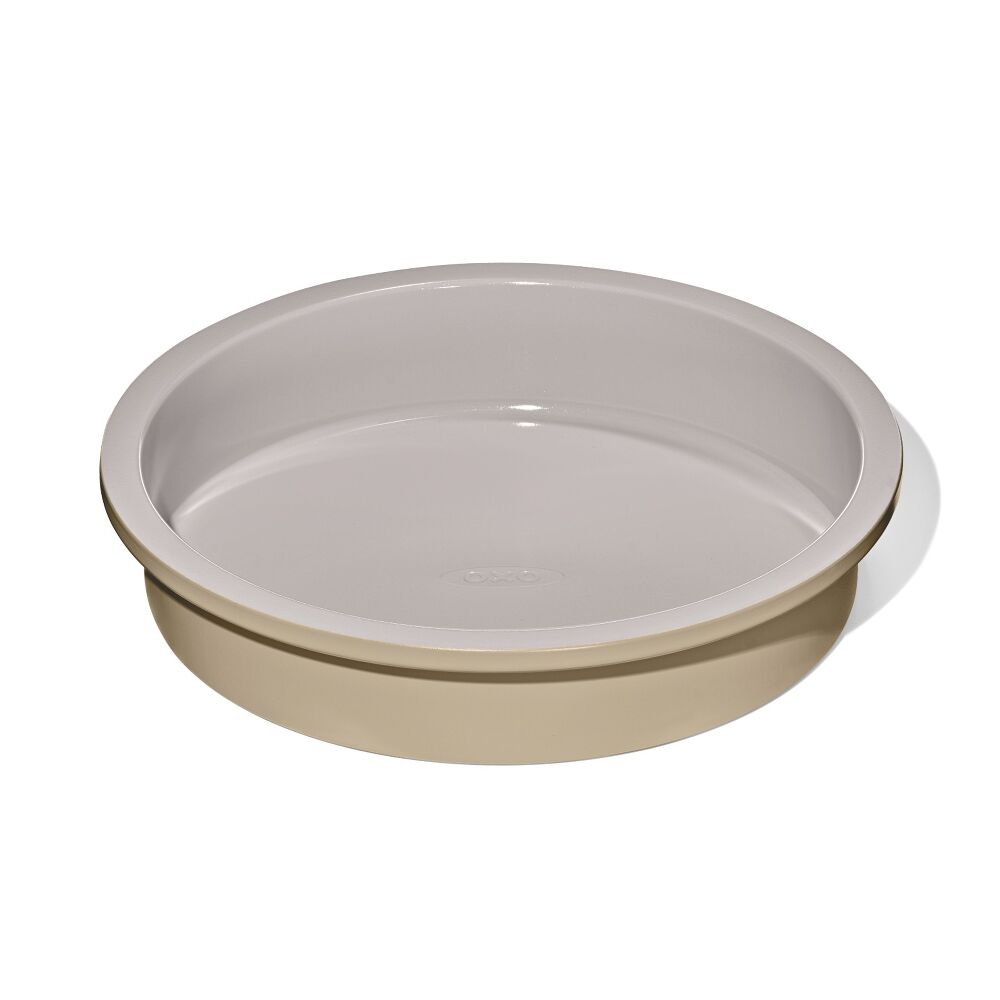
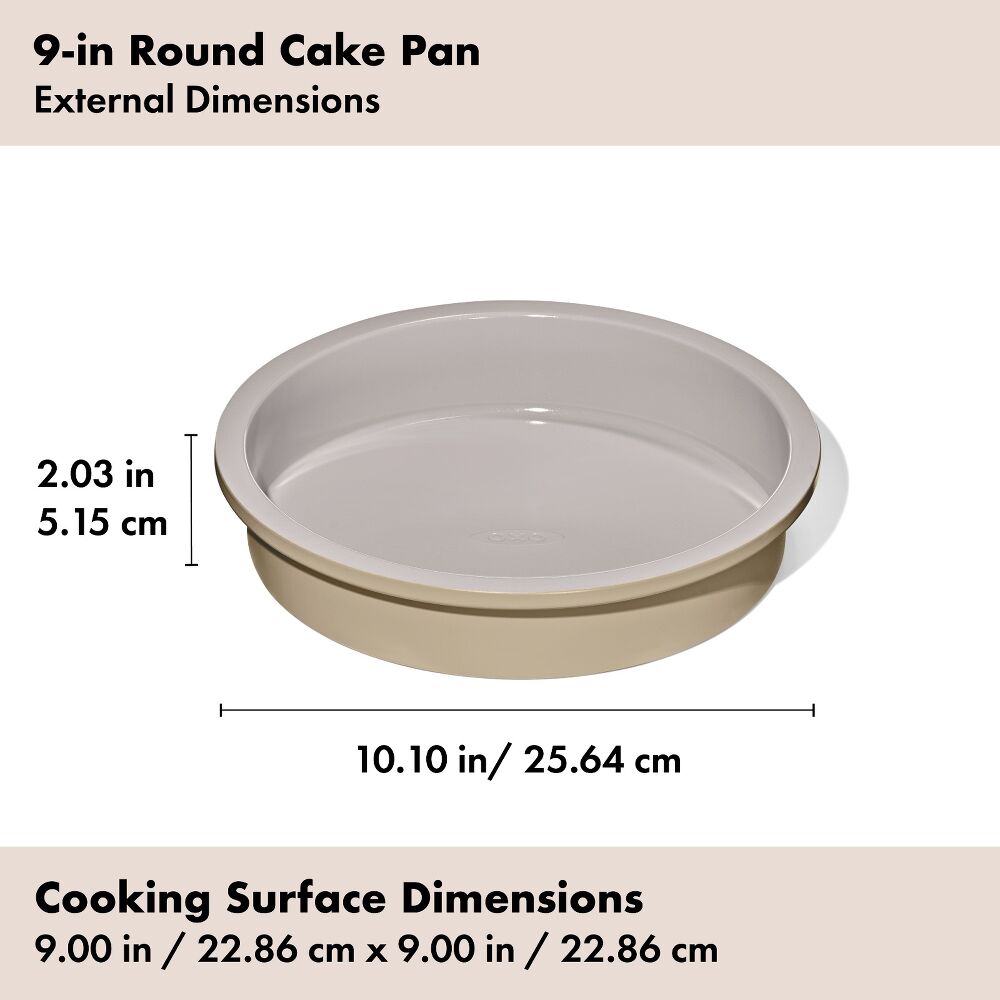
Molde Redondo de Metal Antiadherente de Cerámica Oxo Pro de 23 cm
Precio de venta19.99
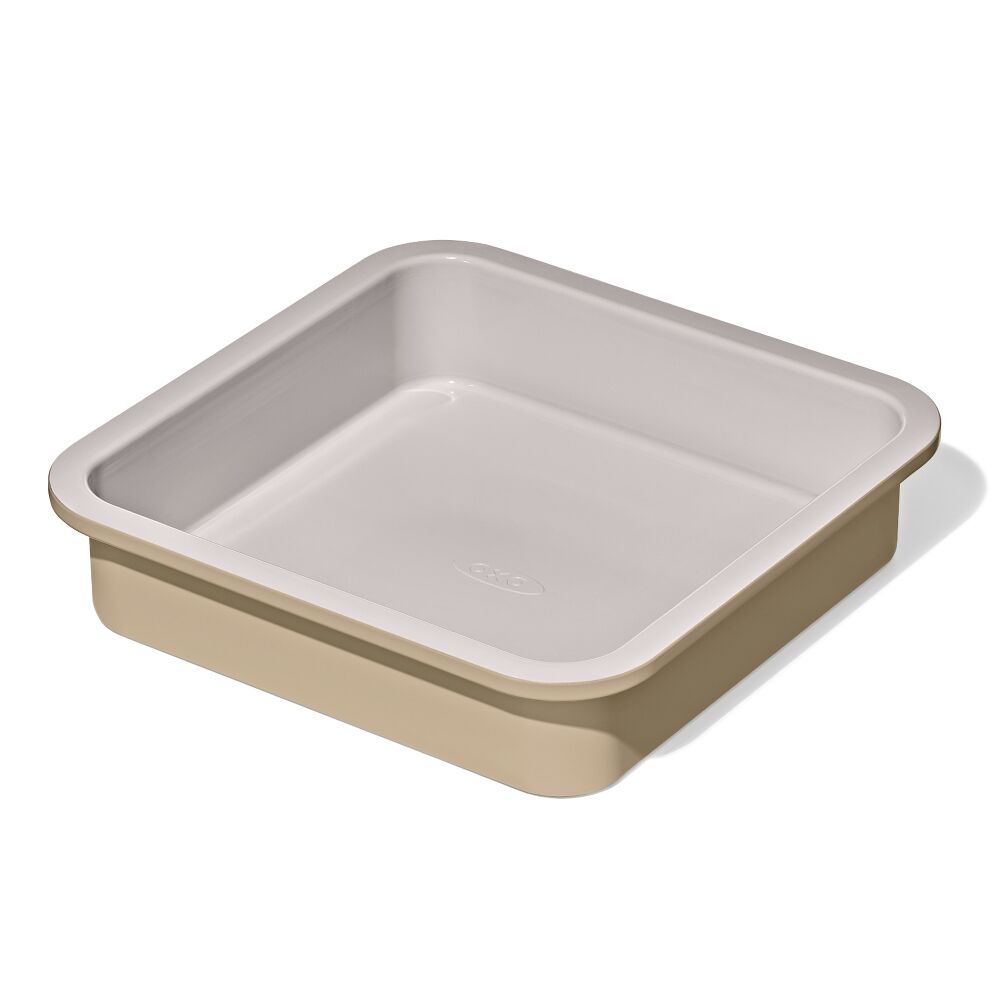
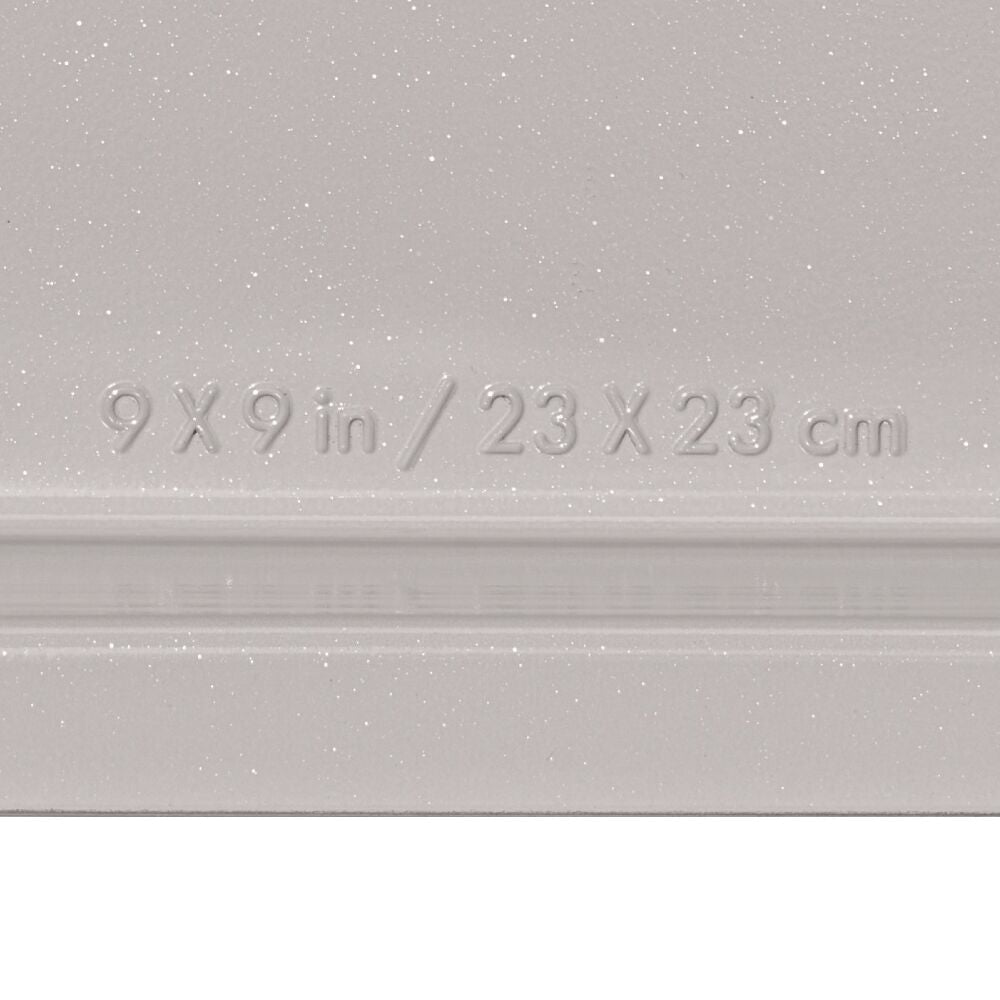
Fuente de horno cuadrada de metal antiadherente con revestimiento cerámico de 9" Oxo
Precio de venta19.99
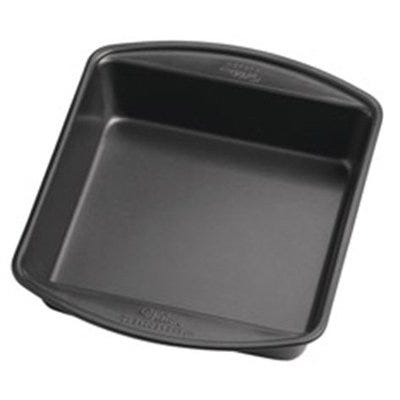
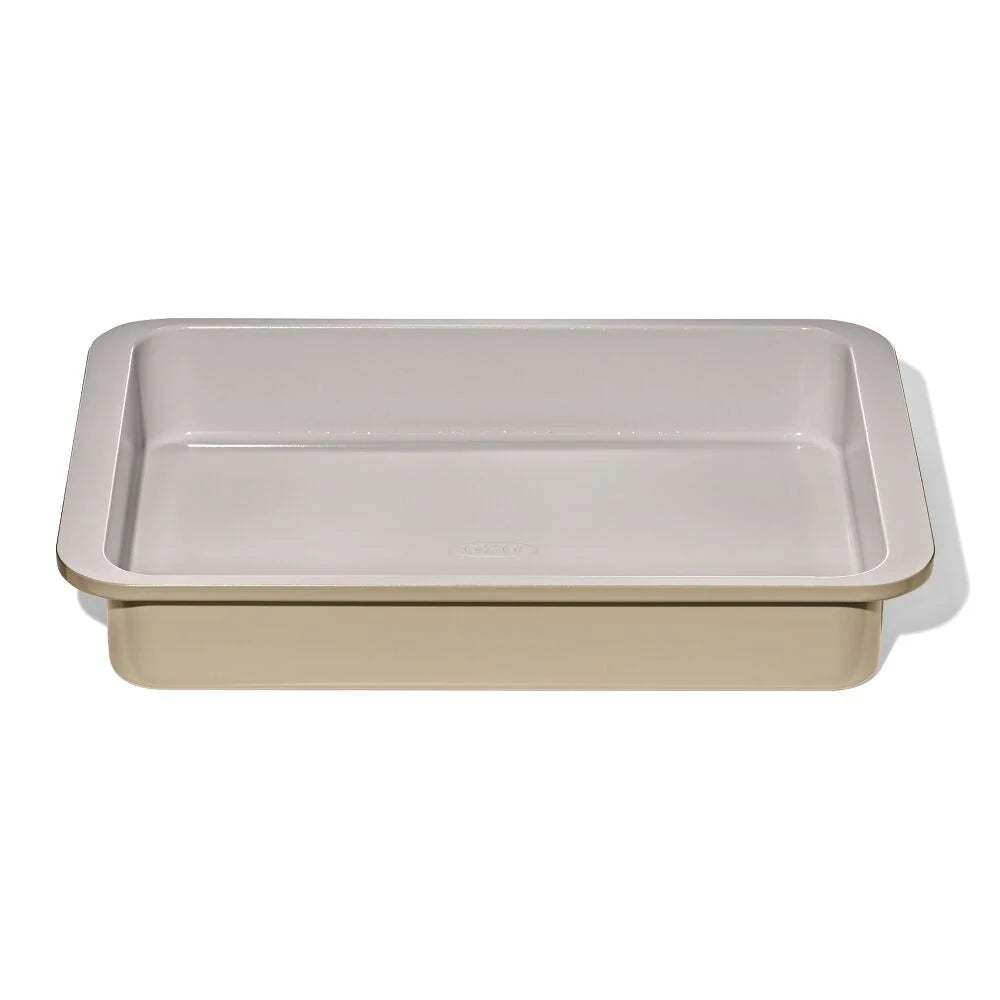
Molde cuadrado antiadherente para tartas – 20 x 20 x 5 cm
Precio de venta17.99
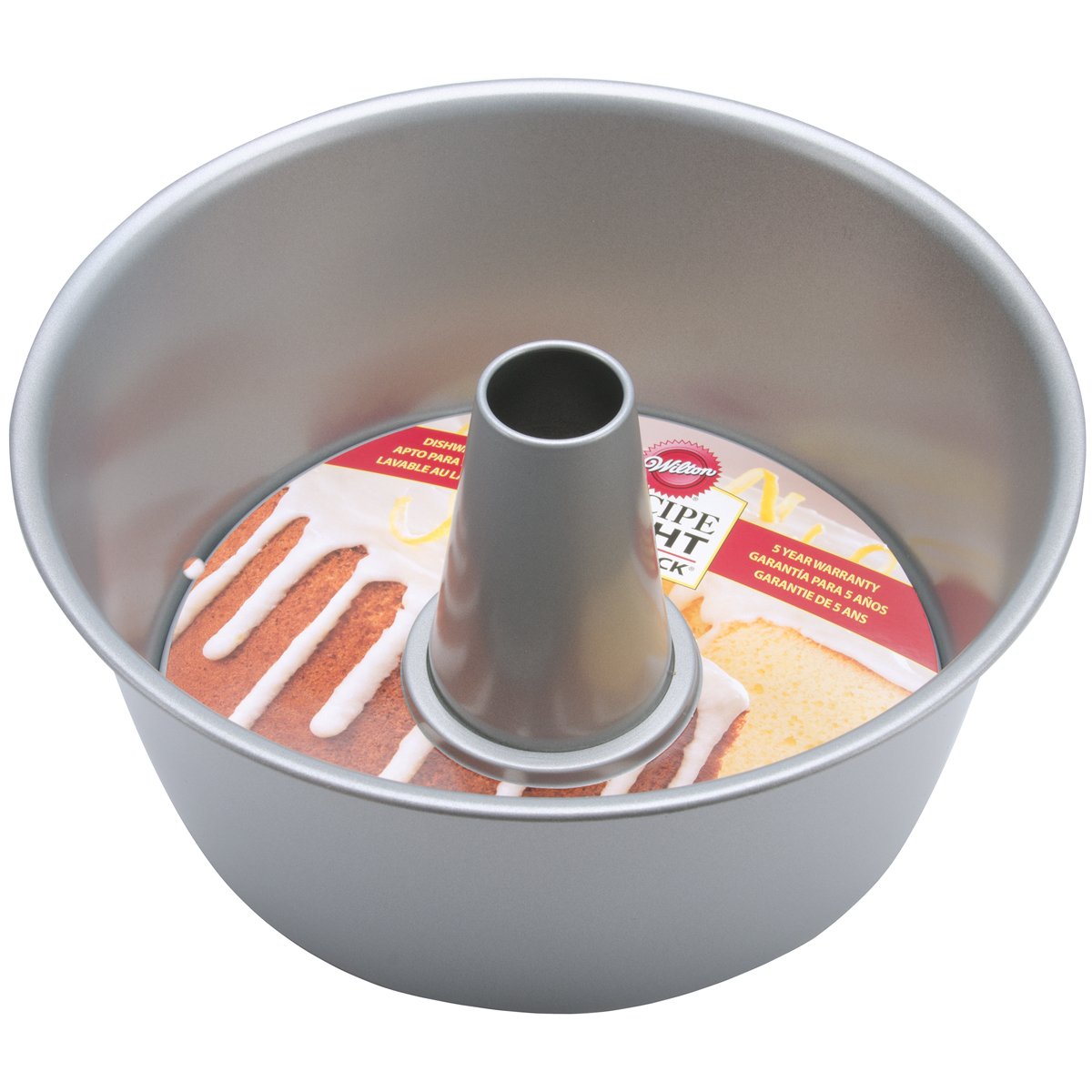
Molde antiadherente de acero para pastel de ángel
Precio de venta31.99
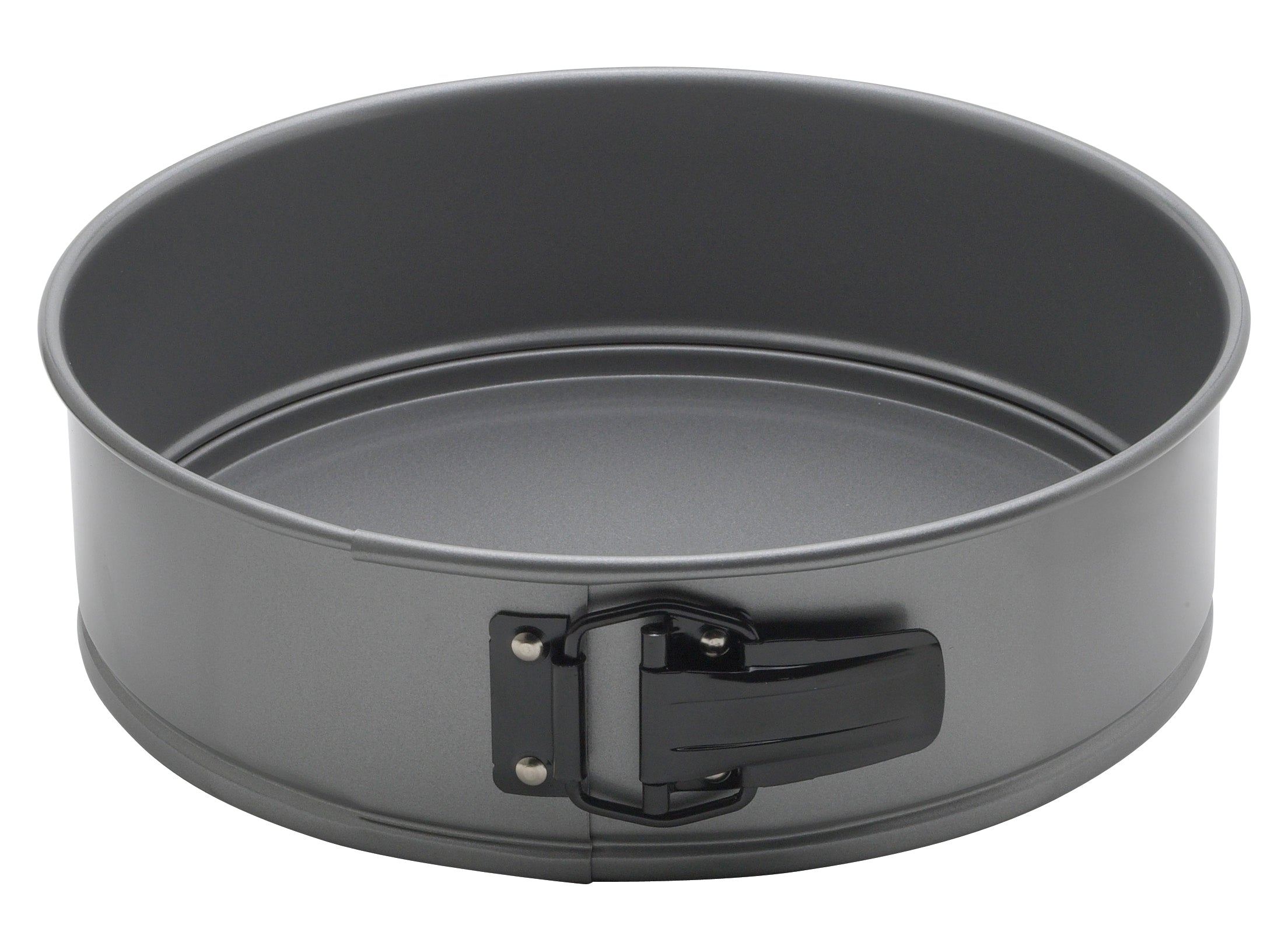
Molde desmontable antiadherente de Mrs. Anderson para hornear, 22,86 cm
Precio de venta19.99
Recently viewed
Frequently Asked Questions
There are four: round pans for layer cakes, square and 13x9 oblong pans for sheet cakes and brownies, springform pans for cheesecakes, and ring-shaped pans (fluted bundt, tube, and savarin) for cakes baked around a center. If you're looking for loaf, muffin, or sheet pans, those sit within our wider bakeware collection.
Shape and depth: a bundt pan is a fluted ring that suits dense cakes like pound and coffee cakes. Tube pans are tall, straight-sided rings for airy foam cakes like angel food and sponge, and savarin molds are shallow and smooth. Fox Run's 9.5-inch savarin, for instance, is 2.25 inches tall and suited to syrup-soaked cakes; another type of pan may cause the same recipe to bake unevenly.
You need a springform pan when a cake is too delicate or dense to turn upside down out of the pan. Think cheesecake, flourless chocolate cake, or a torte. On a springform, the side ring unlatches and lifts away, leaving the cake on the base for serving. Mrs. Anderson's springform cake pans come in 8, 9, and 10 inches, each 2.5 inches deep inside.
Yes, as long as the pan is left ungreased. Angel food batter rises by clinging to the pan's tall sides and center tube. As an extra perk, the Wilton non-stick angel food pan on this page has a removable inner core.
They can, because the seam where the ring meets the base is not watertight. Try wrapping the pan in two sheets of heavy-duty foil, laid crosswise and pressed up the sides. Setting the springform inside a slightly larger cake pan before it goes into the water can also help.
A ceramic-coated cake pan tends to lose its release sooner than a nonstick one. The OXO Non-Stick Pro pans here pair a ceramic coating with a light interior meant for even browning, while Mrs. Anderson's and Wilton pans use a reinforced nonstick finish (PFOA-free on the Mrs. Anderson's pans). To stretch the life of both kinds of coating, use wooden or nylon tools and avoid knives in the pan.
For most cakes, yes, and a parchment round on the bottom makes release more consistent. Nonstick coatings release better when new and tend to wear with use, but a thin coat of shortening or butter plus a dusting of flour should do the trick. The one exception is angel food cake, covered above.
Follow the pan size the recipe calls for, because batter measured to 8-inch pans comes out about four-fifths as tall in 9-inch pans and bakes faster. To keep the original height in a 9-inch pan, scale the recipe up by about a quarter.
One standard box of cake mix fits a 10- to 12-cup bundt pan, though it may not fill it to the usual height. A box makes roughly 4 to 6 cups of batter, and a 10-cup bundt pan bakes about 6 cups without overflowing. Leave at least 1 1/4 inches below the rim, to be safe.
Yes. Lower the oven temperature by 25°F when the pan is truly dark (black or close to it), and start checking your cake for completion about 10 minutes early. A medium-gray pan doesn't call for a lower temperature, but you should still check it early. The OXO pans have a light interior, so the 25°F drop is usually unnecessary.